
Do Air Purifier Help With Smoke: Proven Essential Solution

Yes, air purifiers significantly help with smoke, effectively removing particulate matter and odors from wildfire, cigarette, or cooking smoke. They are a proven essential solution for improving indoor air quality when smoke is present.
Breathing in smoke can be incredibly uncomfortable and even harmful. Whether it’s from a nearby wildfire, a neighbor’s cigarette, or a cooking mishap, smoke particles can quickly fill your home, causing irritation and lingering odors. It’s a common frustration that many people face, leading to questions about effective solutions. Fortunately, there’s a powerful tool that can make a real difference: the air purifier. This guide will walk you through exactly how air purifiers combat smoke and why they are an essential solution for cleaner, healthier indoor air.
How Air Purifiers Tackle Smoke Effectively
Air purifiers are remarkably effective at removing smoke particles from your indoor environment. They work by drawing in air, passing it through specialized filters, and releasing cleaner air back into the room. This process is crucial for trapping the tiny, harmful particles that make up smoke, offering significant relief.
The Science Behind Smoke Filtration
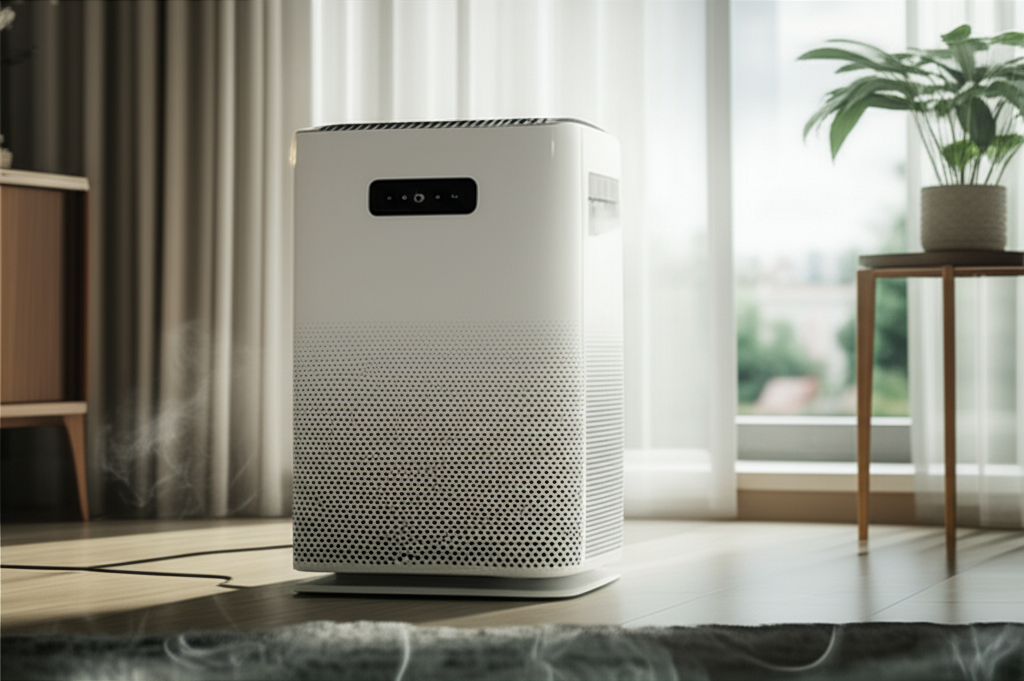
Smoke consists of a complex mixture of gases and fine particulate matter (PM2.5). These microscopic particles are small enough to penetrate deep into your lungs, causing respiratory issues. Air purifiers, especially those with HEPA filters, are designed to capture these very particles.
HEPA Filters: The Smoke’s Nemesis
High-Efficiency Particulate Air (HEPA) filters are the gold standard for trapping airborne particles. A true HEPA filter is certified to remove at least 99.97% of particles that are 0.3 microns in size. Smoke particles, including those from wildfires and cigarettes, are well within this range, making HEPA filters incredibly effective.
Activated Carbon Filters for Odor Elimination
While HEPA filters capture particles, activated carbon filters are essential for removing the gases and odors associated with smoke. Carbon filters have a porous structure that adsorbs volatile organic compounds (VOCs) and other odor-causing molecules. This dual-action approach ensures both particle removal and odor neutralization.
Types of Smoke Air Purifiers Target
Air purifiers aren’t just for general air cleaning; they are specifically beneficial for various types of smoke. Understanding which types of smoke they can handle helps you choose the right solution for your needs.
Wildfire Smoke Mitigation
Wildfire smoke poses a significant threat to indoor air quality, carrying fine ash, soot, and harmful gases. Air purifiers with robust HEPA and activated carbon filters are essential for creating a safe haven from this pervasive smoke. They can dramatically reduce the concentration of these dangerous pollutants inside your home.
Cigarette Smoke Control
Cigarette smoke is a potent mix of carcinogens and strong odors. Air purifiers are highly effective at capturing the fine particulate matter and neutralizing the persistent smell of tobacco smoke. Regular use can significantly improve air quality for non-smokers in shared spaces.
Cooking Smoke and Fumes
From burnt toast to intense frying, cooking can produce smoke and fumes that irritate the lungs and leave unpleasant smells. An air purifier placed in or near the kitchen can quickly clear the air, preventing these odors and particles from spreading throughout your home.
Key Features to Look For in a Smoke-Fighting Air Purifier
Not all air purifiers are created equal, especially when it comes to tackling smoke. Selecting the right features ensures your unit is powerful and efficient enough for the job.
CADR: A Measure of Performance
Clean Air Delivery Rate (CADR) indicates how quickly an air purifier can clean the air in a specific room size. Look for a high CADR for smoke, as this signifies a unit that can process smoke-laden air efficiently. Higher CADR values mean faster air purification.
Filter Layers for Comprehensive Cleaning
The best air purifiers for smoke feature a multi-stage filtration system. This typically includes a pre-filter to catch larger particles, a HEPA filter for fine particles, and an activated carbon filter for odors and gases. Some advanced units may include additional technologies for enhanced performance.
Room Size Coverage
It’s crucial to choose an air purifier rated for the size of the room you intend to use it in. An undersized unit will struggle to effectively clear the air of smoke, while an oversized unit can be overkill. Always check the manufacturer’s recommendations for room coverage.
Noise Levels and Energy Efficiency
While powerful, air purifiers can sometimes be noisy. Consider models with adjustable fan speeds and a “sleep mode” for quieter operation. Energy efficiency is also important, especially if you plan to run the purifier for extended periods.
Setting Up and Using Your Air Purifier for Smoke
Proper placement and consistent use are key to maximizing your air purifier’s effectiveness against smoke. Following these simple steps will help you achieve the best results.
Optimal Placement for Maximum Airflow
Place your air purifier in a central location within the affected room, away from walls or furniture that could obstruct airflow. This allows the unit to draw in and circulate air more effectively, ensuring all smoke particles are captured. Avoid placing it directly near the source of smoke if possible.
Running Your Air Purifier Continuously
For persistent smoke issues, such as from wildfires or ongoing smoking, running your air purifier 24/7 is highly recommended. Continuous operation ensures that the air is constantly being cleaned, preventing smoke particles and odors from accumulating. This is the most effective strategy for maintaining clean air.
Regular Filter Maintenance is Crucial
The effectiveness of your air purifier depends heavily on its filters. Check your manufacturer’s recommendations for cleaning or replacing pre-filters, HEPA filters, and activated carbon filters. Clogged filters significantly reduce airflow and purification efficiency.
Comparing Top Air Purifier Models for Smoke
Choosing the right model can be overwhelming with so many options available. Here’s a look at some highly-regarded air purifiers known for their smoke-fighting capabilities.
Coway Airmega Series
Coway’s Airmega models are often praised for their powerful performance and comprehensive filtration systems. They typically feature multi-stage filtration, including true HEPA and activated carbon, making them excellent choices for smoke. Many units are also Wi-Fi enabled for smart control.
Blueair Classic Series
Blueair purifiers are known for their energy efficiency and quiet operation, alongside effective particle removal. Their HEPASilent™ technology combines electrostatic charging and mechanical filtration to capture even the smallest particles. They offer robust performance for smoky environments.
Levoit Core Series
For budget-conscious consumers, Levoit’s Core series offers reliable performance at an affordable price. Many models include true HEPA filters and activated carbon, making them a good option for smaller rooms or moderate smoke levels. They provide excellent value for money.
Here’s a table comparing some popular models:
| Model | Filter Type | Room Size (Sq Ft) | CADR (Smoke) | Special Features |
| :—————- | :—————————————- | :—————- | :———– | :——————————– |
| Coway Airmega 400S | True HEPA, Activated Carbon, Pre-filter | 1,575 | High | Smart Control, Air Quality Sensor |
| Blueair Classic 605 | HEPASilent™, True HEPA, Activated Carbon | 700 | High | Energy Star, Quiet Operation |
| Levoit Core 300 | True HEPA, Activated Carbon, Pre-filter | 219 | Medium | Compact, Quiet |
When an Air Purifier is Essential: Beyond Smoke
While air purifiers are excellent for smoke, their benefits extend to many other indoor air quality concerns. Investing in one provides broader protection for your home environment.
Allergens and Pet Dander
For allergy sufferers, air purifiers are indispensable. They effectively trap pollen, dust mites, mold spores, and pet dander, significantly reducing airborne allergens. This can lead to fewer allergy symptoms and improved respiratory health.
Mold Spores and Bacteria
Airborne mold spores and bacteria can pose health risks. Air purifiers with HEPA filters can capture these microscopic organisms, helping to maintain a healthier indoor environment and prevent the spread of illness.
VOCs and Household Odors
Beyond smoke, activated carbon filters in air purifiers can remove VOCs released from cleaning products, furniture, and paints. They also neutralize common household odors, such as those from cooking or pets, leading to fresher-smelling air.
Frequently Asked Questions About Air Purifiers and Smoke
Can an air purifier completely eliminate smoke smell?
While air purifiers can significantly reduce smoke smell, complete elimination might depend on the intensity and duration of the smoke. Models with substantial activated carbon filters are most effective at adsorbing odors.
How long does it take for an air purifier to clear smoke?
The time it takes varies based on the air purifier’s CADR, room size, and smoke concentration. In a well-ventilated room, a powerful unit might noticeably clear smoke within 30 minutes to a few hours. Continuous operation is key for persistent smoke.
Should I run my air purifier if the smoke is outside?
Yes, if smoke from wildfires or other external sources is present outside, it can easily seep into your home. Running your air purifier with closed windows and doors helps capture these infiltrating particles and gases, improving your indoor air quality.
Are there any downsides to using air purifiers for smoke?
The main considerations are the cost of the unit and ongoing filter replacement. Some units can also produce a low-level hum, which might be noticeable. However, the health benefits often outweigh these minor drawbacks.
What is the difference between a HEPA filter and a standard filter for smoke?
A true HEPA filter is essential for smoke as it captures 99.97% of particles 0.3 microns in size. Standard filters are less efficient and may not capture the fine particulate matter found in smoke effectively.
Can air purifiers help with smoke from a fireplace?
Yes, air purifiers can help reduce smoke and soot particles from fireplaces, especially if smoke tends to drift into the living space. Placing a unit strategically can capture these airborne pollutants.
Conclusion: Your Breath of Fresh Air
In conclusion, the answer to “do air purifiers help with smoke” is a resounding yes. They are an essential solution, employing advanced filtration technologies like HEPA and activated carbon to capture harmful particles and neutralize odors. Whether you’re battling wildfire smoke, cigarette fumes, or cooking mishaps, an air purifier can dramatically improve your indoor air quality, providing a safer and more comfortable living environment. By choosing the right model and maintaining it properly, you invest in your health and well-being, ensuring you can breathe easier, no matter what’s happening outside.
