Can My Air Purifier Be On The Floor? Essential Guide

Yes, your air purifier can absolutely be on the floor, but placement matters for optimal performance and safety. This guide will walk you through the best practices for floor placement to ensure your home’s air quality is as good as it can be.
Air purifiers are fantastic tools for improving indoor air quality, but knowing where to put them can be confusing. A common question many homeowners have is, “Can my air purifier be on the floor?” The answer is generally yes, but there are important considerations to ensure it works effectively and safely. Let’s dive into the details and demystify the best placement strategies for your air purifier.
Why Floor Placement is a Common Question
Many people wonder if placing their air purifier directly on the floor is acceptable. This is often due to the unit’s size, weight, or simply wanting to keep surfaces clear. Understanding the airflow and filtration capabilities of your device is key to answering this. We’ll explore how floor placement impacts these factors.
Understanding Airflow and Your Air Purifier
Air purifiers work by drawing in air, filtering it, and releasing cleaner air. Proper airflow is crucial for this process to be efficient. If an air purifier is blocked, it can’t circulate air effectively, reducing its ability to clean your home’s atmosphere.
How Air Enters and Exits Your Purifier
Most air purifiers have intake vents, typically on the sides or bottom, and exhaust vents, usually at the top. For your unit to function at its best, these vents need unobstructed access to the room’s air. This is a primary consideration when deciding where to place it.
The Importance of Unimpeded Air Intake
When an air purifier’s intake vents are blocked, it struggles to pull in enough air to filter. This significantly reduces its cleaning capacity, meaning the air in your home won’t be purified as effectively. Ensuring clear pathways for air entry is paramount.
Maximizing Air Circulation in Your Room
The goal is to create a continuous cycle of air purification. Placing your air purifier in a central location, away from walls and furniture, allows it to draw in air from all directions and distribute purified air more widely. This promotes better overall air quality.
Can My Air Purifier Be On The Floor? The Direct Answer
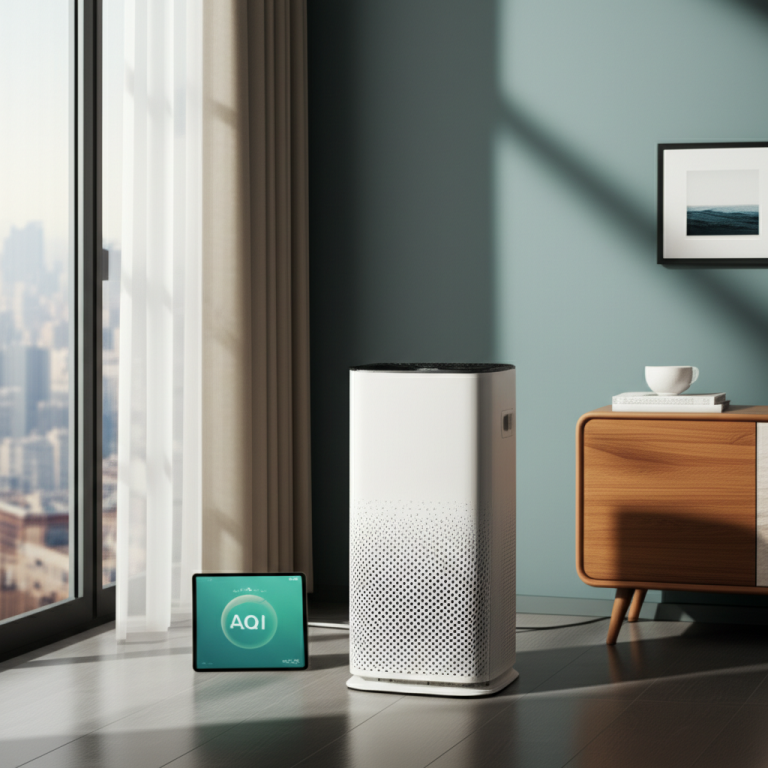
Yes, your air purifier can be on the floor, and for many models, this is a perfectly acceptable, even ideal, placement. Most air purifiers are designed with the understanding that they will be used on the ground level of a room. However, it’s essential to follow a few key guidelines.
Assessing Your Air Purifier’s Design
Look at your specific air purifier model. Does it have intake vents on the bottom? If so, placing it on a thick rug or carpet might impede airflow. Many units, however, have side or rear intakes and are designed to sit directly on hard surfaces.
Bottom Vents and Carpet Concerns
If your air purifier has bottom air intake vents, placing it directly on plush carpet or a thick rug can restrict airflow significantly. This can lead to reduced performance and potentially overheat the unit. Consider a small riser or a hard mat if this is the case.
Considering Different Floor Surfaces
Hardwood, tile, or linoleum floors are generally excellent surfaces for air purifiers. They don’t obstruct airflow from bottom vents. If you have carpet, a low-pile carpet is usually fine, but avoid placing units with bottom intakes on very thick or shag carpets.
Optimal Floor Placement Strategies
To get the most out of your air purifier when placed on the floor, consider these strategies. These aim to maximize its effectiveness by ensuring unobstructed airflow and strategic positioning within your living space. Proper placement is key to achieving the best air quality.
Creating a “Clear Zone” Around the Unit
Aim to leave at least 12 to 24 inches of clear space around your air purifier. This “clear zone” ensures that air can easily enter and exit the unit without obstruction. It allows for maximum air circulation and filtration efficiency.
Central vs. Corner Placement
Placing your air purifier in a more central location in a room, rather than tucked away in a corner, often yields better results. A central position allows the purified air to circulate throughout the space more effectively. Corners can sometimes trap air.
Proximity to Air Pollutant Sources
Positioning your air purifier near common sources of indoor pollutants, such as kitchens, pet areas, or near windows where outdoor air enters, can be highly beneficial. This allows it to tackle contaminants closer to where they originate.
When Not to Place Your Air Purifier on the Floor
While floor placement is often ideal, there are specific situations where it might not be the best option. Understanding these exceptions will help you make the most informed decision for your home and your air purifier. Safety and efficiency are paramount.
Units with Top or High-Side Air Intake
If your air purifier draws air primarily from the top or very high on its sides, placing it on the floor might not be as effective. These units are often designed to capture air at higher levels. In such cases, a small table or elevated stand might be more appropriate.
Areas Prone to Dust or Water Spills
Avoid placing your air purifier directly on the floor in areas that are frequently dusty or prone to spills, like entryways or kitchens with frequent cooking. This can increase the risk of the unit becoming clogged or damaged by moisture.
Very Young Children or Pets
For households with very young children or curious pets, placing the air purifier on a slightly elevated surface can add an extra layer of safety. This can prevent them from tipping the unit over or inserting objects into the vents.
Air Purifier Placement Table: Floor vs. Elevated
To help visualize the pros and cons, here’s a comparison of floor placement versus elevated placement. Understanding these differences can guide your decision-making process for optimal air purification in your home.
| Placement Type | Pros | Cons | Best For |
|—————-|————————————————————————————————–|———————————————————————————————————————————|—————————————————————————————————————————————-|
| Floor | Maximizes intake for bottom-vented units; stable; no extra furniture needed; generally ideal. | Can be an issue for units with bottom vents on thick carpets; potential for obstruction by pets/children; more prone to floor dust. | Most air purifiers, especially those with side or rear intakes; rooms with hard flooring; general living spaces. |
| Elevated | Improves airflow for top-vented units; keeps unit away from floor dust and spills; safer for pets/kids. | Requires extra furniture or stands; can be less stable if not secured; may not be necessary for many models. | Units with top or high-side intakes; homes with very thick carpets; areas prone to spills; households with very young children or pets. |
Factors Affecting Air Purifier Performance
Several factors can influence how well your air purifier performs, regardless of whether it’s on the floor or elevated. Understanding these elements helps ensure you’re getting the most out of your investment in clean air. It’s about creating the optimal environment for your device.
Room Size and Air Purifier Capacity
Ensure your air purifier is rated for the size of the room you intend to use it in. An undersized unit, no matter where it’s placed, won’t be able to effectively purify the air. Check the CADR (Clean Air Delivery Rate) for guidance.
Airflow Obstructions
Any object placed too close to the air purifier can impede airflow. This includes furniture, curtains, and even the walls themselves. Maintaining that clear zone is crucial for efficient operation.
Filter Maintenance
Dirty or clogged filters are a major performance killer. Regularly cleaning or replacing your air purifier’s filters, as recommended by the manufacturer, is essential. This ensures the unit can continue to draw in and filter air effectively. You can find filter replacements on sites like Amazon for many popular brands.
Maintaining Your Air Purifier for Optimal Performance
Proper maintenance is just as important as proper placement. Keeping your air purifier clean and its filters in good condition will ensure it continues to provide clean air for years to come. Think of it as regular health check-ups for your device.
Regular Cleaning Schedule
Wipe down the exterior of your air purifier regularly with a soft, damp cloth. Ensure the vents are free of dust and debris. This prevents dust buildup from affecting internal components.
Filter Replacement and Cleaning
Follow your manufacturer’s guidelines for filter replacement. Pre-filters, if your unit has them, can often be washed or vacuumed. HEPA and activated carbon filters typically need to be replaced at set intervals.
Checking for Obstructions
Periodically check around the unit to ensure nothing has been placed too close, blocking the vents. This is especially important if you have pets or children who might move things.
Troubleshooting Common Air Purifier Issues
Sometimes, despite best efforts, you might encounter issues with your air purifier. Knowing how to troubleshoot common problems can save you time and ensure your device is always running smoothly. Many issues are surprisingly simple to fix.
Reduced Airflow or Strange Noises
If you notice reduced airflow or unusual noises, the first step is to check the filters. Clogged filters are the most common cause. Also, ensure the unit is on a stable surface and not vibrating excessively.
Unit Not Turning On
If your air purifier won’t turn on, check the power cord and the outlet. Ensure it’s securely plugged in. If it still doesn’t work, consult your user manual or contact the manufacturer for support. Many manufacturers, like Coway, offer excellent customer support.
Lingering Odors Despite Operation
If your air purifier is still not removing odors, the activated carbon filter may be saturated and need replacement. Also, ensure the unit is adequately sized for the room and that other sources of odors are being addressed.
When to Consider an Elevated Stand
While floor placement is often suitable, there are instances where using an elevated stand or a small piece of furniture can be beneficial. These situations are typically related to specific unit designs or household dynamics. It’s about adapting to your unique environment.
Improving Air Intake on Thick Carpets
If your air purifier has bottom intake vents and you have thick carpeting, a stand that lifts the unit a few inches off the floor can dramatically improve airflow. This allows the air to be drawn in more freely.
Keeping Pets and Children at Bay
For households with very active pets or toddlers, placing the unit on a sturdy, elevated surface can prevent accidental tipping or interference with the device. This offers an added layer of safety and security.
Maximizing Air Distribution in Large Rooms
In larger or multi-level rooms, elevating the air purifier can help it distribute purified air more effectively throughout the space. This can be particularly useful for taller units or those with upward-facing exhaust.
Key Takeaways for Floor Placement
To summarize, placing your air purifier on the floor is generally a good idea, provided you adhere to a few essential principles. The primary goal is to ensure unrestricted airflow and to protect the unit from damage or obstruction.
Prioritize Unobstructed Airflow
Always ensure that the air intake and exhaust vents are clear. Leave ample space around the unit, especially if it has bottom vents. Avoid placing it directly on very thick carpets or against walls.
Consider Your Specific Model and Environment
Every air purifier and home is different. Assess your unit’s design and your living space to determine the best placement. Safety for children and pets, as well as floor surface type, are important considerations.
Regular Maintenance is Crucial
Placement is only one part of the equation. Consistent cleaning and filter replacement are vital for maintaining optimal performance. Your air purifier will thank you with cleaner air.
Frequently Asked Questions (FAQ)
Q1: Can I place my air purifier directly on a carpet?
Generally, yes, but it depends on your air purifier’s design. If it has bottom air intake vents, placing it on a thick carpet can restrict airflow. Low-pile carpets are usually fine, but consider a small riser or mat for thick carpets.
Q2: How much space should I leave around my air purifier?
It’s recommended to leave at least 12 to 24 inches of clear space around all sides of your air purifier. This ensures unobstructed airflow for efficient operation.
Q3: Does the location of the air purifier matter for cleaning the air?
Yes, location significantly impacts performance. Placing it centrally, away from obstructions, and near pollutant sources can help it clean the air more effectively throughout the room.
Q4: Can I place my air purifier in a corner?
While you can place it in a corner, it’s generally less effective than central placement. Corners can sometimes trap air, reducing circulation. If you must place it in a corner, ensure there’s still ample space around it.
Q5: Is it okay to place my air purifier on a table?
Yes, placing your air purifier on a table can be beneficial, especially if it has top or high-side air intakes, or if you want to keep it away from floor-level dust and potential spills. Ensure the table is stable.
Q6: How often should I clean or replace my air purifier filters?
This varies by model and usage. Most manufacturers recommend checking pre-filters monthly and replacing HEPA and carbon filters every 6-12 months. Always refer to your user manual for specific guidelines.
Conclusion
In conclusion, the question “Can my air purifier be on the floor?” has a resounding “yes” with the right considerations. By understanding your unit’s design, maintaining adequate space, and prioritizing consistent filter care, you can effectively use your air purifier placed on the floor to significantly improve your home’s air quality. Remember to always consult your user manual for model-specific recommendations to ensure optimal performance and longevity for your essential home air purification device.