
Can An Air Purifier Cause Mold? Essential Guide

No, a properly maintained air purifier does not cause mold. However, improper use or neglect, like failing to clean filters or using humidifying features incorrectly, can create conditions conducive to mold growth.
Can an Air Purifier Cause Mold? Your Essential Guide to Safe Operation
It’s a common concern: you invest in an air purifier to improve your home’s air quality, only to worry if it might inadvertently create a new problem, like mold. This worry is understandable, as mold thrives in damp environments, and some air purifiers involve water. Rest assured, with the right knowledge and care, your air purifier is a tool for cleaner air, not a mold incubator. This guide will demystify how air purifiers work with moisture and what steps you can take to ensure your device actively combats, rather than contributes to, mold issues. Let’s explore the facts and find the safest way to breathe easier.
Understanding How Air Purifiers Interact with Moisture
Air purifiers work by drawing in air, filtering out pollutants, and releasing cleaner air back into the room. The interaction with moisture largely depends on the type of air purifier. Standard HEPA and activated carbon purifiers primarily filter dry air and do not introduce moisture. Issues arise mainly with humidifying air purifiers or if other components within a unit become damp and uncleaned. Understanding this distinction is crucial for preventing any potential mold-related problems.
Types of Air Purifiers and Their Moisture Handling
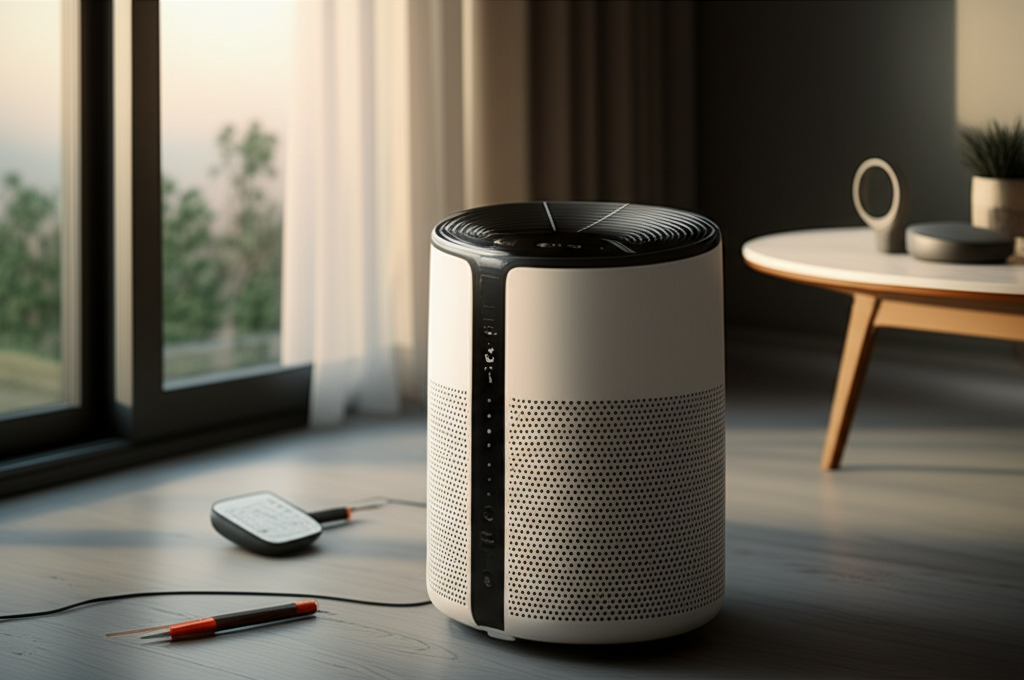
Different air purification technologies handle moisture in distinct ways. Knowing which type you have helps you understand its potential impact.
HEPA and Activated Carbon Purifiers: These are the most common types and do not add moisture to the air. They filter particles and gases from existing air, making them inherently safe from a mold-creation perspective. Their effectiveness relies on trapping, not adding, elements.
Evaporative Humidifiers/Air Purifier Combos: Units that combine air purification with humidification can, if not maintained, become sources of mold. They use water reservoirs and fans, which, if stagnant or dirty, can breed mold spores. Regular cleaning is paramount for these models.
Ultrasonic Humidifiers/Air Purifier Combos: These use vibrations to create a cool mist. Like evaporative humidifiers, the water reservoir requires diligent cleaning to prevent mold and mineral buildup. The mist itself can increase ambient humidity, which, in poorly ventilated spaces, could indirectly encourage mold if other conditions are met.
The Role of Humidity in Mold Growth
Mold spores are present in virtually all environments, but they only grow and spread when they find suitable conditions, primarily moisture. Relative humidity levels above 60% are often cited as ideal for mold proliferation. Therefore, any device that increases or retains moisture in your home needs careful management. Air purifiers themselves don’t cause mold, but if they create or exacerbate a damp environment due to their design or your maintenance habits, mold can then take hold.
When Can an Air Purifier Potentially Contribute to Mold?
While the purifier itself doesn’t create mold, certain operational aspects can inadvertently foster its growth. These scenarios usually involve excess moisture that the unit either introduces or fails to manage properly. It’s less about the purifier causing mold and more about how it interacts with your home’s environment and your maintenance routines.
Scenario 1: Over-Humidification from Combo Units
Air purifiers that also function as humidifiers can cause mold issues if they consistently add too much moisture to the air. If the humidity level in your room consistently exceeds 60%, especially in areas with poor ventilation, mold can begin to form on surfaces. This is a direct consequence of excessive moisture, not the purification process itself. Monitoring humidity levels with a hygrometer is a proactive step.
Scenario 2: Dirty Water Reservoirs in Humidifying Purifiers
For air purifiers with humidifying functions, a neglected water tank is a prime breeding ground for mold and bacteria. Stagnant water, especially when warm, allows spores to multiply rapidly. If these units then disperse this contaminated mist into the air, you can end up circulating mold spores. This highlights the critical importance of regular cleaning for these specific types of devices.
Scenario 3: Condensation and Damp Components
Even in non-humidifying units, condensation can occur, particularly in very humid environments or if the unit is placed near a cold window. If internal components or filters become persistently damp and are not allowed to dry out, mold can begin to grow. Ensuring good airflow around the unit and avoiding placement in excessively damp areas can mitigate this risk.
Preventing Mold: Essential Maintenance for Your Air Purifier
The key to ensuring your air purifier remains a tool for health, not a source of mold, lies in consistent and correct maintenance. This involves understanding the specific needs of your unit and adhering to a cleaning schedule. Proper care prevents the conditions that allow mold to thrive.
Regular Filter Replacement and Cleaning
Filters are the heart of your air purifier. Neglecting them can lead to reduced efficiency and, in some cases, contribute to mold issues. Always follow the manufacturer’s recommendations for filter replacement or cleaning. A clogged filter struggles to pull air effectively, and moisture can get trapped, potentially leading to mold growth on the filter media itself or within the unit.
HEPA Filters: These are typically replaced every 6-12 months, depending on usage and air quality. They cannot be washed.
Pre-filters: Often washable, these catch larger particles and should be cleaned monthly.
Activated Carbon Filters: These absorb odors and gases and are usually replaced every 6-12 months. They are not washable.
Cleaning Water Tanks and Components (for Humidifying Units)
If your air purifier includes a humidifying function, meticulous cleaning of the water tank and associated parts is non-negotiable. This prevents mold and bacterial growth in stagnant water. A regular cleaning schedule, often weekly, is recommended. Use mild soap and water or a vinegar solution as per the manufacturer’s instructions. Ensure all parts are thoroughly dried before reassembly to prevent moisture retention.
Ensuring Proper Airflow and Placement
The placement of your air purifier matters. Avoid placing it in corners where airflow is restricted or in areas prone to high humidity and dampness, such as bathrooms or unventilated basements. Ensure there’s adequate space around the unit for air intake and exhaust. This promotes efficient operation and helps prevent moisture buildup within the device.
Identifying Mold: Signs and Symptoms to Watch For
Even with the best maintenance, it’s wise to know the signs of potential mold growth, both in your home and within your air purifier. Early detection is key to addressing the issue before it becomes widespread. Keep an eye out for visual cues and any unusual odors.
Visual Indicators of Mold
Mold typically appears as fuzzy or slimy patches, often in shades of black, green, white, or orange. Look for these signs on filters, in water tanks, or on surfaces near the air purifier. Any discoloration or unusual texture on components that are normally clean warrants investigation. Check the intake and exhaust vents for any visible growth.
Musty Odors and Air Quality Changes
A persistent musty or earthy smell in the air, especially when the air purifier is running, can indicate mold growth. If you notice a decline in air quality despite using the purifier, or if the unit itself emits an unpleasant odor, it’s a strong signal to inspect it closely. Changes in how the air feels – perhaps damper or heavier – can also be clues.
When to Seek Professional Help
If you suspect significant mold growth within your air purifier or your home, it’s often best to consult a professional. They have the expertise and tools to safely remove mold and identify the root cause of the problem. Trying to remediate extensive mold yourself can sometimes spread spores and exacerbate the issue.
Professional Mold Inspection and Remediation
For widespread mold issues, engage a certified mold inspector or remediation specialist. They can assess the extent of the problem and implement effective removal strategies. They can also help identify underlying moisture issues in your home that might be contributing to mold growth.
Can an Air Purifier Improve Air Quality Related to Mold?
Absolutely. While the concern is whether an air purifier causes mold, a functioning unit can significantly improve air quality affected by mold. By capturing airborne mold spores, HEPA filters can reduce their concentration in the air, thereby mitigating allergy symptoms and preventing further spread. It’s important to remember that an air purifier tackles the symptoms of mold (spores in the air) but doesn’t eliminate the source of moisture causing it.
Capturing Airborne Mold Spores
High-efficiency particulate air (HEPA) filters are designed to capture very small particles, including mold spores, dust mites, and pollen. When properly functioning, an air purifier with a HEPA filter can effectively remove a significant percentage of mold spores circulating in your home’s air. This makes breathing easier for those sensitive to mold.
Addressing Odors Associated with Mold
Activated carbon filters, often found in conjunction with HEPA filters, are excellent at absorbing odors. Mold can produce a distinct musty smell. These filters can help neutralize these unpleasant smells, contributing to a fresher-smelling home.
Choosing the Right Air Purifier for Mold-Prone Environments
If mold is a concern in your home, selecting the right type of air purifier is crucial. Prioritize units that focus on filtration rather than humidification, and ensure they are equipped with robust filtration systems. Look for features that simplify maintenance.
Prioritizing HEPA Filtration
For homes where mold is a concern, an air purifier with a true HEPA filter is essential. This ensures that the smallest airborne particles, including mold spores, are effectively captured. Avoid “HEPA-type” or “HEPA-like” filters, as they do not meet the same stringent standards for particle capture.
Considering Activated Carbon for Odor Control
If mold has led to musty odors, an air purifier with a substantial activated carbon filter will be beneficial. This layer works alongside the HEPA filter to not only trap spores but also neutralize the associated smells. A thicker carbon filter generally offers better odor absorption.
Ease of Maintenance Features
When choosing a unit, consider how easy it is to access and clean or replace filters. Models with indicator lights for filter changes or easily removable components can make maintenance less of a chore, increasing the likelihood that you’ll keep up with it.
Understanding Environmental Factors Beyond the Purifier
It’s vital to remember that an air purifier operates within a larger environment. Mold growth is a complex issue influenced by several factors, and the purifier is just one piece of the puzzle. Addressing the root causes of excess moisture is paramount.
Controlling Indoor Humidity Levels
As mentioned, mold thrives in high humidity. Using dehumidifiers in damp areas like basements or bathrooms, ensuring proper ventilation in kitchens and bathrooms (using exhaust fans), and fixing any plumbing leaks are critical steps. Aim to keep indoor humidity between 30% and 50% for optimal air quality and mold prevention.
Ventilation and Air Circulation
Good airflow throughout your home helps prevent moisture buildup. Opening windows when weather permits, using ceiling fans, and ensuring furniture isn’t pushed too tightly against walls can all improve circulation. This prevents stagnant air pockets where moisture can accumulate and mold can start.
Common Misconceptions About Air Purifiers and Mold
Many people believe that all air purifiers add moisture, or that simply running a purifier will solve all mold problems. These are common misunderstandings that can lead to incorrect usage or unrealistic expectations. Let’s clarify these points.
Misconception 1: All Air Purifiers Add Moisture
This is not true. As discussed, only air purifiers with integrated humidifying functions add moisture. Standard HEPA and activated carbon purifiers do not. It’s crucial to know the type of unit you own to understand its interaction with humidity.
Misconception 2: Air Purifiers Kill Mold
Air purifiers capture airborne mold spores, preventing them from spreading and reducing their concentration. However, they do not kill mold that is already growing on surfaces. To eliminate existing mold, you must address the moisture source and clean the affected areas.
Frequently Asked Questions About Air Purifiers and Mold
Q1: Will a HEPA air purifier remove mold spores from my air?
Yes, true HEPA filters are designed to capture at least 99.97% of airborne particles 0.3 microns in size, which includes most mold spores. This can significantly reduce the number of spores circulating in your home.
Q2: Can my air purifier’s filter get moldy?
If the filter becomes excessively damp and is not dried properly, or if it’s left unchanged for too long in a humid environment, it is possible for mold to grow on it. Regular maintenance is key to preventing this.
Q3: Should I use an air purifier in a bathroom to prevent mold?
While an air purifier can capture airborne spores, it’s not a substitute for proper ventilation. Always use an exhaust fan in the bathroom during and after showering to remove excess moisture, which is the primary cause of bathroom mold.
Q4: My air purifier has a “cleanable” filter. Can I wash it to prevent mold?
Some pre-filters are washable. However, HEPA filters and activated carbon filters are generally not washable and require replacement. Always check your manufacturer’s guide before washing any part of your air purifier.
Q5: If I have visible mold in my home, will an air purifier solve the problem?
An air purifier can help reduce airborne spores but will not solve the problem of mold growing on surfaces. You must address the moisture source, clean the moldy areas, and ensure the environment is dry to effectively eliminate mold.
Q6: Are there air purifiers specifically designed to combat mold?
While no air purifier “fights” mold directly, units with true HEPA filtration and activated carbon are the most effective at managing airborne mold spores and associated odors. They are crucial components of a mold remediation strategy.
Conclusion: Your Air Purifier as a Mold Ally, Not an Enemy
In summary, can an air purifier cause mold? No, not directly, and certainly not if maintained correctly. Standard air purifiers are designed to clean your air, not create damp conditions. The potential for mold arises with humidifying units if their water reservoirs are not kept clean, or if any air purifier is used in a way that leads to component dampness. By understanding your air purifier’s type, adhering to a diligent maintenance schedule—including regular filter changes and cleaning water tanks on humidifying models—and controlling overall indoor humidity, you can ensure your device actively helps you achieve cleaner, healthier air, free from the worry of mold. Your commitment to proper care transforms your air purifier into a valuable ally in your fight for a healthier home environment.
