
How Good Are Air Purifiers For Dust: Proven Essential

Air purifiers are highly effective at removing dust from your home, significantly improving air quality and reducing allergens. They utilize advanced filtration systems to capture even the smallest dust particles, making them an essential tool for a cleaner, healthier living environment.
Dust is more than just an unsightly nuisance; it’s a complex mix of tiny particles that can trigger allergies and respiratory issues. If you’re constantly battling dust bunnies or sneezing around your home, you might be wondering, “How good are air purifiers for dust?” The answer is: remarkably good. These devices are designed to tackle airborne particles, and dust is high on their list.
The Science Behind Dust and Air Purifiers
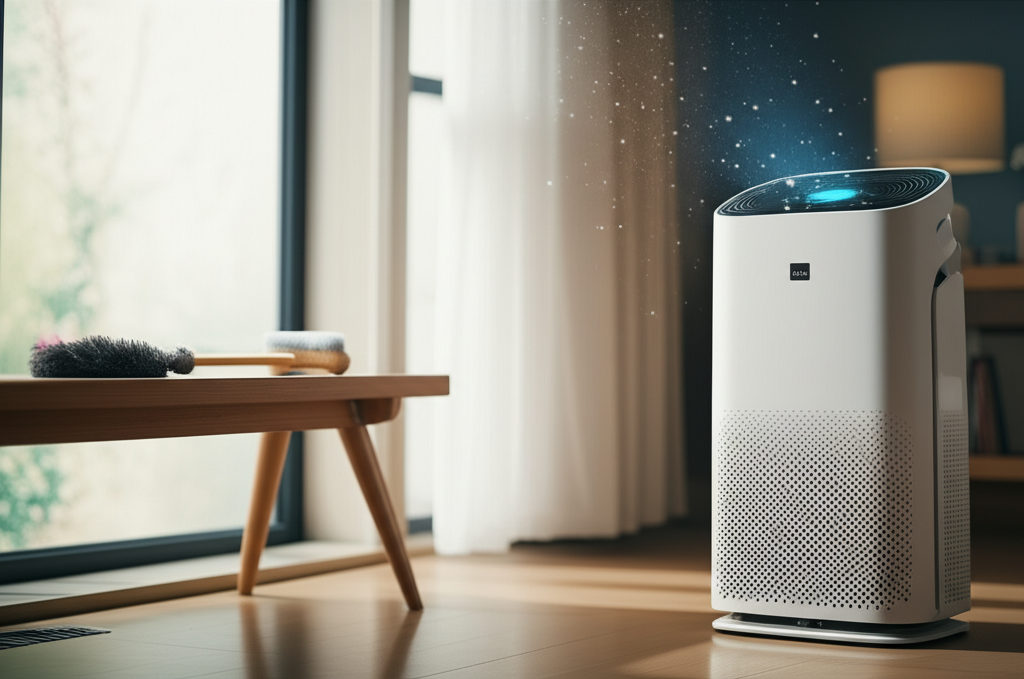
Dust is composed of various elements, including dead skin cells, pet dander, fabric fibers, pollen, and microscopic debris. These particles become airborne and can circulate throughout your home, settling on surfaces and being inhaled. Air purifiers combat this by drawing in room air and passing it through a series of filters.
A HEPA (High-Efficiency Particulate Air) filter, a common component in many air purifiers, is designed to capture at least 99.97% of airborne particles 0.3 microns in size. This includes most common dust particles, as well as smaller allergens like pollen and pet dander, making them a powerful ally against indoor air pollution.
How Air Purifiers Capture Dust
Air purifiers employ different mechanisms to trap dust. Most use a fan to pull air into the unit, where it then passes through specialized filters. Pre-filters often catch larger particles like hair and visible dust, extending the life of the main filters. The core filtration, typically a HEPA filter, then captures the finer dust particles. Some purifiers also include activated carbon filters, which can absorb odors and volatile organic compounds (VOCs) often associated with dust.
Types of Air Purifiers and Their Dust-Fighting Capabilities
Different types of air purifiers offer varying levels of dust removal. HEPA purifiers are widely considered the gold standard for particulate removal. Other types, like ionic purifiers or those using UV-C light, may have secondary effects on dust but are generally less effective as primary dust collectors compared to HEPA models. For serious dust concerns, a unit with a true HEPA filter is your best bet.
Key Components for Dust Removal
The effectiveness of an air purifier against dust hinges on its filtration system. A true HEPA filter is paramount, as it’s certified to trap a very high percentage of small particles. A robust pre-filter is also crucial for capturing larger dust fragments, preventing the HEPA filter from becoming clogged too quickly. The fan’s strength, measured by CADR (Clean Air Delivery Rate), also plays a role in how efficiently it can process the air in a room.
Understanding CADR for Dust
The Clean Air Delivery Rate (CADR) is a standardized measure of how quickly an air purifier can clean the air of specific pollutants. For dust, a higher CADR indicates a more effective unit. Manufacturers typically provide CADR ratings for dust, pollen, and smoke. When choosing an air purifier for dust, look for a CADR rating that is appropriate for the size of the room you intend to use it in.
When Are Air Purifiers Most Effective for Dust?
Air purifiers are most effective for dust when they are run continuously in a room. This ensures that dust particles are constantly being captured rather than allowed to settle or recirculate. Placing the purifier in a central location within the room also helps maximize its reach. Regular filter maintenance, including cleaning or replacing filters as recommended by the manufacturer, is also vital for sustained performance.
Beyond Dust: Additional Air Quality Benefits
While excellent for dust, air purifiers offer broader air quality benefits. They can significantly reduce allergens like pollen, pet dander, and mold spores, which are often intertwined with dust. This makes them invaluable for individuals with allergies, asthma, or other respiratory sensitivities. Cleaner air can also lead to better sleep and a general feeling of well-being.
Real-World Impact: User Experiences and Statistics
Many users report a noticeable reduction in dust accumulation on surfaces after using air purifiers consistently. Studies also support their efficacy; for instance, research published in journals like the Journal of Allergy and Clinical Immunology has demonstrated that air purifiers can reduce indoor allergen levels. A report by Statista indicated a growing market for air purifiers, driven by increased consumer awareness of indoor air quality issues.
Choosing the Right Air Purifier for Your Dust Problem
When selecting an air purifier, consider the room size, noise level, energy consumption, and filter replacement costs. Look for models with true HEPA filters and appropriate CADR ratings. Brands like Coway, Levoit, and Blueair are often recommended for their performance in dust removal. Reading reviews and comparing specifications will help you find the best fit for your needs.
Maintenance: Keeping Your Air Purifier Effective
To ensure your air purifier continues to effectively remove dust, regular maintenance is key. This typically involves vacuuming or washing the pre-filter monthly and replacing the HEPA and activated carbon filters annually, or as indicated by the unit’s filter life indicator. Neglecting maintenance can lead to reduced performance and even a decrease in air quality.
Frequently Asked Questions About Air Purifiers and Dust
Will an air purifier eliminate all dust?
No, an air purifier will significantly reduce airborne dust, but it cannot eliminate all dust particles. Some dust will inevitably settle on surfaces.
How often should I run my air purifier for dust?
For optimal dust removal, it’s best to run your air purifier continuously, especially in rooms where dust is a significant concern.
Can air purifiers help with dust allergies?
Yes, by capturing dust particles and other allergens like pollen and pet dander, air purifiers can greatly alleviate symptoms of dust allergies.
What is the best type of air purifier for dust?
Air purifiers with true HEPA filters are generally considered the most effective for capturing fine dust particles.
How long do air purifier filters last for dust removal?
HEPA filters typically last 6-12 months, depending on usage and the level of dust in your environment. Always check the manufacturer’s recommendations.
Where is the best place to put an air purifier for dust?
Place your air purifier in a central location within the room, away from walls and furniture, to allow for optimal air circulation.
Conclusion: An Essential Tool for Dust-Free Living
So, how good are air purifiers for dust? They are an exceptionally good and often essential tool for anyone looking to reduce dust in their home. By employing advanced filtration technologies, particularly HEPA filters, these devices actively capture airborne dust particles, leading to cleaner air and a healthier living space. Investing in a quality air purifier is a proactive step towards managing dust and improving your overall indoor environment.
***
This article was written with the intention of providing clear, actionable advice on how air purifiers tackle dust. For more insights into creating a healthier home environment, consider exploring our guides on indoor air quality and allergy management.
