
What’s the Best Air Purifier for COVID: Essential Guide

Finding the best air purifier for COVID involves looking for HEPA filters, CADR ratings, and features that capture tiny virus particles. This guide helps you choose a unit that effectively cleans your indoor air, ensuring a healthier environment for your family.
Choosing the right air purifier can feel overwhelming, especially when you’re focused on protecting your home from viruses like COVID-19. You want to make sure you’re getting the most effective protection for your loved ones. It’s a common concern, and understanding what makes an air purifier good for this specific need is key. We’ll walk you through everything you need to know to make an informed decision.
What’s the Best Air Purifier for COVID? Key Features to Look For
The best air purifier for COVID is one that uses a true HEPA filter, has a high Clean Air Delivery Rate (CADR) for your room size, and offers additional features like UV-C light or activated carbon. These elements work together to capture and neutralize virus particles and other airborne contaminants. Understanding these features will help you select the most effective model for your home.
Understanding HEPA Filters: Your First Line of Defense
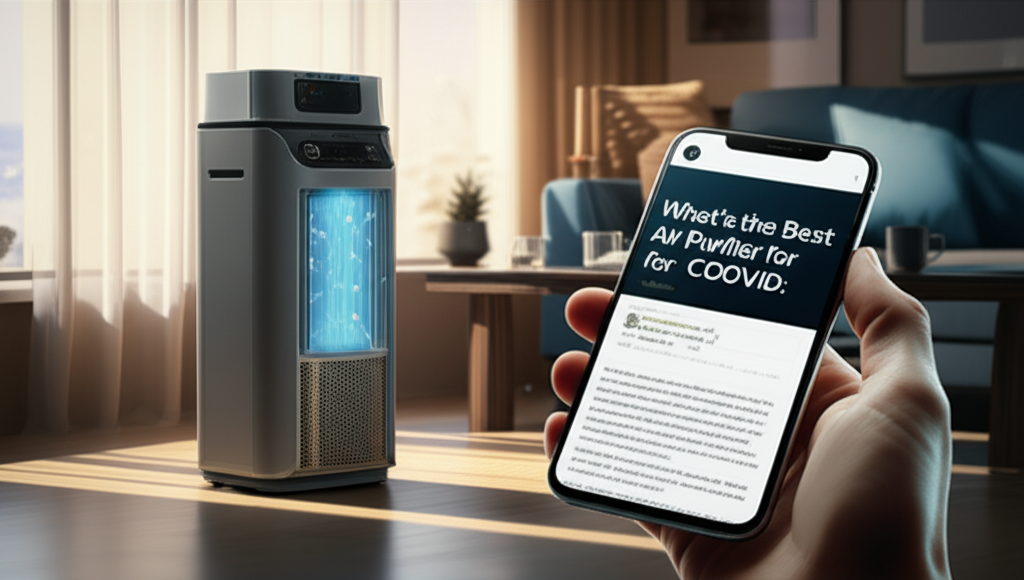
A true HEPA (High-Efficiency Particulate Air) filter is designed to capture at least 99.97% of airborne particles that are 0.3 microns in size. This is crucial because virus particles, including SARS-CoV-2 (the virus that causes COVID-19), are often found attached to larger respiratory droplets or aerosols, which fall within the size range that HEPA filters can effectively trap. Look for “True HEPA” on the packaging.
Captures Tiny Particles: HEPA filters act like a very fine sieve for the air.
Standard for Air Quality: It’s the benchmark for effective air purification.
Essential for Viruses: Catches virus-carrying droplets and aerosols.
The Importance of CADR Ratings
CADR stands for Clean Air Delivery Rate. It measures how quickly an air purifier can clean the air in a specific room size. Higher CADR numbers mean faster cleaning. For COVID-19 protection, you’ll want a CADR rating that’s appropriate for the square footage of the room where you’ll use the purifier most. This ensures the air is circulated and cleaned frequently.
Room Size Matters: Choose a purifier matched to your space.
Faster Cleaning: Higher CADR means less time for particles to circulate.
Effective Air Exchange: Ensures the air you breathe is clean more often.
Activated Carbon Filters: Tackling Odors and Gases
While HEPA filters capture particles, activated carbon filters are excellent at absorbing gases, odors, and volatile organic compounds (VOCs). COVID-19 itself doesn’t have a smell, but these filters can help remove other airborne irritants and unpleasant smells from your home. This adds another layer of air quality improvement.
Absorbs Smells: Great for cooking odors or pet smells.
Removes Gases: Helps with VOCs from cleaning products or furniture.
Complements HEPA: Works alongside particle filtration for cleaner air.
UV-C Light: An Extra Layer of Disinfection
Some air purifiers include UV-C light technology. This light is used to kill or inactivate airborne pathogens as they pass through the unit. While UV-C can be effective against viruses, its success in air purifiers depends on the intensity of the light and how long the air is exposed to it. It’s often seen as a supplementary feature.
Kills Germs: UV-C light can damage the DNA of microorganisms.
Extra Protection: Adds a germ-killing step to the purification process.
Check Effectiveness: Ensure the UV-C exposure time is sufficient.
Airflow and Noise Levels: Balancing Performance and Comfort
When selecting an air purifier, consider its noise level, especially if you plan to use it in a bedroom or living area. Most purifiers have different fan speeds, with higher speeds being louder. Look for models that offer a quiet “sleep mode” or have noise levels below 50 decibels on their lower settings. Good airflow is essential for effective purification.
Quiet Operation: Essential for bedrooms and living spaces.
Fan Speeds: Allows you to adjust performance and noise.
dB Levels: Aim for lower decibel ratings for quieter use.
How Air Purifiers Help Reduce COVID-19 Transmission Indoors
Air purifiers can help reduce the risk of COVID-19 transmission indoors by capturing virus-laden aerosols and droplets. When someone with COVID-19 coughs, sneezes, or talks, they release tiny particles into the air. A good air purifier can trap these particles before they have a chance to spread widely and be inhaled by others. This is especially important in shared indoor spaces.
The Science Behind Airborne Virus Particles
Viruses like SARS-CoV-2 can remain suspended in the air for minutes to hours, especially in poorly ventilated areas. These particles can be carried by respiratory droplets and aerosols. Air purifiers with HEPA filters are designed to capture these particles, effectively removing them from the air you breathe. This helps create a safer indoor environment by reducing the concentration of airborne virus.
Role of Ventilation and Air Purifiers Together
While air purifiers are beneficial, they work best when combined with good ventilation. Opening windows and doors to let in fresh air dilutes the concentration of any airborne contaminants, including viruses. Air purifiers then clean the air that remains indoors. Think of it as a two-pronged approach: ventilation reduces the overall load, and purification cleans what’s left.
According to the Centers for Disease Control and Prevention (CDC), improving ventilation is a key strategy for reducing the spread of infectious diseases indoors. When ventilation is limited, air cleaning devices like HEPA air purifiers become even more important. Learn more about ventilation strategies from the CDC.
Top Air Purifier Features for COVID Protection: A Checklist
When you’re shopping for an air purifier to help with COVID-19 concerns, keep this checklist handy. It highlights the most critical features to ensure you’re getting a unit that truly performs. Focusing on these elements will guide you to a smart purchase.
True HEPA Filter (H13 or higher)
Must-Have: Captures 99.97% of particles 0.3 microns and larger.
Why it Matters: Effectively traps virus-carrying droplets.
High CADR for Room Size
Essential: Matches the purifier’s cleaning power to your room’s square footage.
Recommendation: Aim for a CADR that allows 4-5 air changes per hour (ACH).
Activated Carbon Filter
Beneficial: Absorbs odors and VOCs, improving overall air freshness.
Adds Value: Contributes to a more comfortable indoor environment.
Low Noise Operation
Important: Look for models with quiet modes for sleeping or working.
Consider: Decibel levels below 50 dB on lower settings are ideal.
Filter Replacement Indicator
Convenient: Alerts you when it’s time to change filters.
Ensures Performance: Keeps the purifier working at its best.
Energy Efficiency
Cost-Saving: Look for ENERGY STAR certified models to save on electricity bills.
Sustainability: A good choice for long-term use.
How to Choose the Best Air Purifier for Your Needs
Selecting the best air purifier for COVID involves considering your specific living situation. Think about the size of the rooms you want to protect, your budget, and any specific air quality concerns you might have beyond viruses. A personalized approach ensures you get the most value.
Room Size and Placement
Measure the square footage of the room where you’ll use the air purifier. Most manufacturers specify the maximum room size their unit can effectively cover. It’s often better to get a slightly oversized unit than one that’s too small. For larger homes, you might need multiple units or one powerful central unit.
Calculate Square Footage: Length x Width = Area.
Match Purifier to Room: Select based on manufacturer recommendations.
Strategic Placement: Place in high-traffic areas or where people spend the most time.
Budget Considerations
Air purifiers range widely in price. While it might be tempting to go for the cheapest option, remember that effectiveness is key when dealing with health concerns like COVID-19. Invest in a unit with a true HEPA filter and an appropriate CADR. Factor in the ongoing cost of replacement filters.
Initial Cost: Varies by brand, features, and size.
Filter Costs: Remember to budget for recurring filter replacements.
Long-Term Value: A quality purifier is an investment in health.
Additional Features to Consider
Beyond the core features, some purifiers offer smart capabilities, air quality sensors, and child locks. Smart features allow for remote control via an app, while sensors can automatically adjust fan speed based on detected air quality. These can add convenience and improve the user experience.
Smart Controls: App integration for remote operation.
Air Quality Sensors: Automatic adjustments for optimal performance.
Child Lock: Prevents accidental changes to settings.
Understanding Air Changes Per Hour (ACH)
Air Changes Per Hour (ACH) indicates how many times the air in a room is completely replaced by filtered air within one hour. For effective virus particle removal, especially in spaces where people gather or are at higher risk, aiming for 4-5 ACH is recommended. This means the air is filtered and refreshed multiple times every hour.
High ACH is Good: More air circulation means faster removal of contaminants.
Target 4-5 ACH: This is a common recommendation for infection control.
Calculation: ACH = (CADR x 60) / Room Volume.
Comparing Top Air Purifier Brands and Models
Several brands consistently offer high-quality air purifiers with features suitable for combating airborne viruses. Researching specific models from reputable manufacturers can help you find the best fit for your home. Always check independent reviews and performance data.
Popular Brands and Their Strengths
Coway: Known for powerful filtration and sleek designs. Their Airmega line is highly regarded.
Blueair: Offers energy-efficient models with a focus on Scandinavian design and quiet operation.
Levoit: Provides affordable options with true HEPA filters, making them a popular choice for many households.
Winix: Often includes PlasmaWave technology (which can be turned off if preferred) along with HEPA and carbon filters.
Example Models and Their Capabilities
| Model | Filter Type | CADR (Smoke) | Room Size (sq ft) | Key Features |
| :————– | :—————— | :———– | :—————- | :—————————————– |
| Coway Airmega 200M | True HEPA, Carbon | 125 | 361 | Auto Mode, Air Quality Sensor |
| Blueair HealthProtect 7470i | HEPA Silent, Carbon | 230 | 380 | HEPASilent Ultra, Wi-Fi Connected |
| Levoit Core 300S | True HEPA, Carbon | 141 | 219 | Smart Control, Quiet Operation |
| Winix 5500-2 | True HEPA, Carbon | 243 | 360 | PlasmaWave, Odor Control |
Note: CADR and room size recommendations can vary. Always check the manufacturer’s specifications for the most accurate information.
Maintaining Your Air Purifier for Peak Performance
To ensure your air purifier continues to effectively clean your air and protect against viruses, regular maintenance is essential. This primarily involves cleaning and replacing the filters as recommended by the manufacturer. Neglecting maintenance can significantly reduce the unit’s effectiveness.
Filter Replacement Schedule
Most manufacturers recommend replacing HEPA and carbon filters every 6 to 12 months, depending on usage and air quality. Some units have indicators to remind you. Always use genuine replacement filters from the manufacturer to ensure optimal performance and fit. Using off-brand filters can compromise filtration efficiency.
Check Manual: Follow the manufacturer’s recommended schedule.
Genuine Filters: Use only authentic replacement parts.
Track Usage: Note when filters were last replaced.
Cleaning the Exterior and Pre-filters
Many air purifiers have a washable pre-filter that captures larger particles like dust and pet hair. Cleaning this pre-filter regularly (e.g., every 2-4 weeks) can extend the life of the main HEPA filter. Simply vacuum the pre-filter or rinse it with water and let it dry completely before reinserting. Also, wipe down the exterior of the unit periodically.
Washable Pre-filter: Captures larger debris.
Regular Cleaning: Improves airflow and filter longevity.
* Wipe Down: Keep the unit itself clean and dust-free.
Frequently Asked Questions About Air Purifiers and COVID
Can an air purifier completely stop COVID-19?
No, an air purifier cannot completely stop COVID-19. It is a tool to help reduce the concentration of virus particles in the air, making the environment safer. It should be used alongside other preventive measures like vaccination, mask-wearing, and good ventilation.
How close should I place an air purifier to people?
Place the air purifier in a location where it can draw air from the room effectively. It doesn’t need to be right next to people, but rather in a central spot within the room where air circulates well. Avoid placing it directly against a wall or furniture that could block airflow.
Do air purifiers with ionizers or ozone generators pose a risk?
Some air purifiers use ionizers or ozone generators. While they can help remove particles, they can also produce ozone, which is a lung irritant. If you have respiratory sensitivities or are concerned about ozone, choose a purifier that uses only HEPA and activated carbon filters or allows you to turn off these additional features.
How do I know if my air purifier is working effectively?
You can tell if your air purifier is working by noticing improved air quality, fewer odors, and less dust. Many models have indicator lights or sensors that show the current air quality. Regularly checking and replacing filters is crucial for maintaining effectiveness.
Is it worth getting an air purifier specifically for COVID-19?
Yes, it can be a valuable addition to your home’s health strategy. By effectively filtering out virus-carrying particles, an air purifier can help create a safer indoor environment, especially in shared spaces or when ventilation is limited. It’s an investment in overall indoor air quality.
Conclusion: Making the Smart Choice for Cleaner Air
When looking for whats the best air purifier for COVID, prioritize models with true HEPA filters and appropriate CADR ratings for your space. These are the most critical features for capturing tiny virus particles. By understanding the technology behind air purifiers and considering your home’s specific needs, you can confidently choose a unit that enhances your indoor air quality and provides an extra layer of protection for your family. Investing in a quality air purifier is a proactive step towards a healthier living environment.
