
What Type of Air Purifier Is Good for Asthma: Essential Guide

Choosing the right air purifier for asthma is crucial. HEPA filters are essential for trapping allergens like dust, pollen, and pet dander. Look for models with activated carbon filters to remove odors and VOCs. Size matters: pick a unit rated for your room size. Consider noise levels and energy efficiency for daily use.
What type of air purifier is good for asthma? It’s a question many people ask when asthma symptoms flare up. Living with asthma means being extra careful about the air you breathe. Tiny particles in the air can trigger uncomfortable symptoms. An air purifier can help make your home a safer haven. This guide will walk you through what to look for. We’ll explore the best types of air purifiers for asthma sufferers.
Why Air Purifiers Matter for Asthma
Air purifiers clean the air inside your home. They remove small particles that can irritate your lungs. For people with asthma, these particles are a big concern. Things like dust mites, pollen, pet dander, and mold spores can all cause asthma attacks. A good air purifier acts like a filter for your breathing space. It can significantly reduce these triggers.
A cleaner indoor environment can lead to fewer asthma symptoms. This means less coughing, wheezing, and shortness of breath. You might also find you need your rescue inhaler less often.
Understanding Asthma Triggers in Your Home
Your home can contain many things that worsen asthma. Dust is a common culprit, especially dust mites. Pets, even if you love them, shed dander that floats in the air. Pollen can sneak in from outside on shoes and clothes. Mold can grow in damp areas and release spores. Even strong smells from cleaning products or cooking can be problematic.
Identifying these triggers is the first step. An air purifier can then help manage them. It works by drawing in air and passing it through various filters. These filters trap the unwanted particles.
The Power of HEPA Filters for Asthma
When we talk about air purifiers for asthma, HEPA filters are key. HEPA stands for High-Efficiency Particulate Air. These filters are designed to capture at least 99.97% of airborne particles. This includes particles as small as 0.3 microns. Think of things like dust, pollen, pet dander, and mold spores.
HEPA filters are like a super-fine sieve for the air. They physically trap these allergens. This makes them incredibly effective for asthma. Many health organizations recommend HEPA filters for improving indoor air quality.
Beyond HEPA: Activated Carbon Filters
While HEPA filters tackle solid particles, activated carbon filters handle gases and odors. Activated carbon is charcoal that has been treated to be very porous. This means it has millions of tiny holes. These holes trap volatile organic compounds (VOCs) and smells.
VOCs come from things like paints, cleaning supplies, and air fresheners. They can irritate the lungs and trigger asthma. Activated carbon filters can remove these harmful gases. Many air purifiers combine HEPA and activated carbon filters. This offers a more complete air cleaning solution.
Choosing the Right Size Air Purifier
Air purifiers come in different sizes. It’s important to pick one that fits your room. A small purifier in a large room won’t be effective. Conversely, a huge purifier in a tiny room might be overkill.
Look for the Clean Air Delivery Rate (CADR). This rating tells you how quickly the purifier cleans the air. Higher CADR numbers mean faster cleaning. Manufacturers usually state the square footage a unit can cover. Always aim for a purifier that can handle a room slightly larger than yours. This ensures it works efficiently.
A common recommendation is to choose a unit rated for 1.5 to 2 times the square footage of your room. This provides an extra buffer for effectiveness.
Key Features to Look For in an Asthma Air Purifier
Beyond filters and size, other features are important. Look for an air purifier with multiple fan speeds. This lets you adjust the cleaning power. A quiet mode is great for bedrooms at night. Some models have an air quality sensor. This sensor detects pollution levels and adjusts the fan speed automatically.
A filter replacement indicator is also useful. It tells you when it’s time to change the filters. This ensures the purifier always works at its best. Consider the energy efficiency of the unit as well.
Air Purifier Types: Which is Best?
There are several types of air purifiers. We’ve focused on HEPA and activated carbon, which are standard. Some purifiers use UV-C light. This light can kill germs and viruses. However, it may not be as effective against typical asthma allergens.
Ozone generators are another type. These devices intentionally produce ozone. Ozone can be harmful to your lungs, especially for people with asthma. It’s best to avoid ozone-generating air purifiers. Stick with HEPA and activated carbon for asthma relief.
Brands and Models: What Works Well?
Many reputable brands offer excellent air purifiers for asthma. Brands like Coway, Blueair, Levoit, and Winix are often recommended. They offer models with true HEPA filters and activated carbon. For example, the Coway Airmega 200M is a popular choice for medium to large rooms. It features a true HEPA filter and a washable pre-filter.
Levoit’s Core 300S is a good option for smaller spaces. It also uses a three-stage filtration system. Always check reviews and specifications to match a model to your needs.
Setting Up and Maintaining Your Air Purifier
Once you have your air purifier, proper setup is important. Place it in the room where you spend the most time. This is often the bedroom or living room. Ensure it has space around it to draw in air freely. Avoid placing it directly against walls or furniture.
Regular maintenance is crucial for effectiveness. This includes cleaning or replacing filters as recommended by the manufacturer. A dirty filter can’t clean the air well. It might even become a source of allergens itself.
Air Purifier Performance Comparison for Asthma
| Feature | HEPA Filter | Activated Carbon Filter | UV-C Light | Ozone Generator |
| :————— | :——————– | :———————- | :————– | :————– |
| Particle Removal | Excellent (≥99.97%) | Poor | Poor | Poor |
| Gas/Odor Removal | Poor | Excellent | Poor | Moderate |
| Germ/Virus Killing | Limited | Limited | Good | Moderate |
| Asthma Safety | Highly Recommended | Recommended | Generally Safe | Not Recommended |
| Potential Risk | None | None | Minimal | Lung Irritation |
This table shows why HEPA and activated carbon filters are the best for asthma. They target the most common asthma triggers safely.
Expert Insights on Air Purification for Asthma
“For individuals with asthma, indoor air quality is paramount,” states Dr. Anya Sharma, a pulmonologist at City General Hospital. “Air purifiers equipped with true HEPA filters are a vital tool in reducing exposure to allergens like dust mites and pollen, which are common asthma triggers. Regular filter maintenance is non-negotiable for optimal performance.”
Many allergy and asthma foundations recommend using air purifiers with HEPA filters. For instance, the Asthma and Allergy Foundation of America (AAFA) provides guidance on improving indoor air. They emphasize the importance of filtration for reducing airborne irritants.
Frequently Asked Questions About Air Purifiers for Asthma
What is the most important filter for asthma?
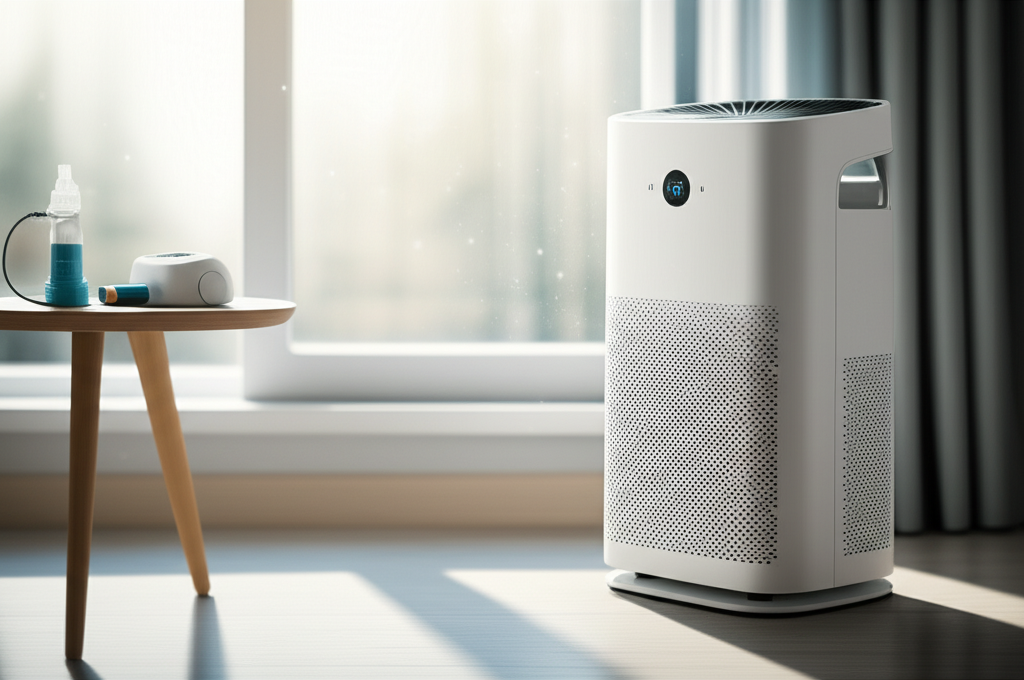
The most important filter for asthma is a true HEPA filter. It captures at least 99.97% of tiny particles like dust, pollen, and dander that trigger asthma.
How often should I change the filters?
You should change filters based on the manufacturer’s instructions. This is usually every 6-12 months for HEPA filters. Activated carbon filters may need changing more often.
Can air purifiers make asthma worse?
Some air purifiers, like ozone generators, can make asthma worse. They release ozone, which irritates the lungs. Always choose purifiers without ozone.
Do air purifiers help with pet allergies and asthma?
Yes, air purifiers with HEPA filters are very helpful for pet allergies and asthma. They trap pet dander, which is a common allergen.
Should I run my air purifier all day?
It’s best to run your air purifier as much as possible, especially in rooms where you spend a lot of time. Continuous use helps maintain cleaner air.
Are expensive air purifiers better for asthma?
Not always. While some premium models offer advanced features, many affordable units with true HEPA filters work very well for asthma. Focus on the filter type and room coverage.
Conclusion: Breathe Easier with the Right Air Purifier
Choosing what type of air purifier is good for asthma involves understanding your needs. A unit with a true HEPA filter is essential. It effectively captures the allergens that can trigger your asthma symptoms. Adding an activated carbon filter helps with odors and gases. Make sure the air purifier is the right size for your room. Pay attention to features like noise level and filter indicators. By selecting the right air purifier, you can significantly improve your indoor air quality. This leads to fewer asthma flare-ups and a more comfortable home environment. Start breathing easier today.
