
Top Rated Air Purifiers For Dust: Proven Clean Air

Breathe easier with our guide to the top rated air purifiers for dust. We explore proven solutions to capture airborne allergens and dust particles, ensuring your home environment is cleaner and healthier. Find the best models to achieve proven clean air.
Dust is more than just an eyesore; it’s a common irritant that can affect your health and comfort. Tiny particles float in the air, settling on surfaces and triggering allergies or asthma symptoms for many people. If you’re tired of sneezing, coughing, or dealing with constant dust buildup, you’re not alone. Thankfully, the right air purifier can make a significant difference. We’ll guide you through choosing the best models that offer proven clean air for your home.
Why Dust in Your Home Matters
Dust particles are tiny. They can include skin flakes, fabric fibers, pet dander, and even small insects. These particles easily become airborne and can be inhaled. For individuals with allergies or respiratory issues, this can lead to uncomfortable symptoms like itchy eyes, runny noses, and breathing difficulties. Even without allergies, excessive dust can make your home feel less clean and inviting.
> “Dust is a complex mixture of particles, including allergens like pollen, mold spores, and pet dander, which can significantly impact indoor air quality and human health.” – Environmental Protection Agency (EPA)
Common Sources of Household Dust
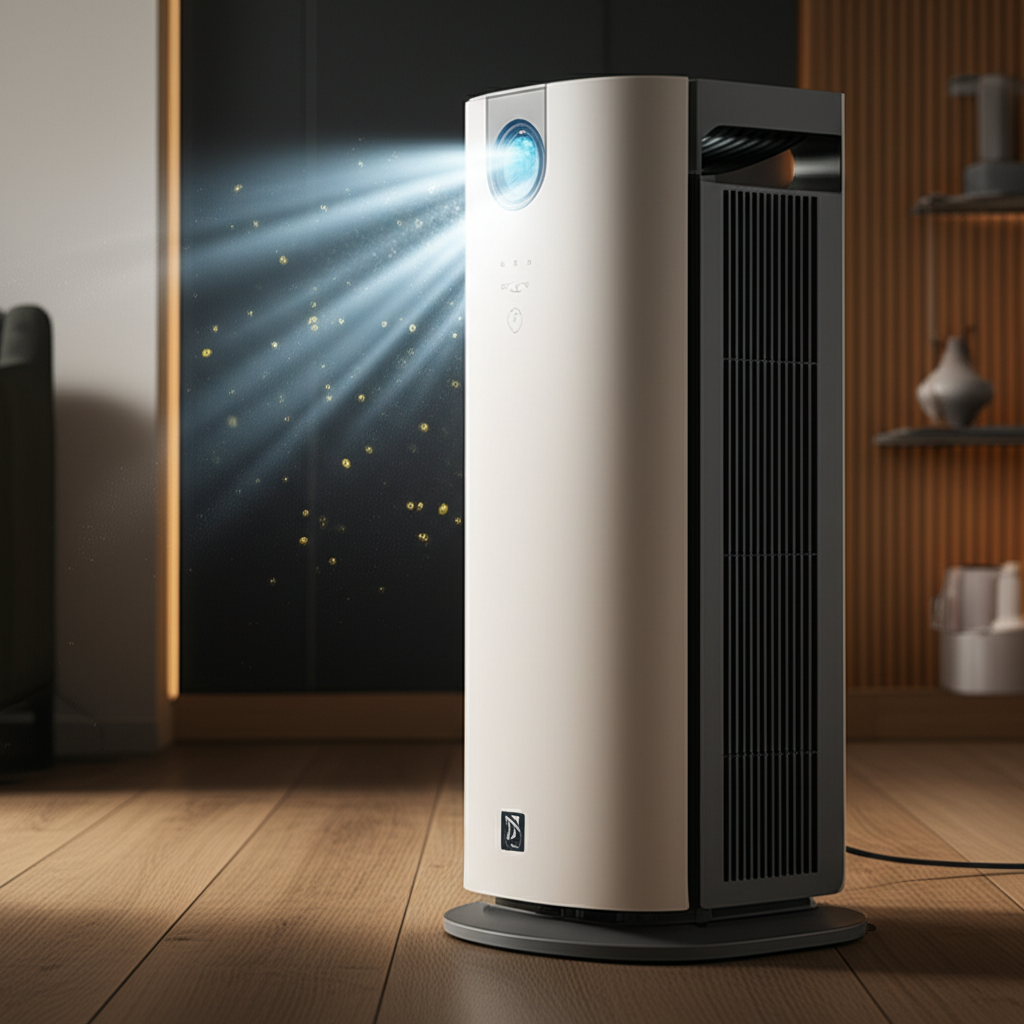
Understanding where dust comes from helps in controlling it. Dust accumulates from many everyday activities and items within your home. Identifying these sources is the first step to reducing them.
Outdoor sources: Pollen and soil can enter your home through open windows, doors, and even on your clothes.
Indoor sources: Skin cells shed by people and pets are a major component of household dust.
Fabric and fibers: Upholstered furniture, carpets, and curtains release tiny fibers into the air over time.
Pests: Tiny remnants from dust mites and other common household pests can contribute to dust.
How Air Purifiers Tackle Dust
Air purifiers work by drawing in the air from a room. They then pass this air through a series of filters. These filters are designed to trap various particles, including dust. The cleaned air is then released back into the room. This continuous cycle helps reduce the amount of dust and other airborne irritants in your living space.
The Role of HEPA Filters
High-Efficiency Particulate Air (HEPA) filters are the gold standard for capturing fine particles. A true HEPA filter can trap at least 99.97% of airborne particles that are 0.3 microns in size. This includes most dust particles, pollen, mold spores, and pet dander. Many of the top rated air purifiers for dust rely heavily on HEPA filtration.
> “HEPA filters are highly effective at removing airborne particles, including allergens and dust, contributing to improved indoor air quality.” – American Lung Association
Beyond HEPA: Other Filtration Technologies
While HEPA filters are crucial for dust removal, some air purifiers include additional technologies. These can enhance their effectiveness against other pollutants. Activated carbon filters, for example, are excellent at removing odors and gases. Some units also use UV-C light to kill germs, though this is less relevant for dust itself.
Key Features to Look For in Dust-Focused Air Purifiers
When choosing an air purifier specifically for dust, certain features are more important than others. Focusing on these will help you find a model that truly delivers proven clean air. Think about the size of your room and how much noise the purifier makes.
Room Size and CADR Rating
The Clean Air Delivery Rate (CADR) measures how quickly an air purifier can clean a room. It’s rated for dust, pollen, and smoke. A higher CADR means faster air cleaning. You should match the purifier’s CADR to the size of your room. For example, a purifier with a dust CADR of 200 is suitable for a medium-sized room.
Noise Levels (dB)
Air purifiers have fans that make noise. This is often measured in decibels (dB). A lower dB rating means a quieter operation. This is especially important if you plan to use the purifier in a bedroom or living area where noise can be disruptive. Many units have a “sleep mode” for quieter operation at night.
Filter Replacement Costs and Frequency
Air purifiers require regular filter replacements to maintain their effectiveness. This is an ongoing cost to consider. Check how often filters need to be replaced and their price. Some manufacturers offer longer-lasting filters, which can save money in the long run.
Energy Efficiency
An air purifier runs for many hours a day, so energy consumption is a factor. Look for models with the ENERGY STAR certification. This means they meet strict energy efficiency guidelines set by the U.S. Environmental Protection Agency. These models can help you save on your electricity bills.
Top Rated Air Purifiers for Dust: Our Picks
After reviewing many models and considering expert recommendations, here are some of the top rated air purifiers for dust that offer proven clean air. We’ve focused on units with excellent HEPA filtration and strong performance for dust removal.
Levoit Core 300S Smart True HEPA Air Purifier
This is a popular choice for its balance of performance and features. The Levoit Core 300S uses a 3-stage filtration system, including a True HEPA filter. It’s suitable for small to medium rooms and offers smart features like app control.
Filtration: Pre-filter, True HEPA filter, activated carbon filter.
Room Size: Best for rooms up to 219 sq. ft.
Noise Level: As low as 22dB on sleep mode.
Key Benefit: Quiet operation and smart connectivity.
Coway Airmega 200M
The Coway Airmega 200M is known for its robust performance and durable design. It features a multi-stage filtration system, including a True HEPA filter. This model is effective in larger rooms and has an auto mode that adjusts fan speed based on air quality.
Filtration: Pre-filter, deodorization filter, True HEPA filter.
Room Size: Covers up to 361 sq. ft.
Noise Level: Starts around 45dB on low.
Key Benefit: Excellent coverage for medium to large spaces.
Blueair Blue Pure 411 Auto
Blueair purifiers are recognized for their sleek design and efficient filtration. The Blue Pure 411 Auto uses a combination of mechanical and electrostatic filtration. It’s very effective at capturing dust and allergens in smaller rooms.
Filtration: Combination filter (HEPASilent™ technology).
Room Size: Ideal for rooms up to 161 sq. ft.
Noise Level: 17dB on low.
Key Benefit: Extremely quiet and energy-efficient.
Comparing Top Air Purifiers for Dust
To help you make an informed decision, here’s a quick comparison of some of the top rated air purifiers for dust. This table highlights key features relevant to dust removal and general usability.
| Feature | Levoit Core 300S | Coway Airmega 200M | Blueair Blue Pure 411 Auto |
| :—————- | :————————————- | :————————————– | :————————————- |
| Filter Type | True HEPA, Activated Carbon | True HEPA, Deodorization | Combination (HEPASilent™) |
| Max Room Size | 219 sq. ft. | 361 sq. ft. | 161 sq. ft. |
| CADR (Dust) | ~141 CFM (approx.) | ~140 CFM (approx.) | ~105 CFM (approx.) |
| Noise Level | 22dB – 50dB | 45dB – 63dB | 17dB – 46dB |
| Smart Features| Yes (App control, voice assistant) | No | No |
| Filter Life | 6-8 months | 1 year (HEPA), 2 years (Carbon) | 6 months |
Note: CADR ratings can vary slightly based on testing methodology and specific model configurations.
Understanding CADR in Detail
CADR is a vital metric for air purifiers. It’s measured in cubic feet per minute (CFM). A higher CFM means the purifier can process more air. The Association of Home Appliance Manufacturers (AHAM) verifies CADR ratings. For dust, a good CADR rating ensures that dust particles are quickly removed from the air.
Tips for Maximizing Dust Removal with Your Air Purifier
An air purifier is a powerful tool, but it works best when used correctly. Simple habits can enhance its effectiveness in keeping your home dust-free. Consistent use is key to achieving proven clean air.
Placement is Key
Position your air purifier in the room where you spend the most time. This is often the bedroom or living room. Ensure there’s at least a foot of clear space around the unit. This allows for optimal air intake and circulation. Avoid placing it behind furniture or curtains.
Regular Filter Maintenance
Always follow the manufacturer’s recommendations for filter replacement. A clogged filter cannot capture dust effectively. It can also strain the motor, reducing efficiency. Some units have indicators to remind you when it’s time to change the filters.
Combine with Other Cleaning Habits
Air purifiers are not a substitute for regular cleaning. Continue to vacuum carpets and clean surfaces frequently. Using a damp cloth for dusting can help trap particles instead of scattering them. Vacuuming with a HEPA filter can also prevent dust from becoming airborne.
Who Benefits Most from Air Purifiers for Dust?
Anyone can benefit from cleaner air, but certain groups see more significant improvements. If you experience specific symptoms or have particular concerns, an air purifier can be a game-changer. It’s a proactive step towards a healthier living space.
Allergy and Asthma Sufferers
People with allergies or asthma are particularly sensitive to dust. Airborne dust particles can trigger symptoms like sneezing, wheezing, and shortness of breath. An air purifier can significantly reduce these triggers, leading to fewer flare-ups and better overall respiratory health.
Pet Owners
Pets are a major source of dander, which is a common allergen and component of dust. An air purifier with a good HEPA filter can capture pet dander, hair, and odors. This makes homes with pets much more comfortable for owners and visitors.
Urban Dwellers and Those Near Busy Roads
Homes in urban areas or near busy roads often experience higher levels of outdoor pollutants entering the home. This can include dust, soot, and other fine particles. An air purifier helps to mitigate these external sources of indoor dust.
Frequently Asked Questions About Air Purifiers and Dust
Q1: How often should I run my air purifier for dust?
You should run your air purifier as much as possible, especially when you are home. Continuous operation, particularly in bedrooms, helps maintain the lowest possible dust levels.
Q2: Can an air purifier eliminate all dust?
No air purifier can eliminate all dust. Dust is constantly generated and settles. However, top rated air purifiers for dust can significantly reduce the amount of airborne dust, making a noticeable difference.
Q3: How do I know if my air purifier is working effectively for dust?
You’ll notice less visible dust settling on surfaces. If you have allergies, you may experience fewer symptoms. Many purifiers have air quality indicators that show improvements.
Q4: Are air purifiers noisy?
Noise levels vary by model. Many purifiers offer quiet or sleep modes, with decibel ratings as low as 20dB, which is barely audible. Always check the specifications for noise levels.
Q5: How often do I need to replace the HEPA filter?
HEPA filter replacement frequency typically ranges from 6 to 12 months. This depends on usage and the specific model’s recommendations. Always check your purifier’s manual.
Q6: Can an air purifier help with dust mites?
Yes, air purifiers can help by capturing dust mite allergens, which are microscopic particles shed by dust mites. While they don’t kill mites, they reduce the allergens in the air.
Conclusion: Proven Clean Air for Your Home
Living with excessive dust can be frustrating and impact your well-being. Fortunately, investing in one of the top rated air purifiers for dust is a proven way to achieve cleaner, healthier air in your home. By understanding what to look for – especially effective HEPA filtration, appropriate room coverage, and quiet operation – you can select a unit that fits your needs perfectly. Make the change today and breathe easier knowing you’re enjoying proven clean air.
If you found this guide helpful, consider subscribing to HomeHygia for more expert advice on creating a healthier living environment.
