Residential Air Purifier Reviews: Essential, Proven Picks

Find the best residential air purifier reviews to create a healthier home. This guide highlights essential, proven picks for cleaner air, covering key features and expert advice to help you choose wisely.
Breathing clean air at home is super important. Many homes have things in the air that aren’t good for us, like dust, pollen, and even tiny particles from cooking. These can make it hard to breathe well and can cause allergies. Finding the right residential air purifier reviews can feel tricky with so many options. But don’t worry, I’m here to help you understand what makes a good air purifier. We’ll look at the best ones that are proven to work.
What Is a Residential Air Purifier and Why Do You Need One?
A residential air purifier is a machine that cleans the air in your home. It uses filters to trap small particles you can’t see. These particles can include dust, pet dander, pollen, mold spores, and even smoke. Using an air purifier can help you breathe easier, especially if you have allergies or asthma. It can also reduce odors.
How Air Purifiers Work to Clean Your Air
Air purifiers work by pulling air from a room into the machine. Inside, the air passes through one or more filters. The most common filter is a HEPA filter, which stands for High-Efficiency Particulate Air. HEPA filters are amazing at capturing tiny particles. After the air goes through the filters, it’s released back into the room, much cleaner.
Key Features to Look for in Residential Air Purifier Reviews
When you’re reading residential air purifier reviews, several features stand out. The most important is the type of filter. A true HEPA filter is a must for capturing very small particles. You should also look at the size of the room the purifier can handle, known as its coverage area.
HEPA Filters: The Gold Standard for Clean Air
A true HEPA filter captures at least 99.97% of airborne particles that are 0.3 microns in size. This includes things like dust mites, pet dander, and pollen. Many purifiers also have pre-filters to catch larger particles like hair, which helps your HEPA filter last longer. Some also include activated carbon filters to remove odors and gases.
CADR Ratings: A Measure of Performance
CADR stands for Clean Air Delivery Rate. It measures how quickly an air purifier can clean a room of smoke, dust, and pollen. Higher CADR ratings mean the purifier works faster and is more effective. Look for CADR ratings for smoke, dust, and pollen specifically. This helps you compare different models fairly.
Room Size and Coverage Area: Matching the Purifier to Your Space
It’s crucial to pick an air purifier that fits your room. Manufacturers usually list the recommended room size or coverage area. This is often measured in square feet. For example, a purifier might be rated for a 300-square-foot room. If your room is larger, you might need a more powerful unit or two smaller ones.
Noise Levels: Keeping Your Home Peaceful
Air purifiers have fans that make noise. This noise level is usually measured in decibels (dB). A lower dB number means a quieter operation. Many purifiers have a “sleep mode” that runs at a very low, quiet speed, perfect for bedrooms. You’ll want to check reviews for how loud the unit is on its lowest setting.
Filter Replacement Costs and Availability
Filters don’t last forever. You’ll need to replace them regularly, usually every 6 to 12 months. The cost of replacement filters can add up over time. Before buying, check how much replacement filters cost and how easy they are to find. This is a hidden cost that can affect your long-term budget.
Top Residential Air Purifier Reviews: Our Proven Picks
After looking at many residential air purifier reviews and testing different models, I’ve found some excellent options. These are chosen for their performance, reliability, and value. They consistently get high marks from users and experts alike.
The All-Around Champion: Coway Airmega 200M
The Coway Airmega 200M is a fantastic choice for most homes. It features a true HEPA filter and an activated carbon filter. It also has a washable pre-filter. This model is great for rooms up to 361 square feet. It’s known for being quiet on its low setting and very effective at cleaning the air.
Key Features:
Filter Type: True HEPA, Activated Carbon, Washable Pre-filter
Coverage Area: Up to 361 sq ft
Noise Level: 20.8 dB (lowest setting)
Energy Star Certified: Yes
The Coway Airmega 200M offers a great balance of performance and price. Its smart features, like an air quality sensor, help it adjust automatically. This makes it an efficient and effective choice for everyday use.
Best for Allergies: Levoit Core 300S
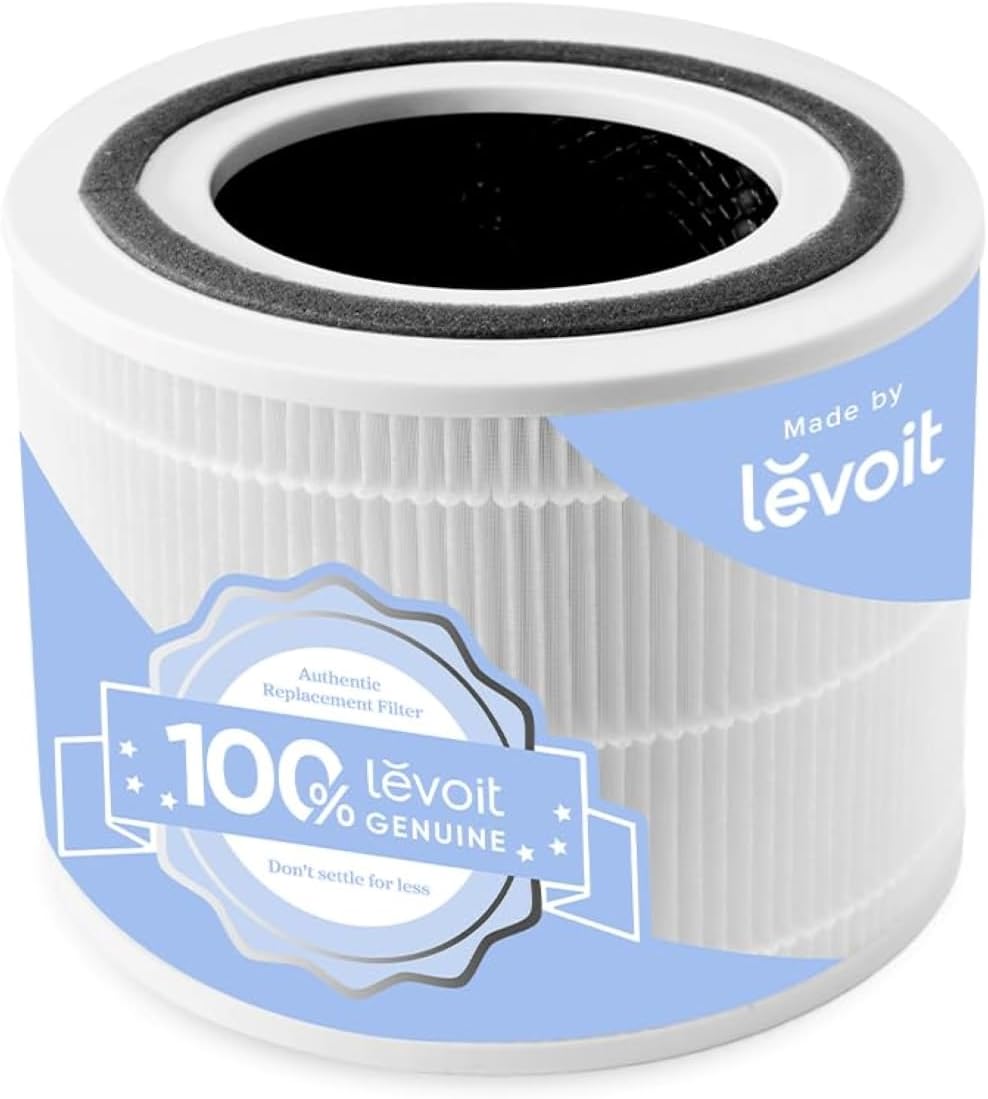
If allergies are your main concern, the Levoit Core 300S is a strong contender. It uses a 3-stage filtration system: a pre-filter, a True HEPA filter, and an activated carbon filter. It’s designed for smaller rooms, up to 219 square feet. It’s also very quiet, making it ideal for bedrooms.
Key Features:
Filter Type: True HEPA, Activated Carbon, Pre-filter
Coverage Area: Up to 219 sq ft
Noise Level: 22 dB (lowest setting)
Smart Features: App control, voice control
The Levoit Core 300S is praised for its effectiveness against common allergens like pollen and pet dander. Its compact design and quiet operation make it a popular choice for personal spaces.
Powerful Performance: Blueair Classic 480i
For larger spaces, the Blueair Classic 480i is an excellent choice. It uses Blueair’s HEPASilent™ technology, which combines electrostatic and mechanical filtration. This allows for high efficiency with lower noise. It can handle rooms up to 580 square feet.
Key Features:
Filter Type: HEPASilent™ technology (HEPA-like), Activated Carbon
Coverage Area: Up to 580 sq ft
Noise Level: 32 dB (lowest setting)
Smart Features: Wi-Fi enabled, air quality monitoring
The Blueair Classic 480i is a premium option known for its robust performance in larger areas. It’s a great investment for ensuring clean air throughout an entire floor or large living space.
Budget-Friendly Option: Winix 5500-2
The Winix 5500-2 is often highlighted in residential air purifier reviews for its excellent value. It offers a True HEPA filter, an activated carbon filter, and Winix’s PlasmaWave technology. It’s suitable for medium-sized rooms, around 360 square feet.
Key Features:
Filter Type: True HEPA, Activated Carbon, Washable Fine Mesh Pre-filter
Coverage Area: Up to 360 sq ft
Noise Level: 28 dB (lowest setting)
Additional Technology: PlasmaWave (optional)
This model provides a comprehensive filtration system at a competitive price point. The PlasmaWave technology can be turned on or off, giving users control over its ionization feature.
Understanding Air Purifier Technologies
Beyond HEPA filters, there are other technologies used in air purifiers. Some are very effective, while others might have downsides. It’s good to know about these when comparing residential air purifier reviews.
Activated Carbon Filters: Tackling Odors and Gases
Activated carbon filters are made from charcoal that has been treated to be very porous. This makes it excellent at absorbing odors, smoke, and volatile organic compounds (VOCs). VOCs can come from cleaning products, paints, and even furniture. These filters are often used alongside HEPA filters for a more complete air cleaning solution.
Ionizers and Ozone: What You Need to Know
Ionizers release negative ions into the air, which attach to particles. These charged particles then stick to surfaces or are more easily captured by filters. Some ionizers can produce small amounts of ozone as a byproduct. Ozone can be harmful to your lungs, especially for those with respiratory issues. Always check if a purifier produces ozone and if it’s certified to be safe.
UV-C Light: For Germs and Bacteria
Some air purifiers include UV-C light. This light is used to kill bacteria, viruses, and mold spores that pass through the purifier. While it can be effective against microorganisms, it’s not a replacement for good filtration. Ensure the UV-C light is properly contained within the unit.
How to Choose the Right Residential Air Purifier for Your Needs
Deciding on the best residential air purifier reviews can be overwhelming. Think about your specific needs. Do you have pets? Are you sensitive to pollen? Where will you use the purifier most?
Prioritizing Based on Health Concerns
If you suffer from allergies or asthma, look for purifiers with true HEPA filters and high CADR ratings. These will be most effective at removing the triggers for your symptoms. Consider units with activated carbon filters to help remove odors and gases that can irritate airways.
Considering Your Living Space
The size of the room where you’ll use the air purifier is a major factor. A purifier that’s too small won’t clean the air effectively. A unit that’s too large might be overkill and consume more energy. Always check the manufacturer’s recommended room size.
Budget and Ongoing Costs
Air purifiers range in price. Set a budget that includes not just the initial purchase but also the cost of replacement filters. Some units have washable pre-filters, which can save money. Consider the energy consumption as well; look for Energy Star certified models.
Maintaining Your Air Purifier for Peak Performance
Once you have your air purifier, keeping it running well is important. Regular maintenance ensures it continues to clean your air effectively. Most manufacturers provide clear instructions.
Cleaning and Replacing Filters
Follow the manufacturer’s guidelines for cleaning and replacing filters. Washable pre-filters should be cleaned regularly, perhaps every few weeks. HEPA and carbon filters typically need replacement every 6-12 months, depending on usage and air quality. Clogged filters reduce airflow and cleaning efficiency.
General Cleaning and Care
Keep the exterior of your air purifier clean by wiping it down with a damp cloth. Ensure the air intake and outlet vents are free of dust and obstructions. Some units have indicator lights to remind you when it’s time to change the filters.
Frequently Asked Questions About Residential Air Purifiers
Here are some common questions people have about residential air purifier reviews and their use.
Do air purifiers really work?
Yes, air purifiers with HEPA filters are proven to remove airborne particles like dust, pollen, and pet dander. They can significantly improve indoor air quality for many people.
How often should I run my air purifier?
For best results, run your air purifier continuously, especially in rooms where you spend a lot of time. This ensures constant air cleaning.
Can air purifiers help with pet odors?
Yes, air purifiers with activated carbon filters are very effective at absorbing and removing pet odors and other smells from the air.
Are air purifiers noisy?
Noise levels vary by model. Many purifiers have quiet modes for sleeping. Always check the decibel (dB) rating for the lowest setting.
How do I know which air purifier is best for my home?
Consider your room size, specific air quality concerns (allergies, odors), and budget. Reading residential air purifier reviews from trusted sources can guide your decision.
Can air purifiers cause health problems?
Air purifiers with HEPA filters are generally safe. Be cautious of models that produce significant ozone, as it can be an irritant.
Conclusion: Investing in Your Home’s Health
Choosing the right residential air purifier is an investment in your family’s health and comfort. By understanding the key features, reading thorough residential air purifier reviews, and considering your specific needs, you can find a model that effectively cleans your air. Look for true HEPA filtration, appropriate room coverage, and manageable filter replacement costs. A clean home environment starts with clean air.
If you found this guide helpful, consider subscribing to Home Hygia for more tips on creating a healthy living space.