Ozone Generator Kill Mold: Proven Essential Solution

An ozone generator is a proven essential solution to kill mold effectively. It releases ozone gas, a powerful oxidizer, to break down mold spores and eliminate odors, making your home healthier and safer. Learn how this technology works and why it’s a vital tool for mold remediation.
Dealing with mold in your home can be a serious concern. It not only looks unsightly but can also impact your health. You might be searching for effective ways to get rid of it for good. Fortunately, there’s a powerful tool that can help: an ozone generator. This article will guide you through how an ozone generator kills mold, making your living space clean and healthy again. We’ll cover everything you need to know to use it safely and effectively.
How Does an Ozone Generator Kill Mold?
An ozone generator kills mold by producing ozone (O₃). Ozone is a gas made of three oxygen atoms. It’s a very unstable molecule. This instability makes it a powerful oxidizer. When ozone encounters mold spores, it attacks their cell walls. This process breaks down the mold’s structure. It effectively destroys the mold and its ability to grow.
The Science Behind Ozone’s Mold-Killing Power
Ozone works through oxidation. This means it steals electrons from other molecules. When ozone contacts mold, it oxidizes the mold’s organic matter. This damages its cell membranes and internal components. The mold can no longer survive or reproduce. This chemical reaction also neutralizes the musty odors associated with mold growth.
Why Choose an Ozone Generator for Mold Remediation?
Ozone generators offer a unique advantage in tackling mold. They can reach areas that are hard to clean. This includes nooks, crannies, and inside porous materials. Unlike some cleaning products, ozone gas penetrates deeply. This ensures a more thorough mold elimination. It’s a powerful way to deal with stubborn mold problems.
Effectiveness Against Various Mold Types
Ozone generators are effective against many types of mold. This includes common household molds like Aspergillus and Penicillium. It also works on more dangerous molds like Stachybotrys chartarum (black mold). The gas reaches spores wherever they hide, disrupting their life cycle. This makes it a versatile solution for different mold infestations.
Understanding Ozone Generator Operation
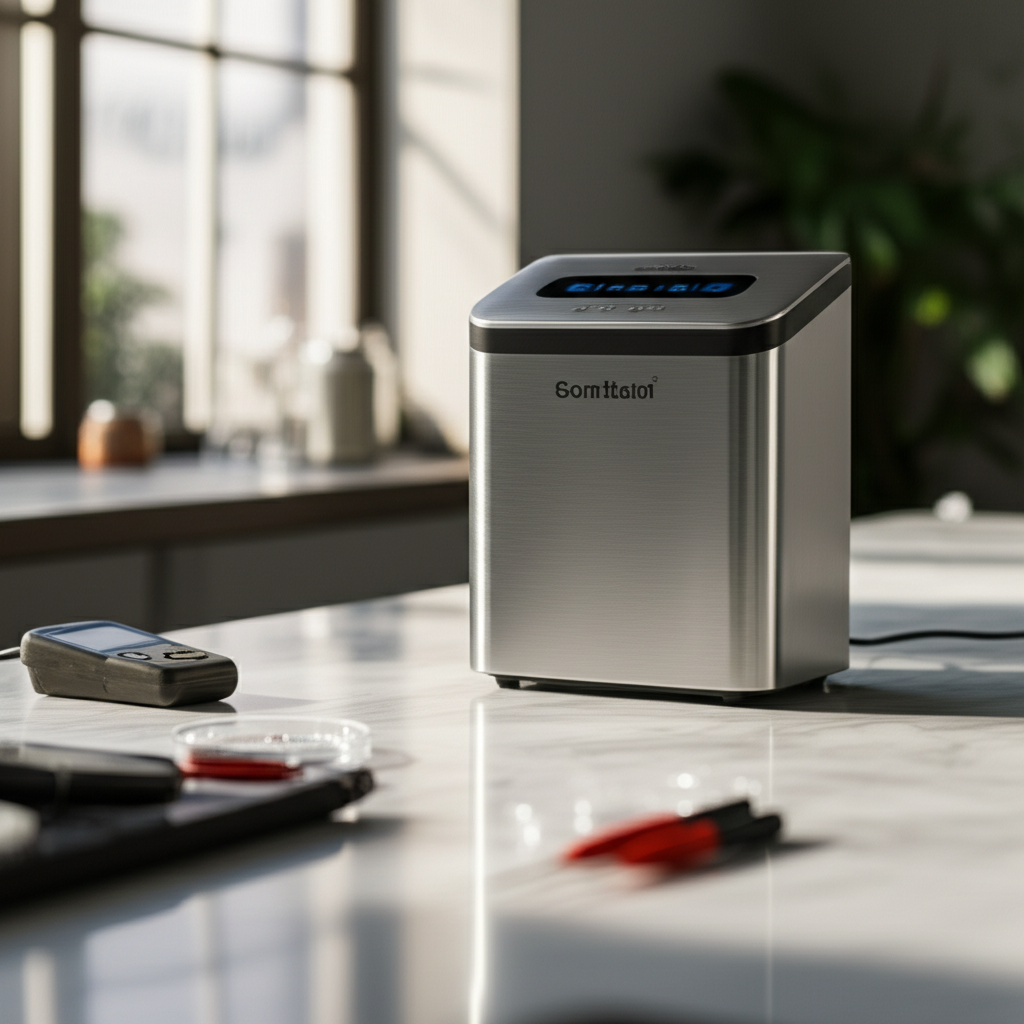
Operating an ozone generator is straightforward but requires caution. You place the unit in the affected area. Then, you set the timer for the desired treatment duration. It’s crucial to ensure the space is unoccupied during operation. Ozone can be harmful to humans and pets at high concentrations. Once the cycle is complete, you must ventilate the area thoroughly.
Key Components of an Ozone Generator
Most ozone generators use a process called corona discharge. This method creates ozone by passing electricity through air. This high-voltage discharge splits oxygen molecules (O₂). These single oxygen atoms then combine with other O₂ molecules to form ozone (O₃). Some models use UV light to produce ozone, but corona discharge is more common for mold remediation.
Safety Precautions When Using Ozone Generators
Safety is paramount when using an ozone generator. Ozone gas can irritate your lungs and eyes. Never be present in a room while the generator is running. Ensure all pets and plants are removed from the area. After the treatment, ventilate the space for at least 30 minutes to an hour. This allows the ozone to break down back into oxygen.
Safe Usage Guidelines for Your Home
Always follow the manufacturer’s instructions. Use the generator in well-ventilated areas. Never operate it in occupied spaces. After use, ensure the ozone levels have returned to safe limits. You can use a reliable ozone meter to check levels. Proper ventilation is key to a safe and effective treatment.
Where Mold Commonly Grows and How Ozone Reaches It
Mold thrives in damp, dark, and poorly ventilated areas. Common spots include bathrooms, basements, attics, and around leaky pipes. These are places where moisture can accumulate. An ozone generator’s gas can penetrate these hidden areas. It can kill mold spores on surfaces and even within materials like drywall or insulation.
Targeting Hidden Mold Infestations
Mold spores are microscopic and can spread easily. They can settle in hidden places like HVAC ducts or behind furniture. Ozone gas can travel through air vents and reach these inaccessible spots. This makes it an excellent tool for treating mold that you can’t see. It helps eliminate the source of the problem comprehensively.
Comparing Ozone Generators to Other Mold Removal Methods
Ozone generators offer distinct advantages over traditional cleaning methods. Bleach or vinegar can kill surface mold but may not reach spores deep within materials. They also require direct contact. Ozone gas treats the entire air volume and penetrates porous surfaces. This makes it a more complete solution for eliminating mold and its source.
Pros and Cons of Ozone Generators for Mold
Here’s a quick look at the benefits and drawbacks:
| Feature | Ozone Generators | Traditional Methods (Bleach, Scrubbing) |
| :—————- | :——————————————— | :————————————– |
| Effectiveness | Kills spores deep within surfaces and air. | Primarily surface-level mold removal. |
| Reach | Treats entire enclosed space. | Requires direct manual application. |
| Odors | Neutralizes musty mold smells effectively. | May mask odors temporarily. |
| Safety | Requires strict safety protocols during use. | Generally safer for direct contact. |
| Cost | Initial purchase cost, then minimal running. | Ongoing cost of cleaning supplies. |
| Time | Automated treatment cycle, then ventilation. | Labor-intensive and time-consuming. |
Why Ozone is a Superior Choice in Many Cases
When dealing with widespread or hidden mold, ozone generators shine. They offer a way to treat areas that are impossible to scrub manually. The ability to neutralize odors is also a significant benefit. While safety requires attention, the thoroughness of ozone treatment is hard to match.
Choosing the Right Ozone Generator for Your Needs
Selecting the best ozone generator depends on the size of the area you need to treat. Generators are often rated by square footage. For a small bathroom, a smaller unit might suffice. For a large basement or an entire house, you’ll need a more powerful model. Look for features like adjustable timers and durable construction.
Factors to Consider Before Buying
When shopping, consider these points:
Room Size: Match the generator’s capacity to your space.
Timer Function: Essential for safe, automated operation.
Ozone Output: Measured in milligrams per hour (mg/h). Higher output for larger areas.
Portability: For treating multiple rooms.
Durability: Look for solid build quality.
Practical Steps for Using an Ozone Generator to Kill Mold
Here’s a step-by-step guide to effectively use your ozone generator:
1. Identify the Moldy Area: Locate the source of the mold and moisture.
2. Remove Occupants: Ensure no people or pets are in the treatment area.
3. Seal the Space: Close doors and windows to contain the ozone.
4. Place the Generator: Position it centrally in the affected area.
5. Set the Timer: Choose an appropriate treatment time based on the generator’s power and room size.
6. Run the Generator: Start the treatment cycle and leave the area.
7. Ventilate Thoroughly: After the cycle, open windows and doors to air out the space.
8. Clean Surfaces: Wipe down surfaces to remove any dead mold residue.
Post-Treatment Cleaning and Prevention
After ozone treatment, it’s important to clean up any dead mold residue. Use a damp cloth or vacuum with a HEPA filter. Addressing the moisture source is crucial for preventing mold from returning. Ensure good ventilation in your home. Consider using a dehumidifier in damp areas.
Frequently Asked Questions About Ozone Generators and Mold
Can ozone generators kill all mold?
Yes, ozone generators are highly effective at killing mold spores. They work by oxidizing and destroying the mold’s cellular structure. This stops its growth and reproduction.
Is it safe to use an ozone generator in my home?
It is safe to use an ozone generator in your home, but only* when the area is unoccupied. Ozone gas can be harmful to lungs and eyes if inhaled directly. Always ventilate the area well after treatment.
How long does it take for an ozone generator to kill mold?
Treatment times vary. Smaller rooms might need 30 minutes to a few hours. Larger areas or severe infestations may require longer cycles. Always follow the manufacturer’s recommendations.
Will ozone generators remove mold odors?
Absolutely. Ozone is excellent at neutralizing odors. It breaks down the molecules that cause musty smells associated with mold.
Can I use an ozone generator while my family is home?
No, this is not recommended. Ozone levels must be safe before people or pets re-enter the treated area. Always ensure the space is empty during operation and well-ventilated afterward.
Are there any side effects of ozone treatment on my belongings?
High concentrations of ozone can degrade rubber and some plastics over time. It’s best to remove sensitive items like artwork or antique furniture before treatment. However, for typical household items, short treatments are generally fine.
Conclusion: Embrace a Mold-Free Home with Ozone
An ozone generator is a powerful, proven essential solution for killing mold. It offers a way to tackle mold and its odors thoroughly, reaching places traditional methods can’t. By understanding how it works and following strict safety guidelines, you can effectively use an ozone generator to create a healthier living environment. Take control of your home’s air quality today.