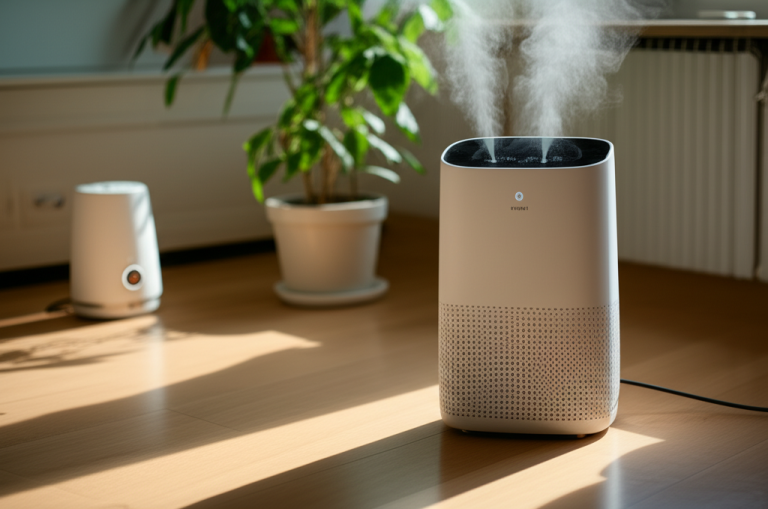
Ionic Air Purifier For Small Rooms: Essential Clean Air

Breathe easy in your personal space with an ionic air purifier for small rooms. These compact devices efficiently remove allergens, dust, and odors, making your bedroom, office, or dorm a healthier sanctuary. Discover how they work and why they’re essential for clean air in any small area.
Have you noticed more dust settling around your home or perhaps a lingering scent that just won’t disappear? It’s a common frustration, especially in smaller spaces like bedrooms or home offices where air quality can feel more concentrated. You deserve to breathe clean, fresh air, and the good news is that a solution is readily available. This guide will walk you through everything you need to know about choosing and using an ionic air purifier for small rooms. We’ll explore how these devices work, their benefits, and how to find the perfect one for your needs, ensuring your personal space becomes a haven of pure air.
What is an Ionic Air Purifier for Small Rooms?
An ionic air purifier for small rooms is a compact device designed to clean the air in smaller living spaces. It uses a process called ionization to remove airborne particles. This means it releases negatively charged ions into the air. These ions then attach themselves to positively charged particles like dust, pollen, pet dander, and smoke. These charged particles become heavier and fall to the ground or stick to surfaces. The purifier often has a collection plate to capture these particles, or they can be easily wiped away. They are a popular choice for their quiet operation and lack of replacement filters.
How Do Ionic Air Purifiers Work?
Ionic air purifiers work by creating a stream of negative ions. These ions are released into the air and actively seek out particles. When a negative ion meets a positively charged particle, like dust or a virus, they stick together. This makes the particle heavier. It then falls out of the air. Some models have a plate that attracts these heavier particles. Others rely on you to clean surfaces where the particles have settled. This method is effective for trapping tiny particles that traditional filters might miss.
Benefits of Using an Ionic Air Purifier in Small Spaces
Using an ionic air purifier for small rooms offers significant advantages for your health and comfort. They are particularly effective at removing very fine particles from the air. This can include allergens like pollen and dust mites, as well as smoke and odors. Because they don’t use fans to pull air through a filter, they tend to operate very quietly. This makes them ideal for bedrooms or quiet workspaces. They also have lower running costs as they don’t require frequent filter replacements.
Key Benefits at a Glance:
Allergen Removal: Traps pollen, dust mites, and pet dander.
Odor Elimination: Helps neutralize smells from cooking or pets.
Quiet Operation: Operates with minimal noise, perfect for sleeping.
Low Maintenance: No costly filters to replace regularly.
Compact Size: Designed to fit easily into small areas.
Are Ionic Air Purifiers Safe?
The safety of ionic air purifiers is a common concern, primarily due to the potential production of ozone. Ozone is a gas that can irritate the lungs. However, most modern ionic air purifiers designed for home use produce very low levels of ozone, well below safety limits set by organizations like the Environmental Protection Agency (EPA). It’s still wise to choose models that are certified as low-ozone or ozone-free. Always ensure the unit is placed in a well-ventilated area.
Understanding Ozone Production and Mitigation
While ionic purifiers are generally safe, it’s important to be aware of ozone. Ozone is a lung irritant. Some older or cheaper models might produce higher levels. Reputable manufacturers focus on minimizing ozone output. Look for certifications from organizations like the California Air Resources Board (CARB). These certifications indicate that the device meets strict ozone emission standards. Proper ventilation in the room also helps to keep ozone levels low.
Types of Air Purifiers for Small Rooms
Beyond ionic models, other air purifiers suit small spaces. HEPA (High-Efficiency Particulate Air) filters are excellent at trapping tiny particles. Activated carbon filters are great for removing odors and gases. Many purifiers combine these technologies. Some also use UV-C light to kill germs. For a small room, you might consider a hybrid model. This could offer the benefits of ionization plus HEPA filtration for comprehensive air cleaning.
Comparing Ionic vs. HEPA Filters
| Feature | Ionic Air Purifier | HEPA Air Purifier |
| :————— | :————————————————– | :————————————————— |
| Mechanism | Releases ions to charge particles. | Uses a dense filter to trap particles. |
| Particle Size| Excellent for very fine particles. | Captures 99.97% of particles 0.3 microns and larger. |
| Noise Level | Typically very quiet. | Can be noisier due to fan operation. |
| Maintenance | Minimal; may need to clean collection plates. | Requires regular filter replacement (costly). |
| Ozone | Potential for low-level ozone production. | Does not produce ozone. |
| Best For | Quiet environments, targeting fine allergens. | Comprehensive particle removal, asthma sufferers. |
Choosing the Right Ionic Air Purifier for Your Small Room
When selecting an ionic air purifier for small rooms, consider several factors. First, check the Clean Air Delivery Rate (CADR). This tells you how effectively it cleans the air in a specific room size. Ensure the CADR rating is appropriate for your room dimensions. Look for models with multiple settings, like different fan speeds. A night mode can be beneficial for bedrooms. Also, consider the energy consumption; many small purifiers are very energy-efficient.
Features to Look For:
CADR Rating: Match it to your room size.
Ozone Certification: Look for CARB or similar low-ozone ratings.
Multiple Settings: Fan speed, timer, and night mode.
Energy Efficiency: Check the wattage or Energy Star rating.
Ease of Cleaning: How simple is it to maintain the collection plates?
Placement and Maintenance Tips
Proper placement is key to maximizing your ionic air purifier for small rooms. Place it in a central location within the room, away from walls or furniture that could block airflow. Avoid placing it near open windows or doors where outdoor pollutants can easily enter. Regular maintenance is also crucial. For ionic purifiers, this usually involves cleaning the collection plates periodically. Refer to the manufacturer’s instructions for the best cleaning methods and frequency. This ensures it continues to work effectively.
How to Clean the Collection Plates:
1. Unplug the unit: Always ensure the purifier is turned off and unplugged.
2. Remove the plates: Carefully take out the collection plates as per the manual.
3. Wash gently: Wash the plates with mild soap and water.
4. Dry completely: Ensure they are thoroughly dry before reinserting.
5. Reassemble: Put the unit back together.
Real-World Impact: User Experiences with Small Ionic Purifiers
Many users find that ionic air purifiers significantly improve their living environment. For instance, individuals with allergies often report fewer symptoms. People living in apartments or areas with higher pollution levels also notice a difference. A common observation is the reduction of that “stale” air feeling. Some users even mention how quickly odors from cooking or pets dissipate. These personal accounts highlight the tangible benefits of using an ionic air purifier for small rooms.
One user shared, “I placed an ionic air purifier in my home office, and I’ve noticed a big difference in air freshness. I used to sneeze a lot from dust, but that’s much less now.” Another commented, “The quiet operation is fantastic. I can sleep soundly without any noise.” These anecdotes reflect the satisfaction many people have with these devices.
The Role of Air Purifiers in Modern Homes
In today’s world, indoor air quality is more important than ever. With homes becoming more energy-efficient, they can also trap pollutants inside. This is where air purifiers play a vital role. According to Statista, the global air purifier market is growing significantly. This trend shows increasing consumer awareness about the importance of clean indoor air. An ionic air purifier for small rooms is a practical step towards a healthier home environment.
Frequently Asked Questions (FAQ)
What is the best ionic air purifier for a small bedroom?
Look for models with a CADR suitable for your bedroom size, a low-ozone certification, and quiet operation. Features like a timer and night mode are also beneficial for bedrooms.
How often should I clean an ionic air purifier?
You should typically clean the collection plates every 2-4 weeks, depending on air quality and usage. Always follow the manufacturer’s specific recommendations.
Can an ionic air purifier remove viruses?
Yes, ionic purifiers can help neutralize airborne viruses by charging them. However, they are not a substitute for good hygiene practices like handwashing.
Do ionic air purifiers use a lot of electricity?
Most small ionic air purifiers are very energy-efficient, consuming minimal electricity, similar to a small light bulb.
Are there any downsides to ionic air purifiers?
The main concern is potential ozone production, though reputable models keep this very low. They also rely on users to clean collection plates and may not capture all particle types as effectively as HEPA filters alone.
Conclusion: Your Personal Oasis of Clean Air
An ionic air purifier for small rooms is an excellent investment for anyone seeking cleaner, fresher air in their personal spaces. They offer a quiet, efficient, and low-maintenance solution for tackling dust, allergens, and odors. By understanding how they work and choosing a model with the right features, you can transform your bedroom, office, or any small area into a healthier sanctuary. Breathe easier, live better, and enjoy the peace of mind that comes with knowing your air is clean.