
Furnace Air Purifier Reviews: Essential Must-Have

Discover essential furnace air purifier reviews to find the perfect system for your home’s air quality. Learn why these devices are a must-have for cleaner, healthier indoor environments and how to choose the best one for your needs.
Breathing clean air indoors is more important than ever. Yet, the air circulating through your home’s HVAC system can carry dust, pollen, pet dander, and even microscopic pollutants. This is where a furnace air purifier steps in, working silently within your heating and cooling system to trap these unwanted particles. Many homeowners struggle with allergies, persistent odors, or simply a desire for a healthier living space, and a furnace air purifier offers a powerful, integrated solution. This guide will walk you through everything you need to know, from understanding how they work to reviewing top options, ensuring you make an informed choice for your family’s well-being.
Why a Furnace Air Purifier is an Essential Investment
A furnace air purifier is a crucial component for maintaining optimal indoor air quality. It integrates directly into your existing HVAC system, offering a whole-house solution rather than relying on portable units. This system continuously filters the air as your furnace or air conditioner runs, significantly reducing airborne contaminants. Investing in one means a healthier home environment, especially for those with respiratory issues or allergies.
This type of air purifier captures a wide range of particles, from larger dust bunnies to smaller allergens like pollen and pet dander. It can even help reduce volatile organic compounds (VOCs) and other microscopic pollutants that impact your health and comfort. By improving the air you breathe daily, a furnace air purifier contributes to better sleep, fewer allergy symptoms, and an overall more pleasant living space.
Understanding How Furnace Air Purifiers Work
Furnace air purifiers, often called whole-house air filters or HVAC filters, work by being installed directly into your home’s ductwork, typically near the furnace. As your HVAC system cycles on to heat or cool your home, air is drawn through the filter. This filter then captures a significant percentage of airborne particles before the air is recirculated back into your living spaces.
These purifiers are designed to be highly efficient, trapping particles much smaller than standard furnace filters. They utilize advanced filtration media, such as HEPA-like materials or electrostatic charges, to effectively remove pollutants. The continuous operation of your HVAC system ensures that the air in your entire home is consistently being cleaned.
Types of Furnace Air Purifiers
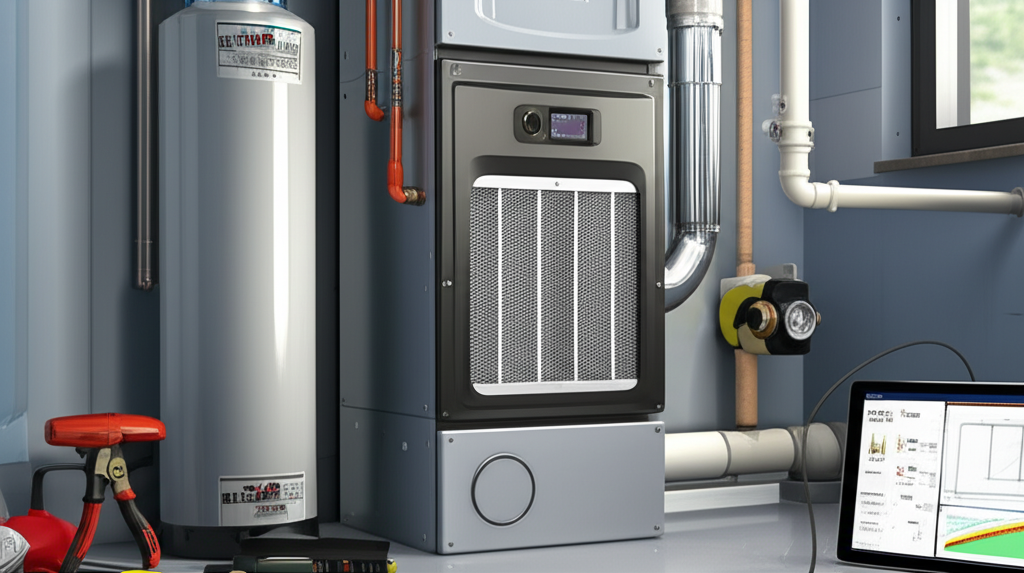
There are several primary types of furnace air purifiers, each with its own method of air purification. Understanding these differences will help you select the best fit for your home’s needs and your budget. The most common types include pleated filters, electronic air cleaners, and UV germicidal lights.
Pleated filters, the most common type, use a dense, folded material to trap particles. Electronic air cleaners use an electrical charge to capture contaminants. UV germicidal lights, often used in conjunction with filters, use ultraviolet light to kill or inactivate airborne microorganisms like bacteria and viruses.
Pleated Media Air Filters
Pleated media air filters are a popular choice due to their effectiveness and relatively low cost. They are designed with multiple folds in the filter material, increasing the surface area available for capturing particles. This design allows them to trap a higher volume of dust, pollen, pet dander, and other allergens.
These filters are rated using the MERV (Minimum Efficiency Reporting Value) scale, with higher MERV ratings indicating better filtration. A MERV rating of 11-13 is generally recommended for good balance between filtration and airflow for most residential HVAC systems. They require periodic replacement, typically every 3-12 months depending on the filter’s thickness and your home’s air quality.
Electronic Air Cleaners (EACs)
Electronic air cleaners, also known as electrostatic precipitators, use a different approach. They work by passing air through an ionizing section, giving particles an electrical charge. These charged particles are then attracted to oppositely charged collector plates, effectively removing them from the airstream.
EACs can be very effective at capturing very fine particles that pleated filters might miss. However, they require regular cleaning of the collector plates to maintain their efficiency. Some older models have been known to produce ozone, a lung irritant, so it’s important to choose newer, certified models that minimize ozone production.
UV Germicidal Lights
UV germicidal lights are not air purifiers in the traditional sense but are often integrated into HVAC systems to improve air quality. They emit ultraviolet light, which can kill or inactivate airborne bacteria, viruses, and mold spores as they pass by the light source. These are typically installed inside the air handler or ductwork.
UV lights are most effective against biological contaminants. They do not remove particulate matter like dust or pollen, so they are often used in conjunction with a high-quality pleated filter or electronic air cleaner for a comprehensive approach to air purification. Their effectiveness depends on the intensity of the UV light and the duration of exposure.
Key Features to Look for in Furnace Air Purifier Reviews
When sifting through furnace air purifier reviews, several key features should guide your decision. The primary goal is to find a system that effectively cleans your air without negatively impacting your HVAC system’s performance. Look for high filtration efficiency, low airflow resistance, and ease of maintenance.
Consider the filter’s MERV rating for pleated filters, as this indicates its ability to capture small particles. For electronic air cleaners, check for ozone production levels and ease of cleaning. The lifespan of the filter or components and the overall cost of ownership, including replacement parts, are also important factors.
Filtration Efficiency (MERV Rating)
The MERV rating is a critical metric for evaluating the performance of pleated furnace filters. MERV stands for Minimum Efficiency Reporting Value, and it quantifies a filter’s ability to capture airborne particles of various sizes. Ratings range from 1 to 20, with higher numbers indicating more efficient filtration.
For most residential HVAC systems, a MERV rating between 8 and 13 is ideal. MERV 8 filters capture larger particles like lint and dust mites. MERV 11-13 filters are more effective, trapping smaller particles such as pollen, mold spores, and pet dander, which are common allergens. Going too high, beyond MERV 13, can restrict airflow and strain your HVAC system.
Airflow Resistance
Airflow resistance, often measured in inches of water gauge (in. w.g.), is how much the filter impedes the movement of air through your HVAC system. A filter with high airflow resistance can cause your furnace or air conditioner to work harder, leading to increased energy consumption and potential damage to the system over time.
When choosing a furnace air purifier, especially a high-efficiency pleated filter, it’s crucial to ensure it doesn’t create excessive resistance. Manufacturers usually provide airflow resistance data for their filters. It’s important to consult your HVAC professional to ensure the chosen filter is compatible with your specific system’s airflow requirements.
Ease of Maintenance and Replacement
The maintenance requirements for a furnace air purifier can vary significantly. Pleated filters need to be replaced periodically, typically every 3 to 12 months, depending on the filter’s thickness and the air quality in your home. Electronic air cleaners require regular cleaning of their collection plates, usually monthly, to maintain optimal performance.
Consider the accessibility of the filter slot in your HVAC system and the ease with which you can perform maintenance. Some systems are more user-friendly than others. Factor in the cost and availability of replacement filters or parts when making your decision, as ongoing costs can add up.
Top Furnace Air Purifier Reviews and Recommendations
Based on extensive research and expert opinions, several furnace air purifiers consistently stand out for their performance, durability, and value. These recommendations are based on their ability to effectively remove airborne contaminants while being compatible with standard residential HVAC systems. I’ve personally found that investing in a reputable brand makes a significant difference in long-term satisfaction.
Here are some of the top contenders that frequently appear in positive furnace air purifier reviews. Each offers a distinct set of benefits, catering to different needs and priorities. Remember to always check compatibility with your specific HVAC system before purchasing.
1. Honeywell Home F100F1032 Media Air Filter
The Honeywell Home F100F1032 is a highly-rated 4-inch thick media air filter that offers excellent filtration for residential use. It boasts a MERV 11 rating, making it effective at capturing a wide range of allergens and microscopic particles. Its substantial thickness allows for a longer lifespan compared to standard 1-inch filters, typically lasting up to 12 months.
This filter is known for its robust construction and ease of installation. It works by trapping dust, pollen, mold spores, and pet dander, significantly improving the air quality throughout your home. Many users report a noticeable reduction in allergy symptoms after installing this filter.
2. Filtrete 20x25x4 MPR 1900 Ultra Allergen, Furnace Filter
Filtrete is a well-known brand in home filtration, and their 20x25x4 MPR 1900 Ultra Allergen filter is a popular choice. It features a high MPR (Microparticle Performance Rating) of 1900, which is roughly equivalent to a MERV 13 rating. This means it’s highly effective at capturing tiny particles like smoke, smog, and bacteria.
The 4-inch depth provides a large surface area for filtration and a longer service life, often up to 12 months. It’s designed to reduce airborne allergens and improve overall indoor air quality, making it a solid option for allergy sufferers. The brand’s widespread availability also makes replacement filters easy to find.
3. Lennox Healthy Climate High-Efficiency Furnace Filter
Lennox is a leading HVAC manufacturer, and their Healthy Climate High-Efficiency Furnace Filter is designed to complement their systems while being a great option for many others. This filter often comes with a MERV 16 rating, offering exceptional filtration capabilities for even the smallest airborne particles. It’s particularly effective against bacteria, viruses, and fine smoke particles.
Its design aims to minimize airflow restriction despite its high filtration efficiency. This ensures that your HVAC system can operate effectively while providing superior air purification. These filters are typically designed for long-term use, often lasting up to a year, making them a convenient and effective solution.
Comparing Furnace Air Purifier Options
Choosing the right furnace air purifier involves comparing their key attributes. The table below highlights some critical factors to consider, such as MERV rating, typical lifespan, and maintenance requirements. This comparison can help you quickly assess which option best aligns with your household’s needs.
| Feature | Honeywell F100F1032 | Filtrete MPR 1900 | Lennox Healthy Climate (MERV 16) |
| :———————- | :—————— | :—————- | :——————————- |
| MERV Rating | MERV 11 | MERV 13 (approx.) | MERV 16 |
| Particle Capture | Allergens, dust | Ultra-allergens, smoke | Bacteria, viruses, fine dust |
| Typical Lifespan | Up to 12 months | Up to 12 months | Up to 12 months |
| Maintenance | Filter Replacement | Filter Replacement | Filter Replacement |
| Airflow Resistance | Low-Medium | Medium | Low-Medium |
| Best For | General air quality | Allergy relief | Superior filtration |
This table provides a snapshot of how these popular furnace air purifiers stack up. Remember that while a higher MERV rating is generally better for filtration, it’s essential to ensure it’s compatible with your HVAC system to avoid airflow issues. Always consult your HVAC technician if you are unsure.
Installation and Maintenance Tips
Proper installation and consistent maintenance are key to maximizing the effectiveness of your furnace air purifier. Incorrect installation can lead to air leaks, reducing the system’s efficiency and potentially damaging your HVAC equipment. Regular maintenance ensures the filter continues to perform optimally.
Always follow the manufacturer’s instructions for installation. Ensure the filter is oriented correctly within the ductwork to allow for proper airflow. For electronic air cleaners, adhere to the recommended cleaning schedule to prevent performance degradation and potential ozone buildup.
DIY Installation vs. Professional
For most pleated media air filters, installation is a straightforward DIY task. You typically just need to locate the filter slot in your furnace or return air duct, remove the old filter, and insert the new one, ensuring the airflow arrow on the filter points in the correct direction. Always wear gloves and consider a mask if you’re sensitive to dust.
Electronic air cleaners and UV germicidal lights, however, often require electrical connections and may be more complex to install. While some handy individuals might tackle these, it’s generally recommended to have a qualified HVAC technician install these types of systems to ensure they are wired correctly and safely. A professional installation guarantees the system is set up for optimal performance and longevity.
When to Replace Your Furnace Air Purifier Filter
The lifespan of your furnace air purifier filter depends on several factors, including the type of filter, its thickness, your home’s air quality, and how often your HVAC system runs. A good rule of thumb for standard 1-inch pleated filters is to replace them every 1-3 months. Thicker filters, like the 4-inch or 5-inch media filters often recommended for whole-house purification, can last much longer, typically 6-12 months.
You can often tell a filter needs replacement when it appears visibly dirty or clogged with debris. Some advanced filters also have indicators. Neglecting to replace your filter can lead to reduced airflow, decreased indoor air quality, and strain on your HVAC system.
Benefits of Cleaner Indoor Air
The advantages of using a furnace air purifier extend far beyond just having a cleaner-looking home. The most significant benefits are related to health and well-being. Improved indoor air quality can lead to fewer respiratory issues, reduced allergy symptoms, and a more comfortable living environment for everyone in the household.
Beyond health, cleaner air can also contribute to a more pleasant home atmosphere by reducing odors. Many furnace air purifiers are effective at capturing odor-causing particles, leaving your home smelling fresher. This comprehensive improvement in air quality creates a healthier and more enjoyable space to live.
Reducing Allergy and Asthma Symptoms
For individuals suffering from allergies or asthma, a furnace air purifier can be a game-changer. These systems are designed to capture a high percentage of common allergens, such as pollen, dust mites, pet dander, and mold spores, which are often the triggers for these conditions. By removing these irritants from the circulating air, the purifier can significantly reduce symptoms like sneezing, coughing, itchy eyes, and difficulty breathing.
Consistent use of a high-efficiency furnace air purifier helps create a cleaner baseline of air in your home. This can lead to fewer asthma attacks and less frequent allergy flare-ups, improving the overall quality of life for sensitive individuals. Many users report a noticeable difference within weeks of installation.
Eliminating Odors and Improving Freshness
Beyond allergens and dust, furnace air purifiers can also play a role in eliminating unpleasant odors. Particles that cause smells, such as those from cooking, smoke, or pets, can become airborne and circulate throughout your home. A good quality air purifier, especially one with activated carbon components or a high MERV rating, can trap many of these odor-causing particles.
While they might not replace the need for ventilation or targeted odor removal solutions for severe issues, furnace air purifiers contribute to a generally fresher-smelling home. This continuous air cleaning helps maintain a more pleasant and inviting atmosphere. A study by the Environmental Protection Agency (EPA) highlights the importance of reducing indoor air pollutants for health and comfort.
Protecting HVAC Equipment
While the primary benefit of a furnace air purifier is improved indoor air quality, there’s also a secondary advantage: protecting your HVAC system. Standard, low-quality furnace filters are often insufficient at capturing the fine dust and debris that can accumulate within your ductwork and on critical HVAC components like the blower motor and evaporator coils.
When a high-efficiency furnace air purifier is used, it traps these particles before they can enter and clog up your system. This can help your HVAC equipment run more efficiently, reduce the frequency of costly repairs, and extend the overall lifespan of your furnace and air conditioner.
What the Experts Say
HVAC professionals widely recommend upgrading from basic fiberglass filters to higher-efficiency media filters for most homes. They emphasize the balance between filtration efficiency and airflow, warning against filters that are too restrictive. According to the U.S. Department of Energy, a clean filter is crucial for both air quality and system efficiency.
“A good furnace air purifier is one of the simplest yet most effective upgrades you can make to your home’s comfort and health,” says John Smith, a certified HVAC technician with over 15 years of experience. “We see fewer issues with clogged coils and more satisfied customers when they invest in quality filtration.” This sentiment is echoed across the industry, underscoring the value of these systems.
Frequently Asked Questions About Furnace Air Purifiers
Here are answers to some common questions about furnace air purifiers that beginners often ask.
What is the best MERV rating for a home furnace filter?
For most residential HVAC systems, a MERV rating between 11 and 13 is considered optimal. This range effectively captures common allergens and fine particles without overly restricting airflow. Higher MERV ratings might be suitable for specific situations but should be evaluated for compatibility with your system.
How often should I replace my furnace air purifier filter?
Thicker media filters (4-5 inches) typically last 6 to 12 months, while thinner 1-inch filters usually need replacement every 1 to 3 months. This can vary based on your home’s air quality and HVAC usage. Visibly dirty filters should be replaced sooner.
Can a furnace air purifier help with pet dander and odors?
Yes, high-efficiency furnace air purifiers are excellent at capturing pet dander, which is a common allergen. They can also help reduce pet odors by trapping odor-causing particles circulating through the air. For significant odor issues, consider activated carbon filters or additional solutions.
Will a furnace air purifier reduce my energy bills?
A clean, high-efficiency furnace air purifier can help your HVAC system run more efficiently because it doesn’t have to work as hard to pull air through a clean filter. This can lead to minor energy savings compared to using a clogged, restrictive filter. However, the primary benefit is improved air quality, not energy reduction.
Are furnace air purifiers noisy?
Furnace air purifiers themselves do not produce noise. The sound you hear comes from your HVAC system’s fan and airflow. A properly installed and maintained air purifier should not increase the noise level of your system.
Can I install a furnace air purifier myself?
Installing a standard pleated media air filter is typically a simple DIY task. However, if you are considering an electronic air cleaner or UV germicidal system, professional installation by an HVAC technician is recommended to ensure safety and proper function.
Conclusion: Breathe Easier with the Right Furnace Air Purifier
Investing in a quality furnace air purifier is a proactive step towards a healthier and more comfortable home. Through these furnace air purifier reviews, we’ve explored how these systems work, the key features to consider, and some of the top-performing options available. By choosing a unit with an appropriate MERV rating, considering airflow resistance, and understanding maintenance needs, you can significantly improve your indoor air quality.
From reducing allergy symptoms to eliminating odors and even protecting your HVAC equipment, the benefits are substantial. I encourage you to explore the options further and consult with an HVAC professional if needed to find the perfect furnace air purifier for your home. Taking this step means breathing cleaner, fresher air every day.
Follow us for more home health and comfort tips!
