Essential Oil Diffuser Vs Air Purifier: Genius Guide

Choosing between an essential oil diffuser and an air purifier? This guide breaks down their distinct functions, benefits, and ideal uses to help you decide which is best for your home’s atmosphere and well-being.
The air in our homes plays a crucial role in our health and comfort. Many of us are looking for ways to improve it, whether by adding pleasant scents or removing unwanted particles. This often leads to a common question: should I get an essential oil diffuser or an air purifier? While both devices can enhance your living space, they serve very different purposes. Understanding these differences is key to making the right choice for your needs. Let’s explore the world of diffusers and purifiers to clarify which one, or perhaps both, will best support your healthy home environment.
Essential Oil Diffuser vs Air Purifier: What’s the Core Difference?
An essential oil diffuser releases aromatic compounds from essential oils into the air, primarily for aromatherapy and scenting your space. An air purifier, on the other hand, is designed to remove pollutants like dust, pollen, and smoke from the air. They are not interchangeable devices, though some may have overlapping benefits.
Think of it this way: a diffuser is like adding a delightful perfume to a room, while an air purifier is like giving the room a deep clean to remove allergens and odors. Both contribute to a better atmosphere, but in fundamentally different ways.
What Does an Essential Oil Diffuser Do?
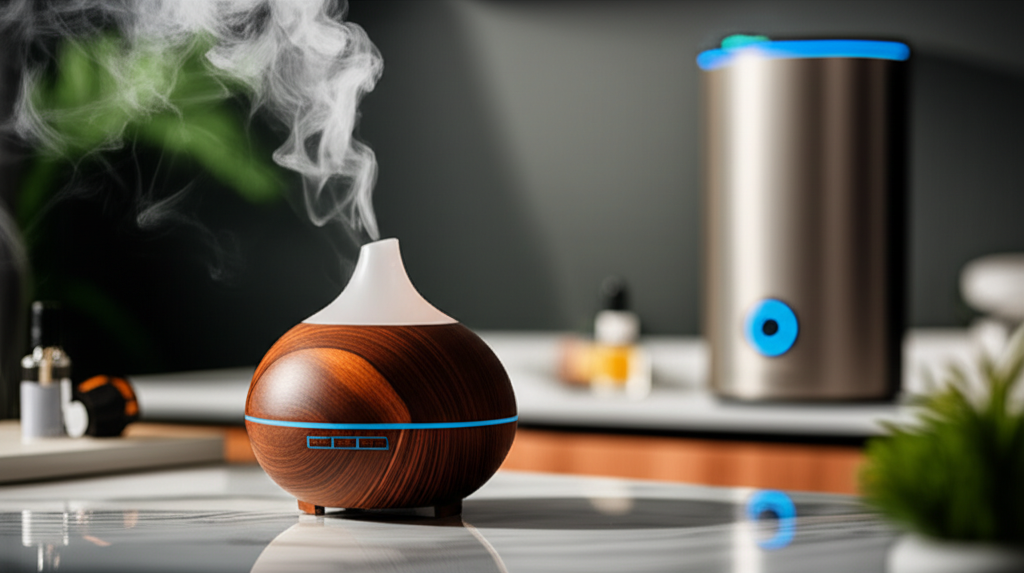
Essential oil diffusers work by breaking down essential oils into tiny particles and dispersing them into the air. This process not only adds a pleasant fragrance to your home but also allows you to experience the potential therapeutic benefits of the essential oils, such as relaxation or improved focus.
These devices come in various types, including ultrasonic, nebulizing, heat, and evaporative diffusers, each using a different mechanism to release the oil’s aroma. The primary goal is scent diffusion and aromatherapy.
What Does an Air Purifier Do?
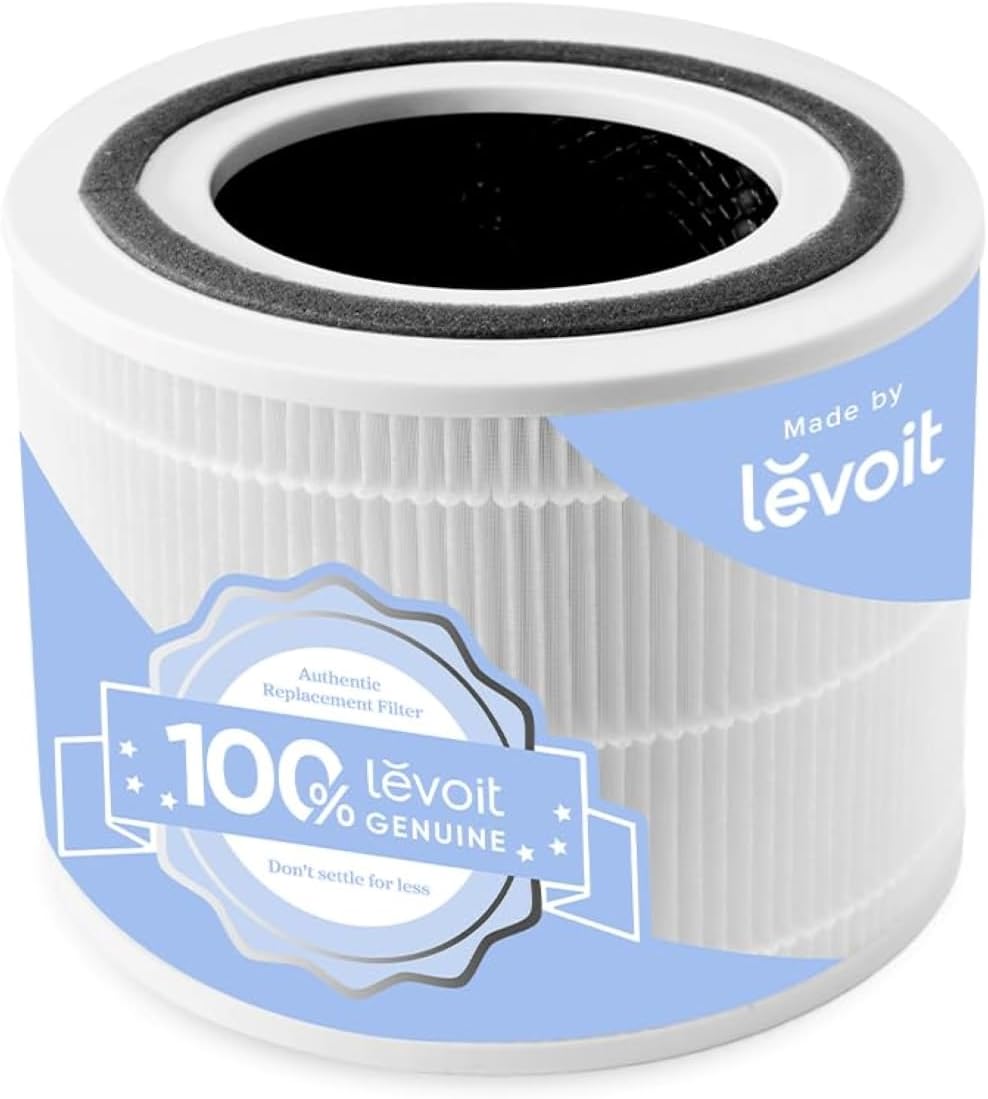
An air purifier actively cleans your indoor air by drawing in air, filtering out contaminants, and then releasing cleaner air back into the room. They are particularly effective at capturing microscopic particles that can cause allergies and respiratory issues.
Common air purifiers use HEPA filters, activated carbon filters, or ionizers to trap or neutralize airborne pollutants like dust mites, pet dander, mold spores, and volatile organic compounds (VOCs). Their main function is air purification.
Benefits of Using an Essential Oil Diffuser
Using an essential oil diffuser can transform your home’s ambiance and potentially support your well-being. The subtle release of natural aromas can create a more relaxing, invigorating, or comforting environment depending on the oils you choose.
The practice of aromatherapy, facilitated by diffusers, has been explored for centuries. It’s a natural way to influence mood and create a specific sensory experience in your living space.
Aromatherapy and Mood Enhancement
Different essential oils are associated with various mood-altering properties. Lavender, for instance, is widely used for its calming and sleep-promoting effects, while citrus oils like lemon or orange are known for their uplifting and energizing qualities.
By strategically using your diffuser, you can tailor the atmosphere of your home to suit your needs, whether it’s for unwinding after a long day or creating a focused environment for work. This makes your home a more personalized sanctuary.
Natural Fragrance and Odor Masking
Instead of relying on artificial air fresheners, which can sometimes contain harsh chemicals, essential oil diffusers offer a natural alternative for scenting your home. They can effectively mask unpleasant odors from cooking, pets, or dampness.
The natural scents can make your home feel more inviting and pleasant. Many people find that the subtle, natural fragrances are far more enjoyable than the overpowering scents of commercial air fresheners.
Potential Health and Wellness Benefits
Beyond scent, essential oils are believed to offer a range of wellness benefits. Some oils are thought to have antimicrobial properties, while others may help to ease headaches or improve respiratory function.
For example, eucalyptus oil is often used to help clear congestion, and peppermint oil can be invigorating. It’s important to remember that these are complementary benefits and not a substitute for medical treatment.
Benefits of Using an Air Purifier
An air purifier offers a more direct approach to improving indoor air quality by actively removing harmful particles. This can lead to significant health advantages, especially for individuals with allergies, asthma, or other respiratory sensitivities.
Investing in an air purifier is essentially investing in cleaner air for you and your family, which can have a profound impact on daily comfort and long-term health.
Removing Allergens and Irritants
Air purifiers, especially those equipped with HEPA filters, are highly effective at capturing common allergens like pollen, dust mites, pet dander, and mold spores. These particles can trigger sneezing, itching, and breathing difficulties in sensitive individuals.
By reducing the concentration of these airborne irritants, an air purifier can provide significant relief for allergy sufferers, allowing them to breathe easier indoors. This creates a more comfortable living environment.
Eliminating Odors and Smoke
Beyond allergens, air purifiers with activated carbon filters are excellent at absorbing odors from cooking, pets, smoke, and even VOCs released from household products. This helps to keep your home smelling fresh and clean.
For households with smokers or those who enjoy cooking strong-smelling meals, an air purifier can be a game-changer in maintaining a pleasant atmosphere. It tackles odors at the source rather than just masking them.
Reducing Airborne Germs and Bacteria
Some air purifiers utilize technologies like UV-C light or ionizers to help neutralize airborne bacteria and viruses. While they are not a substitute for good hygiene practices, they can contribute to a healthier indoor environment by reducing the spread of germs.
This added layer of protection can be particularly reassuring for families with young children or elderly individuals. Cleaner air means a healthier living space for everyone.
Essential Oil Diffuser vs Air Purifier: Key Differences Summarized
| Feature | Essential Oil Diffuser | Air Purifier |
| :—————- | :—————————————————— | :——————————————————– |
| Primary Function | Scenting the air, aromatherapy | Removing airborne pollutants |
| Mechanism | Disperses essential oil particles | Filters or neutralizes contaminants |
| Output | Aroma, water vapor (in ultrasonic models) | Cleaner air |
| Main Benefit | Mood enhancement, pleasant fragrance | Improved respiratory health, allergen reduction |
| Maintenance | Cleaning the reservoir, refilling oil | Replacing filters |
| Essential for | Creating ambiance, natural scenting | Allergy relief, smoke removal, general air quality |
This table highlights that while both devices interact with your air, their core purposes are distinct. One adds to the air, while the other removes from it.
When to Choose an Essential Oil Diffuser
You should opt for an essential oil diffuser if your primary goal is to enhance the scent of your home, create a specific mood, or engage in aromatherapy practices. It’s ideal for creating a relaxing spa-like atmosphere or a more energizing workspace.
If you enjoy natural fragrances and want to avoid synthetic air fresheners, a diffuser is an excellent choice. It adds a sensory layer to your living space.
For Ambiance and Relaxation
Diffusers are perfect for setting the mood. Imagine coming home to the calming scent of lavender after a stressful day, or the invigorating aroma of peppermint to start your morning.
This is where diffusers truly shine, transforming your home into a personalized sanctuary that caters to your emotional and sensory needs.
For Natural Home Fragrance
If you’re looking for a natural way to make your home smell good, a diffuser is a superior choice to many commercial air fresheners. You control the scent and its intensity by selecting your preferred essential oils.
This allows for a more customized and potentially healthier approach to home fragrance. You can explore a wide variety of scents and their associated benefits.
For Aromatherapy Practices
For those interested in the therapeutic benefits of essential oils, a diffuser is an essential tool. It allows for the safe and effective dispersion of these potent plant extracts into the air for inhalation.
Practitioners of aromatherapy use diffusers to support various wellness goals, from stress reduction to improved focus. It’s a key component of creating an aromatic environment.
When to Choose an Air Purifier
An air purifier is the better choice if you or someone in your household suffers from allergies, asthma, or other respiratory conditions, or if you are concerned about general indoor air pollution. It directly addresses health concerns related to air quality.
If you have pets, live in an area with high pollution, or are sensitive to dust and dander, an air purifier can make a significant difference in your daily comfort and health.
For Allergy and Asthma Sufferers
For individuals battling seasonal allergies or asthma, an air purifier is almost a necessity. It significantly reduces the presence of airborne allergens like pollen, dust, and pet dander, which are common triggers for symptoms.
Studies have shown that using HEPA air purifiers can lead to a noticeable reduction in allergy symptoms and improved lung function for asthmatics. For instance, the American Academy of Allergy, Asthma & Immunology recommends HEPA filters for allergen control.
For Removing Smoke and Strong Odors
If you or someone in your home smokes, or if you frequently cook strong-smelling foods, an air purifier with an activated carbon filter can be incredibly effective. It traps smoke particles and neutralizes odors, leaving the air cleaner and fresher.
This is especially important for maintaining a pleasant living environment and preventing lingering smells. It tackles the problem at a molecular level.
For General Indoor Air Quality Improvement
Even if you don’t have specific health concerns, an air purifier can contribute to a healthier home by removing microscopic particles that are invisible to the naked eye. This includes dust, mold spores, and VOCs from furniture and cleaning products.
According to the Environmental Protection Agency (EPA), indoor air can be significantly more polluted than outdoor air. An air purifier helps mitigate this risk, creating a healthier breathing environment for everyone.
Can You Use Both an Essential Oil Diffuser and an Air Purifier?
Absolutely! Many people find that using both an essential oil diffuser and an air purifier provides the best of both worlds. The air purifier cleans your air, and the diffuser adds a pleasant, therapeutic scent to the purified air.
This combination allows you to enjoy the health benefits of clean air while also benefiting from the mood-enhancing properties of essential oils. It’s a comprehensive approach to home air quality.
The Synergy of Clean Air and Aroma
Imagine an air purifier removing dust and allergens, creating a base of clean air. Then, your diffuser introduces a calming aroma, enhancing the overall sensory experience of your home.
This synergy creates a truly optimal indoor environment, addressing both health concerns and the desire for a pleasant, inviting atmosphere. It’s a powerful duo for your well-being.
Important Considerations When Using Both
When using both devices in the same room, it’s important to ensure they don’t interfere with each other. For example, placing a diffuser too close to an air purifier’s intake might saturate the air purifier’s filters with oil, potentially reducing its effectiveness or lifespan.
It’s generally recommended to run them in separate areas of a room or ensure adequate space between them. Also, always use high-quality, pure essential oils in your diffuser for the best results and to avoid any unintended reactions.
Choosing the Right Device for Your Needs
The decision between an essential oil diffuser and an air purifier, or opting for both, depends entirely on your personal priorities and home environment. Consider what you want to achieve with your indoor air.
Do you want to breathe cleaner, healthier air free from allergens and pollutants? Or are you primarily looking to enhance your home’s scent and create a specific mood?
Prioritizing Health vs. Ambiance
If your main concern is respiratory health, allergies, or reducing airborne irritants, an air purifier should be your priority. It directly tackles these issues by cleaning the air.
If your focus is on creating a pleasant atmosphere, enjoying natural scents, or practicing aromatherapy for relaxation or energy, an essential oil diffuser is the way to go.
When to Invest in an Air Purifier First
For individuals with significant allergy symptoms, asthma, or respiratory sensitivities, investing in a high-quality air purifier is the most crucial first step. The health benefits of cleaner air are paramount in these cases.
Once your respiratory health is better supported, you can then consider adding a diffuser for ambiance. Prioritizing health is key.
When an Essential Oil Diffuser is Enough
If you have generally good health, no known allergies, and your primary desire is to make your home smell lovely and create a relaxing environment, an essential oil diffuser might be all you need. It can significantly enhance your living space’s feel.
It’s a more budget-friendly option and directly addresses the desire for pleasant, natural scents. It’s a great entry point into home scenting.
Top Features to Look For
When selecting either device, consider specific features that will best meet your needs. For air purifiers, look at filter types, coverage area, and noise levels. For diffusers, consider capacity, mist output, and design.
Making an informed choice about features ensures you get the most value and effectiveness from your purchase. Here’s a quick look at what matters.
Air Purifier Features
HEPA Filter: Essential for capturing at least 99.97% of airborne particles down to 0.3 microns.
Activated Carbon Filter: Crucial for absorbing odors, smoke, and VOCs.
Coverage Area (CADR): Ensure the purifier is rated for the size of your room.
Noise Level: Look for models with low decibel ratings for quiet operation, especially for bedrooms.
Energy Efficiency: Choose ENERGY STAR certified models to save on electricity bills.
Essential Oil Diffuser Features
Ultrasonic vs. Nebulizing: Ultrasonic diffusers use water and create a mist; nebulizing diffusers use only oil for a more potent aroma.
Capacity: Determines how long the diffuser can run before needing a refill.
Mist Output Settings: Allows you to control the intensity of the aroma.
Timer Functions: For automatic shut-off after a set period.
LED Lights: Many diffusers come with ambient lighting options.
Frequently Asked Questions About Diffusers and Purifiers
Can I put essential oils in an air purifier?
No, you should never put essential oils directly into an air purifier. Air purifiers are designed to filter air, and oils can damage their filters and internal components, potentially voiding warranties and reducing their effectiveness.
Do essential oil diffusers clean the air?
Essential oil diffusers do not clean the air in the way an air purifier does. They disperse aromatic compounds into the air; they do not remove pollutants like dust, allergens, or bacteria.
Can an air purifier make my home smell good?
An air purifier doesn’t add fragrance. However, by removing unpleasant odors and smoke, it can make your home smell cleaner and fresher. You can then use a diffuser to add your desired aroma to this purified air.
Which is better for pets: a diffuser or an air purifier?
For pets, an air purifier is generally more beneficial. It helps remove pet dander, which is a common allergen, and can reduce pet odors. Some essential oils can be harmful to pets, so caution is advised when using diffusers around them.
How often should I replace air purifier filters?
This varies by model and usage, but typically HEPA filters need replacement every 6-12 months, and activated carbon filters every 3-6 months. Always check your air purifier’s manual for specific recommendations.
Conclusion: Your Path to Better Indoor Air
Ultimately, the choice between an essential oil diffuser vs air purifier hinges on your personal goals for your home environment. An air purifier is a health-focused investment, diligently working to remove harmful particles and improve your respiratory well-being. It’s the champion for allergy sufferers and anyone prioritizing clean air.
On the other hand, an essential oil diffuser is your partner in creating ambiance, natural fragrance, and harnessing the power of aromatherapy to influence mood and relaxation. For many, the ideal solution is to utilize both devices, enjoying the synergistic benefits of purified air infused with delightful, natural scents. Consider your needs, prioritize your health, and then enhance your space with the perfect aromatic touch.