Does Air Purifiers Reduce Immunity? Essential Facts

No, air purifiers do not reduce your immunity. In fact, by removing harmful pollutants, they can support your immune system’s ability to function effectively and help prevent illness.
Breathing clean air is crucial for overall health, and many of us worry about the quality of the air inside our homes. A common concern that surfaces is whether using an air purifier might actually weaken our immune system. It’s a valid question, especially when we want to do everything right for our well-being. This article will demystify this concern, providing you with clear, evidence-based answers. We’ll explore how air purifiers work and why they are beneficial, not detrimental, to your body’s natural defenses. Get ready to understand the essential facts and gain peace of mind.
Understanding Your Immune System and Air Quality
Your immune system is a complex network designed to protect your body from harmful invaders like bacteria and viruses. When your body is constantly exposed to airborne pollutants, such as dust, pollen, pet dander, mold spores, and volatile organic compounds (VOCs), it expends significant energy fighting these irritants. This constant battle can strain your immune system, making it less efficient at tackling genuine threats. Clean indoor air, therefore, allows your immune system to focus its resources on actual pathogens.
How Air Purifiers Work to Improve Air Quality
Air purifiers work by drawing in indoor air, passing it through a series of filters, and then releasing cleaner air back into the room. Most effective air purifiers use High-Efficiency Particulate Air (HEPA) filters, which are designed to capture at least 99.97% of airborne particles 0.3 microns in size. Other filters, like activated carbon, target gases and odors. By removing these microscopic particles and harmful gases, air purifiers significantly reduce the burden on your respiratory system and, by extension, your immune system.
The Role of HEPA Filters
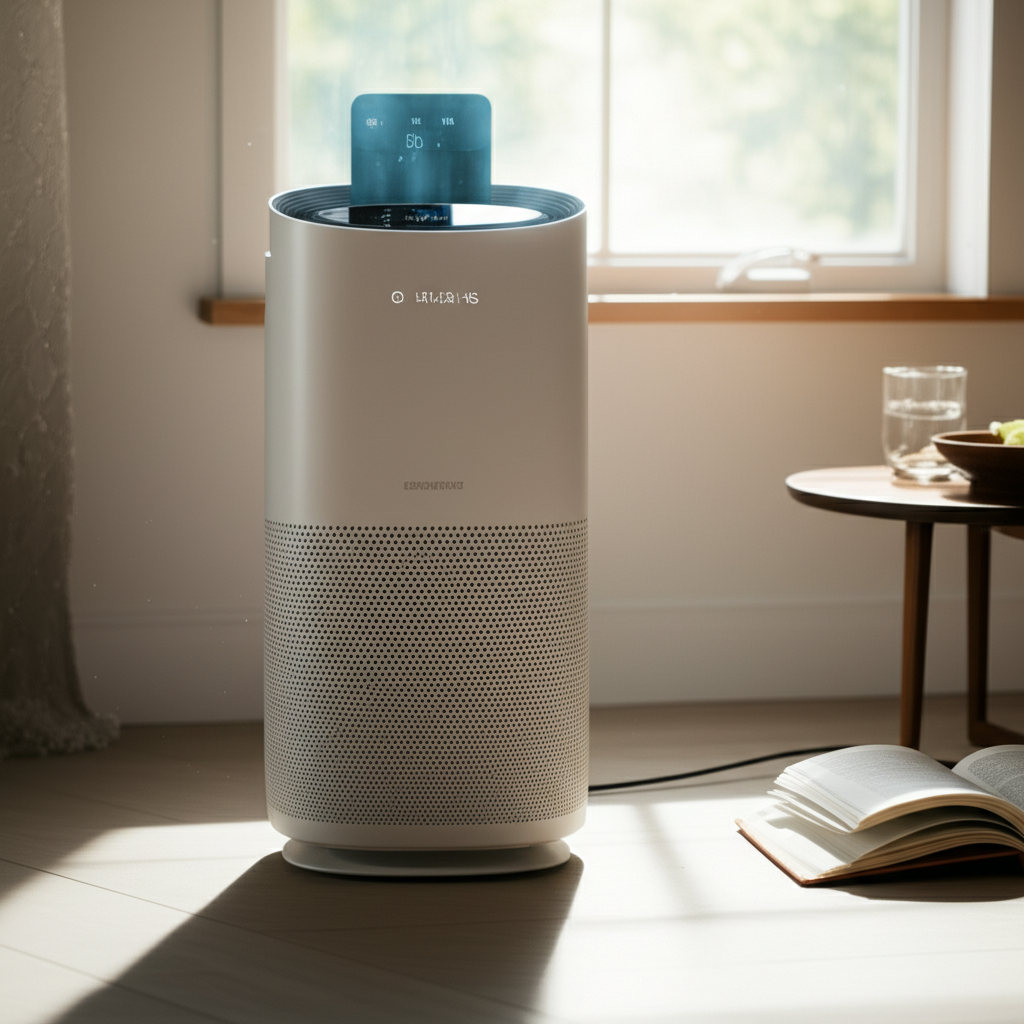
HEPA filters are the gold standard in air purification technology for particulate matter. They trap allergens like pollen and dust mites, as well as microscopic irritants like smoke particles and bacteria. When these allergens and irritants are removed from your breathing environment, your body doesn’t have to work as hard to fight them off. This reduction in environmental stress is a direct benefit to your immune system.
Activated Carbon Filters for Odors and Gases
While HEPA filters handle particles, activated carbon filters are crucial for adsorbing gases, odors, and VOCs released from common household items. These chemicals can irritate the lungs and contribute to various health issues, including respiratory problems that can impact immune function. An air purifier equipped with activated carbon helps create a healthier indoor environment by removing these less visible but potentially harmful airborne compounds.
Debunking the Myth: Air Purifiers and Reduced Immunity
The idea that air purifiers might reduce immunity stems from a misunderstanding of how the immune system functions and how air purifiers operate. The immune system needs exposure to pathogens to build its defenses, but this is different from constant exposure to non-pathogenic irritants and pollutants. Air purifiers do not sterilize the air to the point of preventing necessary immune development; rather, they remove environmental stressors. For instance, a study published in the Journal of Environmental Health Perspectives highlights the negative impact of indoor air pollution on respiratory health, indirectly affecting immune response.
Benefits of Using Air Purifiers for Immune Support
By removing allergens and irritants from your home, air purifiers can significantly reduce the symptoms associated with allergies and asthma. When your body is less occupied with allergic reactions and respiratory irritation, your immune system is freer to perform its primary function: defending against infections. This leads to fewer sick days and an overall improvement in well-being.
Reducing Allergy and Asthma Triggers
For individuals suffering from allergies or asthma, air purifiers can be a game-changer. Removing airborne allergens like pollen, dust mites, and pet dander from the air can dramatically decrease the frequency and severity of allergic reactions and asthma attacks. This relief allows the body to direct energy away from constant inflammatory responses and towards robust immune defense. Organizations like the Asthma and Allergy Foundation of America recommend air purifiers as part of a comprehensive management plan.
Minimizing Exposure to Airborne Pathogens
While air purifiers are not medical devices designed to kill viruses or bacteria, HEPA filters can capture a significant portion of airborne pathogens. By reducing the concentration of these particles in the air you breathe, you minimize your exposure and give your immune system a better chance to combat any pathogens that do enter your body. This is particularly beneficial during cold and flu season.
Improving Sleep Quality and Overall Health
Clean air contributes to better sleep quality, and adequate sleep is fundamental for a healthy immune system. When you breathe cleaner air, you’re less likely to experience nighttime congestion or coughing, leading to more restful sleep. Improved sleep allows your body to repair and regenerate, strengthening your immune defenses.
Choosing the Right Air Purifier for Your Needs
Selecting the best air purifier involves considering several factors, including room size, specific air quality concerns, and filter types. Look for models with True HEPA filters and adequate Clean Air Delivery Rate (CADR) for the space you intend to use it in. Brands like Coway, Blueair, and Levoit are often recommended for their effectiveness and reliability.
Key Features to Look For
When shopping for an air purifier, prioritize models with True HEPA filters, as they meet stringent standards for particle removal. Consider the CADR, which indicates how quickly the unit can filter a room of a certain size. Energy efficiency and noise levels are also important considerations for daily use. Some purifiers also offer smart features, like air quality sensors and app control, which can enhance user experience.
Understanding CADR and Room Size
The Clean Air Delivery Rate (CADR) is a measure of how effectively an air purifier can clean the air in a specific room size. A higher CADR means the unit can clean the air faster and more efficiently. Always match the purifier’s CADR to the square footage of your room to ensure optimal performance. For example, a purifier with a CADR of 200 for smoke is suitable for a room up to 200 square feet.
Maintenance and Best Practices for Air Purifiers
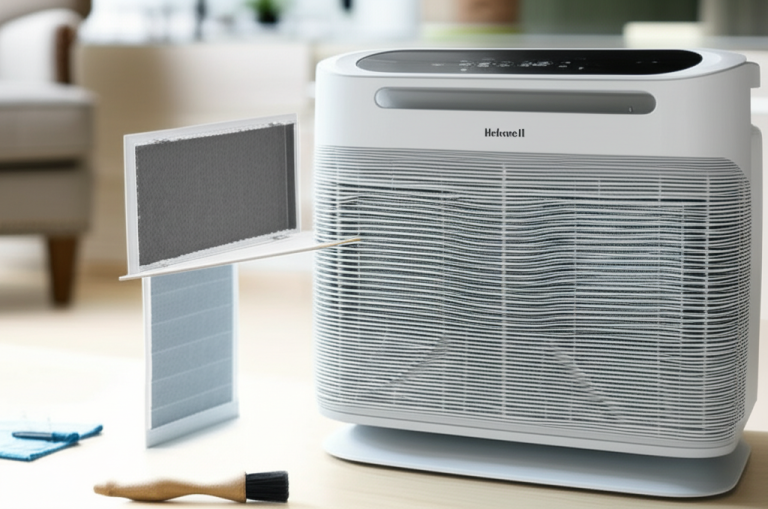
Proper maintenance is crucial for ensuring your air purifier continues to operate effectively and doesn’t become a source of pollutants itself. Regularly cleaning and replacing filters according to the manufacturer’s instructions is essential. This ensures that the unit can efficiently capture airborne contaminants without becoming overloaded.
Filter Replacement Schedule
HEPA and carbon filters have a limited lifespan and need to be replaced periodically. Pre-filters, if present, can often be washed. Follow the manufacturer’s guidelines for replacement, which typically range from six months to two years depending on filter type and usage. Neglecting filter replacement can reduce the purifier’s effectiveness and even lead to re-release of trapped particles.
Placement and Usage Tips
For optimal performance, place your air purifier in a location where air can circulate freely around it, avoiding corners or tight spaces. Running the unit continuously on a low to medium setting is generally more effective than intermittent high-speed operation. Keep windows and doors closed when the air purifier is in use to prevent polluted outdoor air from entering.
When to Consider an Air Purifier
If you or anyone in your household suffers from allergies, asthma, or other respiratory sensitivities, an air purifier can offer significant relief. They are also highly beneficial in homes with pets, smokers, or in urban environments with higher levels of outdoor air pollution. Air purifiers can also provide peace of mind for those concerned about general indoor air quality and its impact on long-term health.
Frequently Asked Questions
Can air purifiers make me sick by removing too much?
No, air purifiers do not remove beneficial components from the air or “over-clean” it to the detriment of your immune system. They remove harmful particles and pollutants.
Do air purifiers help with viruses?
While not designed as medical devices to kill viruses, HEPA filters can capture a significant percentage of airborne virus particles, reducing your exposure.
How often should I run my air purifier?
For maximum benefit, it’s generally recommended to run your air purifier continuously, especially in bedrooms and main living areas.
Can an air purifier cause lung damage?
No, properly functioning air purifiers with clean filters do not cause lung damage. They are designed to remove irritants that can damage lungs.
Is it bad to have an air purifier on all the time?
No, running an air purifier all the time is beneficial for maintaining consistent air quality and is not harmful.
Do air purifiers remove all germs?
Air purifiers with HEPA filters can capture a high percentage of airborne germs, but they do not eliminate all germs, nor do they actively kill them.
Conclusion: Air Purifiers Support, Not Suppress, Immunity
In summary, the notion that air purifiers reduce immunity is a misconception. By diligently removing allergens, pollutants, and irritants from your indoor environment, air purifiers actually play a supportive role in maintaining a healthy immune system. They alleviate the constant burden of fighting off environmental aggressors, allowing your body’s natural defenses to function more efficiently. Investing in a quality air purifier is an investment in cleaner air, better respiratory health, and a stronger, more resilient immune system. Enjoy the benefits of breathing easier and living healthier with purified air.