
Do You Leave Air Purifier On All Day? Essential Guide

Do You Leave Air Purifier On All Day? Essential Guide
Leaving your air purifier on all day is generally recommended for continuous air quality improvement, especially if you have allergies, asthma, or live in an area with poor air quality. However, the optimal usage can depend on the specific unit, your environment, and energy consumption goals. This guide will help you make the best decision for your home and health.
Breathing cleaner air at home is a growing concern for many, and air purifiers are often the go-to solution. But a common question arises: should you leave your air purifier running constantly, or is it okay to switch it off? Understanding the best practices for using your air purifier ensures you get the most benefit without unnecessary energy waste. We’ll explore the factors involved, from energy efficiency to maximizing air purification effectiveness, so you can confidently decide how long to run your device.
The Case for Leaving Your Air Purifier On All Day
Running your air purifier continuously is often the most effective way to maintain optimal indoor air quality. This constant operation helps to consistently remove airborne pollutants, ensuring that the air you breathe is always as clean as possible. It’s particularly beneficial for individuals with respiratory conditions or those living in areas prone to high pollution levels.
Continuous Pollutant Removal
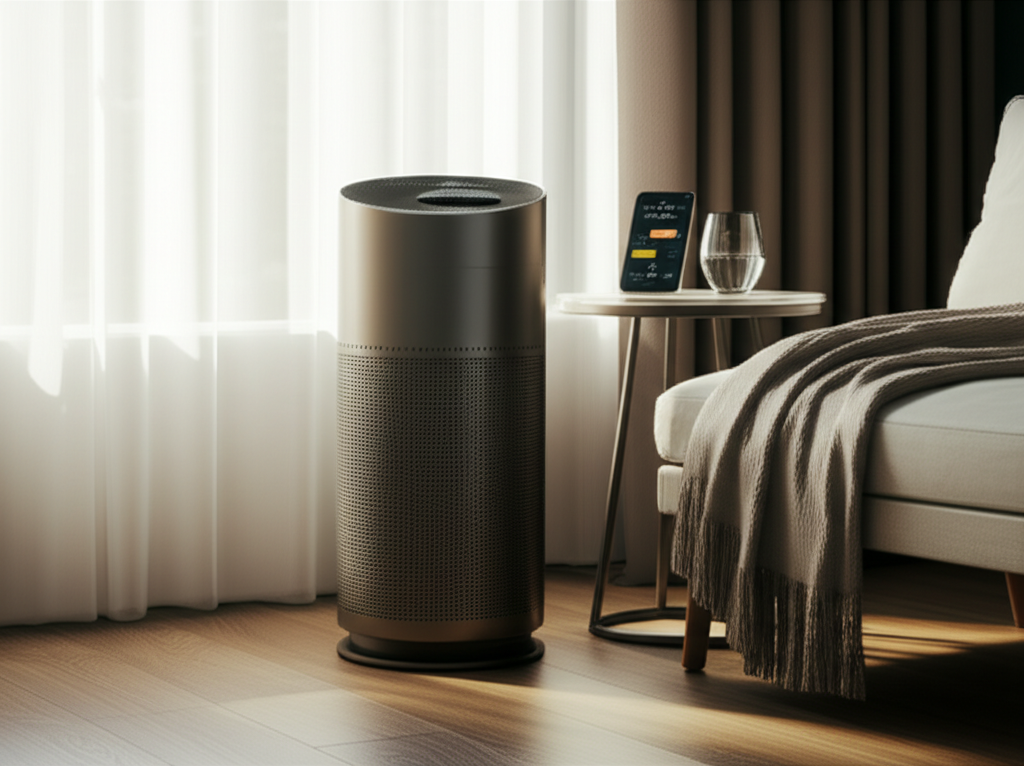
Air purifiers work by drawing in air, filtering out contaminants, and releasing cleaner air back into the room. When left on, they can continuously capture dust, pollen, pet dander, smoke particles, and volatile organic compounds (VOCs). This prevents pollutants from accumulating to significant levels, offering a consistent benefit to your indoor environment.
Ideal for Allergy and Asthma Sufferers
For those who suffer from allergies or asthma, leaving an air purifier on all day can significantly reduce symptom flare-ups. By constantly filtering out allergens like pollen, dust mites, and pet dander, the purifier creates a more comfortable living space. This consistent reduction in airborne irritants is key to managing chronic respiratory issues and improving overall well-being.
Maximizing Health Benefits
The health advantages of clean air extend beyond allergy relief. Continuous operation can help neutralize odors, reduce the spread of airborne viruses and bacteria, and remove harmful VOCs emitted from household products. This creates a healthier home environment for everyone, especially children and the elderly, contributing to better long-term health outcomes.
Energy Efficiency of Modern Air Purifiers
Many modern air purifiers are designed with energy efficiency in mind. They often feature low-wattage motors and automatic modes that adjust fan speed based on air quality. This means that running them 24/7 may not significantly increase your electricity bill, especially compared to the health benefits they provide. Always check the manufacturer’s specifications for energy consumption ratings.
When Turning Off Your Air Purifier Might Be Okay
While continuous operation is often ideal, there are specific situations where turning off your air purifier is acceptable or even preferable. These scenarios typically involve temporary needs or when certain conditions are met that minimize the need for constant filtration. Careful consideration of your specific environment and usage patterns can help you optimize your air purifier’s operation.
Short Absences from the Room
If you’re stepping out of a room for a short period, such as going to another part of the house or running a quick errand, there’s usually no need to turn off your air purifier. The air quality in that room will remain relatively stable during your brief absence. The device will continue its work, ensuring the air is clean upon your return.
When Air Quality is Already High
In situations where your indoor air quality is consistently excellent, and outdoor pollution levels are low, you might consider reducing the run time. This could be during periods of good weather with open windows for natural ventilation or in homes that have minimal sources of indoor pollutants. However, it’s crucial to monitor air quality to ensure it doesn’t degrade when the purifier is off.
During Deep Cleaning or Renovations
When undertaking major cleaning or renovations, the amount of dust and particulate matter can be overwhelming. While an air purifier can help, it might be more effective to turn it off temporarily if there’s a high risk of the filter becoming clogged too quickly. Consider running it before and after these activities to manage the air quality.
Specific Smart Modes and Schedules
Many advanced air purifiers come with smart features like timers, automatic modes, and scheduling capabilities. These allow you to set specific times for the purifier to run or to operate only when air quality sensors detect pollutants. Utilizing these features can help conserve energy while still ensuring effective air purification when it’s most needed.
Factors to Consider for Optimal Air Purifier Usage
Determining whether to leave your air purifier on all day involves several key considerations that impact its effectiveness and efficiency. By understanding these factors, you can tailor your usage to your specific needs and environment. This personalized approach ensures you maximize the benefits of your air purifier.
Room Size and Air Purifier Capacity
The effectiveness of an air purifier is closely tied to the size of the room it’s intended for. Ensure your air purifier has a sufficient Clean Air Delivery Rate (CADR) for the space. If the unit is undersized, running it continuously might still not achieve the desired air quality. Conversely, an oversized unit might clean the air very quickly, allowing for intermittent operation if desired.
Pollutant Levels in Your Home
Your home’s unique environment plays a significant role. If you have pets, frequently cook, live near a busy road, or have smokers in the household, pollutant levels will be higher. In such cases, continuous operation is highly recommended to combat the constant influx of contaminants.
Energy Consumption and Cost
While modern purifiers are often energy-efficient, it’s still a factor to consider. Check the wattage of your air purifier and estimate the potential increase in your electricity bill. For some, the cost might influence their decision to run it 24/7, especially if they are not particularly sensitive to air quality or don’t have high pollutant levels.
Noise Levels and Sleep Quality
Some air purifiers can produce a noticeable amount of noise, especially on higher settings. If you are sensitive to noise, running the purifier all day might disrupt your sleep or daily activities. Many models offer a “sleep mode” with reduced fan speed and quieter operation, making continuous use more feasible.
Filter Lifespan and Replacement Costs
Running your air purifier constantly will cause the filters to wear out faster, leading to more frequent replacements. Consider the cost and frequency of filter changes when deciding on usage. Manufacturers often provide estimated filter lifespans based on average usage patterns.
Understanding CADR and Room Coverage
Clean Air Delivery Rate (CADR) is a standardized measure that indicates how quickly an air purifier can clean the air in a specific room. It’s typically measured for three common pollutants: dust, pollen, and smoke. Understanding CADR is crucial for determining if your air purifier is adequately sized for your space and how long it needs to run to be effective.
What CADR Means for You
A higher CADR rating means the air purifier is more effective at removing pollutants. For example, a CADR of 200 for smoke means the unit can remove 200 cubic feet of smoke particles per minute. Manufacturers often provide a recommended room size based on the CADR ratings.
Matching Purifier to Room Size
To ensure your air purifier operates efficiently, it should be matched to the square footage of the room. If you have a large living area, you’ll need a purifier with a higher CADR and room coverage rating. Using an undersized unit, even if left on all day, may not sufficiently clean the air.
HEPA Filters and Their Role
High-Efficiency Particulate Air (HEPA) filters are a standard in most quality air purifiers. A true HEPA filter can capture at least 99.97% of airborne particles 0.3 micrometers in size. This includes common allergens and pollutants, making them essential for effective air purification.
Smart Features and Energy-Saving Modes
Modern air purifiers are increasingly equipped with smart technologies designed to enhance user experience and optimize energy consumption. These features can help you manage your air purifier’s operation effectively, ensuring clean air without unnecessary energy expenditure. Embracing these innovations can lead to a more efficient and personalized approach to air purification.
Automatic Air Quality Sensors
Many air purifiers now include sensors that detect the level of pollutants in the air. Based on this data, the purifier can automatically adjust its fan speed, running at a higher setting when pollution is detected and lowering it when the air is clean. This ensures optimal performance and energy efficiency.
Scheduling and Timers
Programmable timers and scheduling functions allow you to set specific times for your air purifier to operate. You can set it to run more frequently during peak pollution times (e.g., while cooking) or at night for better sleep. This offers a balance between continuous purification and energy conservation.
Energy Star Certification
Look for the Energy Star certification on air purifiers. This designation indicates that the appliance meets strict energy efficiency guidelines set by the U.S. Environmental Protection Agency. Energy Star certified purifiers use less energy than standard models, making them a more economical choice for all-day operation.
How to Optimize Your Air Purifier’s Performance
To get the most out of your air purifier, whether you leave it on all day or not, proper placement and maintenance are key. These steps ensure your device operates at peak efficiency and effectively cleans the air in your home. Regular attention to these details can prolong the life of your unit and its filters.
Strategic Placement in the Room
Place your air purifier in a location where it can effectively circulate air. Avoid placing it in corners or behind furniture, as this can obstruct airflow and reduce its effectiveness. An open area, away from walls and obstructions, is ideal for maximizing air intake and output.
Regular Filter Maintenance and Replacement
Filters are the heart of any air purifier. Regularly clean or replace them according to the manufacturer’s instructions. Clogged filters reduce airflow, decrease efficiency, and can even become a source of pollutants themselves. Check your filter’s condition monthly and replace it as recommended, typically every 6-12 months depending on usage and filter type.
Keeping Doors and Windows Closed
For an air purifier to work most effectively, it needs a relatively contained environment. Keeping doors and windows closed, especially during periods of high outdoor pollution or when running the purifier, prevents outdoor contaminants from entering and diluting the purified indoor air. This allows the purifier to focus on cleaning the air already within the space.
Using the Right Settings
Utilize the available settings on your air purifier to match your needs. If you have pets or allergies, a higher fan speed might be beneficial during the day. For sleep, a quieter, lower setting or the dedicated sleep mode is usually preferred. Many units also have an auto mode that adapts to changing air quality.
Air Purifier vs. Other Air Quality Solutions
While air purifiers are excellent tools for improving indoor air quality, they are not the only solution. Understanding how they compare to other methods can help you create a comprehensive strategy for a healthier home environment. Combining different approaches often yields the best results.
Ventilation and Natural Airflow
Opening windows and doors for natural ventilation can be highly effective when outdoor air quality is good. This method introduces fresh air and dilutes indoor pollutants. However, it’s not always feasible, especially in urban areas with high pollution or during allergy seasons.
Houseplants as Air Purifiers
Certain houseplants, like snake plants and spider plants, are known to filter some common indoor air pollutants. While they contribute to a healthier environment, their purifying capacity is limited compared to mechanical air purifiers. They are best used as a supplementary measure rather than a primary solution.
HVAC System Filters
Your home’s heating, ventilation, and air conditioning (HVAC) system often has filters that can capture some airborne particles. Upgrading to a higher MERV (Minimum Efficiency Reporting Value) rated filter can improve your HVAC system’s ability to clean the air. However, dedicated air purifiers often offer more advanced filtration and targeted pollutant removal.
Source Control of Pollutants
The most effective way to improve air quality is to reduce or eliminate pollutants at their source. This can involve using low-VOC paints and cleaning products, properly ventilating while cooking, and maintaining a clean home to minimize dust and mold. Air purifiers then work to capture any remaining airborne contaminants.
Common Air Purifier Myths Debunked
Several misconceptions surround air purifiers, leading to confusion about their effectiveness and optimal usage. Addressing these myths can help you make informed decisions and maximize the benefits of your device. Let’s clear the air on some common misunderstandings.
Myth: Air Purifiers Produce Ozone
Fact: While some older or cheaper air purification technologies (like ionizers) can produce ozone as a byproduct, most modern HEPA air purifiers do not. Reputable brands prioritize safety, and many are certified as low-ozone or ozone-free. Always check product specifications and certifications.
Myth: All Air Purifiers Are the Same
Fact: Air purifiers vary significantly in their technology, filter types (HEPA, activated carbon, etc.), CADR ratings, and coverage areas. Not all purifiers are equally effective against all types of pollutants. Choosing the right type for your specific needs is crucial.
Myth: Air Purifiers Are Only for People with Allergies
Fact: While highly beneficial for allergy and asthma sufferers, air purifiers offer advantages for everyone. They can remove odors, reduce airborne bacteria and viruses, and capture harmful VOCs, contributing to a generally healthier living environment for all occupants.
Myth: Once You Buy One, It Works Forever Without Maintenance
Fact: Air purifiers require regular maintenance, primarily filter replacement, to remain effective. Neglecting filter changes will significantly reduce performance and can even make the unit less efficient than not having one at all.
Frequently Asked Questions About Leaving Air Purifiers On All Day
Here are answers to some of the most common questions people have about running their air purifiers continuously.
Should I turn my air purifier off at night?
It’s generally recommended to leave your air purifier on all night, especially in the bedroom, as air quality can degrade significantly during sleep. Many models have quiet “sleep modes” that minimize noise and energy consumption, making continuous operation comfortable.
Will leaving my air purifier on all day increase my electricity bill significantly?
Modern air purifiers are designed to be energy-efficient, with many earning Energy Star certification. While there will be an increase, it’s often less than you might expect, especially when compared to the health benefits of consistently clean air. Check the wattage of your specific model for an estimate.
Can I leave my air purifier on when I’m not home?
Yes, you can safely leave your air purifier on when you’re not home. This allows it to continuously work on improving your indoor air quality, so you return to a cleaner environment. Smart features can help manage this usage efficiently.
How often should I replace the filters if I leave my air purifier on all day?
If you run your air purifier 24/7, you will likely need to replace the filters more frequently than the manufacturer’s standard recommendation. Check your filters monthly and consult your user manual for guidance based on continuous operation.
Is it better to run one large air purifier or multiple smaller ones?
For optimal air purification in a home, using multiple smaller, strategically placed air purifiers is often more effective than relying on a single large unit. This allows you to address air quality in different rooms where it’s most needed, ensuring consistent coverage.
What is the best setting for an air purifier if I leave it on all day?
The best setting often depends on your air purifier’s features. If it has an “Auto” mode with air quality sensors, that’s usually ideal for all-day use. Otherwise, a low or medium setting is often sufficient for continuous operation, with higher settings used as needed during peak pollution times.
Conclusion: The Verdict on All-Day Air Purifier Use
The question of do you leave air purifier on all day has a clear, beneficial answer for most households: yes, it’s generally the best practice. Continuous operation ensures a consistent reduction of airborne pollutants, providing optimal air quality for health and comfort, especially for those with respiratory sensitivities. Modern air purifiers are designed for energy efficiency, making round-the-clock use a viable and often cost-effective choice when considering the health advantages.
While there are specific instances where turning off your air purifier might be considered, such as short absences or when natural ventilation is excellent, the benefits of leaving it on all day typically outweigh the drawbacks. By understanding your unit’s capabilities, room size, and your home’s specific air quality needs, you can confidently ensure your air purifier is working effectively to create a healthier indoor environment for you and your family.
