
Do Personal Air Purifiers Work? Essential Guide

Yes, personal air purifiers can work effectively to improve air quality in your immediate personal space, but their effectiveness depends on the type, size, and the specific pollutants they are designed to tackle. Understanding their limitations and proper usage is key.
Breathing clean air is crucial for our well-being, yet many of us worry about the quality of the air we inhale daily, especially in our personal spaces. You might be wondering, “Do personal air purifiers work?” These compact devices promise a sanctuary of fresh air, but do they truly deliver on that promise? In this guide, I’ll break down how they function, what to consider, and how to get the most out of them, so you can make an informed decision for your health.
Understanding Personal Air Purifiers
Personal air purifiers are designed to clean the air within a small, localized area, such as your desk space, bedside table, or car. They work by drawing in surrounding air, filtering out pollutants, and releasing cleaner air back into your immediate vicinity.
These devices are typically small and portable, making them ideal for individual use. They employ various filtration technologies to remove airborne contaminants. Understanding these technologies is the first step to determining their effectiveness.
How Do Personal Air Purifiers Actually Work?
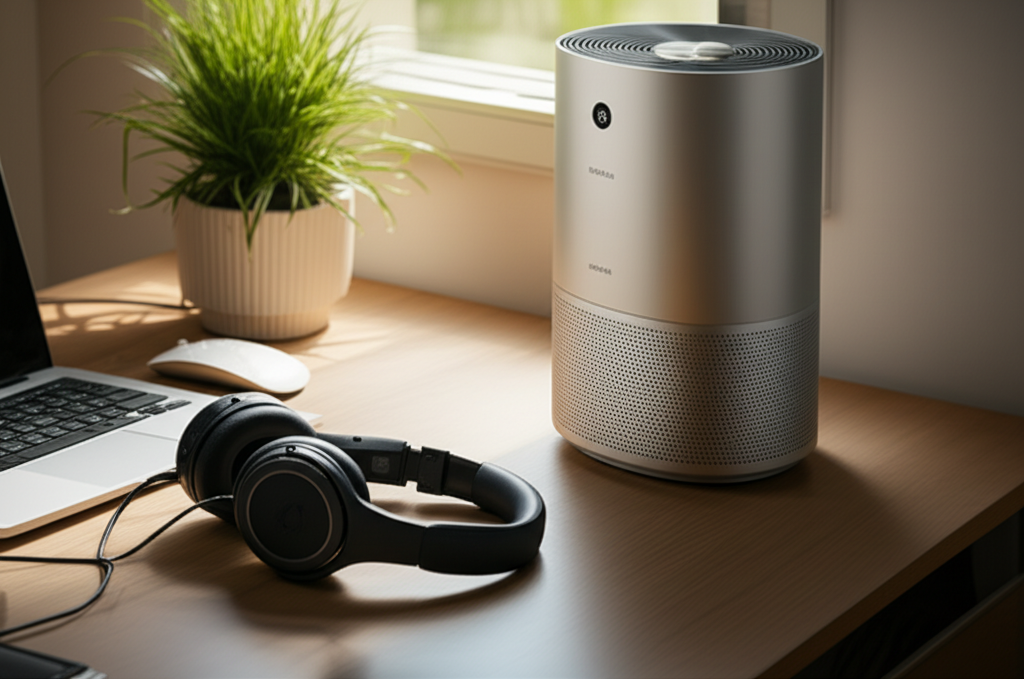
Personal air purifiers function by using a fan to pull air through a filtration system. The most common filtration method is High-Efficiency Particulate Air (HEPA) filtration, which captures tiny particles like dust, pollen, and pet dander. Other types might use activated carbon to absorb odors and volatile organic compounds (VOCs), or UV-C light to neutralize airborne microorganisms.
The Role of HEPA Filters in Personal Air Purifiers
HEPA filters are the gold standard for particle removal. A true HEPA filter must capture at least 99.97% of airborne particles 0.3 microns in size. For personal air purifiers, this means they can significantly reduce common allergens and irritants from your breathing zone.
Activated Carbon: Tackling Odors and Gases
While HEPA filters excel at particles, activated carbon filters are crucial for tackling gases, odors, and VOCs. These porous materials adsorb chemical pollutants, making the air smell fresher and reducing exposure to harmful fumes from cleaning products or off-gassing furniture.
UV-C Light Technology: A Deeper Clean?
Some personal air purifiers incorporate UV-C light. This technology aims to kill or inactivate airborne bacteria, viruses, and mold spores as they pass through the device. However, the effectiveness of UV-C in small personal units can vary, and it’s important to ensure sufficient exposure time for inactivation.
Factors Influencing the Effectiveness of Personal Air Purifiers
The effectiveness of a personal air purifier isn’t just about its technology; several other factors play a significant role. Considering these will help you understand if a personal unit is the right choice for your needs.
Coverage Area and CADR Ratings
A crucial factor is the Clean Air Delivery Rate (CADR), which indicates how quickly a purifier can clean the air in a specific room size. For personal purifiers, ensure the CADR is appropriate for the small space you intend to use it in, like your desk area. A higher CADR means faster air cleaning.
Filtration System Quality and Type
Not all filters are created equal. Look for purifiers with certified HEPA filters (e.g., H13 or H14) for superior particle capture. For odor and gas concerns, an adequate amount of activated carbon is essential. The combination of filters often provides the best overall air purification.
Airflow and Fan Speed Settings
The fan speed directly impacts how much air the purifier can process. Higher fan speeds clean the air more quickly but can also be noisier. Many personal units offer multiple settings, allowing you to balance purification power with noise levels for comfort.
Placement and Proximity to the User
For a personal air purifier to be most effective, it needs to be placed close to you. Aim to position it at a level where it can draw in air from your breathing zone and direct cleaner air back towards you. Avoid placing it too far away or obstructed by objects.
Do Personal Air Purifiers Work for Allergies?
Yes, personal air purifiers can be very effective for allergy sufferers by significantly reducing airborne allergens like pollen, dust mites, and pet dander in your immediate personal space.
If you suffer from seasonal allergies or have sensitivities to common indoor allergens, a personal air purifier can create a localized zone of cleaner air. This can provide much-needed relief while you work, sleep, or relax.
Reducing Airborne Allergens in Your Workspace
Placing a personal air purifier on your desk can help filter out allergens that might be circulating in your office or home workspace. This is particularly beneficial if you spend long hours at your desk and are sensitive to dust or pet dander.
Improving Sleep Quality for Allergy Sufferers
A small bedside air purifier can make a noticeable difference for allergy sufferers during sleep. By continuously filtering allergens from the air around your bed, it can lead to fewer nighttime awakenings and a more restful night.
Do Personal Air Purifiers Work for Smoke and Odors?
Personal air purifiers with activated carbon filters can help reduce smoke particles and neutralize common odors in your personal space, though they are less effective for large-scale smoke events.
While a personal unit won’t clear a room filled with smoke from a wildfire, it can help mitigate lingering odors from cooking, pets, or minor smoke exposure. The activated carbon component is key here for adsorning these smell-causing molecules.
Addressing Lingering Cooking Smells
If cooking smells tend to linger in your home, a personal air purifier placed in the kitchen or a common area can help adsorb those odors. It’s a supplementary tool to ventilation and other odor-control methods.
Mitigating Pet Odors
Pet owners often struggle with persistent odors. A personal air purifier can capture pet dander (a common allergen) and also help neutralize the airborne molecules that cause pet smells, creating a more pleasant personal environment.
Do Personal Air Purifiers Work for Viruses and Bacteria?
Personal air purifiers with HEPA filters can capture airborne viruses and bacteria, while those with UV-C light may offer additional inactivation, though their effectiveness is limited to the immediate vicinity.
For viruses and bacteria, the primary mechanism of capture is through HEPA filtration. UV-C light can offer an added layer of disinfection, but its efficacy in compact personal units is debated and depends heavily on design and exposure time.
HEPA Filtration’s Role in Capturing Microbes
Viruses and bacteria are tiny, but HEPA filters are designed to capture particles much smaller than them. By trapping these airborne pathogens, HEPA filters in personal purifiers can reduce the concentration of infectious agents in your personal breathing zone.
The Potential of UV-C Light
UV-C light damages the DNA of microorganisms, preventing them from reproducing. While promising, the intensity and duration of UV-C exposure in small personal purifiers might not always be sufficient for complete inactivation. It’s best viewed as a complementary feature rather than a primary defense.
Comparing Personal Air Purifiers to Room Air Purifiers
It’s important to understand how personal air purifiers differ from their larger counterparts. This distinction is crucial for setting realistic expectations about their capabilities.
Scope of Coverage
The most significant difference is the coverage area. Room air purifiers are designed to clean an entire room, whereas personal units focus on a very small, localized space. A personal purifier will not effectively clean a whole bedroom or living room.
Filtration Capacity and Airflow
Larger room air purifiers generally have more powerful fans and larger, more robust filtration systems. This allows them to process a greater volume of air and handle higher concentrations of pollutants across a wider area.
Portability vs. Power
Personal air purifiers excel in portability and convenience for individual use. Room air purifiers prioritize power and coverage, typically remaining stationary in a specific room. Choosing between them depends on your primary need: personal space optimization or whole-room purification.
When Are Personal Air Purifiers Most Useful?
Personal air purifiers are best suited for specific situations where localized air quality improvement is the primary goal. They are not a replacement for whole-home solutions but offer targeted benefits.
For Desk Workers and Office Spaces
If you work in an office with questionable air quality or share a space, a personal air purifier can create a cleaner bubble around your workstation. This can help reduce exposure to dust, office pollutants, and airborne germs.
Beside Your Bed for Improved Sleep
For individuals sensitive to allergens or pollutants, a bedside personal air purifier can enhance sleep quality. It ensures you’re breathing cleaner air throughout the night, which can be especially helpful during allergy seasons.
In Vehicles for Commuters
Car cabins can accumulate pollutants from traffic and recirculated air. A compact personal air purifier plugged into your car’s power outlet can help improve the air quality during your commute.
Limitations and What Personal Air Purifiers Cannot Do
It’s essential to be realistic about the capabilities of personal air purifiers. They are designed for a specific purpose and have inherent limitations.
They Cannot Purify an Entire Room
As mentioned, personal air purifiers are not designed to clean the air in a whole room. Their effectiveness diminishes rapidly with distance. Relying on one to purify a large space would be ineffective.
Not a Solution for Severe Air Pollution Events
During major events like wildfires or severe industrial pollution, personal air purifiers are insufficient. These situations require high-performance room air purifiers and, often, staying indoors with windows closed.
Dependence on Filter Replacement and Maintenance
Like all air purifiers, personal units require regular filter maintenance and replacement. Neglecting this can render the device ineffective and even lead to the recirculation of captured pollutants.
Choosing the Right Personal Air Purifier for You
When selecting a personal air purifier, consider your specific needs and the environment where you’ll use it. Here’s a quick checklist:
Filtration Type: Prioritize HEPA and sufficient activated carbon.
CADR: Ensure it’s suitable for your immediate personal space (e.g., a desk area).
Noise Level: Check decibel ratings if you’re sensitive to noise.
Portability: Consider size and power source (USB, battery, wall plug).
* Filter Replacement Costs: Factor in the ongoing expense of replacement filters.
Brands and Models to Consider (Examples)
While specific recommendations change rapidly, looking at reputable brands known for air purification technology is a good starting point. Examples might include compact models from Coway, Levoit, Blueair, or Dyson, specifically their smaller, personal-use devices. Always check recent reviews for the latest performance data.
Essential Maintenance for Peak Performance
To ensure your personal air purifier continues to work effectively, regular maintenance is non-negotiable. This typically involves cleaning pre-filters and replacing the main HEPA and carbon filters according to the manufacturer’s schedule. This is crucial for maintaining optimal air quality.
Frequently Asked Questions (FAQ)
Can a personal air purifier help with COVID-19?
A personal air purifier with a HEPA filter can help reduce the concentration of airborne virus particles, including SARS-CoV-2, in your immediate personal space. However, it is not a substitute for vaccination, mask-wearing, and ventilation.
How close do I need to be to a personal air purifier for it to work?
For maximum effectiveness, the personal air purifier should be within 3-5 feet of your breathing zone, such as on your desk or bedside table.
How often should I replace the filters in a personal air purifier?
Filter replacement schedules vary by model and usage, but generally, HEPA filters need replacement every 6-12 months, and carbon filters may need replacement more frequently, often every 3-6 months. Always check your manufacturer’s guidelines.
Are personal air purifiers noisy?
Noise levels vary significantly by model and fan speed. Many personal units are designed to be relatively quiet on lower settings, often between 25-50 decibels, which is comparable to a whisper or quiet library.
Can a personal air purifier remove formaldehyde?
Personal air purifiers with a substantial amount of activated carbon can help adsorb formaldehyde and other VOCs, but their effectiveness depends on the concentration and the filter’s capacity. They are most effective for low-level, localized exposure.
What is the difference between an air purifier and an ionizer?
Air purifiers primarily use filters (like HEPA) to capture pollutants. Ionizers release charged ions that attach to particles, causing them to fall out of the air or stick to surfaces; some ionizers can produce ozone, which can be harmful. Many personal purifiers focus on filtration.
Conclusion
So, do personal air purifiers work? Yes, they absolutely can, providing a tangible benefit by cleaning the air in your immediate personal space. They are excellent tools for targeting allergens, odors, and even some airborne pathogens right where you spend your time, whether at your desk, bedside, or in your car. However, it’s vital to understand their limitations: they are designed for localized areas and cannot replace whole-room purification or solve severe pollution issues. By choosing a unit with quality HEPA and carbon filtration, understanding its coverage, and maintaining it diligently, you can effectively enhance your personal air quality and breathe a little easier.
