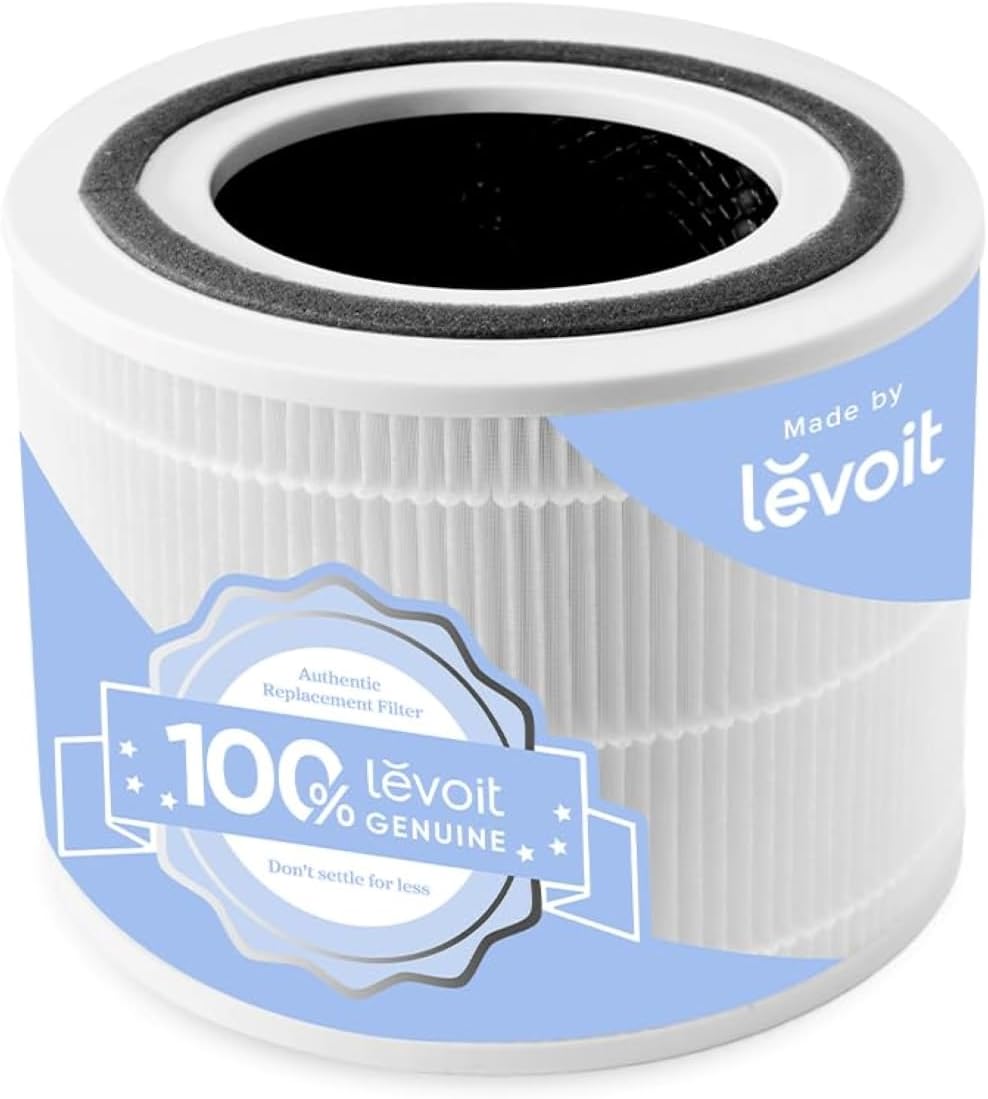
Do Air Purifiers Run Up Your Electric Bill? Essential Savings

Yes, air purifiers use electricity and can slightly increase your electric bill, but understanding their energy consumption and implementing smart strategies can ensure these increases are minimal and manageable, often outweighed by the health benefits.
Do Air Purifiers Run Up Your Electric Bill? Essential Savings Strategies
Are you wondering if adding an air purifier to your home will significantly impact your monthly electricity costs? It’s a common concern for many homeowners looking to improve indoor air quality without breaking the bank. The good news is that while air purifiers do consume power, their energy usage is often more modest than you might think. This guide will delve into how much electricity air purifiers use, what factors influence their consumption, and most importantly, how you can save money while enjoying cleaner air.
Understanding Air Purifier Energy Consumption
Air purifiers, like any electrical appliance, require power to operate their fans and internal components. The amount of electricity they consume is measured in watts, and this directly translates to how much they contribute to your electric bill. While some high-powered units might draw more energy, many modern air purifiers are designed with energy efficiency in mind.
What Determines an Air Purifier’s Energy Use?
Several factors dictate how much electricity an air purifier will use. The primary drivers include the unit’s motor strength, the fan speed settings, and the overall wattage rating of the device. Higher fan speeds and more powerful motors naturally require more energy.
The size of the air purifier and the area it’s designed to cover also play a role. Larger units intended for bigger rooms typically have more robust motors to circulate air effectively, potentially leading to higher energy consumption compared to smaller models for a single room.
The Role of Wattage and Energy Star Ratings
The wattage of an air purifier is its most direct indicator of energy use. A device with a lower wattage will consume less electricity. Many manufacturers clearly list the wattage on the product specifications or the unit itself.
Look for the Energy Star certification when purchasing an air purifier. Energy Star-certified products meet strict energy efficiency guidelines set by the U.S. Environmental Protection Agency, meaning they use significantly less energy than standard models without sacrificing performance.
How Much Electricity Does a Typical Air Purifier Use?
The energy consumption of air purifiers can vary widely, but most fall within a predictable range. Understanding this range helps set realistic expectations for their impact on your utility bills. Generally, a standard air purifier operates much like other common household appliances.
A typical air purifier might consume anywhere from 15 to 100 watts of power. For comparison, a standard LED light bulb uses about 10 watts, while a refrigerator can use anywhere from 100 to 200 watts when running. This means that a moderately used air purifier might add a relatively small amount to your monthly energy expenses.
Comparing Air Purifier Wattage to Other Appliances
To put it into perspective, consider the wattage of other common household items. A microwave oven can range from 800 to 1200 watts, a toaster from 800 to 1500 watts, and a clothes dryer can consume over 3000 watts. When viewed alongside these power-hungry appliances, the energy draw of an air purifier appears quite modest.
This comparison highlights that the added cost from an air purifier is often much less than one might initially fear, especially when compared to the energy usage of appliances that are used intermittently or for shorter periods.
Calculating the Cost: A Simple Example
Let’s calculate the potential cost of running an air purifier. Assume you have an air purifier that uses 50 watts and you run it continuously for 30 days.
First, convert watts to kilowatts: 50 watts / 1000 watts/kilowatt = 0.05 kilowatts.
Next, calculate daily kilowatt-hours (kWh): 0.05 kW 24 hours/day = 1.2 kWh/day.
Then, calculate monthly kWh: 1.2 kWh/day 30 days/month = 36 kWh/month.
If your electricity rate is $0.15 per kWh, the monthly cost would be: 36 kWh * $0.15/kWh = $5.40 per month. This is a minimal cost for continuous air purification.
Factors Influencing Air Purifier Energy Use
Beyond the basic wattage, other operational aspects of an air purifier can influence its overall energy consumption. Optimizing these factors can lead to significant savings over time. Understanding these nuances allows for more informed usage.
Fan Speed Settings
Most air purifiers offer multiple fan speed settings, typically ranging from low to high. Running the fan on a lower setting uses less energy than running it on high. While a higher setting might purify the air faster, a lower setting can maintain air quality with a fraction of the power consumption.
For continuous operation, a low or medium setting is often sufficient to keep the air clean without excessive energy use. Reserve high settings for periods when air quality is severely compromised or when you need a rapid purification.
Continuous vs. Intermittent Use
The decision to run your air purifier continuously or only when needed directly impacts its energy consumption. For optimal air quality, especially for individuals with allergies or respiratory issues, continuous operation is generally recommended. However, if your primary concern is occasional odor or pollutant reduction, intermittent use can save energy.
Consider using a timer function if your air purifier has one. This allows you to schedule operation for specific times of the day, such as during peak pollution hours or while you are home, further optimizing energy usage.
Filter Type and Maintenance
The type of filter an air purifier uses can indirectly affect its energy consumption. Some filters, particularly HEPA filters, can become clogged with dust and debris over time. A clogged filter restricts airflow, forcing the fan to work harder to pull air through, thus increasing energy use.
Regularly cleaning and replacing filters as recommended by the manufacturer is crucial. This not only ensures optimal purification performance but also maintains energy efficiency by preventing the fan from being overtaxed.
Maximizing Savings: Smart Air Purifier Usage
Implementing a few smart strategies can help you minimize the impact of your air purifier on your electric bill. These tips focus on efficient operation and thoughtful placement. By adopting these practices, you can enjoy the benefits of clean air without worrying about excessive energy costs.
Strategic Placement for Maximum Efficiency
Where you place your air purifier matters for its effectiveness and, consequently, its energy use. Placing it in a central location within the room it serves allows for better air circulation. Avoid placing it in corners or behind furniture, which can obstruct airflow.
Ensuring the unit has ample space around it to draw in and expel air freely will allow it to operate more efficiently. This means the fan doesn’t have to work as hard, leading to lower energy consumption and better air quality throughout the space.
Utilizing Timer and Smart Features
Many modern air purifiers come equipped with timers or smart home capabilities. Using these features can significantly reduce energy waste. You can program the unit to run only when you need it most, such as during the night or for a few hours before you arrive home.
Smart air purifiers can often be controlled via a smartphone app, allowing you to adjust settings remotely. This flexibility ensures you’re not unnecessarily running the unit when you’re away or when air quality is already good.
Choosing the Right Size and Model
Selecting an air purifier that is appropriately sized for the room you intend to use it in is paramount. An undersized unit will struggle to purify the air effectively, potentially leading to continuous high-speed operation and increased energy use. Conversely, an oversized unit might use more energy than necessary for a smaller space.
Always check the Clean Air Delivery Rate (CADR) to match the purifier’s capacity to your room size. Choosing a model with a good balance of CADR and low wattage will ensure efficiency.
Energy-Efficient Air Purifier Models
The market offers a growing selection of air purifiers specifically designed for energy efficiency. These models often incorporate advanced technologies to reduce power consumption without compromising performance. When shopping, look for specific features that indicate energy savings.
Energy Star Certified Air Purifiers
As mentioned, Energy Star certified models are a great starting point. These units have been independently verified to meet rigorous energy efficiency standards. They typically use 20-50% less energy than comparable non-certified models.
Many reputable brands now offer Energy Star options. Reading reviews and comparing specifications will help you find a unit that meets your air purification needs while also being kind to your electricity bill.
Low Wattage Consumption Models
Some air purifiers are designed with exceptionally low wattage consumption, even on higher settings. These might utilize more efficient motor technologies or optimized fan designs. For example, some units might operate at under 20 watts even on medium speed.
When comparing models, pay close attention to the wattage listed for each fan speed. This detailed information can help you make a more informed purchasing decision based on your priorities for both air quality and energy savings.
The Impact of HEPA Filters on Energy Use
HEPA (High-Efficiency Particulate Air) filters are highly effective at capturing tiny particles like dust, pollen, and mold spores. However, their dense construction can sometimes influence how an air purifier operates and its energy consumption. Understanding this relationship is key.
How HEPA Filters Work
HEPA filters work by forcing air through a very fine mesh that traps particles. This process is highly effective but can create some resistance to airflow. The denser the filter material and the more particles it captures, the greater this resistance can become.
This resistance means the fan in the air purifier may need to work slightly harder to draw air through the HEPA filter, especially as it becomes loaded with pollutants. This is why consistent filter maintenance is so important for maintaining efficiency.
Maintaining HEPA Filters for Efficiency
Regular maintenance of HEPA filters is the most effective way to ensure they don’t negatively impact energy consumption. Clogged HEPA filters restrict airflow, forcing the fan to expend more energy to achieve the desired air circulation. This can lead to both higher electricity bills and reduced purification effectiveness.
Follow the manufacturer’s recommendations for cleaning (if applicable) and replacing HEPA filters. Most manufacturers suggest replacement every 6 to 12 months, depending on usage and air quality. A clean filter ensures optimal airflow and minimal strain on the motor.
Air Purifier vs. Other Air Quality Solutions
When considering the energy costs of air purifiers, it’s helpful to compare them to other methods of improving indoor air quality. Some alternatives might have different energy profiles or upfront costs. This comparison helps weigh the overall value proposition.
HVAC System Air Filters
Your home’s central heating, ventilation, and air conditioning (HVAC) system also circulates air and filters it. Upgrading to a higher MERV-rated filter for your HVAC can improve indoor air quality. However, these filters can also increase the workload on your HVAC fan, potentially raising its energy consumption.
The energy used by your HVAC system to push air through a denser filter can be significant, often more than a dedicated air purifier running on a low setting. Therefore, a separate air purifier can sometimes be more energy-efficient for targeted purification.
Natural Air Purification Methods
Plants are often touted as natural air purifiers. While certain plants can help filter some volatile organic compounds (VOCs), their effectiveness in significantly improving overall indoor air quality is limited and not comparable to mechanical air purifiers. They require no electricity, but their purification capacity is minimal.
Ventilation, such as opening windows, is a free and effective way to refresh indoor air and reduce pollutant concentrations. However, this method is dependent on outdoor air quality and temperature, and can lead to energy loss from your home’s heating or cooling system.
Cost-Benefit Analysis: Health vs. Electricity Bill
Ultimately, the decision to use an air purifier often comes down to a cost-benefit analysis, with health and well-being being the primary benefits. The modest increase in electricity cost is typically far outweighed by the advantages of breathing cleaner air, especially for those with health concerns.
Health Benefits of Cleaner Air
For individuals suffering from allergies, asthma, or other respiratory conditions, cleaner indoor air can lead to significant improvements in symptoms. Reduced exposure to allergens, dust mites, pet dander, and airborne irritants can mean fewer doctor visits, less medication, and a better quality of life. The health benefits alone often justify the small energy expenditure.
The long-term health impacts of prolonged exposure to indoor air pollutants are a growing concern. Investing in an air purifier is an investment in your family’s health and comfort, providing peace of mind that you are actively mitigating these risks.
The True Cost of Air Purifiers
When considering the “true cost,” remember to factor in the energy consumption alongside the initial purchase price and filter replacement costs. As demonstrated, the ongoing electricity cost for many air purifiers is quite low, often just a few dollars per month. This makes them an accessible solution for many households.
The value derived from improved sleep, reduced allergy symptoms, and a generally healthier living environment often provides a return on investment that is measured in well-being rather than dollars saved.
Frequently Asked Questions (FAQ)
Do air purifiers use a lot of electricity?
No, most modern air purifiers are quite energy-efficient, typically using between 15 to 100 watts. This is comparable to or less than many other common household appliances.
Will an air purifier significantly increase my electric bill?
Generally, no. The increase is usually minimal, often just a few dollars per month, especially if you choose an Energy Star certified model or use it on lower fan settings.
How can I reduce the electricity usage of my air purifier?
You can reduce usage by running it on lower fan speeds, using timer functions, ensuring strategic placement for optimal airflow, and maintaining your filters regularly.
Are Energy Star certified air purifiers worth the extra cost?
Yes, Energy Star certified models are designed to use significantly less energy, often paying for themselves over time through electricity savings while providing excellent air purification.
How often should I run my air purifier?
For continuous benefits, running it most of the time is recommended, ideally on a low to medium setting. If you only need it for specific issues, using a timer can conserve energy.
Does the type of filter affect energy consumption?
Yes, clogged filters restrict airflow, forcing the fan to work harder and use more energy. Regular maintenance and replacement of filters, especially HEPA filters, are crucial for efficiency.
Can I run my air purifier 24/7?
Yes, you can run most air purifiers 24/7. They are designed for continuous operation. Running them on lower settings and ensuring good maintenance will keep the energy cost low.
Conclusion
So, do air purifiers run up your electric bill? The answer is yes, they do consume electricity, but typically not to an extent that causes significant financial strain. With a clear understanding of their energy usage, selecting energy-efficient models, and employing smart operational strategies, the impact on your monthly electricity bill can be kept remarkably low. The investment in an air purifier is often a small price to pay for the substantial health and comfort benefits of breathing cleaner, fresher indoor air. By following the essential savings tips outlined in this guide, you can confidently enjoy improved air quality without undue concern for your energy expenses.