Do Air Purifiers Make a Difference? Proven Health Benefits

Yes, air purifiers absolutely make a difference, offering proven health benefits by significantly improving indoor air quality and reducing exposure to common allergens, pollutants, and even viruses. They are a valuable tool for creating a healthier living environment.
The Clear Air Advantage: Do Air Purifiers Make a Difference?
Breathing in clean air is fundamental to our well-being, yet many of us are unknowingly exposed to a cocktail of pollutants within our own homes. Dust, pollen, pet dander, mold spores, and even volatile organic compounds (VOCs) from everyday products can trigger allergies, asthma, and other respiratory issues. If you’ve been wondering, “Do air purifiers make a difference?” the answer is a resounding yes, and this guide will walk you through the tangible health benefits they offer. We’ll explore how these devices work, what scientific evidence supports their effectiveness, and how they can transform your indoor environment into a sanctuary of fresh, healthy air.
Understanding Indoor Air Quality and Its Impact
Indoor air can be up to five times more polluted than outdoor air, according to the U.S. Environmental Protection Agency (EPA). This is due to a variety of factors, including poor ventilation, off-gassing from building materials and furniture, and the accumulation of biological contaminants. Living or working in a space with compromised air quality can lead to a range of health problems, from mild discomfort like headaches and fatigue to more serious conditions like respiratory infections and long-term lung damage. Recognizing the extent of this invisible threat is the first step toward seeking a solution.
The impact of poor indoor air quality can be subtle yet persistent, affecting everything from your sleep quality to your overall energy levels. Understanding the sources of these pollutants is crucial in appreciating how an air purifier can intervene.
How Do Air Purifiers Actually Work?
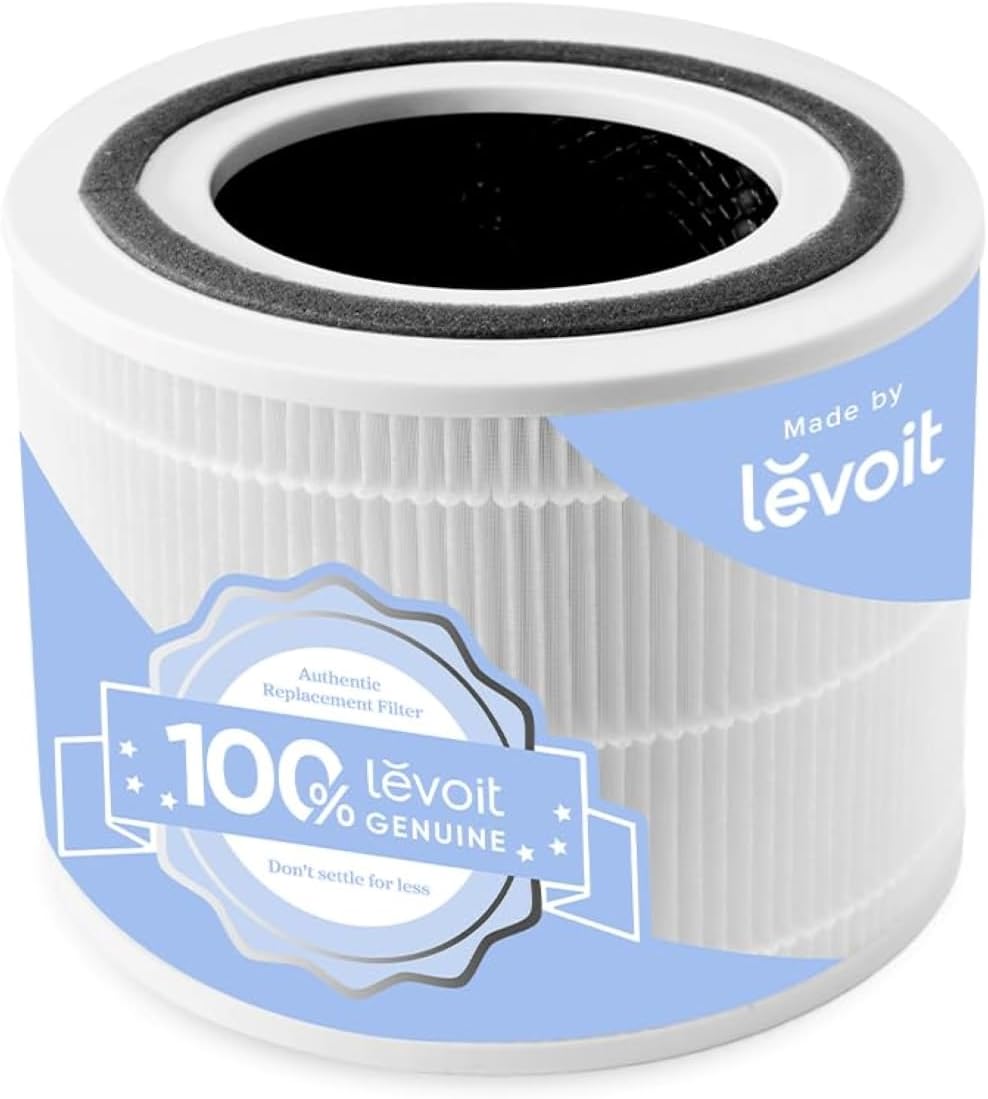
At their core, air purifiers are designed to remove airborne particles and contaminants from the air. Most modern units utilize a multi-stage filtration system to achieve this. The most common filtration technology is the High-Efficiency Particulate Air (HEPA) filter, which is designed to capture at least 99.97% of airborne particles 0.3 microns in size. Other filters, like activated carbon, target gases and odors, while pre-filters trap larger particles like hair and dust bunnies, extending the life of the primary filters.
The process typically involves a fan drawing air into the unit, passing it through these various filters, and then releasing cleaner air back into the room. The effectiveness of an air purifier depends heavily on the quality of its filters, the size of the unit relative to the room, and the airflow rate (CADR).
Proven Health Benefits: Allergy and Asthma Relief
For millions suffering from allergies and asthma, the question “Do air purifiers make a difference?” is answered with a desperate “yes.” Air purifiers are exceptionally effective at capturing common allergens like pollen, dust mites, pet dander, and mold spores. By reducing the concentration of these triggers in the air, they can significantly alleviate symptoms such as sneezing, coughing, itchy eyes, and shortness of breath.
A study published in the Journal of Allergy and Clinical Immunology found that HEPA air purifiers can reduce indoor allergen levels and improve respiratory health in individuals with allergic rhinitis. Consistent use can lead to fewer asthma exacerbations and a general improvement in the quality of life for those with respiratory sensitivities.
| Allergen Type | Common Sources | How Air Purifiers Help |
|—|—|—|
| Pollen | Outdoors (trees, grass, weeds) | Traps airborne pollen that enters the home. |
| Dust Mites | Bedding, carpets, upholstery | Removes dust mite feces and debris from the air. |
| Pet Dander | Skin flakes, saliva, urine from pets | Captures microscopic dander shed by cats, dogs, and other animals. |
| Mold Spores | Damp areas (bathrooms, basements) | Filters airborne mold spores, preventing their spread. |
Reducing Exposure to Airborne Viruses and Bacteria
Beyond allergens, air purifiers can also play a role in reducing the transmission of airborne viruses and bacteria. While they are not a substitute for good hygiene practices like handwashing and vaccination, they can help lower the concentration of infectious particles in the air, especially in shared or enclosed spaces. Some advanced air purifiers also incorporate technologies like UV-C light or ionization, which are designed to neutralize or kill microorganisms.
Research has indicated that air filtration systems can be effective in reducing the airborne concentration of influenza and other respiratory viruses. This is particularly relevant in settings like offices, schools, and healthcare facilities, where the risk of airborne transmission is higher. By continuously cleaning the air, purifiers contribute to a safer indoor environment.
Eliminating Odors and Improving Air Freshness
Have you ever walked into a room and been hit with unpleasant odors from cooking, pets, or smoke? Air purifiers equipped with activated carbon filters excel at adsorbing these odor-causing molecules. Activated carbon has a porous structure that traps volatile organic compounds (VOCs) and other gas-phase pollutants, leaving the air smelling fresher and cleaner.
This benefit extends beyond just masking unpleasant smells; it contributes to a more pleasant and comfortable living or working space. A home that smells fresh often feels cleaner and more inviting, enhancing the overall sensory experience of your environment.
Mitigating the Effects of VOCs and Chemical Pollutants
Many common household items, from cleaning products and air fresheners to new furniture and paints, release Volatile Organic Compounds (VOCs) into the air. These chemicals can cause a variety of health issues, including headaches, dizziness, nausea, and long-term damage to the liver, kidneys, and central nervous system. Air purifiers with robust activated carbon filters are crucial for removing these harmful gaseous pollutants.
By trapping VOCs, air purifiers help to create a healthier indoor atmosphere, reducing your family’s exposure to these invisible toxins. This is especially important for individuals with chemical sensitivities or those who spend a significant amount of time indoors.
Protecting Against Smoke and Wildfire Particulates
For those living in areas prone to wildfires or who are exposed to secondhand smoke, air purifiers offer a vital layer of protection. Wildfire smoke contains a complex mix of fine particulate matter, gases, and chemicals that can be extremely harmful to respiratory health. Similarly, secondhand smoke is laden with carcinogens and irritants.
HEPA filters are highly effective at capturing the fine particulate matter (PM2.5) that is a major component of smoke. By running an air purifier during periods of poor outdoor air quality or in the presence of smoke, you can significantly improve the air quality within your home, offering relief and protection.
Enhancing Sleep Quality and Cognitive Function
The quality of the air you breathe directly impacts your sleep and cognitive abilities. When your airways are irritated by allergens or pollutants, your sleep can be disrupted, leading to fatigue and reduced concentration during the day. By ensuring cleaner, fresher air, air purifiers can contribute to more restful sleep.
Improved sleep, in turn, can boost your mood, enhance your memory, and increase your overall productivity. Many users report feeling more refreshed and alert after incorporating an air purifier into their bedroom environment.
When Do Air Purifiers Make the Biggest Difference?
While air purifiers offer benefits year-round, they are particularly impactful in certain situations. This includes homes with pets, individuals with allergies or asthma, those living in areas with high outdoor pollution or wildfire smoke, and new homes where off-gassing from materials is a concern. They are also beneficial in smaller, poorly ventilated spaces where air can become stagnant.
The difference is most noticeable when an air purifier is properly sized for the room and run consistently. For those with specific concerns, such as severe allergies or a compromised immune system, an air purifier becomes an essential tool for maintaining a healthy living space.
Choosing the Right Air Purifier for Your Needs
When considering if an air purifier will make a difference for you, selecting the right model is key. Look for units with True HEPA filters, as these meet stringent standards for particle removal. Consider the Clean Air Delivery Rate (CADR) to ensure the purifier is powerful enough for the size of your room.
Additional features like activated carbon filters for odors and VOCs, pre-filters for larger particles, and quiet operation modes can enhance the user experience. Researching reputable brands and reading reviews can help you make an informed decision that aligns with your specific health goals and budget.
Frequently Asked Questions About Air Purifiers
Do air purifiers actually remove dust?
Yes, air purifiers with HEPA filters are very effective at capturing airborne dust particles, significantly reducing the amount of dust that settles on surfaces.
Can air purifiers help with mold?
Air purifiers can help by capturing airborne mold spores, preventing them from spreading throughout your home. However, they do not address the source of mold growth, which requires addressing moisture issues.
Are air purifiers noisy?
The noise level varies by model and fan speed. Many modern air purifiers are designed for quiet operation, especially on lower settings, making them suitable for bedrooms.
How often do I need to replace the filters?
Filter replacement schedules vary by manufacturer and usage, but typically HEPA filters need replacement every 6-12 months, and activated carbon filters may need replacing more frequently.
Can air purifiers remove odors from cooking?
Yes, air purifiers equipped with activated carbon filters are excellent at adsorbing and neutralizing a wide range of odors, including those from cooking.
Are ozone-generating air purifiers safe?
No, ozone-generating air purifiers are generally not recommended. Ozone can be a lung irritant and may exacerbate respiratory problems, even at low levels. It’s best to opt for purifiers that do not produce ozone.
Conclusion: The Undeniable Difference of Clean Indoor Air
In conclusion, the evidence is clear: air purifiers do make a significant difference in improving indoor air quality and contributing to better health. From alleviating allergy and asthma symptoms to reducing exposure to harmful pollutants, viruses, and odors, these devices offer tangible benefits for a healthier home environment. By investing in a quality air purifier, you are taking a proactive step towards breathing easier, sleeping better, and enhancing your overall well-being. Make the smart choice for your health and experience the transformative power of truly clean air.
If you’re ready to create a healthier sanctuary, exploring our range of air purifiers can help you find the perfect solution.