
Do Air Purifier Produce Ozone: Essential Safety Facts

{
“@context”: “https://schema.org”,
“@type”: “Article”,
“headline”: “Do Air Purifiers Produce Ozone? Essential Safety Facts for Your Home”,
“description”: “Discover if air purifiers produce ozone and learn essential safety facts. Understand ozone generation, health risks, and how to choose a safe air purifier for cleaner indoor air.”,
“image”: “https://homehygia.com/images/do-air-purifiers-produce-ozone.jpg”,
“author”: {
“@type”: “Person”,
“name”: “Home Hygia Expert”
},
“publisher”: {
“@type”: “Organization”,
“name”: “Home Hygia”,
“logo”: {
“@type”: “ImageObject”,
“url”: “https://homehygia.com/logo.png”
}
},
“datePublished”: “2023-10-27T10:00:00+00:00”,
“dateModified”: “2023-10-27T10:00:00+00:00”,
“mainEntityOfPage”: {
“@type”: “WebPage”,
“@id”: “https://homehygia.com/do-air-purifiers-produce-ozone”
}
}
Do Air Purifiers Produce Ozone? Essential Safety Facts for Your Home
Do air purifiers produce ozone? It’s a common concern, especially with the rise of air purification technology. While some types can, many modern units are designed to be ozone-free. This guide will demystify ozone generation, its health impacts, and how to choose a safe air purifier for your peace of mind. Let’s explore the essential safety facts.
Understanding Ozone and Air Purifiers
Ozone is a gas made of three oxygen atoms. While beneficial in the Earth’s upper atmosphere, it can be harmful when inhaled at ground level. Certain air purification technologies, particularly older or less regulated ones, can inadvertently produce ozone as a byproduct. This raises important questions about the safety of using these devices in our homes.
It’s crucial to understand which types of air purifiers might generate ozone and why. This knowledge empowers you to make informed decisions for a healthier living environment.
How Do Air Purifiers Generate Ozone?
Some air purifiers create ozone intentionally or unintentionally through specific purification methods. The most common methods involve electrical processes that can break apart oxygen molecules, which then recombine into ozone. Understanding these mechanisms is key to identifying potential ozone producers.
Let’s look at the technologies that can contribute to ozone production:
- Ionizers: These devices release negatively charged ions into the air, which attach to airborne particles. Sometimes, this process can also produce ozone.
- Ozone Generators: These are designed specifically to produce ozone, often marketed for odor removal. However, they are generally not recommended for occupied spaces due to health concerns.
- UV-C Lights: While primarily used to kill germs, some UV-C lamps can produce small amounts of ozone.
These technologies, while effective at air cleaning, require careful consideration regarding their ozone output.
The Health Risks Associated with Ozone Inhalation
Inhaling ozone, even at low levels, can irritate your respiratory system and worsen existing lung conditions. It can cause coughing, shortness of breath, and chest pain. Prolonged exposure can lead to more serious health problems, making ozone a significant concern for indoor air quality.
The U.S. Environmental Protection Agency (EPA) strongly advises against using air purifiers that intentionally produce ozone. Even low levels can be detrimental, especially for vulnerable groups like children, the elderly, and those with asthma or other respiratory illnesses. It’s vital to prioritize air purifiers that do not contribute to ozone pollution in your home.
The following are key health impacts:
- Irritated airways
- Aggravated asthma and other lung diseases
- Reduced lung function
- Increased susceptibility to respiratory infections
Protecting your family’s health means choosing devices that actively avoid ozone generation.
Types of Air Purifiers and Their Ozone Output
Not all air purifiers are created equal when it comes to ozone production. Some technologies are inherently prone to generating ozone, while others are designed to be ozone-free. Knowing the difference helps you select a safe and effective device for your home.
Here’s a breakdown of common air purifier types and their potential ozone output:
| Air Purifier Type | Ozone Generation Potential | Explanation |
|---|---|---|
| HEPA Air Purifiers | Very Low / None | HEPA filters capture particles physically and do not produce ozone. |
| Activated Carbon Filters | None | These filters adsorb gases and odors without creating ozone. |
| Ionizers | Can Produce Ozone | Electrical discharge can create ozone as a byproduct. |
| Ozone Generators | High (Intentional) | Designed to produce ozone, generally not recommended for occupied spaces. |
| UV-C Light Purifiers | Low (Potential) | Some UV-C lamps can generate small amounts of ozone. |
When selecting an air purifier, prioritize models that rely on passive filtration methods like HEPA and activated carbon. These are your safest bets for ozone-free air purification.
HEPA Filters: A Safe and Effective Solution
High-Efficiency Particulate Air (HEPA) filters are widely recognized as the gold standard for capturing airborne particles. They work by physically trapping pollutants like dust, pollen, pet dander, and mold spores. Crucially, HEPA filters do not use any electrical processes that would generate ozone.
A true HEPA filter captures at least 99.97% of particles that are 0.3 microns in size. This makes them incredibly effective for improving indoor air quality without introducing harmful byproducts like ozone. Many reputable brands, such as Coway and Blueair, offer excellent HEPA-based air purifiers.
By choosing a HEPA air purifier, you can effectively clean your air while ensuring it remains free from ozone. This passive filtration method is both safe and highly efficient for a healthier home environment.
Activated Carbon Filters: Tackling Odors and VOCs Safely
Activated carbon filters are excellent at removing gases, odors, and volatile organic compounds (VOCs) from the air. They achieve this through adsorption, where gas molecules stick to the porous surface of the carbon. This process is entirely passive and does not involve any electrical discharge, meaning activated carbon filters do not produce ozone.
When combined with a HEPA filter, activated carbon creates a powerful dual-action system. This combination effectively tackles both particulate matter and gaseous pollutants. Brands like Levoit often feature this combination in their popular models, offering comprehensive air cleaning.
Using an air purifier with both HEPA and activated carbon filters provides a robust solution for cleaner air without the risk of ozone generation.
The Role of Ionizers and Potential Ozone Concerns
Ionizers work by emitting negative ions that attach to airborne particles, causing them to clump together and fall out of the air or stick to surfaces. While effective at reducing visible dust, this electrical process can also produce ozone as a byproduct. The amount of ozone produced can vary significantly between models and operating conditions.
Some ionizers are designed to minimize ozone production, and many have features that can be turned off. However, it’s essential to be aware of the potential for ozone release. For individuals sensitive to ozone, it’s often best to opt for ozone-free technologies like HEPA filtration.
If you are considering an air purifier with an ionizer function, look for models certified by organizations like the California Air Resources Board (CARB) for low ozone emissions. This certification ensures the device meets strict ozone production limits.
UV-C Light Technology: A Closer Look at Ozone
UV-C light is used in some air purifiers to kill bacteria, viruses, and mold spores. While effective for sterilization, certain wavelengths of UV-C light can also break apart oxygen molecules, leading to the formation of ozone. The amount of ozone produced is typically very small and depends on the intensity and wavelength of the UV-C lamp.
Many manufacturers design their UV-C systems to minimize ozone production or include features to prevent it. However, it’s still a factor to consider, especially if you are particularly sensitive to ozone. Always check the product specifications and certifications regarding ozone output.
For maximum safety, look for air purifiers that use UV-C technology in conjunction with other methods, like HEPA filtration, and ensure they have low or no ozone emission ratings.
Choosing an Ozone-Free Air Purifier: What to Look For
Selecting an air purifier that doesn’t produce ozone is straightforward when you know what to look for. Prioritize devices that rely on mechanical filtration and adsorption. Always check for certifications and product specifications to confirm ozone-free operation.
Here are key features and certifications to consider:
- HEPA Filtration: Ensures physical capture of particles without ozone generation.
- Activated Carbon Filtration: Effectively removes odors and gases passively.
- Ozone-Free Certification: Look for labels like “Ozone-Free” or certifications from reputable bodies.
- CARB Certification: The California Air Resources Board (CARB) sets strict ozone emission limits for air purifiers sold in California. Devices certified by CARB are a safe choice.
- UL Certified: While UL certification focuses on electrical safety, some UL-listed products also adhere to ozone emission standards.
By focusing on these aspects, you can confidently choose an air purifier that enhances your home’s air quality without introducing ozone.
Understanding Air Purifier Certifications and Standards
Certifications provide an independent assurance of an air purifier’s performance and safety. When it comes to ozone, specific certifications are particularly important. Understanding these standards helps you trust the claims made by manufacturers and make a truly informed purchase.
The most critical certification to look for regarding ozone is from the California Air Resources Board (CARB). CARB maintains a list of air cleaning devices that comply with their stringent ozone emission limits. Any air purifier on the CARB-compliant list is a safe bet for ozone-free operation.
Other certifications like Energy Star can indicate energy efficiency, and UL certification focuses on electrical safety, but CARB is the primary standard for ozone emissions. Always verify a product’s compliance with these standards before buying.
Do Air Purifiers Produce Ozone? Your Questions Answered (FAQ)
What is the safest type of air purifier regarding ozone?
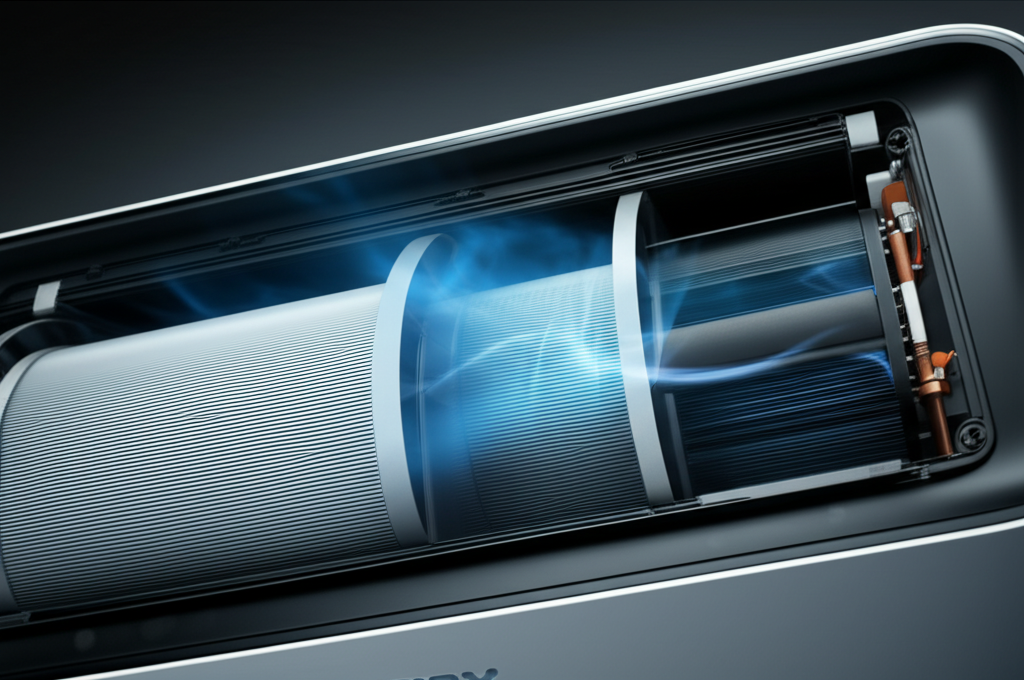
The safest types of air purifiers are those that use only mechanical filtration, such as HEPA filters, and adsorption, like activated carbon filters. These technologies do not involve electrical processes that generate ozone.
Can a HEPA filter produce ozone?
No, a true HEPA filter does not produce ozone. It works by physically trapping particles, making it an ozone-free purification method.
Are ionizers safe if they produce a small amount of ozone?
While some ionizers produce very low levels of ozone, it’s still a potential irritant. For maximum safety, especially for those with respiratory sensitivities, ozone-free purifiers are recommended.
What does CARB certification mean for an air purifier?
CARB certification means an air purifier has been tested and meets the strict ozone emission limits set by the California Air Resources Board, ensuring it is safe for indoor use.
Should I worry about ozone from UV-C light air purifiers?
You should be aware that some UV-C purifiers can produce small amounts of ozone. Look for models specifically designed to minimize or eliminate ozone production, or those with CARB certification.
How can I tell if my air purifier is producing ozone?
Ozone has a distinct metallic or chlorine-like smell. If you notice such an odor, especially when the purifier is running, it might be producing ozone. However, absence of smell doesn’t guarantee absence of ozone, so checking certifications is key.
Are “ozone-free” air purifiers truly ozone-free?
Reputable “ozone-free” air purifiers, especially those with HEPA and activated carbon filters and CARB certification, are designed to produce negligible or no ozone. Always look for independent certifications to confirm.
Conclusion: Breathe Easy with Ozone-Free Air Purification
Understanding whether air purifiers produce ozone is vital for maintaining a healthy home environment. While some technologies, like older ionizers or specific UV-C lamps, can generate ozone, many modern air purifiers are designed to be completely ozone-free. The key is to prioritize devices that utilize HEPA filtration and activated carbon, as these methods are safe and highly effective.
Always look for certifications like CARB to ensure your chosen air purifier meets stringent ozone emission standards. By making informed choices, you can confidently use air purifiers to improve your indoor air quality, knowing you are breathing clean, safe air, free from harmful ozone. Invest in your health and peace of mind by selecting an ozone-free air purification solution today.
