
Do Air Purifier Necklace Work? Essential Proven Results

Air purifier necklaces claim to offer personal protection against airborne pollutants, but do air purifier necklaces work? Scientific evidence is limited, and most studies suggest they provide minimal, if any, significant air purification benefits compared to larger, established air purification systems.
Air purifiers worn around the neck, often called personal air purifiers or ionic necklaces, have gained attention for their promise of creating a personal bubble of clean air. Many people wonder if these small devices are a viable solution for improving air quality, especially in environments where traditional purifiers aren’t practical. If you’re considering one, understanding their actual effectiveness is crucial. This article dives deep into the science, user experiences, and expert opinions to answer the question: do air purifier necklaces work? We’ll explore what they are, how they’re supposed to function, and what the research truly says about their performance.
What Are Air Purifier Necklaces?
Air purifier necklaces are compact electronic devices designed to be worn around the neck. They typically utilize ionization technology to release negative ions into the air. The theory is that these negative ions attach to airborne particles like dust, pollen, and smoke, causing them to become heavier and fall to the ground, or be repelled away from the wearer’s breathing zone. They are marketed as a portable solution for cleaner personal air.
These devices aim to provide a shield against common allergens and pollutants you might encounter throughout your day. They are often promoted as a discreet and convenient way to breathe easier, especially for individuals sensitive to air quality. The appeal lies in their portability and the idea of having a personal air purification zone wherever you go.
How Do Air Purifier Necklaces Claim to Work?
The primary mechanism behind most air purifier necklaces is the generation of negative ions. This process, known as bipolar ionization, is intended to create an electrostatic field around the wearer. When negative ions are released, they are supposed to bind with positively charged particles in the air, such as dust, mold spores, bacteria, and smoke. This binding process can neutralize some pollutants or cause them to clump together.
The goal is to make these particles too heavy to remain suspended in the air you breathe. They might then fall to surfaces or be pushed away from your immediate vicinity. Some manufacturers also suggest that negative ions can have mood-boosting effects, though this is largely anecdotal and not scientifically proven for these devices.
The Science Behind Ionization and Air Purification
Ionization technology, when applied in larger, controlled environments like some commercial air purifiers, can indeed reduce certain airborne particles. Negative ions are naturally found in environments like waterfalls and forests, contributing to a feeling of freshness. In these contexts, they can help clear the air. However, the effectiveness of ionization in a personal, portable device is a different matter entirely.
The science of ionization involves creating charged particles. When applied to air purification, the concept is to charge pollutants so they are either attracted to a collection plate or repelled from a breathing area. For air purifier necklaces, the limited power source and small size present significant challenges to generating enough ions to make a substantial difference in a person’s immediate airspace.
Scientific Studies on Personal Air Purifier Effectiveness
When we look at empirical evidence, the results regarding the effectiveness of personal air purifier necklaces are largely disappointing. Numerous scientific studies have investigated the efficacy of portable ionizers and personal air purifiers. The general consensus from these studies is that they produce very low levels of negative ions and have a negligible impact on air quality in the immediate breathing zone of the user.
For example, research published in journals like the Journal of the Air & Waste Management Association has found that personal air purifiers often fail to significantly reduce particulate matter concentrations. The limited output of ions and the small area they can influence mean that any purification effect is minimal, especially when compared to the volume of air a person breathes.
What Do Experts Say About Air Purifier Necklaces?
Air quality experts and environmental health professionals often express skepticism about the claims made by manufacturers of air purifier necklaces. Their primary concern is the lack of robust scientific evidence to support the purported benefits. Many experts point out that for ionization to be effective, a significant amount of negative ions needs to be produced, and these ions need to be delivered effectively to the target area.
Dr. Michael T. Osterholm, an infectious disease expert, has previously stated that personal air purifiers are unlikely to provide meaningful protection against airborne pathogens. He emphasizes that while the concept sounds appealing, the reality of their performance often falls short of expectations, particularly in complex environments with varied air currents and pollutant levels.
Comparing Air Purifier Necklaces to Other Air Purification Methods
It’s essential to compare air purifier necklaces to other, more established air purification methods to understand their limitations. Traditional air purifiers, such as those using HEPA filters, are designed to physically capture a high percentage of airborne particles. These devices have a much larger fan and filter system, allowing them to process a significant volume of air.
HEPA Filter Air Purifiers: These are widely recognized for their effectiveness in removing particles like dust, pollen, pet dander, and mold spores. They work by physically trapping pollutants in a fine mesh.
Activated Carbon Filters: Often used in conjunction with HEPA filters, these are effective at absorbing gases, odors, and volatile organic compounds (VOCs).
Larger Ionizers and Electrostatic Precipitators: While ionization technology is used in some larger units, these are designed to produce a much higher output of ions and often include collection plates to trap charged particles.
Air purifier necklaces, by contrast, operate on a much smaller scale with limited power, making their purification capacity significantly lower.
Potential Downsides and Risks of Air Purifier Necklaces
Beyond their questionable effectiveness, air purifier necklaces can also pose potential downsides. One significant concern is the production of ozone. While many devices are marketed as ozone-free, some ionization processes can inadvertently generate small amounts of ozone as a byproduct. Ozone is a lung irritant, and inhaling it can exacerbate respiratory conditions like asthma.
Another potential risk is the false sense of security they may provide. Users might believe they are adequately protected and therefore take fewer precautions against airborne hazards. This is particularly concerning in situations where genuine protection is needed, such as during periods of high pollution or when exposed to infectious agents.
User Experiences and Reviews of Air Purifier Necklaces
User experiences with air purifier necklaces are often mixed, with many reporting little to no noticeable difference in air quality or their personal health. While some individuals claim to feel better or experience fewer allergy symptoms, these effects are difficult to attribute solely to the necklace due to the placebo effect and the variability of personal sensitivities.
Many reviews highlight the lack of tangible proof of effectiveness. Users often find that the devices produce no discernible airflow or fan noise, which can be an indicator of their limited operational capacity. Testimonials from individuals with severe allergies or respiratory issues tend to be more critical, as they often require more robust air purification solutions.
Are There Any Proven Benefits of Air Purifier Necklaces?
Based on current scientific understanding and available research, there is very little to no conclusive evidence that air purifier necklaces provide essential or proven benefits in terms of significant air purification. The claims made by many manufacturers are not supported by independent scientific studies. The limited output of ions and the small area of influence mean that any potential impact on air quality is likely to be negligible.
While some users report feeling a subjective benefit, this is often attributed to the placebo effect or other environmental factors. For individuals seeking genuine protection from airborne pollutants, more established and scientifically validated methods of air purification are recommended.
Key Considerations When Evaluating Air Purifier Necklaces
When considering any personal air purification device, including necklaces, it’s important to approach the claims with a critical eye. Here are key factors to evaluate:
Scientific Evidence: Look for independent, peer-reviewed studies that validate the device’s claims. Be wary of manufacturer-funded research.
Ion Output: While hard to verify without specialized equipment, consider if the device is designed to produce a sufficient concentration of ions to have an effect.
Ozone Production: Check if the device is certified as ozone-free by reputable organizations.
Comparison to Proven Technologies: Understand how the device stacks up against HEPA filters and other established air purification methods.
Price vs. Value: Consider the cost in relation to the demonstrable benefits, which, for these necklaces, are often minimal.
Frequently Asked Questions About Air Purifier Necklaces
Do air purifier necklaces actually clean the air?
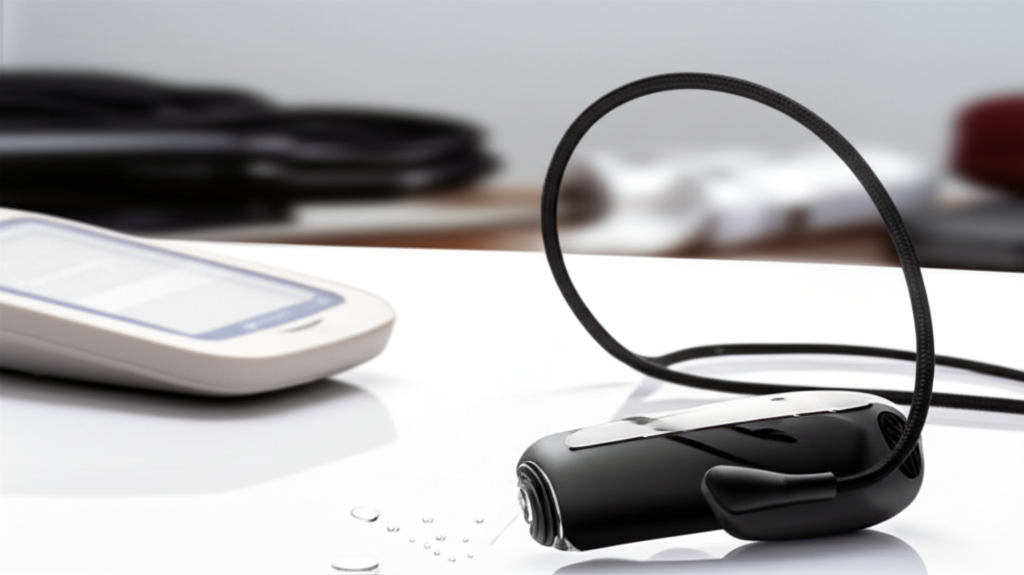
Most scientific evidence suggests that air purifier necklaces have a negligible effect on cleaning the air. They produce very few negative ions, and the area they can influence is extremely small, making them largely ineffective for significant air purification.
Can air purifier necklaces protect me from viruses or bacteria?
There is no scientific evidence to support the claim that air purifier necklaces can effectively protect users from viruses or bacteria. For protection against airborne pathogens, proven methods like wearing masks, good ventilation, and using certified HEPA air purifiers are recommended.
Are air purifier necklaces safe to use?
While generally considered safe from a physical harm perspective, some air purifier necklaces may produce small amounts of ozone, which can be a lung irritant. It’s important to check for ozone-free certifications.
Why do some people feel better using an air purifier necklace?
Any perceived benefits are often due to the placebo effect, where believing a treatment will work leads to a feeling of improvement. Other environmental factors or a reduction in specific allergens in their immediate vicinity might also contribute.
What are better alternatives to air purifier necklaces?
For effective air purification, consider investing in a certified HEPA air purifier for your home or office. For personal protection, especially in crowded or high-risk environments, a well-fitting mask is a much more proven solution.
Do air purifier necklaces work for allergies?
Scientific studies do not support the idea that air purifier necklaces are effective for allergy relief. They do not capture allergens like pollen or dust mites in a way that would significantly impact allergy symptoms.
Conclusion: The Verdict on Air Purifier Necklaces
After examining the available scientific evidence, expert opinions, and user experiences, the answer to “do air purifier necklaces work?” is largely no, they do not provide significant or proven air purification benefits. While the concept of personal air purification is appealing, the technology used in these small, wearable devices is simply not powerful enough to create a meaningful difference in the air you breathe. They often fail to produce sufficient negative ions or effectively clear pollutants from your personal airspace.
For those genuinely concerned about air quality, especially individuals with respiratory issues or allergies, investing in a certified HEPA air purifier for your living or working space is a far more effective and scientifically validated solution. Relying on an air purifier necklace for substantial protection may lead to a false sense of security. Always prioritize proven methods and technologies when it comes to your health and well-being.
