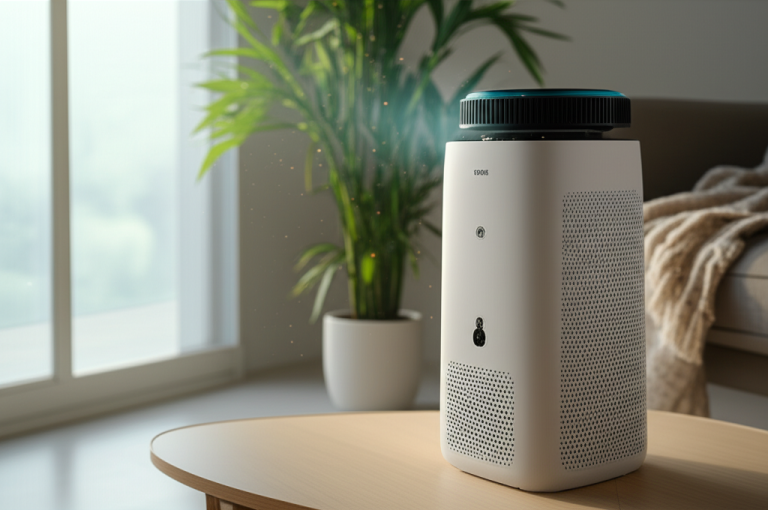
Do Air Purifier Dry Out Air? Essential Facts Revealed

Do Air Purifier Dry Out Air? Essential Facts Revealed
Air purifiers generally do not significantly dry out the air. While some models might have a minor impact, the primary function is to clean air, not dehumidify it. Understanding how they work and what to look for can prevent concerns about dry air.
Have you ever wondered if your air purifier is contributing to that dry, scratchy throat or static electricity in your home? It’s a common concern, especially during seasons when air naturally feels drier. Many people worry that the very device designed to improve their indoor environment might be making it less comfortable. The good news is that this fear is often unfounded. Let’s dive into the facts about air purifiers and humidity to set your mind at ease and ensure you’re getting the most out of your clean air.
Understanding How Air Purifiers Work
Air purifiers operate by drawing in indoor air, passing it through a series of filters, and then releasing cleaner air back into the room. These filters, like HEPA and activated carbon, are designed to trap pollutants such as dust, pollen, pet dander, and volatile organic compounds (VOCs). They don’t typically involve any process that inherently removes moisture from the air.
The primary mechanisms of air purification involve physical filtration and adsorption. Physical filters capture particles, while activated carbon adsorbs gases and odors. Neither of these processes actively extracts water vapor from the atmosphere.
The Link Between Air Purifiers and Humidity
The idea that air purifiers dry out air likely stems from a misunderstanding of their function, or perhaps confusion with devices like dehumidifiers. Dehumidifiers are specifically designed to remove moisture from the air. Air purifiers, on the other hand, focus on removing contaminants.
In fact, some air purifiers, particularly those with humidifying functions (often called air washer or humidifier purifiers), actively add moisture to the air. These hybrid devices combine purification with humidification to address both air quality and comfort.
Factors That Actually Affect Indoor Humidity
Several environmental and behavioral factors play a much larger role in determining your home’s humidity levels than a standard air purifier. Understanding these can help you manage your indoor climate effectively.
Outdoor weather: Cold air holds less moisture than warm air, so when outdoor air is heated indoors, its relative humidity drops.
Heating and cooling systems: Furnaces and air conditioners can both impact humidity. Heating systems tend to dry out air, while air conditioners can dehumidify as a byproduct of cooling.
Ventilation: Poor ventilation can trap moisture, leading to higher humidity, while excessive ventilation can exchange moist indoor air for drier outdoor air.
Household activities: Activities like cooking, showering, and even breathing release moisture into the air.
Do All Air Purifiers Affect Humidity?
No, not all air purifiers affect humidity, and those that do, do so minimally. Standard air purifiers with HEPA and carbon filters are not designed to alter humidity levels. Their primary goal is air cleaning.
However, some specialized units, like those with evaporative cooling or ultrasonic humidifying features, will interact with humidity. It’s crucial to check the specific features and purpose of your air purifier model.
Air Purifiers vs. Dehumidifiers: What’s the Difference?
It’s essential to distinguish between an air purifier and a dehumidifier. An air purifier cleans the air by removing pollutants. A dehumidifier removes excess moisture from the air to combat mold, mildew, and musty odors.
While both devices improve indoor air quality in their own way, they serve very different primary functions. Using the wrong device for your needs can lead to discomfort or unintended consequences.
| Feature | Air Purifier | Dehumidifier |
| :————– | :—————————————– | :—————————————– |
| Primary Goal | Remove airborne pollutants (dust, allergens) | Remove excess moisture from the air |
| Mechanism | Filtration (HEPA, carbon), ionization | Condensation, desiccant adsorption |
| Effect on Air | Cleaner air | Drier air |
| Humidity | Minimal to no impact | Significantly reduces humidity |
Potential for Minor Drying: Evaporative Models
Some air purifiers incorporate an evaporative component, often for cooling or as part of a multi-functional unit. In these cases, water can evaporate into the air, which might slightly increase humidity rather than decrease it. However, this effect is usually modest and designed to improve comfort.
If you’re concerned about dryness, it’s worth investigating the specific technology your air purifier uses. Most standard HEPA purifiers will not contribute to dry air.
The Role of Activated Carbon Filters
Activated carbon filters are excellent at adsorbing odors and gases. While they work by trapping molecules, they do not actively extract water vapor from the air. Their porous structure is optimized for chemical compounds, not water molecules.
Therefore, activated carbon filters in air purifiers are highly unlikely to cause any noticeable drying of the air. Their benefit lies in removing smells and VOCs, enhancing the overall air quality.
When Might You Perceive Dryness?
If you’re experiencing dry air symptoms after using an air purifier, it’s more likely due to other factors. Sometimes, as an air purifier removes irritating particles, you become more sensitive to existing dryness. Alternatively, the air purifier might be running in a room already affected by dry outdoor air or heating systems.
It’s also possible that a poorly maintained air purifier with clogged filters could reduce airflow, making the room feel stuffy, which can sometimes be mistaken for dryness. Ensure your filters are clean and replaced according to the manufacturer’s recommendations.
Maximizing Comfort: Balancing Air Purification and Humidity
For optimal indoor comfort, it’s wise to monitor your home’s humidity levels. The ideal range is typically between 40% and 60% relative humidity. If your air purifier is running in a naturally dry environment, consider supplementing with a humidifier.
Many modern homes benefit from a combined approach. You can use an air purifier to clean the air and a humidifier to maintain comfortable moisture levels, especially during dry seasons or in arid climates.
Choosing the Right Air Quality Solution
When selecting an air purification system, consider your specific needs. If dry air is a concern, look for models that explicitly mention humidifying capabilities or opt for a separate humidifier.
For most users, a standard HEPA air purifier will effectively clean the air without negatively impacting humidity. Always read product specifications and reviews to ensure the device meets your expectations for both air quality and comfort.
Frequently Asked Questions About Air Purifiers and Dry Air
Will my air purifier make my room feel colder?
No, standard air purifiers do not produce cold air or affect room temperature. Some multi-functional units might have a fan that circulates air, but this is not a cooling mechanism.
Can air purifiers help with allergies caused by dry air?
While air purifiers are excellent at removing allergens like pollen and dust mites, they don’t directly address dryness-related allergy symptoms. For those, a humidifier might be more beneficial.
How do I know if my air purifier is working correctly?
You’ll notice cleaner air, reduced odors, and potentially fewer dust particles. Most units have indicator lights or app notifications for filter status and operational mode.
Should I use an air purifier and a humidifier together?
Yes, using them together can be very beneficial, especially if you have dry air issues or concerns about air quality. They complement each other to create a healthier indoor environment.
What is the ideal humidity level in a home?
The ideal relative humidity level for most homes is between 40% and 60%. This range helps prevent issues like dry skin, static electricity, and the growth of mold and dust mites.
Conclusion: Breathe Easy, Your Air Purifier Isn’t Likely Drying Your Air
In conclusion, the common worry that air purifiers dry out air is largely a myth. Standard air purifiers equipped with HEPA and activated carbon filters are designed to capture pollutants, not moisture. They have a negligible impact on your home’s humidity levels. If you are experiencing dry air, the cause is more likely related to external weather conditions, your home’s heating or cooling systems, or ventilation. For those in drier climates or during winter months, consider a separate humidifier to maintain optimal humidity, or look for hybrid air purifier-humidifier units. By understanding how these devices work, you can ensure your home environment is both clean and comfortable.