Do Air Purifier Cause Mold? Essential Facts Revealed

Do Air Purifiers Cause Mold? Essential Facts Revealed
No, air purifiers do not directly cause mold. However, improper use or maintenance can create conditions that encourage mold growth. This guide reveals the essential facts you need to know to ensure your air purifier helps, not harms, your home’s air quality.
Are you worried about mold in your home? You might be wondering if your air purifier, a device meant to improve air quality, could be contributing to the problem. It’s a common concern, especially if you’ve noticed any signs of mold or dampness. The good news is that air purifiers, when used correctly, are powerful allies against mold spores and other airborne irritants. Let’s clear the air and uncover the essential facts about air purifiers and mold. We’ll guide you through how they work, potential pitfalls, and how to use yours to create a healthier living space.
What is Mold and Why is it a Concern?
Mold is a type of fungus that thrives in damp, humid environments. It reproduces by releasing spores, which can travel through the air and land on surfaces. If conditions are right, these spores can germinate and begin to grow. Mold growth indoors can be a serious health concern, triggering allergies, asthma symptoms, and other respiratory issues in sensitive individuals. It can also damage building materials and furniture.
How Do Air Purifiers Work?
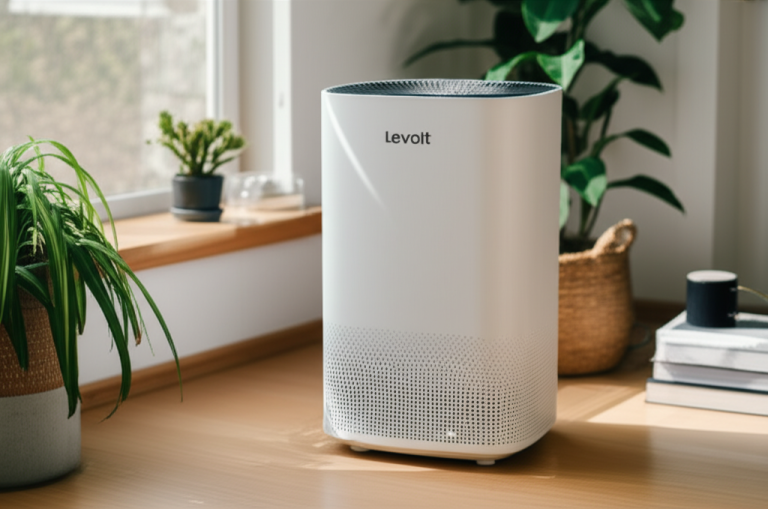
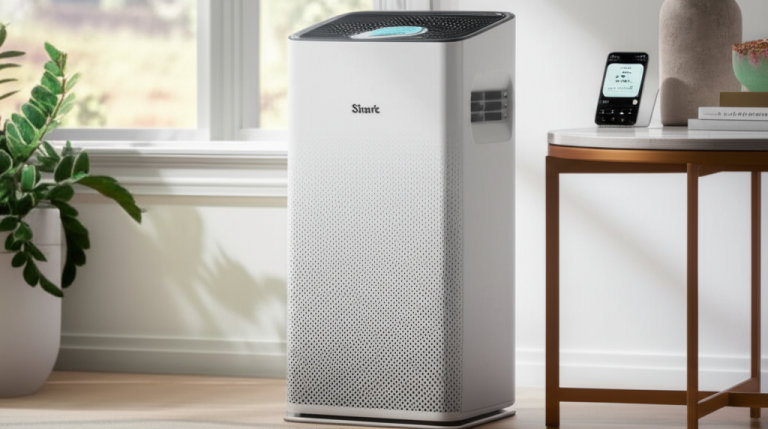
Air purifiers work by drawing in the air from a room, passing it through a series of filters, and then releasing cleaner air back into the space. Different types of filters are used, with HEPA (High-Efficiency Particulate Air) filters being the most common and effective for capturing tiny particles like mold spores, dust, pollen, and pet dander. Some purifiers also include activated carbon filters to remove odors and volatile organic compounds (VOCs).
Can Air Purifiers Spread Mold?
Air purifiers themselves do not create mold. They are designed to remove airborne particles, including mold spores, from your environment. However, if an air purifier’s filters become saturated with mold spores and are not cleaned or replaced regularly, they can potentially become a breeding ground for mold within the unit. This is a critical point to understand for anyone seeking to maintain a mold-free home.
The Role of Humidity in Mold Growth
Humidity is the primary driver for mold growth. Mold needs moisture to survive and multiply. While air purifiers don’t directly control humidity, they can sometimes indirectly affect it. A poorly ventilated room with a running air purifier might trap moist air, creating an environment where mold can flourish if other moisture sources are present. This highlights the importance of addressing the root causes of excess humidity.
Understanding Your Air Purifier’s Filters
The filters in your air purifier are its most crucial components. HEPA filters trap microscopic particles, including mold spores. Activated carbon filters absorb odors and gases. Pre-filters often catch larger debris like hair and dust, protecting the main filters. Knowing what each filter does helps you understand how your air purifier combats airborne contaminants and what maintenance it requires.
HEPA Filters: The Mold Spore Catcher
HEPA filters are designed to capture at least 99.97% of airborne particles 0.3 microns in size. Mold spores typically fall within this size range. When air passes through a HEPA filter, mold spores are trapped, preventing them from circulating in your room. This makes HEPA filters essential for reducing mold exposure.
Activated Carbon Filters: Odor and Gas Neutralizers
Activated carbon filters work by adsorption, trapping odors and gases like those produced by mold. While they don’t physically remove mold spores, they can help neutralize the musty smell associated with mold growth, providing a secondary benefit in mold-prone areas.
Pre-Filters: The First Line of Defense
Pre-filters are usually washable and capture larger particles. This extends the life of your HEPA and carbon filters by preventing them from becoming clogged too quickly. Regular cleaning of the pre-filter is a simple yet effective maintenance step.
When Can Air Purifiers Seem to Cause Mold?
An air purifier can seem to contribute to mold growth under specific circumstances, primarily related to its maintenance and the environment it operates in. It’s not the device itself, but how it’s managed and where it’s placed. Understanding these scenarios is key to preventing issues and ensuring your purifier remains a beneficial tool.
Saturated Filters and Potential for Mold
If the filters in your air purifier are not cleaned or replaced according to the manufacturer’s recommendations, they can become saturated with trapped particles, including mold spores. Over time, this build-up of moisture and organic matter within the filter can create an ideal environment for mold to grow. This is a common misconception that leads people to ask, “Do air purifiers cause mold?”
Poor Ventilation and Trapped Moisture
Air purifiers don’t dehumidify a room. If a room is already humid and poorly ventilated, an air purifier might circulate that moist air without removing the excess water. This can exacerbate existing humidity problems, indirectly contributing to conditions favorable for mold growth if there’s a moisture source.
Placement in Humid Areas
Placing an air purifier in areas prone to high humidity, such as bathrooms or basements without adequate ventilation or dehumidification, can increase the risk of the unit itself becoming damp. If moisture seeps into the internal components or filters, it can create a breeding ground for mold.
Preventing Mold Growth with Your Air Purifier
Preventing mold growth while using an air purifier involves a combination of proper device maintenance and environmental control. By following these steps, you can ensure your air purifier actively contributes to a healthier, mold-free home.
Regular Filter Maintenance is Crucial
This is the single most important step. Check your air purifier’s manual for recommended cleaning and replacement schedules for each filter type. HEPA filters typically need replacement every 6-12 months, while pre-filters may need weekly or monthly cleaning. Ignoring this can turn your purifier into a mold problem.
Filter Cleaning Schedule Example
| Filter Type | Recommended Action | Frequency |
|—————-|————————–|—————-|
| Pre-filter | Wash/Vacuum | Weekly/Monthly |
| HEPA Filter | Replace | 6-12 Months |
| Carbon Filter | Replace | 6-12 Months |
Control Indoor Humidity Levels
Aim to keep indoor humidity levels between 30% and 50%. Use a dehumidifier in damp areas like basements or bathrooms. Ensure proper ventilation in kitchens and bathrooms by using exhaust fans. Monitoring humidity with a hygrometer is a simple way to stay on top of this.
Ensure Proper Airflow and Ventilation
Don’t block the air intake or outlet vents of your air purifier. Allow adequate space around the unit for optimal airflow. Moreover, ensure your home has good general ventilation. Opening windows periodically, even for a short time, can help exchange moist indoor air for drier outdoor air.
Clean Your Air Purifier Unit Regularly
Beyond filter maintenance, periodically clean the exterior and interior of your air purifier. Wipe down the casing with a damp cloth and gently vacuum any dust buildup around the fan or vents. This prevents dust from accumulating and potentially becoming a food source for mold.
Signs Your Air Purifier Might Have Mold
If you suspect your air purifier has developed mold, there are a few tell-tale signs to look out for. Catching these early can prevent the problem from worsening and spreading.
Musty Odor: A persistent, unpleasant, musty smell emanating from the purifier is a strong indicator of mold growth, likely within the filters or internal components.
Visible Mold Growth: In rare cases, you might see visible signs of mold or mildew on the filters or within the air intake vents.
Reduced Airflow: If you notice a significant decrease in the amount of air being expelled by the purifier, its filters may be clogged with mold and debris.
Allergic Reactions: If you or your family members experience an increase in allergy symptoms or respiratory issues shortly after using the air purifier, it might be circulating mold spores.
When to Consider Professional Mold Remediation
If you discover significant mold growth in your home, especially in hidden areas like behind walls or under carpets, it’s best to call in professional mold remediation specialists. Air purifiers can help capture airborne spores during cleanup, but they cannot address the underlying moisture source or remove established mold infestations. Professionals have the expertise and equipment to safely and effectively remove mold.
Choosing the Right Air Purifier for Mold Prevention
When selecting an air purifier with mold prevention in mind, focus on models with true HEPA filters. These are certified to capture 99.97% of airborne particles down to 0.3 microns, effectively trapping mold spores. Consider units with a robust pre-filter to extend the life of the HEPA filter and units that are Energy Star certified for efficient operation.
Frequently Asked Questions
Can a dirty air filter cause mold?
Yes, a dirty or saturated air filter can become a breeding ground for mold if it accumulates enough moisture and organic matter. Regular cleaning and replacement are essential.
Do air purifiers help with existing mold?
Air purifiers with HEPA filters can help capture airborne mold spores, reducing their concentration in the air. However, they do not eliminate the mold source.
How often should I clean my air purifier?
Follow the manufacturer’s instructions, but generally, pre-filters should be cleaned monthly, and HEPA/carbon filters replaced every 6-12 months.
Can air purifiers make my allergies worse?
If an air purifier’s filters are not maintained and develop mold, it can indeed worsen allergies. A well-maintained purifier should improve allergy symptoms.
Should I run my air purifier 24/7?
Running your air purifier continuously can be beneficial for maintaining air quality, especially in mold-prone areas. Just ensure it’s properly maintained.
What is the best air purifier for mold?
Look for models with a True HEPA filter, an activated carbon filter for odors, and a good pre-filter. Brands like Coway, Levoit, and Blueair offer excellent options.
Conclusion
The question of whether air purifiers cause mold is a valid concern, but the answer is clear: no, they do not. When used and maintained correctly, air purifiers are a valuable tool in combating mold spores and improving your home’s air quality. The key lies in diligent filter maintenance, controlling humidity, and ensuring proper ventilation. By understanding how your air purifier works and adhering to best practices, you can confidently use it to create a healthier, mold-free living environment.