
Coway vs Honeywell Air Purifier: Essential Guide

Choosing between Coway and Honeywell air purifiers involves comparing their strengths in filtration technology, design, smart features, and price points to find the best fit for your home’s air quality needs.
Air purifiers have become indispensable in many homes, especially with growing concerns about indoor air pollution. If you’re navigating the world of air purifiers, you’ve likely encountered two major players: Coway and Honeywell. Both brands offer a range of models designed to tackle everything from allergens and pet dander to VOCs and odors. But when it comes to Coway vs Honeywell air purifier, which one truly delivers cleaner air for your sanctuary? This guide will break down their key differences, helping you make an informed decision for a healthier home environment.
Coway vs Honeywell Air Purifier: A Comprehensive Comparison
Deciding between a Coway and a Honeywell air purifier can feel overwhelming with so many options available. This guide will explore their core technologies, design philosophies, and performance metrics to help you understand their unique offerings. We’ll look at what makes each brand stand out, so you can confidently select the best air purifier for your specific needs.
Understanding Air Purification Technologies
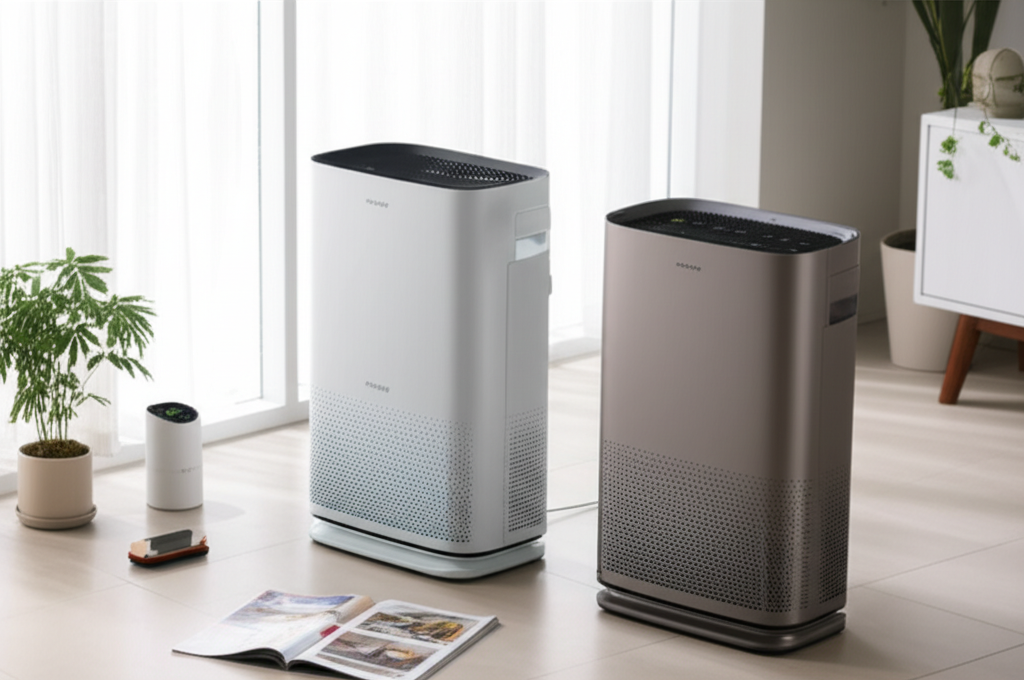
Both Coway and Honeywell employ multi-stage filtration systems, but their specific approaches can differ. These systems typically include a pre-filter for larger particles, an activated carbon filter for odors and gases, and a HEPA filter for microscopic pollutants. Understanding these technologies is crucial when comparing Coway vs Honeywell air purifier models.
A true HEPA filter, for instance, is certified to capture at least 99.97% of airborne particles as small as 0.3 microns. This includes dust mites, pollen, mold spores, and pet dander, all common culprits for allergies and respiratory issues. Brands may also incorporate proprietary technologies for enhanced purification.
Coway Air Purifier Strengths and Key Features
Coway is often praised for its aesthetically pleasing designs and quiet operation, making their units blend seamlessly into home decor. Many of their popular models feature multi-stage filtration, including a HEPA filter and an activated carbon filter, effectively addressing a wide range of indoor pollutants. They also tend to integrate user-friendly features and smart capabilities.
Their commitment to robust filtration, often exceeding standard HEPA requirements with advanced particle capture, is a significant draw. Coway also excels in offering air purifiers with excellent coverage areas for various room sizes, from small bedrooms to larger living spaces. You’ll often find their models recommended for their balance of performance and design.
Honeywell Air Purifier Strengths and Key Features
Honeywell, a long-established name in home appliances, brings a reputation for durability and effective air cleaning to the table. Their air purifiers are known for their straightforward operation and powerful performance, often featuring strong HEPA filtration and robust activated carbon components. They are a reliable choice for those prioritizing function and proven air purification capabilities.
Many Honeywell units are designed with a focus on maximizing air changes per hour (ACH), meaning they can circulate and clean the air in a room multiple times an hour. This is particularly beneficial for spaces with higher pollutant loads. Their models are often seen as workhorses, built to deliver consistent air quality improvements.
Design and Aesthetics: Coway vs Honeywell
When comparing Coway vs Honeywell air purifier on design, Coway often takes the lead in modern aesthetics. Their units frequently feature sleek lines, compact footprints, and neutral color palettes that complement contemporary interiors. Many Coway models are designed to be visually unobtrusive, allowing them to fit easily on shelves or countertops.
Honeywell, while also offering functional designs, sometimes leans towards a more utilitarian look. Their purifiers are built for performance and may have a more robust or industrial appearance. However, recent Honeywell models have also incorporated sleeker designs, aiming to bridge the gap in visual appeal.
Filtration Performance: HEPA and Beyond
The core of any air purifier lies in its filtration. Both Coway and Honeywell utilize HEPA filters, which are crucial for capturing fine particles. Coway often highlights its True HEPA filters, ensuring a high standard of allergen and particulate removal. They also focus on effective activated carbon filters to combat odors and VOCs.
Honeywell also emphasizes HEPA filtration and robust carbon filters. Their focus is often on the efficiency of these filters and the overall air cleaning capability of the unit, measured by CADR (Clean Air Delivery Rate). A higher CADR generally indicates a more powerful and faster air purification process for a given room size. According to the Environmental Protection Agency (EPA), HEPA filters are highly effective at removing allergens and other microscopic particles.
Noise Levels and User Experience
Noise levels are a critical factor for many users, especially for bedrooms or quiet living spaces. Coway models are frequently lauded for their quiet operation, particularly on lower fan speeds. Many users report being able to sleep soundly with a Coway purifier running in their room.
Honeywell purifiers can sometimes be louder, especially on higher settings, reflecting their powerful air circulation capabilities. However, the perceived noise can vary significantly between specific models. It’s always wise to check decibel ratings (dB) for any model you’re considering, as this provides a standardized measure of sound output.
Smart Features and Connectivity
In today’s connected world, smart features are increasingly important. Coway has embraced this trend, with many of its newer models offering Wi-Fi connectivity, app control, and voice assistant integration. These features allow you to monitor air quality, adjust settings, and schedule operation remotely, adding a layer of convenience.
Honeywell also offers smart capabilities in some of its higher-end models, including app control and air quality monitoring. However, their range of smart-enabled purifiers might be more limited compared to Coway’s extensive offerings. The availability of smart features can significantly influence the user experience and the overall value proposition when comparing Coway vs Honeywell air purifier.
Coverage Area and Room Size Suitability
Both brands offer air purifiers designed for a variety of room sizes. It’s essential to match the air purifier’s CADR and recommended room size to your specific needs. Coway offers models that are well-suited for small to medium rooms, often emphasizing their efficiency in these spaces.
Honeywell provides a broad spectrum of options, from compact units for personal spaces to larger, more powerful purifiers designed for whole-room coverage. When evaluating Coway vs Honeywell air purifier for your home, consider the square footage of the room where you intend to use it most. A unit that’s too small won’t be effective, while one that’s too large might be an unnecessary expense.
Maintenance and Filter Replacement Costs
The ongoing cost of filter replacements is a significant consideration for any air purifier purchase. Both Coway and Honeywell require periodic filter changes to maintain optimal performance. The frequency of replacement depends on usage and the specific filter type.
Generally, Coway filters can be moderately priced, and their availability is usually good. Honeywell filters are also widely available, and their cost can vary depending on the model. It’s important to factor these recurring costs into your overall budget when deciding between Coway vs Honeywell air purifier.
Price Points and Value for Money
When it comes to price, both brands offer models across a range of budgets. Coway purifiers, particularly their feature-rich and design-forward models, can sometimes be priced at a premium. However, many users find the performance, quiet operation, and aesthetics justify the investment.
Honeywell offers a broad price spectrum, with many reliable and effective models available at more accessible price points. They often provide excellent value for money, especially for consumers prioritizing robust filtration and durability over advanced smart features or high-end design. Your budget and priorities will significantly influence which brand offers better value in your Coway vs Honeywell air purifier decision.
Coway vs Honeywell Air Purifier: Key Differences at a Glance
| Feature | Coway | Honeywell |
| :—————— | :—————————————– | :—————————————- |
| Design | Modern, sleek, aesthetically pleasing | Functional, sometimes utilitarian |
| Noise Level | Generally quieter, especially on low | Can be louder on higher settings |
| Smart Features | Extensive app control, Wi-Fi, voice integration | Available on select models, growing range |
| Filtration | True HEPA, advanced carbon, often multi-stage | True HEPA, robust carbon, focus on CADR |
| User Experience | User-friendly, intuitive controls | Straightforward, reliable operation |
| Price Range | Mid-range to premium | Budget-friendly to mid-range |
| Target Audience | Design-conscious, tech-savvy users | Value-focused, performance-driven users |
Who Should Choose Coway?
You might lean towards a Coway air purifier if you prioritize a blend of effective air purification, quiet operation, and modern design. If you appreciate smart home integration and enjoy controlling your devices via a mobile app, Coway’s feature-rich models will likely appeal to you. They are an excellent choice for bedrooms, living areas, and for individuals who are sensitive to noise or value aesthetics.
Who Should Choose Honeywell?
A Honeywell air purifier might be your best bet if you’re looking for a no-nonsense, reliable air cleaning solution that delivers powerful performance. If your primary concern is effective filtration and robust air circulation without necessarily needing the latest smart features or a designer look, Honeywell offers excellent value. They are a solid choice for general home use, basements, or areas where consistent air quality improvement is the main goal.
Frequently Asked Questions About Coway vs Honeywell Air Purifiers
What is the main difference between Coway and Honeywell air purifiers?
The primary difference often lies in design philosophy and feature sets. Coway excels in modern aesthetics and smart home integration, while Honeywell focuses on robust, reliable performance and value. Both offer strong HEPA filtration.
Are Coway air purifiers better than Honeywell for allergies?
Both brands offer True HEPA filters, which are highly effective against allergens. Coway’s advanced filtration systems and quiet operation might offer a slight edge for allergy sufferers who spend a lot of time in their bedrooms. However, a Honeywell with a comparable HEPA filter will also perform exceptionally well.
Which brand is quieter: Coway or Honeywell?
Coway air purifiers are generally known for their quieter operation, especially on lower fan settings. Many users find them ideal for bedrooms. Honeywell models can be louder, particularly when running at higher speeds, though specific model performance varies.
Are Honeywell air purifier filters more expensive than Coway?
Filter replacement costs can be comparable, but it varies significantly by model. It’s essential to research the specific replacement filters for the models you are considering from both brands and compare their prices and recommended replacement intervals.
Which brand offers better smart features?
Coway typically offers a broader range of smart features, including extensive app control and Wi-Fi connectivity across more models. Honeywell is also incorporating smart technology, but it might be more prevalent in their premium offerings.
Is a higher CADR always better?
A higher CADR (Clean Air Delivery Rate) indicates that an air purifier can clean the air in a room more quickly. While a higher CADR is generally better for larger spaces or rooms with significant pollution, it’s crucial to match it to your room size. For smaller rooms, a lower CADR purifier might be sufficient and more energy-efficient.
Conclusion: Making Your Final Choice
Deciding between Coway vs Honeywell air purifier ultimately comes down to your personal priorities and budget. If you’re drawn to sleek design, quiet operation, and cutting-edge smart features, Coway presents compelling options that often justify their price point. They offer a premium user experience with excellent performance.
On the other hand, if your focus is on proven, powerful air purification and long-term reliability without the bells and whistles, Honeywell delivers exceptional value. Their straightforward approach ensures effective air cleaning for a healthier home. Whichever you choose, investing in a quality air purifier from either brand is a significant step towards improving your indoor air quality. Explore specific models from both Coway and Honeywell to find the perfect fit for your home’s needs.
