
Coway vs Alen Air Purifier: Essential Guide

Choosing between Coway and Alen air purifiers involves comparing their performance, features, and value. This guide breaks down the Coway vs Alen air purifier debate, helping you select the best fit for your home’s air quality needs.
Breathing clean air at home is more important than ever, yet the market is flooded with options, making the choice overwhelming. You’re likely wondering if a Coway air purifier is truly better than an Alen, or vice versa, especially when dealing with allergies, pet dander, or general air pollution. It’s a common dilemma, and I’m here to guide you through it. We’ll explore what sets these two popular brands apart, looking at their strengths and weaknesses to help you make an informed decision for a healthier living space.
Coway vs Alen Air Purifier: A Deep Dive into Your Best Options
When it comes to selecting an air purifier, the Coway vs Alen air purifier comparison often tops the list for many homeowners. Both brands are highly regarded, but they cater to slightly different priorities and offer unique advantages. Understanding these differences is key to finding the perfect unit for your specific needs.
Understanding Your Air Quality Needs
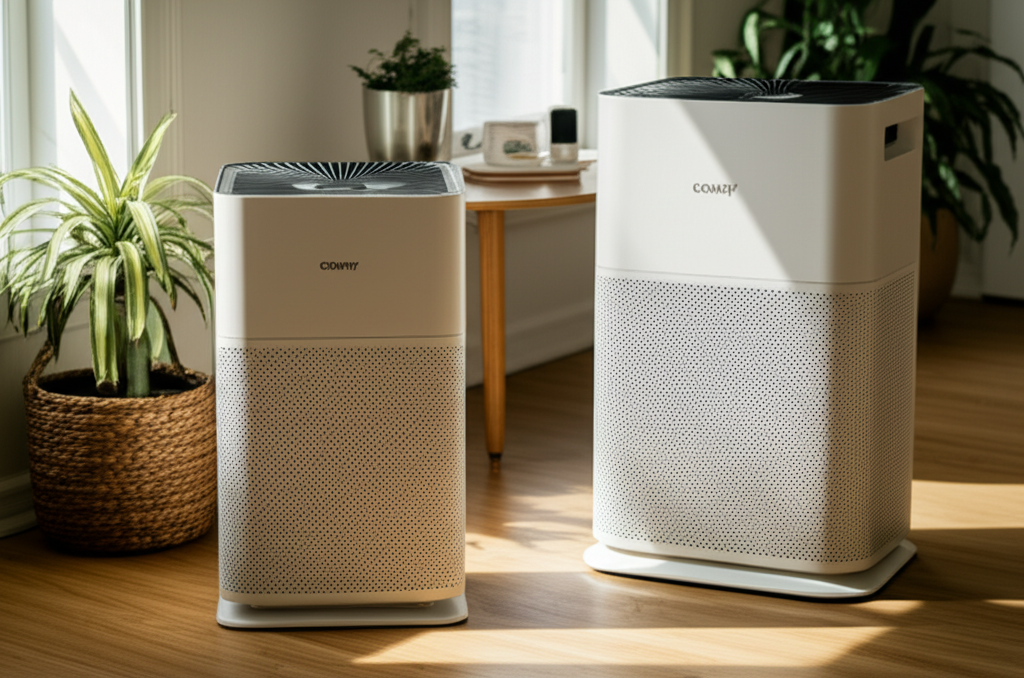
Before diving into brand specifics, it’s crucial to assess what you need an air purifier to do. Are you primarily concerned about allergies, pet odors, smoke, or general dust and pollen? Knowing your main concerns will help you prioritize features like HEPA filtration, activated carbon, and CADR (Clean Air Delivery Rate).
Coway Air Purifiers: Known for Performance and Value
Coway has built a strong reputation for delivering effective air purification at a competitive price point. They often feature multi-stage filtration systems designed to tackle a wide range of airborne pollutants. Many users praise Coway for its robust performance and user-friendly design.
Coway units frequently offer excellent value, combining powerful filtration with energy efficiency, making them a practical choice for many households.
Coway air purifiers are engineered with multi-stage filtration, typically including a pre-filter for larger particles, an activated carbon filter for odors and VOCs, and a True HEPA filter for fine particles like allergens and dust. This comprehensive approach ensures a thorough cleaning of your indoor air. Many models also incorporate smart features like air quality sensors and automatic modes.
Alen Air Purifiers: Premium Design and Customization
Alen positions itself as a more premium brand, often emphasizing stylish designs that blend seamlessly into home decor. They also offer a notable degree of customization, particularly with their filter options and the ability to choose from various designer finishes. Alen’s focus is on creating an air purifier that is as aesthetically pleasing as it is functional.
Alen air purifiers stand out with their sophisticated designs and customizable filter options, appealing to those who prioritize both aesthetics and specialized air purification.
Alen’s commitment to design is evident in their sleek casings and a wide array of color and finish choices. Beyond looks, they offer specialized filters tailored to specific concerns, such as pet dander, smoke, or strong odors, alongside their HEPA and carbon filtration. This allows users to fine-tune their air purification strategy.
Key Features Comparison: Coway vs Alen
Let’s break down some of the most important features to consider when comparing Coway vs Alen air purifier models. This comparison will highlight where each brand shines.
Filtration Systems
Coway: Typically uses a four-stage filtration system: a washable pre-filter, an odor filter, a True HEPA filter, and sometimes an ionizer (which can be turned off). This robust setup tackles a broad spectrum of pollutants.
Alen: Offers a multi-stage system that includes a HEPA-grade filter and an activated carbon filter. They also provide specialized filter options (e.g., Pet, Smoke, Odor) that can be chosen based on specific needs, enhancing targeted purification.
Coverage Area and CADR
Both brands offer models with varying coverage areas, from small bedrooms to large living spaces. When comparing, look at the CADR ratings for dust, pollen, and smoke. Higher CADR generally means faster and more effective air cleaning.
| Feature | Coway (Typical) | Alen (Typical) |
| :————— | :——————————————– | :————————————————- |
| Filtration Stages | 4-stage (Pre-filter, Odor, HEPA, Ionizer) | Multi-stage (HEPA-grade, Carbon, Specialized Options) |
| Design Focus | Functional, practical, often compact | Stylish, customizable, premium finishes |
| Noise Level | Generally quiet, especially on lower settings | Often designed for quiet operation, can be louder on high |
| Price Point | Mid-range, excellent value | Mid to high-range, premium pricing |
Noise Levels
Noise is a significant factor, especially for bedrooms or quiet workspaces. Coway models are often praised for their quiet operation on lower fan speeds, while Alen units are also designed with quietness in mind, though some higher-powered Alen models can become more noticeable. Always check the decibel (dB) ratings for specific models.
Smart Features and Controls
Many modern air purifiers include smart capabilities. Coway offers models with auto modes, air quality indicators, and app connectivity. Alen also integrates smart features, allowing for remote control and monitoring, often with a user-friendly interface.
Performance and Effectiveness: What the Data Says
Independent testing and user reviews consistently highlight the effectiveness of both Coway and Alen air purifiers. Coway often receives accolades for its True HEPA filters’ efficiency in capturing fine particles. Alen’s specialized filters are frequently cited as being highly effective for specific issues like pet odors or smoke.
According to a study by Consumer Reports, many Coway models have consistently ranked high for their air cleaning performance and value. Similarly, Wirecutter has often recommended Alen for its design and effective air purification for specific needs.
Design and Aesthetics: A Matter of Personal Taste
This is where the Coway vs Alen air purifier debate can become quite subjective. Coway units are typically designed with practicality in mind, often featuring compact and unobtrusive designs. Alen, on the other hand, leans into aesthetics, offering a wider range of colors, finishes, and sleeker profiles that aim to be a statement piece in a room.
If your priority is a unit that blends into the background and focuses purely on function, Coway might be your preference. If you want an appliance that complements your home’s decor and perhaps even enhances it, Alen’s design-forward approach could be more appealing.
Filter Replacement Costs and Availability
An ongoing cost of owning an air purifier is filter replacement. It’s essential to factor this into your budget. Coway filters are generally readily available and competitively priced. Alen’s specialized filters might be slightly more expensive, but their longer lifespan in some models can offset this.
Always check the recommended filter replacement schedule for each model and research the cost and availability of replacement filters before making a purchase. This ongoing expense can significantly impact the total cost of ownership.
Price and Value Proposition
When considering Coway vs Alen air purifier, price is a significant factor for most consumers. Coway generally offers a more budget-friendly entry point, providing excellent performance for the money. Alen units typically sit in a higher price bracket, reflecting their premium design, advanced features, and customization options.
Your budget and what you value most will heavily influence this decision. If you’re looking for pure performance without breaking the bank, Coway is often the winner. If you’re willing to invest more for superior aesthetics and tailored purification, Alen might be the better choice.
User Reviews and Real-World Experiences
Customer feedback is invaluable. Many users praise Coway for its reliability and effectiveness in reducing allergens and improving overall air quality. Alen users often highlight the stylish design and the noticeable difference in air freshness, especially those who opted for specialized filters.
“I have terrible seasonal allergies, and my Coway purifier has been a lifesaver. I can finally sleep through the night without sneezing!” – Sarah K., Verified Buyer.
“The Alen purifier looks fantastic in my living room, and the air quality has definitely improved. I chose the pet-specific filter, and it’s made a huge difference with my dog’s dander.” – Mark T., Verified Buyer.
These testimonials underscore that both brands deliver on their promises, but the specific experience can depend on individual needs and expectations.
Which Air Purifier is Right for You?
Deciding between Coway vs Alen air purifier ultimately comes down to your personal priorities. Do you prioritize robust, no-nonsense performance and value for money? Or are you seeking a stylish appliance that offers customization for specific air quality concerns?
If you’re looking for excellent filtration performance at a great price point and don’t mind a more utilitarian design, a Coway model is likely your best bet. For those who value design aesthetics, a wider range of specialized filter options, and are willing to invest a bit more, Alen offers a compelling premium experience.
Frequently Asked Questions (FAQ)
What is the main difference between Coway and Alen air purifiers?
Coway generally focuses on high performance and value, offering robust filtration at a competitive price. Alen emphasizes premium design, customization with specialized filters, and a more aesthetically pleasing product, often at a higher price point.
Which brand is better for allergies: Coway or Alen?
Both brands are effective for allergies thanks to their HEPA filters. Coway’s multi-stage filtration is excellent for general allergen capture. Alen’s specialized HEPA-grade filters can also be highly effective, especially if you choose a filter tailored for allergens.
Are Alen air purifiers worth the higher cost?
Alen purifiers can be worth the cost if you prioritize stylish design, customizable filtration for specific issues (like strong odors or pet dander), and a premium user experience. If pure performance at the lowest cost is your goal, Coway might offer better value.
How often do I need to replace filters for Coway and Alen?
Filter replacement schedules vary by model and usage, but typically for Coway, HEPA filters need replacement every 6-12 months, and carbon filters every 6-12 months. Alen filters often have similar or sometimes longer lifespans, especially their specialized options, usually ranging from 6-12 months. Always check the manufacturer’s recommendations for your specific model.
Which brand offers quieter operation?
Many Coway models are known for their quiet operation, especially on lower settings. Alen also designs its units for quietness, but some of their more powerful models might produce more noticeable noise on higher fan speeds. Checking the decibel (dB) rating for specific models is recommended.
Can I use an air purifier with an ionizer?
Some Coway models include ionizers, which can help capture smaller particles but may produce ozone. If ozone is a concern, ensure the model allows you to turn the ionizer off, as is common with Coway units. Alen typically focuses on HEPA and carbon filtration without prominent ionizer features in many of their popular models.
Conclusion: Making Your Final Choice in the Coway vs Alen Air Purifier Debate
Ultimately, both Coway and Alen are excellent choices for improving your indoor air quality. The Coway vs Alen air purifier decision hinges on your budget, design preferences, and specific air purification needs. Coway offers fantastic performance and value, making it a top contender for practical, effective air cleaning. Alen provides a more premium experience with a focus on aesthetics and tailored solutions for specific air concerns.
Consider your living space, the types of pollutants you’re most concerned about, and how important design is to you. Whichever brand you choose, investing in a quality air purifier is a significant step towards a healthier and more comfortable home environment.
If you found this guide helpful, consider subscribing to HomeHygia for more expert advice on creating a healthy living space.
