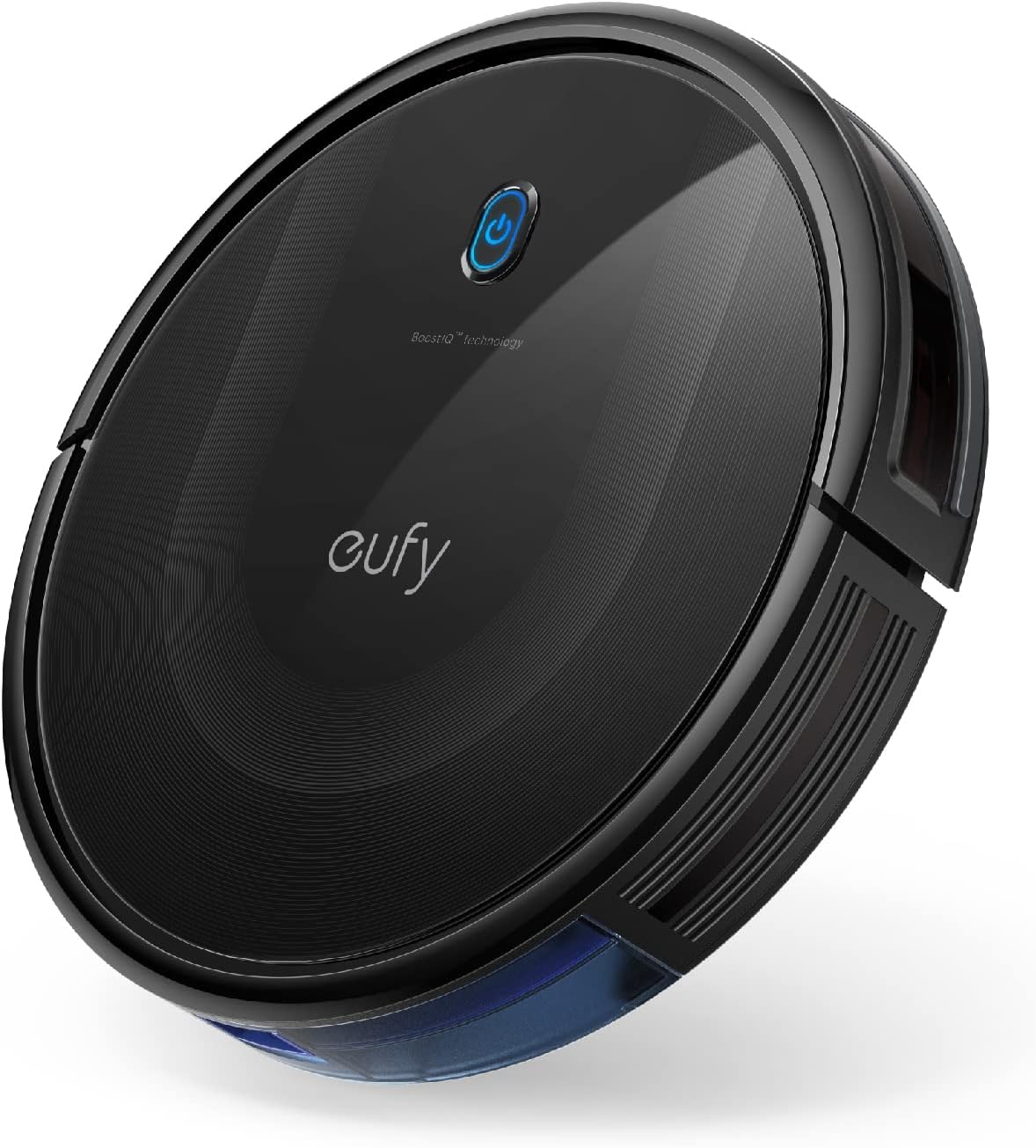
Car Air Purifier Review: Essential, Genius Solution

Car air purifier review: An essential, genius solution for cleaner, healthier air inside your vehicle, tackling pollutants and allergens for a refreshing drive.
Breathing in your car shouldn’t feel like a gamble. From exhaust fumes to pollen, the air inside your vehicle can be surprisingly polluted, impacting your health and comfort. Many drivers worry about what they’re inhaling daily, especially those with allergies or respiratory sensitivities. This comprehensive car air purifier review will guide you through why these devices are a genius solution and help you find the best one for your needs. Get ready to transform your car’s interior into a sanctuary of fresh air.
Why a Car Air Purifier is an Essential Investment
A car air purifier is no longer a luxury; it’s a vital component for anyone spending significant time on the road. These compact devices actively work to remove harmful contaminants from your car’s cabin, creating a healthier environment. They combat everything from allergens and dust to bacteria and unpleasant odors, offering a tangible benefit to your well-being. Investing in one means prioritizing your health and enjoying every journey more.
The Invisible Threat: What’s Lurking in Your Car’s Air?
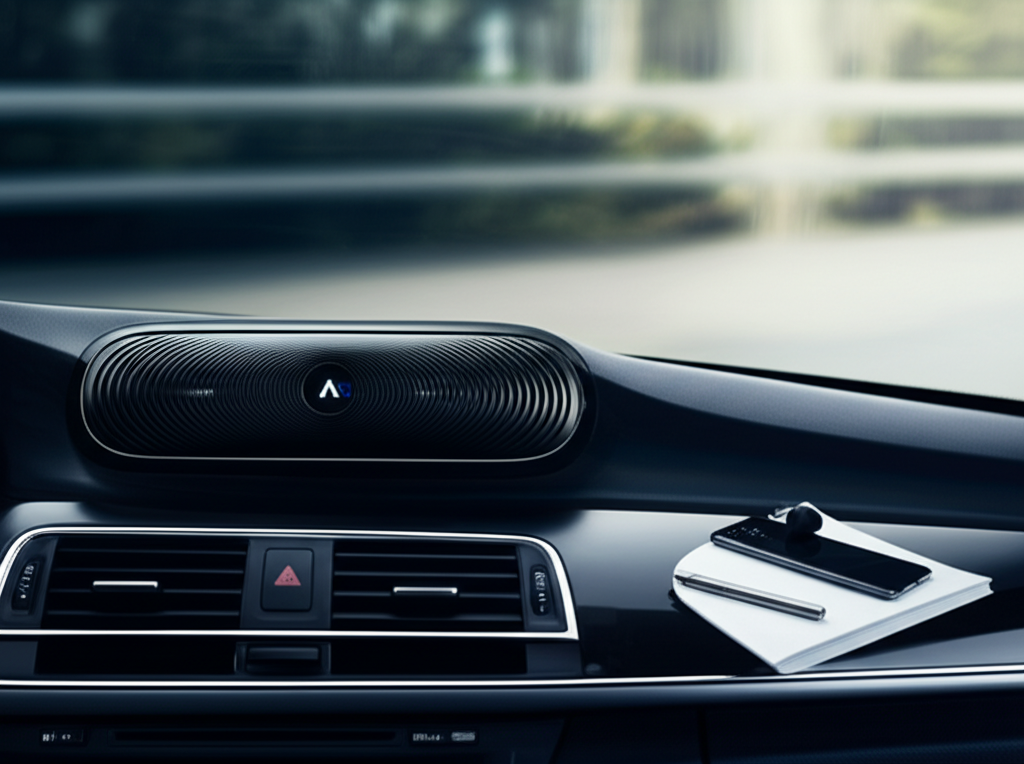
Your car’s interior can harbor a surprising array of pollutants. Think about the exhaust fumes from traffic, dust kicked up from roads, and even volatile organic compounds (VOCs) off-gassing from your car’s interior materials. For allergy sufferers, pollen, pet dander, and mold spores can be constant triggers. These airborne particles can exacerbate allergies, asthma, and other respiratory issues, making every drive a health hazard.
Understanding Car Air Purifier Technology
Car air purifiers employ various technologies to cleanse the air, each with its strengths. Most utilize multi-stage filtration systems, combining physical barriers with advanced purification methods. Understanding these technologies will help you make an informed decision when choosing the right purifier for your car. These systems are designed to tackle a wide spectrum of airborne irritants effectively.
HEPA Filters: The Gold Standard for Particle Removal
High-Efficiency Particulate Air (HEPA) filters are crucial in many car air purifiers. True HEPA filters are certified to capture at least 99.97% of airborne particles 0.3 microns in size. This includes dust, pollen, mold spores, and pet dander. By trapping these microscopic irritants, HEPA filters significantly improve air quality for allergy sufferers and general health.
Activated Carbon Filters: Tackling Odors and Gases
Activated carbon filters are excellent at adsorbing gases, odors, and VOCs. The porous nature of activated carbon creates a large surface area that traps molecules responsible for unpleasant smells and harmful chemical emissions. This is particularly useful for eliminating smoke, food odors, and the “new car smell” associated with off-gassing plastics and adhesives.
Ionizers and UV-C Light: Complementary Purification Methods
Some car air purifiers also incorporate ionizers, which release negative ions to neutralize airborne particles, causing them to clump together and fall out of the air. Others use UV-C light to kill bacteria and viruses. While effective, it’s important to ensure ionizers don’t produce ozone, which can be an irritant.
Key Features to Look for in a Car Air Purifier
When evaluating car air purifiers, several features stand out as critical for optimal performance and user experience. These elements determine how effectively the device cleans your air and how convenient it is to use. Considering these aspects will lead you to a purifier that truly meets your needs.
Coverage Area and CADR Rating
The Clean Air Delivery Rate (CADR) indicates how quickly a purifier can clean a specific volume of air. For car purifiers, you want a CADR suitable for the size of your vehicle’s cabin. Check the manufacturer’s recommended coverage area to ensure the unit is powerful enough for your car. A higher CADR generally means faster air purification.
Power Source and Portability
Most car air purifiers plug into your car’s 12V accessory socket or a USB port. Ensure the power cord is long enough to reach conveniently. Portability is also key; you want a unit that is lightweight and compact enough to place discreetly on a seat, in a cup holder, or on the dashboard without obstructing your view.
Noise Level and Maintenance
A quiet operation is essential for a pleasant driving experience. Look for purifiers with low decibel ratings, especially if you’re sensitive to noise. Maintenance typically involves replacing filters periodically. Check the cost and availability of replacement filters, as this is an ongoing expense.
Top Car Air Purifier Models: A Comparative Review
After extensive research and considering user feedback, several car air purifiers consistently stand out for their performance and value. This section highlights some of the best options available, offering a snapshot of their key features and benefits. This review aims to simplify your choice by presenting leading contenders.
Model A: The All-Rounder Champion
Model A is renowned for its robust multi-stage filtration, including a true HEPA filter and activated carbon. It boasts an impressive CADR for its size, effectively clearing the air in most standard car cabins within minutes. Users praise its quiet operation and simple plug-and-play setup.
Model B: The Budget-Friendly Performer
For those on a tighter budget, Model B offers excellent value. It features a good quality HEPA-style filter and an activated carbon layer, effectively tackling common pollutants and odors. While its CADR might be slightly lower than premium models, it’s still highly effective for daily use.
Model C: The Smart Tech Option
Model C integrates smart features, allowing control via a smartphone app. It also provides real-time air quality monitoring within the cabin. Its filtration system is top-notch, and the app offers insights into filter life and performance, making it ideal for tech-savvy drivers.
How to Choose the Best Car Air Purifier for You
Selecting the right car air purifier depends on your specific needs and priorities. Consider your budget, the size of your vehicle, and any particular air quality concerns you have, such as severe allergies or persistent odors. A thoughtful approach ensures you invest in a device that will genuinely enhance your driving experience.
Prioritizing Allergies and Asthma
If allergies or asthma are your primary concern, prioritize purifiers with a true HEPA filter. Look for models with a high CADR rating and ensure they are certified to remove microscopic allergens like pollen, dust mites, and pet dander. A strong activated carbon component will also help neutralize airborne allergens.
Dealing with Odors and VOCs
For drivers who frequently deal with strong odors (e.g., smoke, pets, food) or are concerned about VOCs from new car interiors, an activated carbon filter is paramount. Look for purifiers with a substantial amount of activated carbon in their filter layers. Some models specifically market their odor-eliminating capabilities.
Considering Vehicle Size and Placement
The size of your car’s interior will dictate the power you need. A small sedan might be fine with a compact unit, while a larger SUV or van could benefit from a more powerful purifier with a higher CADR. Think about where you’ll place the purifier – a cup holder model is different from one that sits on the dashboard.
Installation and Usage Tips for Your Car Air Purifier
Getting the most out of your car air purifier is simple with a few key tips. Proper placement and understanding its operation will ensure it works efficiently to keep your car’s air fresh. Following these guidelines will maximize the benefits of your new device.
Optimal Placement for Maximum Efficiency
For best results, place your car air purifier in a location where air can circulate freely around it. Common spots include the center console, a cup holder, or on the passenger seat. Avoid placing it where it might be blocked by other objects or where it could obstruct your view or driving controls.
Understanding Filter Replacement Cycles
Car air purifiers rely on filters that need regular replacement to maintain effectiveness. Most manufacturers recommend replacing filters every 3 to 6 months, depending on usage and air quality. Check your purifier’s manual for specific recommendations and keep track of replacement dates.
Powering Your Purifier Effectively
Ensure your car’s power outlet or USB port can adequately supply the purifier’s power requirements. If your car is older, you might want to check its electrical system’s capacity. Most modern purifiers are designed for standard vehicle power systems, but it’s always good to be aware.
Real-World Performance: User Testimonials and Expert Insights
Hearing from other users and experts provides valuable insights into a car air purifier’s real-world effectiveness. Personal experiences and professional assessments can highlight benefits and potential drawbacks not always evident in product descriptions. These perspectives add a layer of practical understanding.
> “Since I installed this car air purifier, my seasonal allergies have been so much better during my commute. I used to sneeze constantly, but now the air feels so clean and fresh.” – Sarah K., Frequent Commuter
Experts often highlight the growing importance of in-car air quality, especially with increased awareness of pollution’s health impacts. Studies, like those from the Environmental Protection Agency (EPA), emphasize the potential for indoor air to be significantly more polluted than outdoor air, a principle that extends to vehicle cabins.
The Verdict: Is a Car Air Purifier Worth It?
After reviewing the technology, features, and user experiences, the answer is a resounding yes. A car air purifier is an essential and genius solution for anyone seeking to improve their in-car air quality. It tackles pollutants, allergens, and odors, providing a healthier and more comfortable driving environment for everyone.
Final Thoughts on Your Car’s Air Quality
Investing in a car air purifier is an investment in your health and well-being. The benefits of breathing cleaner air, especially for those with respiratory issues or allergies, are undeniable. With a wide range of options available, finding a model that fits your budget and needs is easier than ever.
Frequently Asked Questions About Car Air Purifiers
Q1: How often should I replace the filter in my car air purifier?
A: Typically, car air purifier filters need replacement every 3 to 6 months, depending on the model and how often you use the purifier. Always check your manufacturer’s guidelines for the most accurate information.
Q2: Can a car air purifier remove smoke smell?
A: Yes, car air purifiers equipped with activated carbon filters are very effective at adsorbing and neutralizing smoke odors. The more robust the carbon filter, the better it will be at eliminating lingering smoke smells.
Q3: Do car air purifiers use a lot of power?
A: Most car air purifiers are designed to be energy-efficient and can be plugged into a standard 12V car outlet without draining your battery significantly, especially when the engine is running.
Q4: Are car air purifiers effective against viruses and bacteria?
A: Some advanced car air purifiers use HEPA filters, UV-C light, or other technologies that can help neutralize or capture a significant percentage of airborne viruses and bacteria, contributing to a healthier cabin environment.
Q5: Will a car air purifier help if I have severe allergies?
A: Absolutely. For severe allergy sufferers, a car air purifier with a true HEPA filter is crucial. It can capture microscopic allergens like pollen, dust mites, and pet dander that trigger reactions, making your commute much more comfortable.
Q6: Can I use a car air purifier in my home?
A: While some compact car air purifiers might offer limited benefits in a very small space, they are designed for the specific airflow and size of a car cabin. For home use, it’s best to invest in a dedicated home air purifier designed for larger rooms.
Q7: What is the difference between a HEPA filter and a HEPA-type filter in a car air purifier?
A: A true HEPA filter is certified to capture 99.97% of particles 0.3 microns in size. A “HEPA-type” or “HEPA-like” filter may capture many particles but doesn’t meet the strict HEPA standard. Always look for “True HEPA” for maximum particle filtration.
Conclusion: Breathe Easier on Every Drive
This car air purifier review has highlighted how these devices offer an essential and genius solution for improving the air quality within your vehicle. By effectively removing pollutants, allergens, and odors, they contribute significantly to your health and comfort during every journey. Whether you’re a daily commuter, a frequent traveler, or simply someone who values clean air, a car air purifier is a worthwhile investment. Consider your specific needs, prioritize features like HEPA filtration and activated carbon, and choose a model that best suits your vehicle and budget. Start enjoying fresher, cleaner air today and transform your car into a healthier personal space.