
Can You Get An Air Purifier and Dehumidifier: Essential Combo

Can You Get An Air Purifier and Dehumidifier: The Essential Combo for Healthier Air
Yes, you can absolutely get an air purifier and dehumidifier as a combo. Many devices integrate both functions, offering a convenient and effective way to improve your indoor air quality by removing pollutants and controlling excess moisture. This combined approach tackles common household issues like mold, dust mites, and allergens.
Air quality is a significant concern for many homeowners, and the question of combining essential devices like air purifiers and dehumidifiers often arises. Dealing with both airborne pollutants and excess humidity can feel like a double battle for a healthy living space. Thankfully, the answer to “Can you get an air purifier and dehumidifier?” is a resounding yes, and understanding how these work together can unlock a new level of comfort and well-being in your home. I’m here to guide you through this essential combo.
The Need for Combined Air Treatment
Many people struggle with indoor air quality issues that stem from multiple sources. Dust, pollen, pet dander, and volatile organic compounds (VOCs) float in the air, triggering allergies and respiratory problems. Simultaneously, high humidity levels create a breeding ground for mold, mildew, and dust mites, exacerbating these health concerns and damaging your home. Addressing both problems with a single, integrated solution is often the most efficient path to a healthier environment.
Understanding Air Purifiers
An air purifier is designed to remove contaminants from the air. Typically, they use a fan to draw in air, which then passes through a series of filters. High-efficiency particulate air (HEPA) filters are standard for capturing tiny particles like dust, pollen, and pet dander. Activated carbon filters are excellent for absorbing odors and VOCs, while pre-filters catch larger debris.
How Air Purifiers Work
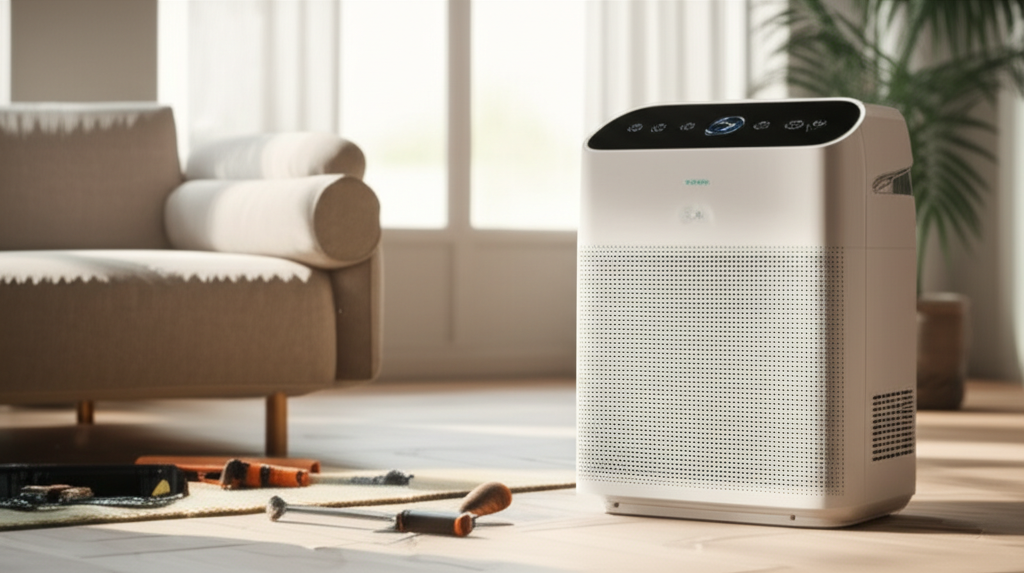
Air purifiers draw air in and push it through multiple filtration stages. The most critical filter is usually a HEPA filter, which can trap at least 99.97% of airborne particles 0.3 microns in size. Other filters, like activated carbon, tackle gases and odors. Clean air is then released back into the room.
Benefits of Air Purifiers
Using an air purifier can significantly reduce allergens and irritants in your home, providing relief for allergy and asthma sufferers. They also help eliminate unpleasant odors from cooking, pets, or smoke, contributing to a fresher living environment. Cleaner air promotes better sleep and overall well-being.
Understanding Dehumidifiers
A dehumidifier works to reduce the level of humidity in the air. These appliances pull moisture from the air, condensing it into a water tank or draining it away. This process is crucial for preventing mold growth, dust mite proliferation, and the musty odors associated with dampness.
How Dehumidifiers Work
Dehumidifiers function by drawing in moist air over cold coils. As the air cools, the water vapor within it condenses into liquid water, which is collected. The drier air is then reheated slightly and released back into the room. This cycle effectively lowers the relative humidity of your indoor space.
Benefits of Dehumidifiers
Reducing humidity levels inhibits the growth of mold and mildew, which can damage your home and pose serious health risks. It also makes your living space feel more comfortable, especially in humid climates, by preventing that sticky, clammy feeling. Dry air can also help preserve wooden furniture and prevent musty smells.
The Synergy: Air Purifier + Dehumidifier Combo
The real magic happens when you combine the functions of an air purifier and a dehumidifier. By tackling both airborne particles and excess moisture, you create a comprehensive solution for a healthier home. This dual-action approach offers a more holistic improvement to your indoor environment than using either device alone.
Why Combine Them?
Combining these functions addresses two primary sources of indoor air discomfort and health issues simultaneously. High humidity often encourages the growth of mold and dust mites, which are also allergens that air purifiers aim to remove. A combo unit tackles both the cause (moisture) and the effect (allergens) efficiently.
Types of Combo Units
There are primarily two ways to achieve this essential combo: dedicated combo units and using separate devices. Dedicated units are specifically designed to perform both air purification and dehumidification, offering a space-saving and often energy-efficient solution. Using separate, high-quality units can also be effective, allowing for more customization and potentially higher performance in each function.
Dedicated 2-in-1 Units
These appliances are built with integrated systems for both purification and dehumidification. They are convenient, often have a smaller footprint than two separate machines, and can be more energy-efficient if designed well. Many modern units offer smart features for easy control.
Separate Devices Strategy
Alternatively, you can purchase a standalone air purifier and a standalone dehumidifier. This approach allows you to select the best unit for each specific function based on your needs, room size, and desired features. It also gives you the flexibility to place them strategically in different areas of your home.
Key Features to Look For in a Combo Unit
When selecting a combo unit, consider several crucial features to ensure it meets your needs. Look for adequate coverage area for both functions, effective filtration systems (like HEPA), adjustable dehumidification settings, and user-friendly controls. Energy efficiency and noise levels are also important considerations for daily use.
Filtration Capabilities
Ensure the air purification component includes a HEPA filter for capturing fine particles and an activated carbon filter for odors and gases. This combination is vital for comprehensive air cleaning. A good pre-filter can also extend the life of the main filters.
Dehumidification Capacity
The dehumidifier’s capacity should match the size of your room and the level of humidity you need to control. Capacities are typically measured in pints of moisture removed per day. Check reviews and specifications to match the unit to your specific environment.
Energy Efficiency and Noise Level
Look for ENERGY STAR certified models, which indicate higher energy efficiency. Consider the decibel (dB) rating for noise, especially if the unit will be used in bedrooms or living areas. Quieter operation is generally preferred for comfort.
How to Use Your Combo Unit Effectively
Proper placement and maintenance are key to maximizing the benefits of your air purifier and dehumidifier combo. Position the unit in the area where you spend the most time or where humidity and air quality are the biggest concerns. Regular cleaning and filter replacement are essential for optimal performance.
Placement Strategies
For best results, place the combo unit in a central location within the room. Ensure adequate airflow around the unit by keeping it away from walls or furniture that could obstruct the intake or output vents. If using separate units, consider placing the dehumidifier in the most humid areas and the air purifier where occupants spend most of their time.
Maintenance and Filter Replacement
Follow the manufacturer’s instructions for cleaning and maintenance. This typically involves emptying and cleaning the dehumidifier’s water tank regularly and cleaning or replacing air filters as recommended. Neglecting maintenance can reduce efficiency and even cause damage.
When is a Combo Unit the Best Choice?
A combo unit is an excellent choice for individuals or families who experience both poor air quality and high humidity in their homes. It’s particularly beneficial for those with allergies, asthma, or respiratory sensitivities, as well as for homes in damp climates or areas prone to mold growth. It offers a streamlined approach to improving overall indoor comfort and health.
Potential Downsides of Combo Units
While convenient, combo units might have some limitations compared to separate, high-performance devices. The dehumidification or purification capacity of a combo unit might be less powerful than a dedicated, top-tier model of the same price range. Also, if one function fails, the entire unit may need repair or replacement.
Performance Trade-offs
In some cases, a 2-in-1 unit might not perform as strongly in either air purification or dehumidification as a standalone device designed solely for that purpose. Manufacturers sometimes balance capabilities to fit both functions into one chassis, which can lead to compromises. It’s important to research specific models and their performance metrics.
Maintenance and Lifespan
If one component of the combo unit experiences an issue, it can affect the entire appliance. This means you might lose both air purification and dehumidification capabilities until it’s repaired. Replacing filters might also be a single process for both functions, which could be less flexible if one filter needs changing more frequently.
Alternative: Using Separate, High-Quality Units
For those who prioritize maximum performance in both air purification and dehumidification, using separate, high-quality units can be a superior strategy. This allows you to select the most powerful and feature-rich air purifier and dehumidifier independently, tailored precisely to your home’s specific needs and your personal preferences.
Choosing the Right Air Purifier
When selecting a standalone air purifier, consider the CADR (Clean Air Delivery Rate) for your room size, the types of filters included, and any special features like smart connectivity or air quality sensors. Brands like Coway and Blueair are known for their effective air purification technologies.
Choosing the Right Dehumidifier
For dehumidifiers, focus on capacity, energy efficiency (look for ENERGY STAR ratings), and features like automatic shut-off, continuous drainage options, and adjustable humidistats. Respected brands like GE Appliances and Frigidaire offer reliable models.
Can You Get An Air Purifier and Dehumidifier in One Unit?
Yes, you absolutely can get an air purifier and dehumidifier in one unit. Many manufacturers produce 2-in-1 appliances that combine both functions. These are often marketed as “air treatment systems” or “air quality managers.” They offer a convenient, space-saving solution for improving your indoor environment by simultaneously removing airborne pollutants and excess moisture.
FAQ: Your Questions Answered
Q1: Can I run an air purifier and dehumidifier at the same time?
Yes, you can and often should run them at the same time, especially in a combined unit or in the same room if they are separate. They work on different aspects of air quality and complement each other.
Q2: Will a combo unit be as effective as two separate units?
It depends on the specific models. Some high-end combo units offer excellent performance, but generally, separate, dedicated units might offer more powerful or specialized capabilities in each function.
Q3: How do I know if I need both an air purifier and a dehumidifier?
If you suffer from allergies or asthma, have pets, or notice musty odors, you likely benefit from an air purifier. If you experience condensation, mold growth, or that “sticky” feeling, you need a dehumidifier. If you have both, a combo is ideal.
Q4: What are the energy costs associated with running a combo unit?
Energy consumption varies by model and usage. ENERGY STAR certified units are more efficient. Running both functions simultaneously will naturally consume more energy than running just one.
Q5: Are there smart features available for combo air purifiers and dehumidifiers?
Yes, many modern combo units come with Wi-Fi connectivity, allowing control via smartphone apps, scheduling, and even integration with smart home systems. Some units also feature automatic sensors that adjust operation based on detected air quality and humidity levels.
Q6: How often do I need to change the filters in a combo unit?
Filter replacement schedules vary by manufacturer and usage. Typically, pre-filters may need cleaning monthly, while HEPA and carbon filters might need replacement every 6-12 months. Always refer to your unit’s manual.
Conclusion
The question “Can you get an air purifier and dehumidifier” is answered with a definitive yes, and the benefits of this essential combo are clear. Whether you opt for a dedicated 2-in-1 appliance or strategically use separate, high-quality units, addressing both airborne pollutants and excess humidity is crucial for creating a healthier, more comfortable, and enjoyable living space. By understanding your needs and the features available, you can make an informed decision to breathe easier and live better.
