
Can I Use a Steam Mop on Vinyl Flooring: Essential Guide

Yes, you can use a steam mop on vinyl flooring, but with caution and specific settings. High heat and excessive moisture can damage vinyl, causing it to warp, bubble, or lose its adhesive. Always check your vinyl flooring manufacturer’s guidelines and use the lowest steam setting.
Steam mops are fantastic tools for deep cleaning. They use hot steam to loosen dirt and kill germs without harsh chemicals. Many people wonder if these powerful machines are safe for their vinyl floors. Vinyl flooring is popular because it’s durable and water-resistant. However, extreme heat can be its enemy. This guide will tell you exactly how to use a steam mop on vinyl safely. We’ll cover what to look for, how to do it, and what to avoid.
Understanding Vinyl Flooring and Steam
Vinyl floors are made of synthetic materials. They often have a protective wear layer on top. This layer helps them resist scratches and stains. However, the seams between vinyl planks or tiles can be weak points. High heat can cause the adhesive holding the vinyl down to melt. It can also make the vinyl material itself expand and contract. This can lead to warping or bubbling.
What is a Steam Mop?
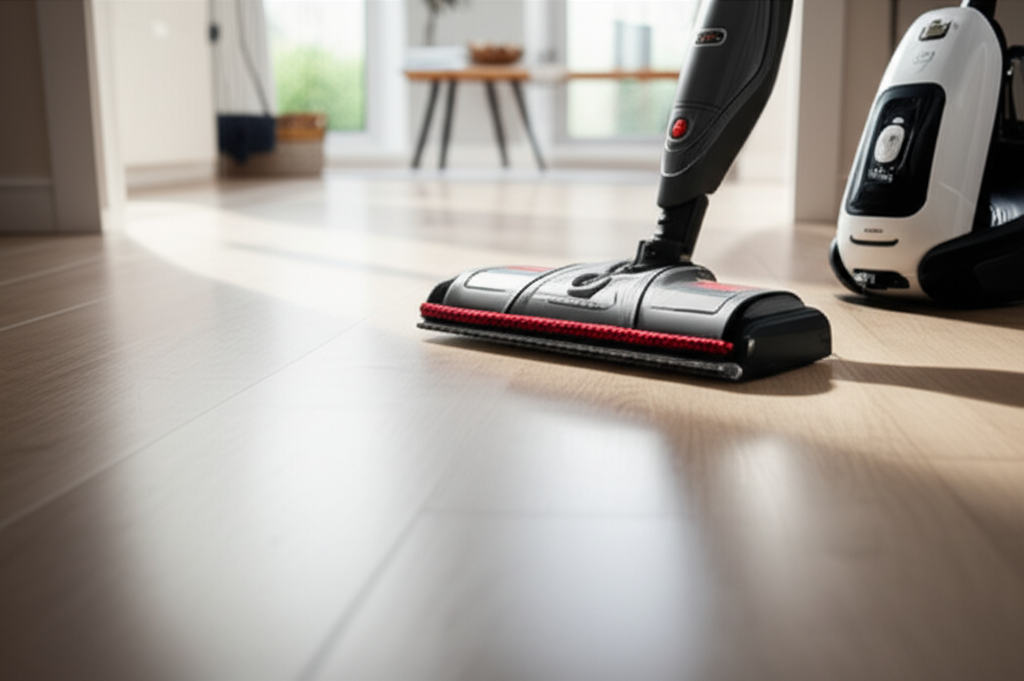
A steam mop is a cleaning device that heats water to produce steam. This steam is then released onto the floor. The heat and moisture help to break down dirt and grime. It also sanitizes surfaces by killing bacteria and viruses. Most steam mops have adjustable steam settings. This allows you to control the amount of steam released.
How Steam Affects Vinyl
The main concern with steam on vinyl is the heat. Vinyl is a plastic. Like many plastics, it can soften and deform when exposed to high temperatures. Excessive moisture can also seep into the seams of the vinyl. This can weaken the glue and cause lifting or peeling. It’s important to remember that not all vinyl is the same. Some luxury vinyl planks (LVPs) are more heat-resistant than others.
Can I Use a Steam Mop on Vinyl Flooring? The Short Answer
Yes, you can use a steam mop on vinyl flooring, but it’s crucial to do it correctly. Always use the lowest steam setting and ensure your vinyl flooring manufacturer permits steam cleaning. Some types of vinyl, especially older ones or those with a loose-lay installation, may not be suitable for steam mops.
It’s vital to check your flooring’s warranty and manufacturer’s recommendations before proceeding. Many manufacturers advise against steam cleaning vinyl. This is because the heat can damage the material or its adhesive. If you decide to proceed, do so with extreme caution.
Why the Caution? Potential Risks of Steam Mopping Vinyl
Using a steam mop incorrectly can cause significant damage to your vinyl floors. Understanding these risks helps you take the right precautions. It’s better to be safe than to have to replace your flooring.
Heat Damage and Warping
The most common issue is heat damage. High temperatures can cause the vinyl to soften. This can lead to permanent warping or bubbling. Imagine a plastic toy left in a hot car; it can lose its shape. Vinyl flooring can react similarly to excessive steam heat.
Adhesive Breakdown
Vinyl flooring is often held down by an adhesive. High heat from a steam mop can melt this adhesive. Once the glue breaks down, the vinyl can start to lift or peel. This is especially true for click-lock or glue-down installations.
Seam Damage
The seams between vinyl planks or tiles are vulnerable. Steam can penetrate these seams. This moisture can weaken the bond and allow dirt to accumulate. It can also lead to mold or mildew growth in some cases.
When is it Safe to Steam Mop Vinyl Flooring?
Safety depends on several factors. These include the type of vinyl, its installation method, and the steam mop itself. Always prioritize checking the manufacturer’s guidelines. They know their product best.
Check Your Vinyl Flooring Manufacturer’s Guidelines
This is the most important step. Most vinyl flooring manufacturers provide care and maintenance instructions. Look for these on their website or in the documentation you received when you bought the flooring. They will explicitly state whether steam mops are approved or forbidden. For example, some luxury vinyl tile (LVT) brands may allow it on specific settings.
Consider the Type of Vinyl Flooring
Sheet Vinyl: Generally more susceptible to heat damage and water seeping through seams.
Luxury Vinyl Tile (LVT) & Luxury Vinyl Plank (LVP): Often more durable and can sometimes tolerate steam if used correctly. Many modern LVPs have a strong wear layer.
Engineered Vinyl Plank (EVP): Similar to LVP, durability varies by brand and construction.
A study by Vinyl Council of Australia suggests avoiding steam cleaners for vinyl. They recommend gentle cleaning methods instead.
Installation Method Matters
Glue-Down: Heat can soften the adhesive.
Click-Lock/Floating: Steam can seep into the seams and potentially damage the locking mechanism or subfloor.
Peel-and-Stick: Similar concerns to glue-down regarding adhesive softening.
How to Safely Steam Mop Vinyl Flooring (If Approved)
If your manufacturer approves steam mopping, follow these steps carefully. This minimizes the risk of damage. Always err on the side of caution.
Step 1: Prepare Your Floor
Before you start steaming, ensure your floor is clean. Vacuum or sweep thoroughly. This removes loose dirt and debris. Steam mopping isn’t a substitute for vacuuming. You don’t want to push grit around with the steam.
Step 2: Choose the Right Steam Mop Settings
Lowest Steam Setting: Always use the lowest possible steam output. This provides just enough moisture to clean without excessive heat.
Avoid High Heat: Never use a mop that only has a high-heat setting.
Pad Type: Use a microfiber pad. These are generally safe for most floor types.
Step 3: Test in an Inconspicuous Area
Find a hidden spot, like inside a closet or under a rug. Test the steam mop there first. Let the area dry completely. Check for any signs of damage, discoloration, or warping. This is a crucial step.
Step 4: Steam Mop Correctly
Move Quickly: Do not let the steam mop linger in one spot. Keep it moving constantly.
Short Passes: Make quick, overlapping passes. Do not saturate the floor.
Work in Sections: Clean small sections at a time. This allows the floor to dry faster.
* Ventilate: Open windows or use fans to help the floor dry quickly.
Step 5: Dry the Floor
While steam mops usually leave floors damp rather than wet, it’s good practice to dry them. Use a clean, dry microfiber cloth or mop. This ensures no excess moisture remains on the surface or in the seams.
Alternatives to Steam Mopping for Vinyl Floors
If your vinyl flooring manufacturer does not allow steam cleaning, or if you’re still concerned, there are excellent alternatives. These methods are effective and safe for vinyl.
Regular Mopping with a Vinyl Floor Cleaner
A gentle, pH-neutral cleaner designed for vinyl floors is usually the best choice. Use a damp mop, not a soaking wet one. Mop in sections and dry the floor afterward. This is the most recommended method by most vinyl flooring makers.
Microfiber Mop with Water
For light cleaning, a damp microfiber mop with plain water can be sufficient. Microfiber pads are excellent at trapping dirt and grime. This method avoids any chemicals and uses minimal moisture.
All-Purpose Floor Cleaners (Check Labels)
Some all-purpose cleaners are safe for vinyl. Always check the product label to ensure it’s suitable. Avoid abrasive cleaners or those containing ammonia, as they can damage the vinyl finish. According to Bob Vila, a reliable home improvement resource, using the right cleaner is key.
Robot Mops (with caution)
Some robot mops have a mopping function. Ensure the robot mop uses minimal water and doesn’t have a high-heat steam function. Always check its compatibility with vinyl flooring.
When to Absolutely Avoid Steam Mopping Vinyl
There are specific situations where using a steam mop on vinyl is a definite no-go. Understanding these will save you from costly mistakes.
Older Vinyl Flooring
Older vinyl floors may have weaker adhesives or less durable materials. They are more prone to damage from heat and moisture.
Damaged Vinyl Flooring
If your vinyl flooring has any existing damage, like peeling edges, lifting tiles, or significant wear, do not use a steam mop. The steam can worsen the existing damage.
Non-Waterproof Vinyl
While most vinyl is water-resistant, some older or cheaper varieties might not be fully waterproof. Steam introduces moisture that could penetrate and cause issues.
Manufacturers’ Explicit Prohibition
If the manufacturer clearly states “Do not use steam mops” or “Do not use excessive moisture,” then do not use one. Their advice is based on the product’s composition. Ignoring this can void your warranty.
Comparing Steam Mops vs. Traditional Mops for Vinyl
Choosing the right cleaning tool is important for maintaining your vinyl floors. Both steam mops and traditional mops have their pros and cons.
| Feature | Steam Mop (Used Safely) | Traditional Mop (Damp) |
| :—————- | :——————————————————– | :———————————————————– |
| Cleaning Power | Excellent for deep cleaning and sanitizing. | Good for regular cleaning and spill pickup. |
| Sanitization | Kills germs and bacteria effectively. | Relies on cleaning solution for sanitization. |
| Moisture Level| Can be high if not set correctly; risk of damage. | Lower, controlled moisture; generally safer for vinyl. |
| Heat Level | High heat; potential risk of warping or adhesive damage. | No significant heat; safe for most vinyl types. |
| Ease of Use | Convenient for quick cleaning if approved. | Simple and straightforward for most users. |
| Speed | Can be faster for deep cleaning. | Suitable for regular upkeep. |
| Safety for Vinyl| Risky if not used according to guidelines. | Generally very safe when used damp. |
| Chemicals Used| No chemicals needed (uses water only). | May require floor cleaners (check compatibility). |
A study on The Cleaning Institute emphasizes using appropriate cleaning methods for different floor types. They recommend damp mopping for vinyl.
Best Practices for Maintaining Vinyl Floors
Keeping your vinyl floors looking great involves more than just cleaning. A few simple habits can extend their life and beauty.
Regular Sweeping and Vacuuming
This is the first line of defense. Daily sweeping or vacuuming removes abrasive particles. These particles can scratch the vinyl surface over time. Ensure your vacuum cleaner has a setting for hard floors or use a beater bar that can be turned off.
Prompt Spill Cleanup
Wipe up spills immediately. Liquids, especially sugary drinks or acidic substances, can stain or damage the vinyl if left too long. Use a soft cloth or paper towel.
Use Area Rugs and Mats
Place doormats at all entrances to trap dirt and moisture. Use area rugs in high-traffic areas. This protects the vinyl from wear and tear. Ensure rug pads are safe for vinyl floors. Some rubber pads can discolor vinyl.
Avoid Harsh Chemicals and Abrasives
Never use steel wool, abrasive powders, or harsh chemicals like ammonia or bleach on vinyl floors. These can dull the finish, scratch the surface, or damage the material.
Frequently Asked Questions About Steam Mopping Vinyl
Here are answers to common questions homeowners have about steam mopping vinyl floors.
Q1: Can I use my Bissell steam mop on vinyl floors?
A1: It depends on the specific Bissell model and your vinyl flooring. Always check your vinyl floor manufacturer’s guidelines first. If they permit steam cleaning, use your Bissell on its lowest steam setting. Some Bissell models have specific settings for different floor types.
Q2: Will steam damage my LVP (Luxury Vinyl Plank) flooring?
A2: Potentially, yes. While LVP is generally more durable, high heat and prolonged moisture can still cause damage. Always use the lowest steam setting and check your LVP manufacturer’s warranty. Many recommend against steam cleaning.
Q3: How often can I steam mop my vinyl floors?
A3: If your manufacturer allows it and you’re using the lowest setting, steam mopping should be infrequent. It’s best reserved for deep cleaning, perhaps once every few months. Daily or weekly cleaning should be done with a damp mop and appropriate cleaner.
Q4: What is the difference between a steam mop and a spray mop?
A4: A steam mop uses heated steam to clean. A spray mop typically uses water or a cleaning solution that is sprayed onto the floor. Spray mops are generally much safer for vinyl flooring as they don’t use high heat.
Q5: Can I use a Swiffer Steamboost on vinyl floors?
A5: Check the Swiffer product manual and your vinyl flooring manufacturer’s recommendations. The Swiffer Steamboost uses heat, so caution is advised. It’s crucial to use it on the lowest heat setting and ensure your vinyl can handle it.
Q6: My vinyl flooring warranty says no steam. What should I do?
A6: If your warranty explicitly prohibits steam cleaning, you must adhere to it. Using a steam mop could void your warranty, leaving you responsible for any repair costs. Stick to recommended cleaning methods like damp mopping.
Conclusion: Proceed with Caution and Manufacturer Approval
Can you use a steam mop on vinyl flooring? The answer is a qualified yes. Only proceed if your vinyl flooring manufacturer explicitly permits it. Always use the lowest steam setting, test in an inconspicuous area, and keep the mop moving. For most vinyl floors, traditional damp mopping with a pH-neutral cleaner remains the safest and most recommended method.
Ultimately, the longevity and appearance of your vinyl floors depend on proper care. When in doubt, always consult your flooring manufacturer’s guidelines. Choosing safer cleaning methods like damp mopping ensures your floors stay beautiful for years to come. If you’re looking for a new cleaning appliance, consider a quality spray mop designed for hard floors. They offer great cleaning power without the risks associated with steam.
For more insights on maintaining your home’s hygiene and choosing the right cleaning appliances, be sure to explore HomeHygia. We provide honest reviews and guides to help you make informed decisions.
