
Can I Put Vinegar in My Carpet Cleaner: Genius Solution!

Yes, you can put vinegar in your carpet cleaner, but with important precautions. Diluted white vinegar can be a natural stain remover and deodorizer, but using too much or the wrong type can damage your carpet or machine.
When you think about cleaning your carpets, you might look for powerful solutions. Many people wonder if common household items can do the job. One item that often comes up is white vinegar. It’s known for its cleaning power around the house. So, a big question many ask is: can I put vinegar in my carpet cleaner? It’s a smart question because we all want effective cleaning without harming our machines or our carpets. This guide will break down everything you need to know. We’ll explore if it’s safe, how to do it right, and when to avoid it. Get ready to clean smarter, not harder!
Is Vinegar Safe for Carpet Cleaners?
Many carpet cleaning machines are designed for specific cleaning solutions. Adding something like vinegar might not be recommended by the manufacturer. Always check your carpet cleaner’s manual first. This is the most important step to avoid damage.
Understanding Your Carpet Cleaner’s Design
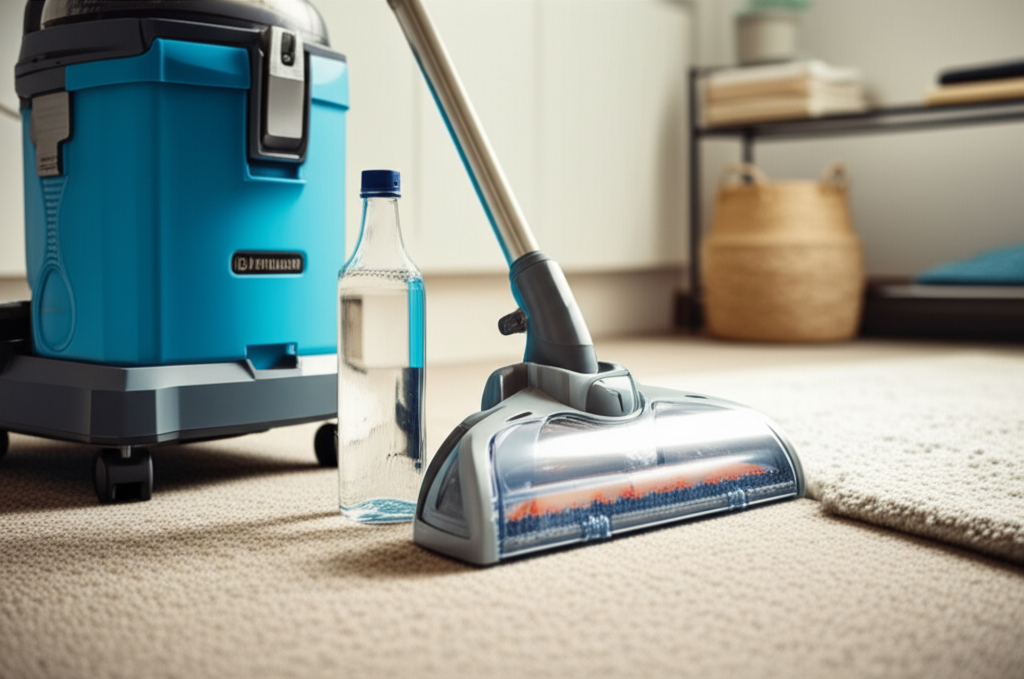
Carpet cleaners use water and cleaning solutions to lift dirt. They have tanks for clean water and dirty water. Some machines have special compartments for solutions. These parts are usually made of specific plastics or metals.
Manufacturer Recommendations: The Golden Rule
Appliance makers test their machines thoroughly. They recommend specific cleaning formulas for best results. These recommendations protect the machine’s internal parts. They also ensure the cleaning is effective and safe for your carpet fibers.
Potential Risks of Using Vinegar
Vinegar is acidic. This acidity can be good for cleaning. But it can also break down certain materials over time. It might damage rubber seals or plastic parts in your carpet cleaner. It could also affect the color or texture of some carpets.
The Benefits of Using Vinegar for Carpet Cleaning
When used correctly, vinegar offers some great advantages. It’s a natural deodorizer and can help break down some stains. Many people like using natural solutions to avoid harsh chemicals.
Natural Stain Removal Power
White vinegar can help lift common household stains. Think of spills like coffee, juice, or pet accidents. Its mild acidity helps to break down the stain molecules. This makes them easier to rinse away.
Effective Odor Neutralization
Carpets can trap unpleasant smells. Vinegar is excellent at neutralizing these odors. Instead of just masking smells, it breaks them down. This leaves your carpet smelling fresh and clean naturally.
Cost-Effective and Eco-Friendly
Compared to specialized carpet cleaning solutions, vinegar is very cheap. A large bottle costs only a few dollars. It’s also an eco-friendly choice. It’s biodegradable and doesn’t release harsh fumes into your home.
How to Safely Use Vinegar in Your Carpet Cleaner
If you decide to use vinegar, preparation is key. You must dilute it properly. You also need to ensure your machine can handle it.
Dilution Ratios: The Secret to Success
Never use vinegar straight from the bottle. A common recommendation is to mix one part white vinegar with two parts water. For example, one cup of vinegar to two cups of water. Always check if your machine’s manual allows vinegar first.
Pre-Testing on an Inconspicuous Area
Before cleaning your whole carpet, test the solution. Find a hidden spot, like inside a closet or under a rug. Apply the diluted vinegar solution and see how the carpet reacts. Check for any color changes or damage.
Rinsing is Crucial After Cleaning
After you finish cleaning with a vinegar solution, you must rinse the carpet. Use plain water in your carpet cleaner. This removes any remaining vinegar. It also helps prevent any lingering smell or residue.
When NOT to Use Vinegar in Your Carpet Cleaner
There are situations where vinegar is not a good idea. Certain carpet types or machine models can be damaged. Knowing these limits is as important as knowing the benefits.
Delicate Carpet Fibers
Some carpet materials are sensitive to acids. Wool carpets, for example, can be damaged by vinegar. The acid can weaken the fibers. This can lead to permanent damage and a dull appearance.
Older or Sensitive Carpet Cleaning Machines
If your carpet cleaner is old or has delicate parts, be cautious. The acidity of vinegar might corrode or degrade internal components. This could lead to costly repairs or a broken machine. Always refer to your machine’s manual.
When You Need Professional-Level Cleaning
For deep-set stains or very heavily soiled carpets, vinegar might not be enough. Professional cleaning solutions are formulated for tough jobs. They often contain stronger agents. They can handle issues that natural remedies cannot.
Alternative Natural Cleaning Solutions for Carpets
If vinegar isn’t the right choice, other natural options exist. These can offer similar benefits without the risks.
Baking Soda for Deodorizing
Baking soda is another fantastic natural deodorizer. Sprinkle it generously over your carpet. Let it sit for a few hours or overnight. Then, vacuum it up thoroughly. It absorbs odors effectively.
Hydrogen Peroxide for Stains (with caution)
A 3% hydrogen peroxide solution can tackle some tough stains. It acts as a mild bleach. Always test it on a hidden area first. It can lighten colored carpets. Use it sparingly and rinse well.
Specialized Natural Carpet Cleaners
Many brands now offer eco-friendly carpet cleaning solutions. These are designed for carpet machines. They are often plant-based and free from harsh chemicals. They provide effective cleaning while being safe for most carpets and machines.
Understanding Your Carpet Cleaner’s Manual
Your carpet cleaner’s manual is your best friend. It tells you exactly what cleaning solutions are safe to use. It also guides you on maintenance. Reading it can save you a lot of trouble.
What the Manual Says About Additives
Manufacturers usually list approved cleaning solutions. They might explicitly warn against certain ingredients. This is to protect their product and ensure user safety. If vinegar isn’t mentioned, it’s best to assume it’s not recommended.
Maintenance Tips for Longevity
The manual also provides cleaning and maintenance tips. Regular cleaning of the machine itself is important. This prevents clogs and ensures it works efficiently. Following these tips will make your carpet cleaner last longer.
How Vinegar Works as a Cleaner and Deodorizer
Vinegar’s effectiveness comes from its chemical properties. It’s a mild acid, primarily acetic acid. This acid interacts with dirt and odor molecules.
The Science Behind Acetic Acid
Acetic acid has a low pH. This makes it effective at breaking down alkaline stains. It also helps to kill some types of bacteria. These bacteria can cause odors.
Neutralizing Alkaline Odors
Many unpleasant smells are alkaline in nature. Vinegar, being acidic, neutralizes these alkaline compounds. It creates a neutral pH. This effectively eliminates the odor source.
Best Practices for Using Vinegar in Your Carpet Cleaner
If you’ve checked your manual and decided to proceed, follow these steps. They maximize safety and effectiveness.
Use White Distilled Vinegar Only
Always use plain white distilled vinegar. Other types, like apple cider vinegar, can stain carpets. They also contain sugars that can leave a sticky residue. White vinegar is pure and safe for cleaning.
Clean the Machine After Use
After using vinegar, run a cycle with plain water. This flushes out any residue. It prevents vinegar from sitting in the machine. This protects the internal components from potential corrosion.
Ventilate the Area Well
Vinegar has a strong smell. While it dissipates, it can be overwhelming. Ensure good ventilation when cleaning. Open windows and doors. Use fans to circulate air.
Comparing Vinegar to Commercial Carpet Cleaners
Commercial carpet cleaners are formulated for specific tasks. They often have powerful surfactants and enzymes. Vinegar is a simpler, natural alternative.
Commercial Cleaners: Pros and Cons
Pros: Highly effective on tough stains, pleasant fragrances, specific formulas for different carpet types.
Cons: Can be expensive, may contain harsh chemicals, potential for residue if not rinsed properly.
Vinegar: Pros and Cons
Pros: Inexpensive, natural, good deodorizer, readily available.
Cons: Might not tackle very tough stains, potential risk to some carpets and machines, strong initial smell.
Here’s a quick comparison:
| Feature | White Vinegar (Diluted) | Commercial Carpet Cleaner |
| :—————- | :———————- | :———————— |
| Stain Removal | Moderate | High |
| Deodorizing | Excellent | Good |
| Cost | Very Low | Moderate to High |
| Chemicals | Natural (Acidic) | Varies (Can be Harsh) |
| Machine Safety| Caution Advised | Generally Safe (if approved) |
| Carpet Safety | Test First | Varies by Product/Carpet |
Frequently Asked Questions (FAQs)
Can I put apple cider vinegar in my carpet cleaner?
No, it’s best to avoid apple cider vinegar. It can stain carpets and leave a sticky residue. Always use plain white distilled vinegar.
Will vinegar damage my carpet cleaner’s motor?
Vinegar is acidic. It could potentially damage rubber seals or metal parts over time. Always check your manual. If unsure, avoid using it.
How much vinegar should I use per gallon of water?
A common ratio is 1 part white vinegar to 2 parts water. For example, 1 cup of vinegar to 2 cups of water for a small tank. Always dilute it significantly.
Can vinegar remove pet stains and odors?
Yes, diluted vinegar can help neutralize pet odors and lift some stains. For tough pet stains, consider specialized pet stain removers. Always rinse thoroughly.
What if my carpet cleaner manual says no vinegar?
If your manual explicitly forbids vinegar, do not use it. Following manufacturer guidelines protects your appliance. There are other effective natural or commercial cleaners available.
Does vinegar leave a residue on carpets?
When properly diluted and rinsed, vinegar residue is minimal. However, if not rinsed, it can leave a slight stickiness. Always rinse your carpet with plain water after cleaning.
Final Verdict on Vinegar in Carpet Cleaners
So, can I put vinegar in my carpet cleaner? The answer is a cautious “yes,” but with significant caveats. It can be a budget-friendly, natural way to tackle odors and light stains. However, the risks to your carpet cleaner and certain carpet types are real. Always prioritize your machine’s manual. If it doesn’t mention vinegar, it’s safer to use approved solutions. For peace of mind and optimal machine performance, consider specialized carpet cleaning solutions or other natural alternatives like baking soda. Making an informed choice ensures your carpets get clean without damaging your valuable appliances.
