Can An Air Purifier Get Rid Of Dust? Proven Solution!

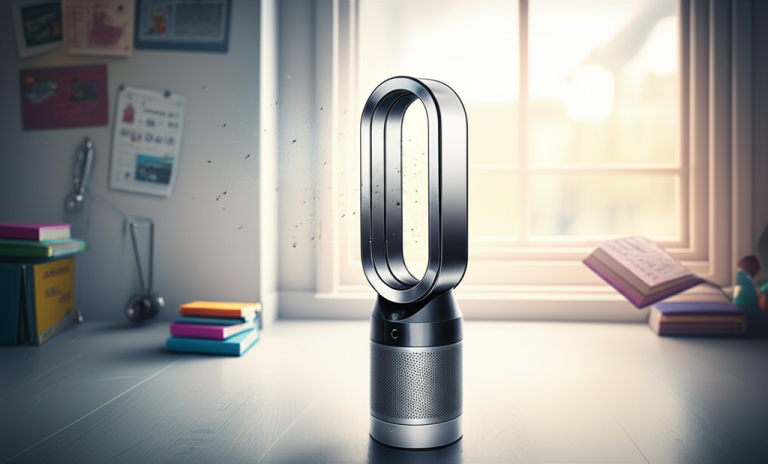
Yes, an air purifier can significantly reduce dust in your home by capturing airborne particles. While it won’t eliminate the dust that settles on surfaces, it actively removes dust circulating in the air, leading to cleaner indoor environments and fewer allergy symptoms.
Can an Air Purifier Get Rid of Dust? The Truth Revealed!
Dust is a persistent nuisance in many homes, often exacerbating allergies and making surfaces look dull. Many people wonder if investing in an air purifier is a viable solution for their dusty living spaces. The short answer is yes, air purifiers are highly effective at capturing dust particles that circulate in the air, contributing to a cleaner and healthier home environment. Let’s explore how they work and what you can expect.
How Air Purifiers Tackle Airborne Dust
Air purifiers work by drawing in the air from your room, passing it through a series of filters, and then releasing cleaner air back into the space. The effectiveness of an air purifier in removing dust largely depends on its filtration system, particularly the presence of a High-Efficiency Particulate Air (HEPA) filter. These filters are designed to trap even the smallest particles, including dust, pollen, pet dander, and mold spores.
The Role of HEPA Filters in Dust Removal

HEPA filters are the gold standard for air purification when it comes to capturing particulate matter like dust. A true HEPA filter is certified to capture at least 99.97% of airborne particles that are 0.3 microns in size. Dust particles vary in size, but many are well within the range that HEPA filters can effectively capture. This means that as dust circulates in your home, the air purifier actively pulls it in and traps it, preventing it from settling on your furniture and floors.
Understanding Micron Size and Dust Particles
To truly grasp how an air purifier gets rid of dust, it’s helpful to understand particle sizes. A micron is one-millionth of a meter. Human hair is about 70-100 microns thick. Dust particles themselves can range from very fine particles measuring just a few microns to larger ones. HEPA filters excel at capturing particles as small as 0.3 microns, which means they can effectively trap the vast majority of dust, even the microscopic components that contribute to allergies and respiratory issues.
Beyond HEPA: Other Filtration Technologies
While HEPA filters are crucial for dust removal, many air purifiers also incorporate other filtration technologies that can enhance their effectiveness. Activated carbon filters, for instance, are excellent at adsorbing odors and volatile organic compounds (VOCs) that might accompany dust or be present in the air. Pre-filters, often washable, capture larger particles like pet hair and visible dust bunnies, extending the life of the main HEPA filter and improving overall dust capture efficiency.
Activated Carbon Filters and Odor Control
Activated carbon filters are porous materials that adsorb gases and odors. While they don’t directly trap dust particles like HEPA filters, they can remove odors associated with dust, such as stale air or the scent of pet dander that often mixes with dust. This dual-action filtration provides a more comprehensive approach to indoor air quality improvement, tackling both visible dust and invisible airborne irritants.
Pre-Filters: The First Line of Defense
The pre-filter is typically the first stage of filtration in an air purifier. It’s designed to catch larger airborne particles, such as lint, hair, and visible dust. By trapping these larger items, the pre-filter prevents them from reaching and clogging the more sensitive HEPA and activated carbon filters. This not only improves the overall performance of the air purifier but also significantly extends the lifespan of the more expensive filters.
Can an Air Purifier Get Rid of ALL Dust? The Nuance
It’s important to manage expectations. While an air purifier is excellent at removing airborne dust, it cannot magically eliminate dust that has already settled on surfaces like tables, shelves, or floors. Dust is a complex mixture of skin cells, fabric fibers, pet dander, pollen, and more. Once these particles land, they are no longer airborne and thus outside the direct reach of an air purifier.
The Difference Between Airborne and Settled Dust
Airborne dust is what you see dancing in sunbeams – it’s the dust actively circulating in your home’s air. An air purifier is designed to capture this. Settled dust is the accumulation on your furniture, baseboards, and floors. To tackle settled dust, you still need traditional cleaning methods like dusting with microfiber cloths and vacuuming with a HEPA-filtered vacuum cleaner.
The Synergistic Effect of Cleaning and Air Purification
For the most effective dust control, combining air purification with regular cleaning is the best strategy. Run your air purifier continuously to capture new dust particles as they become airborne. Then, use dusting and vacuuming to remove the dust that has already settled. This two-pronged approach ensures that your home remains as dust-free as possible and significantly improves your indoor air quality. For instance, using a vacuum cleaner like the Dyson Ball Animal 3, which features advanced filtration, complements the work of an air purifier.
Choosing the Right Air Purifier for Dust Removal
When selecting an air purifier specifically for dust, consider several key factors. The size of the room you intend to use it in is paramount, as air purifiers have a Clean Air Delivery Rate (CADR) that indicates how quickly they can clean a specific volume of air. Look for units with a CADR rating appropriate for your room size, and prioritize those with true HEPA filtration.
Understanding CADR and Room Size Coverage
CADR is a standardized rating that measures how effectively an air purifier removes specific pollutants, including dust, pollen, and smoke. A higher CADR rating means the unit can clean the air faster and is suitable for larger rooms. Always check the manufacturer’s recommendations for room size coverage to ensure the air purifier you choose will be effective in your space. For example, a unit rated for a 300 sq ft room will be less effective in a 500 sq ft room.
Key Features to Look For
Beyond HEPA filtration and appropriate CADR, consider features like multiple fan speeds for adjustable cleaning power, a timer for convenience, and an air quality sensor that can automatically adjust fan speed based on detected pollution levels. Some units also offer smart features, allowing you to control them via a smartphone app. Noise level is also a factor, especially if you plan to use the purifier in a bedroom or living area.
How Air Purifiers Impact Allergy Symptoms
For individuals suffering from dust allergies, an air purifier can be a game-changer. By significantly reducing the concentration of airborne dust, pet dander, and other allergens in the air, air purifiers can help alleviate common allergy symptoms such as sneezing, runny nose, itchy eyes, and respiratory discomfort. Consistent use can lead to a noticeable improvement in allergy sufferers’ quality of life.
Reducing Allergen Exposure
Dust mites, a common trigger for allergies, thrive in environments with dust. While air purifiers don’t kill dust mites directly, they capture the microscopic fecal matter and body fragments of dust mites that become airborne, which are potent allergens. By removing these particles from the air you breathe, air purifiers create a less allergenic environment.
Improving Sleep Quality
Allergy symptoms can significantly disrupt sleep. When allergens are reduced in the bedroom air, individuals with allergies can breathe more easily, leading to more restful sleep. This improved sleep quality can have a cascading positive effect on overall health and well-being.
Maintenance: Keeping Your Air Purifier Effective
To ensure your air purifier continues to effectively remove dust, regular maintenance is crucial. This primarily involves cleaning or replacing the filters according to the manufacturer’s recommendations. Neglecting filter maintenance can lead to reduced performance, increased energy consumption, and even the release of trapped particles back into the air.
Filter Replacement Schedules
HEPA filters typically need to be replaced every 6 to 12 months, depending on usage and the level of air pollution in your home. Activated carbon filters may also need replacement, often more frequently than HEPA filters, as their adsorptive capacity gets used up. Always refer to your air purifier’s manual for specific replacement guidelines.
Cleaning Pre-filters
Washable pre-filters should be cleaned regularly, perhaps every 2 to 4 weeks. Gently vacuuming them or rinsing them under water can remove accumulated dust and prolong the life of the main filters. Ensure the pre-filter is completely dry before reinstalling it in the air purifier to prevent mold or mildew growth.
Can an Air Purifier Get Rid of Dust? A Summary of Benefits
The primary benefit of using an air purifier for dust is the improvement in indoor air quality. By capturing airborne dust, these devices contribute to a cleaner living environment, reduce the frequency of dusting, and offer significant relief to allergy sufferers. They are a proactive tool in managing household dust and creating a healthier space for everyone.
Enhanced Indoor Air Quality
The most significant advantage is the direct improvement in the air you breathe. Removing dust particles from the air means less irritation for your respiratory system and a generally cleaner atmosphere. This is particularly important for vulnerable populations like children, the elderly, and those with pre-existing respiratory conditions.
Reduced Need for Frequent Dusting
While not a complete replacement for dusting, an air purifier can noticeably reduce the amount of dust that settles on surfaces. This means you might find yourself needing to dust less often, saving you time and effort in your cleaning routine.
Frequently Asked Questions About Air Purifiers and Dust
Q1: Can an air purifier remove dust mites?
A1: Air purifiers capture airborne particles, including the fecal matter and body fragments of dust mites, which are common allergens. They don’t eliminate the mites themselves from surfaces, but they reduce exposure to their allergenic components in the air.
Q2: How often should I run my air purifier for dust?
A2: For optimal dust removal and air quality improvement, it’s recommended to run your air purifier continuously, especially in rooms where dust is a significant concern.
Q3: Will an air purifier make my home completely dust-free?
A3: An air purifier effectively removes airborne dust. It cannot remove dust that has already settled on surfaces. Regular dusting and vacuuming are still necessary to manage settled dust.
Q4: What is the best type of filter for dust removal?
A4: A High-Efficiency Particulate Air (HEPA) filter is the most effective for capturing dust particles. Look for units with “True HEPA” filters, which are certified to capture 99.97% of particles 0.3 microns and larger.
Q5: How do I know if my air purifier is working for dust?
A5: You may notice less visible dust settling on surfaces over time, and allergy sufferers might experience fewer symptoms. Some air purifiers also have air quality indicators that can show improvements.
Q6: Can an air purifier help with pet dander, which often mixes with dust?
A6: Yes, air purifiers with HEPA filters are very effective at capturing pet dander, which is a common allergen that often contributes to household dust.
Conclusion: Your Proven Solution for Airborne Dust
In conclusion, the question “Can an air purifier get rid of dust?” has a resounding yes. Air purifiers, especially those equipped with true HEPA filters, are highly effective at capturing the vast majority of airborne dust particles circulating in your home. While they don’t eliminate settled dust, they play a crucial role in improving your indoor air quality, reducing allergen exposure, and creating a cleaner, healthier living environment. By understanding how they work, choosing the right unit for your space, and maintaining it properly, you can harness the power of air purification as a proven solution to combat household dust.