

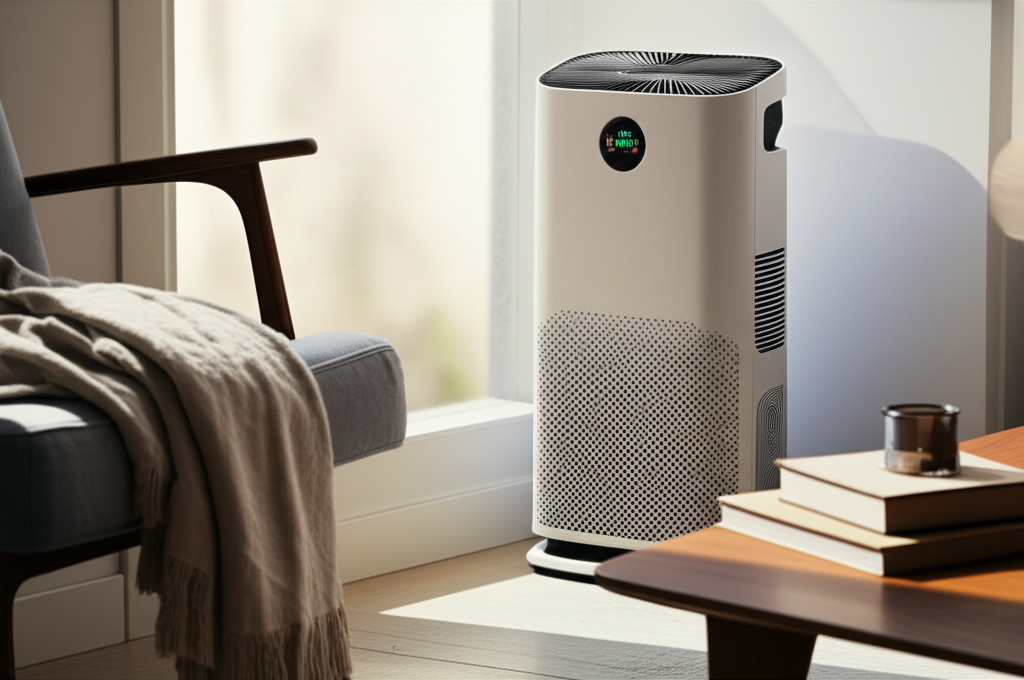
Yes, an air purifier can effectively get rid of musty smells by capturing airborne mold spores, mildew, and volatile organic compounds (VOCs) that cause them. Choosing an air purifier with a robust activated carbon filter is key to neutralizing these odor-causing particles and restoring fresh air to your home.
Are you battling that persistent, unpleasant musty smell that seems to linger no matter what you do? It’s a common frustration, often linked to hidden moisture and potential mold growth. Don’t worry, you’re not alone, and there’s a practical solution within reach. This guide will show you precisely how an air purifier can tackle this issue and help you breathe easier.
How Air Purifiers Combat Musty Odors
Air purifiers are designed to filter airborne contaminants, and this includes the microscopic culprits behind musty smells. They work by drawing in air, passing it through a series of filters, and releasing cleaner air back into the room. This process is highly effective at removing the source of the odor.
The effectiveness of an air purifier against musty smells hinges on its filtration technology. Specifically, the presence and quality of certain filters play a crucial role in capturing the tiny particles responsible for that damp, earthy scent. Understanding these components is vital for choosing the right device.
The Role of Activated Carbon Filters
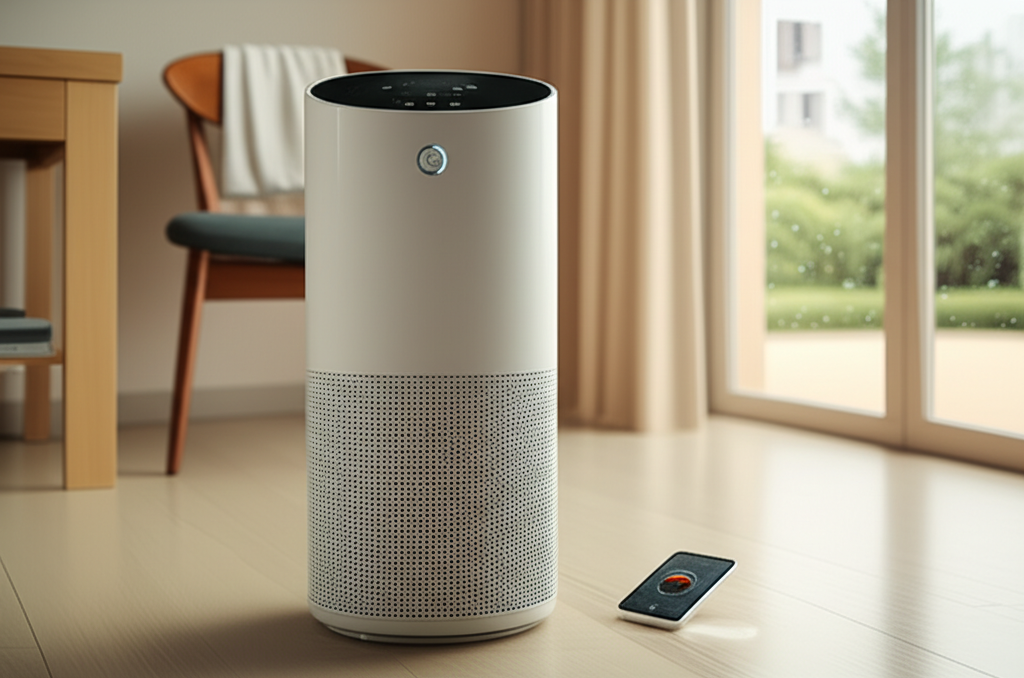
Activated carbon filters are the unsung heroes when it comes to odor removal. These filters are made from carbon that has been treated to be extremely porous, creating a vast surface area. This large surface area allows the filter to adsorb, or trap, odor molecules, including those that cause musty smells.
When air passes through an activated carbon filter, odor-causing compounds like volatile organic compounds (VOCs) and mold spores are chemically bonded to the carbon. This adsorption process effectively neutralizes the smell, rather than just masking it. The more activated carbon a purifier has, the better it will perform at eliminating persistent odors.
HEPA Filters and Odor Control
While activated carbon is the primary odor neutralizer, HEPA (High-Efficiency Particulate Air) filters also play a supporting role. HEPA filters are designed to capture at least 99.97% of airborne particles 0.3 microns in size. This includes mold spores, mildew fragments, and dust that can contribute to or exacerbate musty conditions.
By trapping these physical particles, HEPA filters prevent them from circulating and settling on surfaces, where they could continue to grow or release odors. Therefore, a combination of HEPA and activated carbon filtration offers a comprehensive approach to tackling musty smells. Many high-quality air purifiers feature both.
Identifying the Source of Musty Smells
Before you even consider an air purifier, it’s crucial to address the root cause of the musty smell. Often, this odor is a symptom of underlying moisture issues that need to be resolved. An air purifier can help manage the smell, but it won’t fix the problem if the moisture source remains.
Common sources of musty smells include leaks in plumbing or roofs, condensation from poor ventilation, high humidity levels, and damp basements or crawl spaces. Identifying and rectifying these issues is the most effective long-term solution. Think of the air purifier as a powerful ally in your battle against these environmental factors.
Common Culprits: Mold and Mildew
Mold and mildew are the most frequent offenders when it comes to musty odors. These fungi thrive in damp, dark, and poorly ventilated environments. They release spores into the air, which carry that characteristic musty scent.
Areas prone to mold and mildew include bathrooms, kitchens, basements, attics, and anywhere water damage has occurred. Even seemingly minor leaks can create ideal breeding grounds for these odor-producing organisms. Regular cleaning and moisture control are essential to prevent their growth.
The Importance of Humidity Control
High indoor humidity levels are a primary catalyst for mold and mildew growth. When humidity consistently hovers above 60%, it creates a perfect environment for these fungi to flourish. This is why basements and bathrooms often develop musty smells.
Using a dehumidifier in conjunction with an air purifier can be a highly effective strategy. A dehumidifier actively removes excess moisture from the air, making it less hospitable for mold and mildew. This two-pronged approach tackles both the cause and the symptom of the musty smell.
Choosing the Right Air Purifier for Musty Smells
When selecting an air purifier specifically for musty odors, focus on models that prioritize activated carbon filtration. The amount and quality of the carbon are key indicators of its odor-eliminating capabilities. Look for purifiers with substantial carbon pre-filters or large, dense activated carbon filters.
Consider the size of the room you intend to use the purifier in. Most air purifiers have a Clean Air Delivery Rate (CADR) for smoke, dust, and pollen. While CADR doesn’t directly measure odor removal, a higher CADR generally indicates a more powerful unit capable of circulating and cleaning air more efficiently.
Key Features to Look For
Beyond filtration, several features can enhance an air purifier’s performance against musty smells. Look for units with a multi-stage filtration system that includes a pre-filter to catch larger particles, a HEPA filter for allergens and spores, and a substantial activated carbon filter for odors. Some advanced models also include UV-C light, which can help kill mold and bacteria, though its effectiveness against odors is debated.
Additional features like variable fan speeds, a filter replacement indicator, and a quiet sleep mode can improve the user experience. Ensure the unit is Energy Star certified for energy efficiency, especially if you plan to run it continuously.
Understanding Filter Lifespan and Replacement
The effectiveness of any air purifier is directly tied to the condition of its filters. Activated carbon filters, in particular, become saturated over time and lose their ability to adsorb odors. It’s essential to follow the manufacturer’s recommendations for filter replacement, which typically ranges from 6 to 12 months depending on usage and air quality.
A filter replacement indicator light is a helpful feature that alerts you when it’s time for a change. Neglecting filter replacements means your air purifier will become less effective, and the musty smell may return. Proper maintenance is non-negotiable for sustained odor control.
How to Use an Air Purifier for Maximum Effectiveness
Proper placement and continuous operation are key to getting the most out of your air purifier. For musty smells, placing the unit in the affected room is the first step. Ideally, position it in a central location where it can draw air from all directions.
Running the air purifier on a medium to high setting for extended periods, even continuously, will yield the best results. This ensures that airborne odor-causing particles are constantly being captured and neutralized. It’s a consistent effort that pays off in fresher air.
Placement Strategies
The ideal placement for an air purifier tackling musty smells is within the room where the odor is most pronounced. Avoid placing it directly against walls or furniture, as this can obstruct airflow and reduce its efficiency. Aim for an open area in the room, preferably at least a few feet away from any obstructions.
If the musty smell is pervasive throughout your home, consider using multiple air purifiers in key areas, such as the basement, living room, and bedrooms. This allows for more comprehensive air cleaning and odor neutralization across your living space.
When to Run Your Air Purifier
For persistent musty smells, running your air purifier 24/7 is highly recommended. This ensures that the air is continuously being filtered and that any new odor-causing particles are captured as soon as they become airborne. While it might seem like a power drain, many modern air purifiers are energy-efficient.
If 24/7 operation isn’t feasible, prioritize running it during periods when the odor is most noticeable or when you are spending the most time in the affected area. Even several hours a day can make a significant difference in reducing the musty scent.
Air Purifiers vs. Other Odor Solutions
While air purifiers offer a proven solution for musty smells, it’s helpful to understand how they compare to other common methods. Many people resort to air fresheners or odor absorbers like baking soda, but these often only mask the problem or have limited effectiveness.
Air purifiers, particularly those with activated carbon, actively remove the source of the odor. This makes them a more sustainable and effective long-term solution for eliminating musty smells, rather than just temporarily covering them up.
Odor Absorbers vs. Air Purifiers
Odor absorbers, such as baking soda or activated charcoal pouches, work by trapping odor molecules. They can be useful for small, enclosed spaces like closets or cars. However, for larger rooms or persistent smells, their capacity is limited, and they require frequent replacement.
Air purifiers, on the other hand, continuously filter large volumes of air. Their activated carbon filters can handle a much greater load of odor molecules, making them superior for tackling widespread or strong musty odors throughout a home.
The Limits of Air Fresheners
Air fresheners, while popular, do not eliminate odors; they merely introduce new scents to overpower or mask the existing ones. This can sometimes create an unpleasant combination of smells and doesn’t address the underlying cause of the musty odor. In some cases, air fresheners can even introduce VOCs into the air, potentially worsening indoor air quality.
For true odor elimination, an air purifier with an effective activated carbon filter is the more scientific and effective approach. It removes the offending particles, leading to genuinely fresh air.
Maintenance and Filter Replacement
Regular maintenance is crucial for your air purifier to continue effectively eliminating musty smells. The most important aspect of this is replacing the filters according to the manufacturer’s schedule. Over time, activated carbon filters become saturated, and HEPA filters can become clogged.
Cleaning the exterior of the unit and ensuring the intake and exhaust vents are free of dust will also help maintain optimal performance. A well-maintained air purifier will consistently deliver cleaner, fresher air.
When to Replace Filters
The lifespan of filters varies depending on the model and the air quality in your home. Generally, HEPA filters last longer than activated carbon filters, as the carbon is actively adsorbing odor molecules. Most manufacturers recommend replacing the activated carbon filter every 6-12 months and the HEPA filter every 12-24 months.
Always check your air purifier’s manual for specific recommendations. Some units have filter indicator lights, which are very helpful. If you notice the musty smell returning or a decrease in airflow, it might be time for a filter change even if the indicator hasn’t activated.
Cleaning Your Air Purifier
Beyond filter replacement, occasional cleaning of the air purifier unit itself is beneficial. Unplug the unit and use a soft, dry cloth to wipe down the exterior. You can use a vacuum cleaner with a brush attachment to gently clean the intake grilles and fan blades, removing any accumulated dust.
Never use water or cleaning solutions directly on the air purifier components, as this can damage the electronics. Always ensure the unit is completely dry before plugging it back in and turning it on.
Expert Recommendations for Musty Smells
Based on my experience, when dealing with musty smells, prioritize air purifiers with a significant amount of high-quality activated carbon. Look for brands known for their robust filtration systems. Coway, Levoit, and Blueair are often cited for their effective odor control capabilities, particularly their models featuring substantial carbon filters.
A good rule of thumb is to look for a carbon filter that is at least 1-2 inches thick, or one that lists the weight of the activated carbon used. This indicates a greater capacity for adsorbing odors.
Top Air Purifier Brands for Odor Control
Several brands consistently deliver excellent performance in odor removal. Coway’s Airmega line, for example, is renowned for its large activated carbon filters. Levoit’s Core series often includes powerful carbon filters and is a popular choice for its balance of performance and affordability. Blueair’s SmokeStop filters are also highly effective against odors and VOCs.
When researching, pay attention to user reviews specifically mentioning odor elimination. This real-world feedback can be invaluable in making your decision.
What to Avoid
Steer clear of air purifiers that rely solely on ionization or UV-C light for odor control without a substantial activated carbon filter. While these technologies can have their benefits, they are not as effective at neutralizing pervasive musty smells as activated carbon. Ionizers can also produce ozone, which can be a respiratory irritant.
Also, avoid “odor eliminator” sprays that are simply fragrances. They don’t solve the problem and can sometimes contribute to indoor air pollution.
Frequently Asked Questions
Can an air purifier completely eliminate a musty smell?
Yes, an air purifier with a robust activated carbon filter can significantly reduce and often completely eliminate musty smells by capturing and neutralizing the odor-causing particles.
How long does it take for an air purifier to get rid of a musty smell?
The time it takes depends on the severity of the smell, the size of the room, and the capacity of the air purifier. For moderate smells, you might notice a difference within a few hours, but it can take a few days of continuous operation for complete elimination.
Do I need a special type of air purifier for musty smells?
You need an air purifier with a high-quality and substantial activated carbon filter. This is the key component for adsorbing odor molecules that cause musty smells.
Can air purifiers help with mold smell?
Yes, air purifiers can help with mold smell by capturing airborne mold spores and mildew fragments. However, it’s crucial to address the underlying moisture issue causing the mold growth to prevent its return.
How often should I replace the activated carbon filter?
Most manufacturers recommend replacing activated carbon filters every 6 to 12 months, depending on usage and the level of pollutants in your air. Always check your specific model’s manual.
Can I wash and reuse activated carbon filters?
No, activated carbon filters cannot be washed and reused. Once the carbon is saturated with odor molecules, its adsorptive capacity is exhausted, and it needs to be replaced.
Conclusion
So, can an air purifier get rid of musty smell? Absolutely. By understanding the science behind odor elimination and choosing an air purifier equipped with a powerful activated carbon filter, you can effectively tackle those persistent musty odors and reclaim the fresh, clean air in your home. Remember to address any underlying moisture issues, maintain your unit by replacing filters regularly, and position it for optimal performance. With the right approach, you’ll be breathing easier in no time.
