
Can Air Purifier Be Used With AC? Genius Solution!

Yes, you can absolutely use an air purifier with your AC, and it’s a brilliant way to enhance your indoor air quality. This guide reveals the best practices and why it’s a smart move for a healthier home.
Are you wondering if combining your air purifier and air conditioner is a good idea? Many people worry about whether these two essential home appliances can work together without causing issues. The good news is that not only can they be used together, but doing so can significantly boost the air quality in your home, creating a cleaner, fresher, and healthier living environment. Let’s explore how to make this powerful duo work for you.
The Synergy: Air Purifiers and AC Units Explained
Using an air purifier alongside your air conditioning system is a smart strategy for improving indoor air quality. Your AC circulates air, and an air purifier actively cleans it, creating a powerful combination for a healthier home. This pairing ensures that the air being cooled or heated is also being purified.
How Your AC System Works
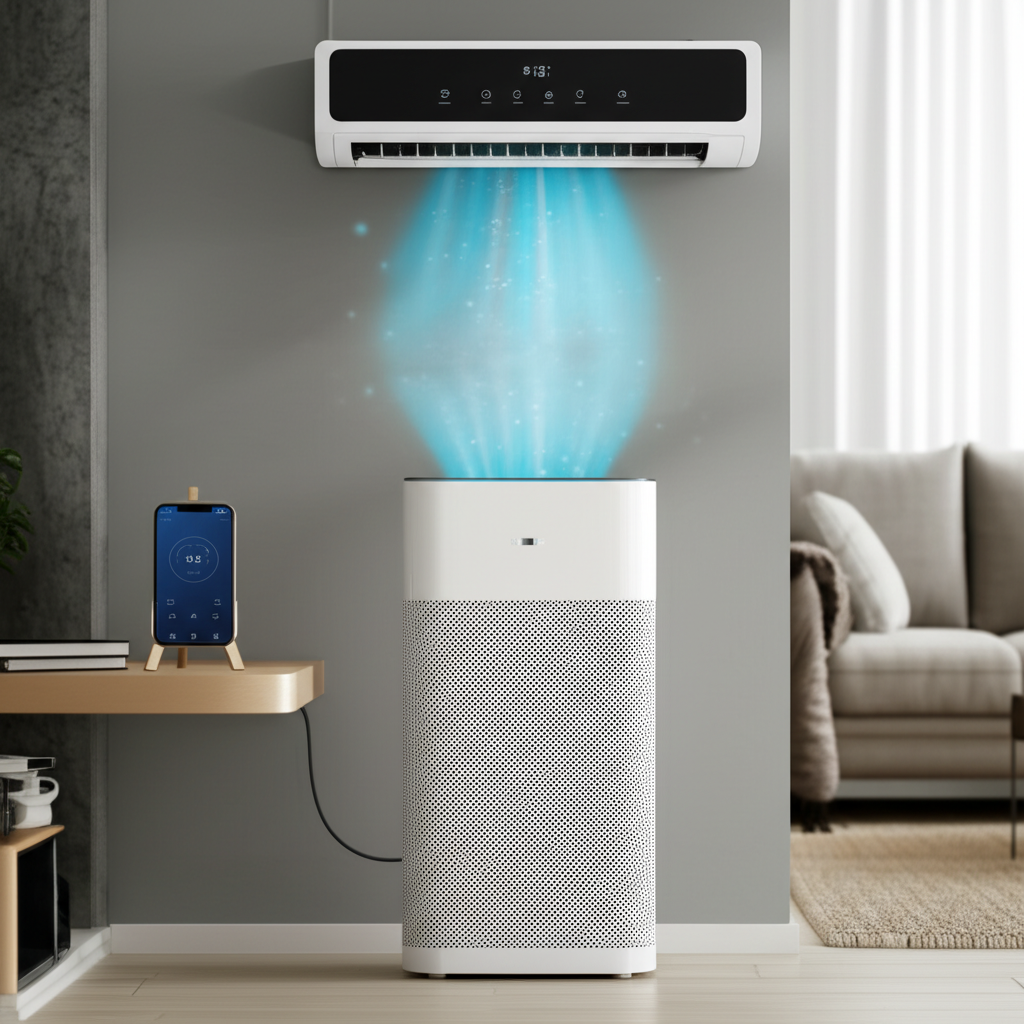
Your air conditioner’s primary function is to regulate temperature and humidity by circulating indoor air. It draws air in, passes it over cooling coils, and then blows the conditioned air back into the room. While it circulates air, it doesn’t inherently filter out microscopic pollutants effectively.
The Role of an Air Purifier
An air purifier is designed to capture airborne particles like dust, pollen, pet dander, mold spores, and even volatile organic compounds (VOCs). It uses various filter types, such as HEPA filters, to trap these contaminants, releasing cleaner air back into your space. This process directly addresses the limitations of a standard AC filter.
Can Air Purifier Be Used With AC? The Direct Answer
Yes, an air purifier can absolutely be used with your AC, and it’s a highly recommended practice for optimal indoor air quality. This combination tackles a wider range of airborne pollutants than either appliance can alone. It’s a straightforward way to ensure the air you breathe is both comfortable and clean.
Why Combining Them is Beneficial
When your AC is running, it’s constantly moving air throughout your home. Placing an air purifier in the same room or area means that the air being circulated by the AC is also being passed through the purifier’s advanced filtration system. This dual action significantly reduces the number of allergens and pollutants you inhale.
Addressing Common Concerns
Some people worry that running both appliances might strain their electrical system or reduce the efficiency of either. However, modern air purifiers are designed to be energy-efficient, and when used correctly, they complement rather than compete with your AC’s operation. The benefits to your health often outweigh any minor energy considerations.
Optimizing Placement for Maximum Effectiveness
Strategic placement is key to unlocking the full potential of using an air purifier with your AC. You want to ensure maximum air circulation through the purifier without hindering your AC’s performance. Proper positioning maximizes the clean air delivered to your living spaces.
Ideal Placement Scenarios
The best place for your air purifier is typically in the room where you spend the most time, especially if that’s where your AC unit is also located. Placing it near the AC’s return vent can help capture pollutants before they are circulated widely by the AC. However, avoid blocking the AC’s airflow.
What to Avoid: Placement Pitfalls
Never place an air purifier directly in front of an AC vent or return grille, as this can obstruct airflow and make both units work harder. Also, avoid placing it in enclosed spaces like closets or behind furniture, which limits its ability to draw in and filter air effectively. Ensure there’s at least a foot of clearance around the unit.
Choosing the Right Air Purifier for Your AC Setup
Not all air purifiers are created equal, and selecting the right one for your AC-integrated system is crucial. Consider the size of your room, the types of pollutants you want to target, and the purifier’s CADR (Clean Air Delivery Rate). A unit that’s too small won’t be effective, while one that’s too large might be overkill.
Understanding CADR and Room Size
CADR ratings indicate how quickly an air purifier can filter specific pollutants like smoke, dust, and pollen. Match the CADR to your room size; a higher CADR is generally better for larger rooms or for faster purification. Check the manufacturer’s recommendations for room coverage.
HEPA Filters: The Gold Standard
For the best results when using with an AC, opt for an air purifier with a True HEPA filter. These filters are certified to capture at least 99.97% of airborne particles 0.3 microns in size. This is essential for removing fine dust, allergens, and even some bacteria and viruses.
Activated Carbon Filters for Odors and VOCs
If odors, smoke, or chemical fumes are a concern, look for an air purifier that also includes an activated carbon filter. This layer works in tandem with the HEPA filter to absorb gases and volatile organic compounds (VOCs), further enhancing the air quality provided by your AC.
Air Purifier vs. AC Filter: What’s the Difference?
It’s important to understand that your AC filter and an air purifier serve different, though complementary, purposes. While both filter air, their capabilities and intended functions vary significantly. Knowing these differences helps you appreciate the value of using both.
The AC Filter’s Role
AC filters are primarily designed to protect the AC unit itself from dust and debris, preventing it from clogging the internal components. They offer a basic level of air filtration for the entire home but are not typically designed to capture the very fine particles that impact indoor air quality. Their MERV (Minimum Efficiency Reporting Value) ratings usually range from 1 to 13, with higher numbers indicating better filtration.
The Air Purifier’s Advanced Filtration
Air purifiers, especially those with HEPA filters, go a step further. They are specifically engineered to capture microscopic allergens, pollutants, and irritants that can affect your health. Their filtration efficiency is far superior for improving the air you breathe directly.
A Comparative Table
| Feature | AC Filter | Air Purifier (with HEPA) |
| :————– | :————————————– | :————————————— |
| Primary Purpose | Protect AC unit, basic home filtration | Improve indoor air quality, health |
| Filtration | Basic (MERV 1-13) | High-efficiency (True HEPA, Carbon) |
| Particle Size | Larger particles (dust, lint) | Microscopic particles (allergens, VOCs) |
| Placement | Within AC unit | Freestanding in living spaces |
| Effectiveness | Home-wide, but less refined | Targeted room purification |
This table highlights how each appliance contributes to your home’s air management system. The AC filter protects the system, while the air purifier protects your health.
Maintaining Your Air Purifier and AC for Peak Performance
To ensure both your air purifier and AC work optimally together, regular maintenance is essential. Neglecting maintenance can reduce their effectiveness and even lead to problems. Keeping both clean and functional guarantees the best air quality.
Air Purifier Maintenance Schedule
Most air purifiers require regular filter replacement. HEPA filters typically need replacing every 6-12 months, depending on usage and air quality, while carbon filters may need replacement more frequently. Always follow the manufacturer’s specific guidelines for your model.
AC Maintenance Essentials
Your AC unit also needs periodic checks. This includes cleaning or replacing the AC filter monthly or as recommended by the manufacturer, cleaning the coils, and ensuring the unit is free of debris. Professional servicing once a year is also advisable to catch any potential issues.
Troubleshooting Common Issues When Using Both
While generally compatible, you might encounter minor issues when running an air purifier with your AC. Most are easily resolved with a few simple checks. Understanding these potential hiccups can save you time and frustration.
Reduced Airflow from AC Vents
If you notice weaker airflow from your AC vents, it might be due to the air purifier’s placement. Ensure the purifier isn’t too close to the AC’s return vent or blocking any main supply vents. Adjusting its position should resolve this.
Increased Energy Consumption
Running two appliances will naturally use more electricity. However, if you notice a significant spike, check if your air purifier is set to its highest setting unnecessarily. Using a lower, more appropriate setting can help manage energy use.
Noise Levels
Some air purifiers can be noisy, especially on higher settings. If the noise is disruptive, consider placing the purifier further from your primary seating areas or opting for a quieter model. Many units have a “sleep” or “low” mode for quieter operation.
Can Air Purifier Be Used With AC? Enhancing Your Home Environment
Using an air purifier with your AC is a genius solution for creating a healthier and more comfortable living space. It addresses the limitations of each appliance individually by combining circulation with active purification. This proactive approach to air quality is a significant step towards a healthier lifestyle.
Benefits Beyond Allergy Relief
Beyond reducing allergy symptoms, cleaner air from this combined system can lead to better sleep, increased focus, and a general sense of well-being. It helps mitigate the effects of indoor air pollution, which can be several times worse than outdoor pollution. This is especially important for families with children or elderly members.
A Smart Investment in Health
Investing in a quality air purifier to use alongside your AC is an investment in your family’s health. It provides a consistent layer of protection against airborne contaminants, creating a sanctuary of clean air within your home. The long-term health benefits are substantial.
Frequently Asked Questions (FAQ)
Q1: Can I run my air purifier and AC at the same time?
Yes, you can and should run them at the same time. This allows the air purifier to clean the air that the AC is circulating, leading to better overall indoor air quality.
Q2: Does using an air purifier with my AC increase my electricity bill significantly?
While it will increase your electricity usage slightly, most modern air purifiers are energy-efficient. The health benefits of cleaner air often outweigh the minor increase in energy costs.
Q3: Where is the best place to put an air purifier when my AC is running?
Place the air purifier in the room where you spend the most time, ideally with some clearance from the AC vents. Avoid blocking the AC’s airflow. Placing it near the AC return can be effective for capturing pollutants early.
Q4: Will my AC filter protect me from allergens like an air purifier does?
AC filters offer basic protection and are mainly to protect the unit. They are not as effective as a True HEPA filter in an air purifier at capturing microscopic allergens and pollutants that impact health.
Q5: How often should I replace the filters in my air purifier?
Filter replacement frequency varies by model and usage. Generally, HEPA filters should be replaced every 6-12 months, and carbon filters every 3-6 months. Always check your manufacturer’s recommendations.
Q6: Can an air purifier help with the smell of my AC?
Yes, air purifiers with activated carbon filters are excellent at removing odors, including musty smells that can sometimes come from AC units. This helps ensure the air circulated by your AC smells fresh.
Conclusion: Breathe Easier with This Smart Combination
In conclusion, the question “Can air purifier be used with AC?” has a resounding yes. This combination is not just possible but highly beneficial for anyone seeking to improve their indoor air quality. By strategically placing your air purifier and ensuring both appliances are well-maintained, you create a powerful system that continuously cleans and circulates fresh, healthy air throughout your home. Embrace this genius solution to breathe easier and live healthier.
