
Can A Air Purifier Help With Mold: Proven Essential

Yes, an air purifier can help with mold by capturing airborne mold spores and improving indoor air quality, but it’s not a standalone solution for mold removal. It’s a vital tool in managing mold-related allergies and respiratory issues, especially when used alongside proper mold remediation techniques.
Can An Air Purifier Help With Mold? A Proven Essential for Cleaner Air
Dealing with mold in your home can be a frustrating and concerning experience. You might be wondering if there’s a simple solution to improve the air you breathe, especially if you’re sensitive to mold. Fortunately, an air purifier can be a valuable ally in your fight against airborne mold spores. This article will explore how these devices work, what to look for, and how they fit into a comprehensive mold management strategy. Let’s dive in and discover how an air purifier can make a significant difference.
Understanding the Mold Problem in Your Home
Mold is a type of fungus that thrives in damp, humid environments. It reproduces by releasing microscopic spores into the air. These spores can travel throughout your home and land on surfaces, potentially growing into new mold colonies if conditions are right. Common culprits for mold growth include leaky pipes, excessive humidity, and poor ventilation.
The presence of mold can lead to a variety of health issues, particularly for those with allergies or respiratory conditions like asthma. Symptoms can range from sneezing and itchy eyes to more severe breathing difficulties. Identifying and addressing the source of moisture is the first step in tackling a mold problem.
How Air Purifiers Combat Airborne Mold Spores
Air purifiers work by drawing in air, filtering it, and then releasing cleaner air back into the room. They are particularly effective at capturing small airborne particles, including mold spores, which are often too tiny to be seen with the naked eye. By trapping these spores, air purifiers prevent them from circulating and settling on surfaces, thus reducing the potential for further growth and inhalation.
The effectiveness of an air purifier against mold depends heavily on its filtration system. A high-quality HEPA filter is crucial for capturing the smallest mold spores. Other filters, like activated carbon, can help reduce mold odors.
The Role of HEPA Filters in Mold Spore Capture
High-Efficiency Particulate Air (HEPA) filters are the gold standard for capturing tiny airborne particles, including mold spores. A true HEPA filter is designed to trap at least 99.97% of airborne particles that are 0.3 microns in size. Mold spores can range in size, but many fall within this range, making HEPA filtration highly effective.
When air passes through a HEPA filter, mold spores, dust mites, pollen, and other allergens are physically trapped within the filter media. This process significantly reduces the concentration of these irritants in your indoor environment. Regular replacement of HEPA filters is essential to maintain their efficiency.
Choosing the Right Air Purifier for Mold Control
When selecting an air purifier for mold, several features are paramount. Look for a unit with a true HEPA filter as the primary filtration layer. The Clean Air Delivery Rate (CADR) is also important; it indicates how quickly the purifier can clean the air in a specific room size.
Consider the size of the room you intend to use the purifier in and choose a model with a CADR rating that matches or exceeds your needs. Additional features like an activated carbon filter can help neutralize musty mold odors, while a pre-filter can capture larger particles like pet dander and dust, extending the life of the HEPA filter.
Key Features to Look For in a Mold-Fighting Air Purifier
Here’s a breakdown of essential features to consider:
True HEPA Filter: Absolutely non-negotiable for capturing mold spores.
Activated Carbon Filter: Effective for odor removal.
Appropriate CADR: Matches the size of your room for optimal performance.
Pre-Filter: Captures larger particles, prolonging HEPA filter life.
Quiet Operation: Important for use in bedrooms or living areas.
Energy Efficiency: Look for ENERGY STAR certified models.
Filter Replacement Indicator: Alerts you when it’s time to change filters.
Can a air purifier help with mold? It’s a powerful tool, but not a cure.
An air purifier is an excellent tool for reducing airborne mold spores and improving indoor air quality, especially in areas prone to mold. It can significantly alleviate allergy and asthma symptoms triggered by mold. However, it’s crucial to understand that an air purifier does not remove existing mold growth from surfaces.
Think of it as a way to manage the symptoms and spread of mold, not to eliminate the source*. To truly get rid of mold, you must address the moisture problem that is allowing it to grow in the first place.
When Air Purifiers Aren’t Enough: Addressing the Root Cause
While an air purifier can significantly improve air quality by capturing mold spores, it cannot eliminate the source of the mold. If you have visible mold growth or a persistent moisture issue, an air purifier alone will not solve the problem. Addressing the underlying cause of mold growth is paramount for long-term health and home integrity.
This involves identifying and fixing leaks, improving ventilation, and reducing humidity levels. For significant mold infestations, professional mold remediation may be necessary to ensure complete removal and prevent recurrence.
How to Use an Air Purifier Effectively for Mold Management
To maximize the benefits of an air purifier in a mold-prone environment, proper placement and usage are key. Place the air purifier in the room where you spend the most time or where mold is a concern. Ensure it has adequate space around it for proper air circulation.
Run the air purifier continuously, especially during periods of high humidity or when mold is suspected. Regular maintenance, including cleaning the pre-filter and replacing the HEPA and carbon filters according to the manufacturer’s recommendations, is vital for sustained performance.
Benefits of Using an Air Purifier in Moldy Environments
The primary benefit of using an air purifier when dealing with mold is the significant reduction in airborne mold spores. This can lead to a noticeable improvement in air quality and a decrease in mold-related allergy symptoms such as sneezing, coughing, watery eyes, and nasal congestion. For individuals with asthma, cleaner air can mean fewer triggers and a better quality of life.
Furthermore, activated carbon filters can help neutralize the musty odors often associated with mold. This contributes to a more pleasant and healthy living environment.
Limitations of Air Purifiers in Mold Remediation
It’s essential to be aware of the limitations of air purifiers. They cannot remove mold that has already grown on surfaces like walls, ceilings, or furniture. If you see mold, you must clean it.
Air purifiers are also not a substitute for proper ventilation or moisture control. If the humidity in your home remains high, mold can continue to grow, even with an air purifier running. They are a supplementary tool, not a complete solution.
Expert Tips for Combining Air Purifiers with Mold Remediation
When tackling mold, I always recommend a multi-pronged approach. First, identify and fix the moisture source. Then, clean any visible mold with appropriate solutions, ensuring good ventilation during the process.
After cleaning, place your high-quality air purifier with a HEPA filter in the affected area or the room you use most. Run it continuously to capture any remaining airborne spores and prevent future spread. Regular monitoring of humidity levels is also crucial.
Frequently Asked Questions About Air Purifiers and Mold
Can an air purifier kill mold?
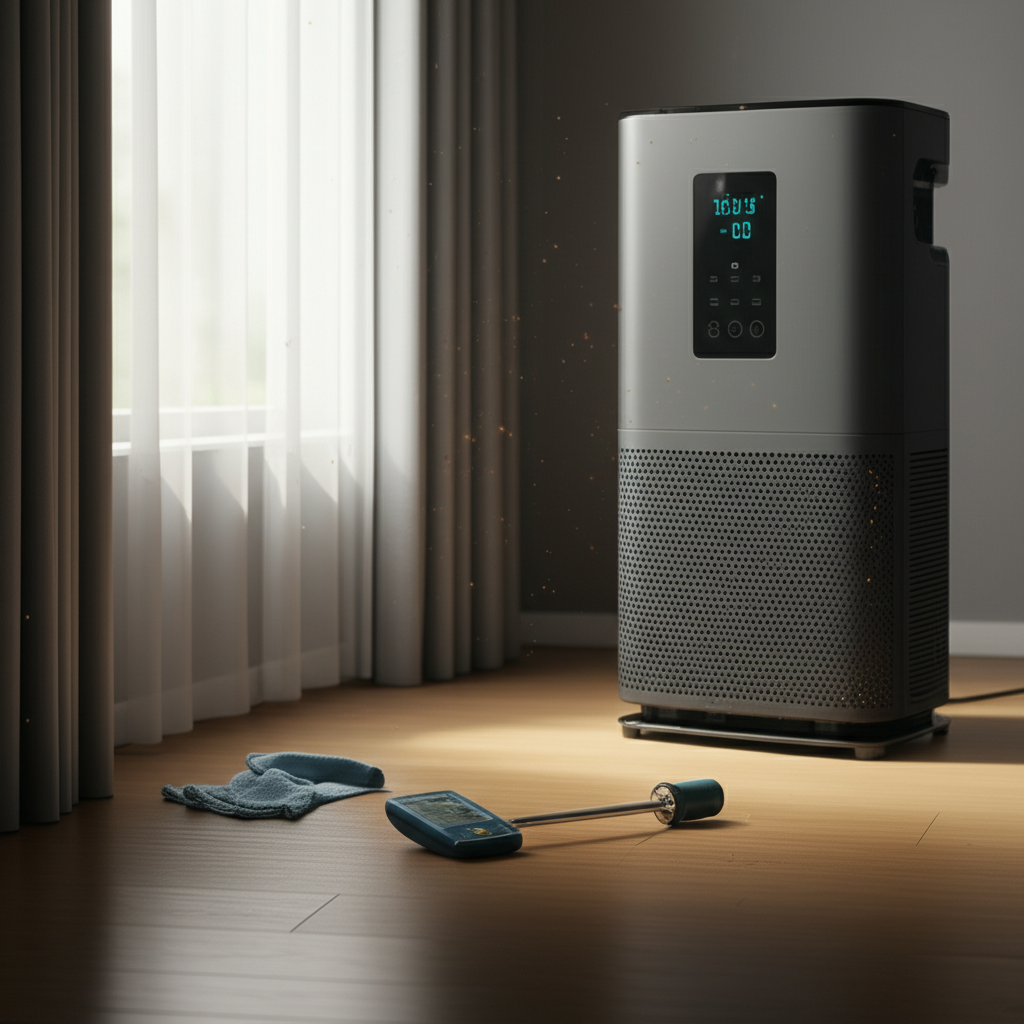
No, an air purifier cannot kill mold. It works by trapping airborne mold spores in its filters, preventing them from circulating and growing further.
How long should I run an air purifier for mold?
For optimal results, run your air purifier continuously, especially in areas with known mold issues or high humidity.
What type of filter is best for mold spores?
A true HEPA filter is essential for capturing mold spores, as it can trap at least 99.97% of particles 0.3 microns in size.
Can an air purifier remove mold smell?
Yes, air purifiers with an activated carbon filter can effectively help neutralize and remove musty mold odors from the air.
Do air purifiers help with black mold?
Air purifiers can help reduce airborne spores from any type of mold, including black mold, thus improving air quality and reducing exposure. However, they do not remove the mold itself from surfaces.
Is it worth getting an air purifier if I have mold?
Yes, an air purifier is highly recommended as part of a strategy to manage mold. It helps capture spores, improve air quality, and alleviate symptoms, but it must be combined with addressing the moisture source and cleaning visible mold.
Where should I place an air purifier for mold?
Place the air purifier in the room where mold is a concern or where you spend the most time. Ensure there is clear space around the unit for optimal air intake and circulation.
Conclusion: Air Purifiers as a Key Component in Mold Management
In conclusion, can an air purifier help with mold? Absolutely, and it’s a proven essential for improving indoor air quality when mold is a concern. By effectively capturing airborne mold spores with a true HEPA filter, an air purifier can significantly reduce allergens and irritants, offering much-needed relief for those suffering from mold-related sensitivities.
However, it’s crucial to remember that an air purifier is a powerful tool in a larger strategy, not a standalone solution. Addressing the root cause of mold growth—moisture—and performing thorough cleaning of existing mold are equally vital steps. When used in conjunction with these practices, an air purifier becomes an indispensable part of creating a healthier, cleaner home environment.
