Brush for Cleaning Siding: Essential Guide

A brush for cleaning siding is crucial for removing dirt, mold, and grime, protecting your home’s exterior, and boosting curb appeal, making the right choice vital for effective home maintenance.
Keeping your home’s exterior looking its best is a big part of homeownership. Siding takes a beating from weather, dust, and nature. Over time, this can make it look dull, dirty, and even cause damage. But a good brush can make all the difference. It helps you tackle tough stains and keep your siding looking new. This guide will help you find the perfect brush for your siding cleaning needs.
Why Cleaning Your Siding Matters
Clean siding protects your home’s value and curb appeal. Dirt, mold, and mildew can weaken siding materials. They also make your house look uninviting. Regular cleaning prevents permanent stains and damage. It also helps you spot potential problems early. A clean exterior makes a great first impression.
Understanding Different Siding Materials
Your siding’s material affects how you should clean it. Different materials need different brushes and cleaning solutions. Knowing your siding type helps you avoid damage. It also ensures you clean effectively.
Vinyl Siding
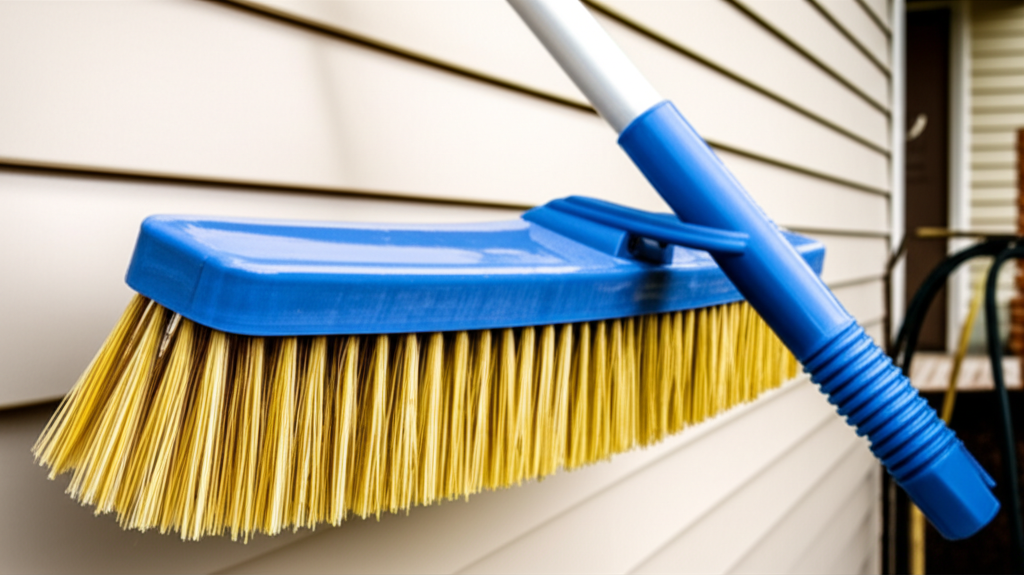
Vinyl siding is very common. It’s durable and easy to maintain. You can usually use a soft to medium bristle brush on vinyl. Harsh scrubbing can scratch or damage the surface. Always use a mild detergent and plenty of water.
Wood Siding
Wood siding is beautiful but requires more care. It can be damaged by strong chemicals or stiff brushes. A softer brush is best for wood. You might need a wood cleaner designed for exterior use. Rinse thoroughly to prevent water damage.
Fiber Cement Siding
Fiber cement siding is strong and resists rot. It can handle a bit more scrubbing than wood. A medium-bristle brush is usually safe. Avoid abrasive cleaners that can dull the finish. Always check the manufacturer’s recommendations.
Aluminum and Metal Siding
Metal siding can be dented or scratched. Use a soft brush to avoid marks. Mild soap and water are usually sufficient. Avoid abrasive cleaners that can damage the paint. Rinse well to prevent water spots.
Types of Brushes for Cleaning Siding
There are many brushes designed for exterior cleaning. The right brush makes the job easier and safer for your siding. Look for brushes with specific features for siding care.
Soft Bristle Brushes
These brushes are gentle on surfaces. They are ideal for delicate siding materials like wood or painted surfaces. Soft bristles clean effectively without scratching. They are also good for removing light dirt and mildew.
Medium Bristle Brushes
Medium bristles offer a bit more scrubbing power. They are suitable for most vinyl and fiber cement siding. These brushes can tackle moderate dirt and grime. They provide a good balance between cleaning power and safety.
Stiff Bristle Brushes
Stiff brushes are best for very tough jobs. They are usually recommended for concrete or brick surfaces. For most siding, a stiff brush is too abrasive. It can cause scratches or remove paint. Use them with extreme caution, if at all.
Extension Pole Brushes
Cleaning high areas of your home can be tricky. An extension pole brush allows you to reach these spots safely. They often have adjustable angles for better control. This is essential for cleaning second-story siding.
Gutter Brushes
While not directly for siding, clean gutters help keep siding clean. Gutter brushes are designed to remove debris. Keeping gutters clear prevents overflow onto your siding. This reduces staining and mold growth.
Choosing the Right Brush for Your Siding
The best brush depends on your siding type and the dirt level. Consider the brush head size and handle comfort too. A good brush will make the task less of a chore.
Bristle Material Matters
Nylon bristles are common and durable. They offer good cleaning power without being too harsh. Natural bristles can be softer but may degrade over time. Always check reviews for bristle quality.
Size and Shape of the Brush Head
A wider brush head covers more area quickly. A rectangular or oval shape is typical for siding. Some brushes have angled bristles to reach corners better. Consider the size of your home and siding panels.
Handle and Extension Options
A comfortable handle reduces fatigue. An adjustable extension pole is invaluable for taller homes. Look for lightweight materials like aluminum. Ensure the pole attachment is secure.
Essential Cleaning Solutions to Pair with Your Brush
Your brush is only part of the equation. The right cleaning solution will boost its effectiveness. Always test cleaners in an inconspicuous area first.
Mild Detergent and Water
For light dirt, a simple mix of dish soap and water works wonders. This is safe for almost all siding types. It effectively lifts dust and grime. Always rinse thoroughly.
White Vinegar Solution
Vinegar is a natural disinfectant and cleaner. A 1:1 mix of white vinegar and water can tackle mildew. It’s eco-friendly and effective. Rinse well after cleaning with vinegar.
Commercial Siding Cleaners
Many effective siding cleaners are available. Choose one formulated for your specific siding material. Some are designed for pressure washers, others for manual scrubbing. Always follow product instructions carefully.
Oxygen Bleach Cleaners
Oxygen bleach is a gentler alternative to chlorine bleach. It’s effective against mold and mildew. Mix it with water according to product directions. Rinse thoroughly to remove all residue.
How to Safely and Effectively Clean Your Siding
Cleaning siding requires a systematic approach. Safety should always be your top priority. Work from top to bottom to avoid re-soiling cleaned areas.
Prepare the Area
Clear any plants, furniture, or decorations from the wall. Cover electrical outlets or fixtures to protect them. Lay down tarps to protect landscaping from cleaning solutions. This simple step prevents damage.
Apply Your Cleaning Solution
Gently spray or apply your chosen cleaner onto a small section of siding. Do not let the cleaner dry on the surface. Work in manageable sections. This prevents streaking.
Scrub with Your Brush
Use your chosen brush to gently scrub the siding. Work in a back-and-forth motion. Apply even pressure. For stubborn stains, you might need to scrub a bit harder. Avoid excessive force on delicate materials.
Rinse Thoroughly
This is a crucial step. Rinse the siding completely with clean water. Use a garden hose with good pressure. Ensure all cleaning solution residue is gone. Residue can attract dirt or damage the siding.
Inspect and Repeat if Necessary
Check the cleaned sections for any remaining dirt or stains. If needed, reapply the cleaner and scrub again. Sometimes a second pass is necessary for tough spots.
When to Consider Professional Cleaning
While DIY cleaning is achievable, professionals offer advantages. They have specialized equipment and expertise. If your siding is very dirty or delicate, consider hiring experts. They can handle high-reach areas safely. Professionals can also identify underlying damage.
Tools and Gadgets to Complement Your Siding Brush
Beyond the brush, other tools can enhance your siding cleaning. These make the job faster and more efficient. Many of these are available on sites like HomeHygia.
Pressure Washers
A pressure washer can speed up cleaning significantly. However, use them with caution. High pressure can damage siding if not used correctly. Always use a wide fan tip and keep a safe distance. Some siding types are not compatible with pressure washers.
Garden Hoses and Nozzles
A good garden hose with an adjustable nozzle is essential for rinsing. Different spray patterns can help wash away dirt effectively. This is a safer alternative to pressure washers for many.
Extension Poles
As mentioned, extension poles are vital for reaching high places. They attach to brushes and other cleaning tools. This allows you to clean safely from the ground.
Ladders and Safety Gear
If you’re not using an extension pole, you might need a ladder. Always use ladders safely on stable ground. Wear non-slip shoes. Safety glasses and gloves protect you from debris and chemicals.
Siding Brush Maintenance for Longevity
Proper care ensures your brush lasts longer. It also keeps it effective for future cleanings. Follow these simple maintenance tips.
Rinse After Each Use
Always rinse your brush thoroughly after cleaning. Remove all soap residue and dirt. This prevents buildup that can harden the bristles.
Dry Properly
Hang the brush to dry with the bristles facing down. This allows water to drain away. Avoid leaving it sitting in standing water. Proper drying prevents mold and mildew on the brush itself.
Store in a Dry Place
Store your brush in a cool, dry area. Protect it from extreme temperatures and direct sunlight. This preserves the bristles and handle material.
Siding Brush Comparison Table
Here’s a quick look at brush types and their best uses. This helps you decide which is right for you.
| Brush Type | Best For | Caution |
| :—————— | :—————————————- | :———————————————- |
| Soft Bristle | Vinyl, Wood, Painted Siding, Light Dirt | May not remove tough stains effectively |
| Medium Bristle | Vinyl, Fiber Cement, Moderate Dirt | Can be too abrasive for very delicate surfaces |
| Stiff Bristle | Concrete, Brick (rarely siding) | Highly abrasive, can damage most siding types |
| Extension Pole Brush | High Siding Areas, Safety | Bristle type still matters for siding material |
Frequently Asked Questions About Siding Brushes
What is the best type of brush for cleaning vinyl siding?
For vinyl siding, a soft to medium bristle brush is best. It cleans effectively without scratching or damaging the vinyl. Always use a mild soap and water solution.
Can I use a pressure washer to clean my siding?
Yes, but with extreme caution. Use a wide fan tip and a low-pressure setting. Keep the nozzle at least two feet from the siding. Never aim directly at seams or joints. Some manufacturers advise against pressure washing.
How often should I clean my siding?
It’s generally recommended to clean your siding once a year. However, if you live in an area with a lot of pollution, pollen, or mildew, you may need to clean it more often. Inspect your siding regularly for dirt buildup.
What is the safest way to clean the second story of my house?
The safest way is to use an extension pole brush. This allows you to clean from the ground. If using a ladder, ensure it’s stable and properly secured. Always have someone spot you when using a ladder.
Are there natural cleaning solutions I can use on my siding?
Yes, a mixture of white vinegar and water is a good natural option for tackling mildew. Mild dish soap and water is also safe and effective for general cleaning. Always rinse thoroughly.
Conclusion
Choosing the right brush for cleaning siding is key to a clean, protected, and beautiful home exterior. By understanding your siding material and the different brush options available, you can make an informed decision. A good brush, paired with the right cleaning solution and a safe technique, will make your siding look great for years to come. Explore the range of cleaning tools and appliances at HomeHygia to find the perfect companions for your home maintenance tasks.
—
This article was generated with the help of AI and expert knowledge on home hygiene and cleaning appliances.