
Blower With Vacuum Cleaner: Essential Tool For Study Spaces

A blower with a vacuum cleaner is a versatile tool that can keep study spaces clean and dust-free, making it easier to focus and learn by tackling both loose debris and stuck-on grime.
The hum of concentration in a study space is often accompanied by a quiet buildup of dust. Papers accumulate stray crumbs, keyboards gather lint, and bookshelves can become tiny dust havens. These small messes can be distracting, turning your productive zone into a less-than-ideal environment. But what if one tool could handle both the light, scattered debris and the more stubborn dust bunnies? Enter the blower with vacuum cleaner. This dual-action appliance is more than just a gadget; it’s an essential partner for maintaining a pristine study space, helping you focus on what truly matters: your work or studies. Let’s explore why this handy tool deserves a spot in your cleaning arsenal.
Why Your Study Space Needs a Blower-Vacuum Combo
Your study space is a sanctuary for focus and creativity. Keeping it clean isn’t just about aesthetics; it directly impacts your productivity and well-being. Dust and debris can trigger allergies, cause discomfort, and simply create a sense of disarray. A traditional vacuum cleaner is great for floors, but it struggles with tight corners, electronics, and surfaces where dust settles. This is where a blower with vacuum cleaner shines, offering a two-pronged attack against mess.
The Problem with Traditional Cleaning in Study Areas
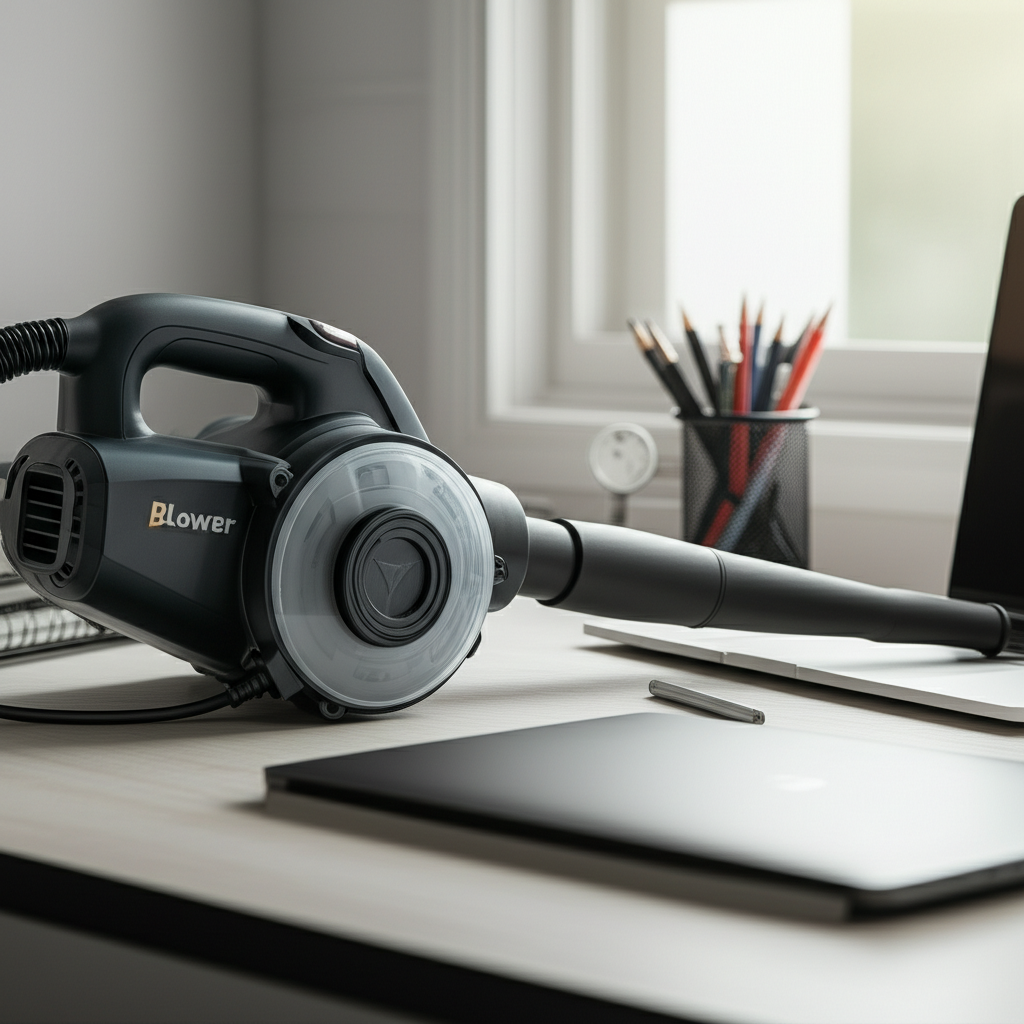
Many study spaces are filled with delicate items like books, electronics, and stationery. Using a bulky vacuum cleaner can be cumbersome and risks knocking things over. Blowing dust into a corner only moves the problem; it doesn’t solve it. You need a tool that can both dislodge stubborn particles and then efficiently collect them. This is a common challenge for anyone trying to maintain a clean and organized workspace.
Introducing the Blower-Vacuum Cleaner: A Hybrid Solution
Imagine being able to blow dust out from between keyboard keys and then immediately vacuum it up. A blower-vacuum cleaner does just that. It combines the directed force of a blower with the suction power of a vacuum. This makes it perfect for detailed cleaning tasks that standard vacuums can’t handle. It’s a compact, efficient way to tackle messes specific to study environments.
The Benefits for Focus and Well-being
A clean study space is a clear mind. Studies suggest that clutter can increase stress and reduce focus. By efficiently removing dust, crumbs, and other small debris, a blower-vacuum cleaner helps create a more serene and organized environment. This can lead to improved concentration, reduced distractions, and a generally more pleasant experience while working or studying.
Understanding How a Blower With Vacuum Cleaner Works
At its core, a blower with vacuum cleaner is a cleverly designed appliance that utilizes a powerful motor to create airflow. This airflow can be directed in two ways: to push air outwards (blowing) or to pull air inwards (vacuuming). The transition between these modes is usually simple, often involving a switch or repositioning a hose.
The Mechanics of Airflow: Blowing Mode
In blower mode, the motor spins a fan at high speed. This fan pushes air out through a nozzle or concentrated port. The strong, directed stream of air can effectively dislodge dust, debris, and even small particles from surfaces. This is ideal for areas that are hard to reach with a brush or cloth.
The Mechanics of Airflow: Vacuuming Mode
When switched to vacuum mode, the motor’s fan draws air into the appliance. This creates suction, which pulls dust, crumbs, and other small particles into a collection bin or bag. The power of the suction determines how effectively it can pick up different types of debris.
Dual Functionality: The Power of Two in One
The real magic lies in the ability to switch between these modes. You can use the blower to loosen stubborn dirt from crevices, like between keyboard keys or in the vents of a computer. Then, with a quick change, you can use the vacuum function to suck up that loosened debris. This prevents dust from just being pushed around; it’s effectively removed.
Key Features to Look for in a Study Space Blower-Vacuum
Not all blower-vacuum cleaners are created equal. When choosing one for your study space, consider features that cater to detailed cleaning, portability, and ease of use. The best models offer a good balance of power, versatility, and user-friendly design.
Power and Suction Strength
For effective cleaning, you’ll want a model with adequate suction power. This is often measured in Pascals (Pa) or cubic feet per minute (CFM). Higher numbers generally indicate stronger suction. A decent suction strength ensures it can pick up not just dust but also small crumbs and pet hair that might find their way into your study.
Attachments and Nozzles
The right attachments can make a huge difference. Look for a blower-vacuum cleaner that comes with various nozzles. Crevice tools are essential for tight spots, brush attachments can help agitate dirt, and soft dusting brushes are great for delicate electronics. These accessories enhance the tool’s versatility.
Filtration System
A good filtration system is crucial, especially in a study space where air quality matters. HEPA filters are highly recommended as they can trap very fine particles, including allergens and dust mites. This ensures that what you vacuum up stays in the bin and doesn’t get recirculated back into the air.
Portability and Design
Study spaces can vary in size, and you might need to move your cleaning tool around. Look for a lightweight and compact model. Cordless options offer maximum freedom, while corded models often provide consistent power. Ergonomic designs make them comfortable to hold and maneuver.
Noise Level
While not always a primary concern, a quieter model can be a significant advantage in a study space. Excessive noise can be disruptive to your concentration. Check product specifications or reviews for noise level ratings (often in decibels, dB).
Best Use Cases for a Blower-Vacuum in Study Areas
The versatility of a blower-vacuum cleaner makes it indispensable for a variety of cleaning tasks specific to study spaces. It goes beyond basic floor cleaning to address the unique challenges of a desk-focused environment.
Cleaning Keyboards and Electronics
Keyboards are notorious dust magnets. Crumbs from snacks and lint from clothes easily get lodged between keys. A blower can blast this debris out, and the vacuum can then suck it away. Similarly, computer vents and the surfaces of monitors and speakers can accumulate dust, which a blower-vacuum can tackle effectively without harsh scrubbing.
Dusting Shelves and Desktops
Bookshelves and desks are prime spots for dust to settle. A blower function can quickly dislodge dust from books, decorative items, and hard-to-reach corners. The vacuum function then collects this airborne dust before it resettles. This is much more efficient than just wiping, which can sometimes spread dust around.
Clearing Cobwebs and Corners
Study spaces, especially those with less frequent deep cleaning, can develop cobwebs in corners or along ceilings. A blower-vacuum with an extension wand can reach these areas, blowing down cobwebs for easy vacuuming. This keeps the entire study environment clean and inviting.
Tackling Pet Hair in Study Nooks
If you have pets that share your study space, pet hair can be a persistent problem. A blower-vacuum, especially one with good suction and a brush attachment, can effectively lift and collect pet hair from carpets, upholstery, and even hard floors. This helps maintain a cleaner and more allergen-free study environment.
Maintaining Air Purifiers and Humidifiers
These appliances also require cleaning. Dust buildup on filters or internal components can reduce their efficiency. A blower-vacuum can gently clean these parts, ensuring your air purifiers and humidifiers work at their best. This contributes to a healthier study environment.
Top Picks: Blower With Vacuum Cleaner Models for Study Spaces
Choosing the right model depends on your specific needs and budget. Here are a few types of blower-vacuum cleaners that excel in study environments.
Compact Handheld Cordless Blowers/Vacuums
These are often the most convenient for detailed tasks. They are lightweight, easy to maneuver, and don’t require a power outlet.
Example: A small, rechargeable unit perfect for desk-side quick cleanups.
Pros: Highly portable, ideal for electronics, quick to use.
Cons: Battery life can be a limitation, suction may be less powerful than larger units.
Multi-Purpose Wet/Dry Vacuums with Blower Functionality
Larger than handhelds, these units are more powerful and versatile. They can handle both dry debris and small liquid spills.
Example: A small shop vac with a blower port.
Pros: Strong suction, can handle larger messes, durable.
Cons: Less portable, might be overkill for just desk cleaning.
Specialized Computer Vacuums with Blower Attachment
Some vacuums are specifically designed for cleaning computers and electronics. They often come with specialized, soft brushes and precise nozzles.
Example: A vacuum designed for cleaning PC components.
Pros: Gentle on electronics, precise cleaning.
Cons: Limited use for general cleaning tasks.
How to Use Your Blower With Vacuum Cleaner Effectively
Using your blower with vacuum cleaner correctly maximizes its effectiveness and ensures you don’t create more mess than you clean. Always start with the blower function for loosening debris and finish with the vacuum for collection.
Step-by-Step Cleaning Process
1. Preparation: Clear your desk of any loose papers or items that could be blown away or sucked up accidentally. Ensure the appliance is charged or plugged in.
2. Blowing Mode: Attach the appropriate nozzle for the area you’re cleaning (e.g., a crevice tool for keyboards). Use short bursts of air to dislodge dust and debris from tight spots.
3. Switch to Vacuum Mode: Quickly switch the appliance to vacuum mode.
4. Vacuuming: Use the vacuum function with the desired attachment to collect the loosened dust and debris. Work systematically, moving from top to bottom.
5. Emptying and Cleaning: Once finished, empty the dustbin. Clean or replace filters as per the manufacturer’s instructions.
Safety Precautions for Electronics
When cleaning electronics like computers and keyboards, always ensure the device is turned off and unplugged. Use low-power settings if available. Avoid blowing directly into sensitive components for extended periods. Gentle dusting brushes are your best friends here.
Maintenance for Longevity
Regular maintenance keeps your blower-vacuum cleaner in top shape. This includes emptying the dustbin after each use, cleaning filters regularly, and checking for any blockages in the hoses or nozzles. Store it in a dry place.
Comparing Blower-Vacuums to Other Cleaning Tools
While a blower-vacuum cleaner is excellent for study spaces, it’s helpful to understand how it compares to other cleaning tools. Each has its strengths and weaknesses.
Blower-Vacuum vs. Traditional Vacuum Cleaner
Blower-Vacuum: Excels at detailed cleaning, tight spaces, and electronics. It’s portable and versatile for specific tasks.
Traditional Vacuum: Better for large floor areas, carpets, and upholstery. Often has stronger suction for heavier debris.
Blower-Vacuum vs. Compressed Air Cans
Blower-Vacuum: Reusable, more powerful for dislodging and then collecting debris. Environmentally friendly.
Compressed Air Cans: Good for quick, targeted blasts of air, especially for electronics. Disposable and can get cold with prolonged use.
Blower-Vacuum vs. Dusting Cloths and Brushes
Blower-Vacuum: Actively removes dust, preventing it from becoming airborne or resettling. More efficient for deep cleaning.
Dusting Cloths/Brushes: Useful for wiping surfaces and light dusting. Can sometimes spread dust if not used carefully.
| Feature | Blower-Vacuum Cleaner | Traditional Vacuum Cleaner | Compressed Air Can |
| :—————– | :—————————————– | :————————————– | :————————————- |
| Primary Use | Detailed cleaning, crevices, electronics | Floors, carpets, large areas | Targeted blasts of air |
| Debris Removal | Blows and vacuums for complete removal | Vacuums only | Blows only, debris can resettle |
| Portability | High (especially handheld models) | Moderate to Low | High |
| Reusability | Yes | Yes | No |
| Cost | Varies, moderate to high | Varies, moderate to high | Low per can, but ongoing cost |
| Environmental | Low impact (reusable) | Low impact (reusable) | High (disposable, propellant gases) |
Potential Drawbacks and How to Mitigate Them
While incredibly useful, blower-vacuum cleaners aren’t without potential downsides. Understanding these can help you make an informed choice and use the tool wisely.
Noise Levels
Some blower-vacuum models can be quite noisy, which can be distracting in a quiet study space. If noise is a concern, look for models specifically advertised as quiet or check decibel ratings in reviews. Using them during times when noise is less disruptive can also help.
Battery Life (for Cordless Models)
Cordless models offer freedom but are limited by battery life. If you have extensive cleaning tasks, a cordless unit might run out of power. Opt for models with longer battery life or consider a corded option if consistent power is more important.
Suction Power Limitations
Smaller, handheld units might not have the suction power to pick up heavier debris effectively. For general study area cleaning, they are usually sufficient, but for larger messes, a more powerful unit might be needed. Always check the specifications for suction power.
Dust Bag vs. Bin
Some models use disposable dust bags, while others have reusable bins. Dust bags can be convenient for quick disposal but add an ongoing cost and waste. Reusable bins are more economical and eco-friendly but require regular emptying and cleaning.
AI Insights: The Future of Study Space Cleaning
Artificial intelligence is starting to influence home appliances, and the blower-vacuum cleaner is no exception. Future models might offer smarter features to enhance the cleaning experience in study spaces.
Smart Sensors for Dirt Detection
Imagine a blower-vacuum that uses sensors to detect dust buildup in specific areas, like around your computer or on your desk. It could then automatically adjust its suction power or alert you when cleaning is needed. This proactive approach ensures your study space stays consistently clean with minimal effort.
AI-Powered Navigation (for larger units)
While less relevant for a desk-focused tool, larger blower-vacuum units could potentially incorporate AI for smarter navigation if used for general room cleaning. They could learn the layout of your study and optimize cleaning paths.
Enhanced Filtration and Air Quality Monitoring
Future models might integrate advanced HEPA filtration with real-time air quality monitoring. The appliance could inform you about dust levels and automatically activate cleaning cycles to maintain optimal air quality for your study environment.
Frequently Asked Questions (FAQ)
What is the main purpose of a blower with vacuum cleaner?
A blower with vacuum cleaner is designed to tackle detailed cleaning tasks. It can blow dust out of tight spots and then vacuum it up, making it perfect for electronics, keyboards, and cluttered desk areas.
Can I use a blower-vacuum cleaner on my computer keyboard?
Yes, absolutely! It’s one of the best tools for cleaning keyboards. Use the blower function to dislodge debris between keys and then switch to vacuum mode to remove it. Ensure the computer is off and unplugged.
Are blower-vacuums good for allergies?
Many blower-vacuum cleaners come with HEPA filters. These filters trap fine dust particles and allergens, which can significantly improve air quality in your study space and help reduce allergy symptoms.
How powerful is a typical handheld blower-vacuum?
Handheld models vary, but they generally offer sufficient power for most light cleaning tasks in a study area. They are designed for precision rather than heavy-duty cleaning. Always check the product’s specifications for suction power.
Do I need a special vacuum for electronics?
While a dedicated electronics vacuum can be useful, a good blower-vacuum cleaner with appropriate attachments (like soft brushes and crevice tools) can also clean electronics safely and effectively.
How often should I clean my blower-vacuum cleaner?
It’s best to empty the dustbin after each use. Clean the filters regularly, usually once a month or as recommended by the manufacturer, to maintain optimal performance and airflow.
Conclusion: The Smart Choice for a Focused Study Space
Maintaining a clean and organized study space is key to productivity and well-being. A blower with vacuum cleaner emerges as an exceptionally practical tool for this purpose. Its dual functionality allows for efficient removal of dust and debris from intricate areas, from keyboard crevices to bookshelves. By choosing a model with appropriate features like strong suction, useful attachments, and good filtration, you invest in a cleaner, more focused environment. This versatile appliance tackles the unique cleaning challenges of study areas far better than traditional methods alone. Make the smart choice for your concentration and comfort; a blower with vacuum cleaner is an essential tool for any dedicated study space.
—
Internal Links Suggestions:
HomeHygia: Best Air Purifiers for Study Rooms
HomeHygia: Top Desk Organizers for a Clutter-Free Workspace
HomeHygia: Choosing the Right Vacuum Cleaner for Your Home
