
Bissell Steam Cleaner Parts: Essential Maintenance Guide

Keep your Bissell steam cleaner running perfectly with this essential guide to its parts and maintenance. Learn what to look for, when to replace components, and how to ensure your machine delivers a deep, hygienic clean every time.
When your Bissell steam cleaner isn’t performing as it should, it’s often down to a worn-out or dirty part. These machines use steam to break down dirt and sanitize surfaces, and like any tool, they need a little TLC to keep working their best. This guide will walk you through the key Bissell steam cleaner parts, explaining what they do and how to maintain them. We’ll cover everything from filters and brushes to tanks and hoses, so you can keep your home sparkling clean with confidence.
Understanding Your Bissell Steam Cleaner’s Core Components
Your Bissell steam cleaner is a marvel of home hygiene technology. It uses hot water and steam to lift grime and kill germs. Understanding its main parts helps you troubleshoot issues and perform proper upkeep. This knowledge ensures your machine lasts longer and cleans more effectively.
The Heating Element: The Heart of the Steam
The heating element is where the magic happens. It takes ordinary tap water and heats it to create steam. This is the most crucial part for generating the sanitizing power of your Bissell.
A faulty heating element won’t produce enough steam, or any steam at all. This directly impacts the cleaner’s ability to sanitize and remove tough stains. Regular descaling can help protect this vital component from mineral buildup.
Water Tanks: Clean and Dirty
Your steam cleaner has at least two water tanks: one for clean water and one for dirty water (or a collection tank). The clean water tank holds the water you fill it with, which then gets heated. The dirty water tank collects the loosened grime and moisture from your floors.
Keeping both tanks clean is essential for optimal performance. Residue in the clean tank can clog the system, while a full dirty tank can cause leaks or reduce suction. Always empty and rinse the dirty water tank after each use.
Brushes and Nozzles: The Cleaning Workforce
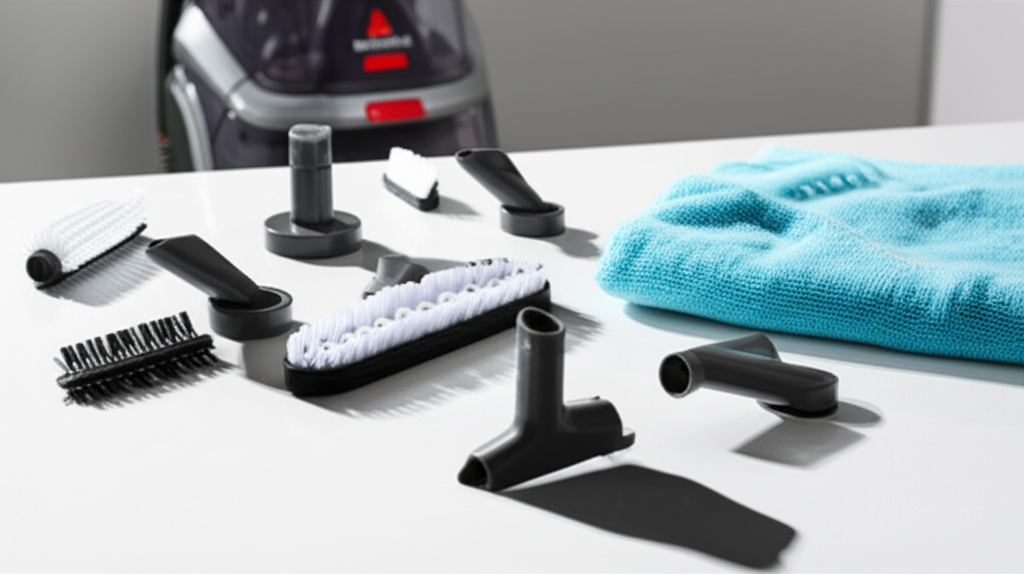
The brushes and nozzles are the parts that directly contact your surfaces. Brushes agitate dirt, while specialized nozzles direct steam and suction to specific areas. Different models have various brush types, like rotating brushes for carpets or stiffer brushes for grout.
Worn-out brushes won’t scrub effectively, and clogged nozzles can hinder steam flow. Inspect these parts regularly for damage or debris. Cleaning them after each use will extend their lifespan and improve cleaning results.
Hoses and Cords: The Lifelines
Hoses carry water and steam from the machine to the cleaning head, while cords provide power. A damaged hose can lead to steam leaks, reducing efficiency and posing a safety risk. A frayed cord is a serious hazard and needs immediate attention.
Always store your steam cleaner carefully to avoid damaging the hoses and cord. Inspect them for cracks or kinks before each use. If you notice any damage, it’s time to look for replacement Bissell steam cleaner parts.
Filters: The Unsung Heroes
Many Bissell steam cleaners have filters to prevent dust and debris from entering the motor or clogging the steam jets. These are often overlooked but are critical for maintaining the machine’s internal health. Different models might have washable or replaceable filters.
A clogged filter restricts airflow and steam output, making your cleaner work harder and less effectively. Check your owner’s manual to see if your model has a filter and how to clean or replace it. This simple step can prevent bigger problems down the line.
Common Bissell Steam Cleaner Parts That Need Attention
Some parts of your Bissell steam cleaner are more prone to wear and tear than others. Knowing these common culprits will help you keep your machine in top shape. Proactive maintenance saves you time and money in the long run.
Brushes and Brush Rolls
The rotating brush roll is key for scrubbing carpets and hard floors. Over time, hair, threads, and debris can get tangled around the bristles. This reduces their effectiveness and can strain the motor.
Why they need attention: Brushes wear down, bristles bend or break, and tangles reduce cleaning power.
What to do: Regularly remove tangled debris. Inspect bristles for wear. Replace the brush roll when it’s visibly damaged or no longer agitates effectively.
Seals and Gaskets
Seals and gaskets are rubber or silicone components that create watertight connections between tanks, hoses, and the machine body. They are essential for preventing leaks.
Why they need attention: Over time, heat and pressure can cause them to degrade, crack, or become brittle. This leads to leaks.
What to do: Inspect seals for any signs of wear or damage. Clean them gently. If a leak appears, check the seals around the affected area.
Hoses and Wands
The hose and wand assembly delivers steam and suction to where you need it. This part is moved around frequently, making it susceptible to damage.
Why they need attention: Kinks, cracks, or blockages can impede steam flow or suction.
What to do: Store the hose loosely, avoiding sharp bends. Check for blockages by running water through it. Replace if cracked or damaged.
Filters
As mentioned, filters protect the internal workings of your steam cleaner. They trap fine particles that could otherwise cause damage or reduce performance.
Why they need attention: Clogged filters restrict airflow and steam, making the machine less efficient.
What to do: Clean or replace filters according to your manual’s instructions. This is often a simple rinse-and-dry process for washable filters.
Maintenance Checklist for Bissell Steam Cleaner Parts
A regular maintenance routine is the best way to ensure your Bissell steam cleaner’s longevity and performance. Here’s a simple checklist to follow. This proactive approach will save you from unexpected breakdowns and costly repairs.
After Every Use
Empty and rinse the dirty water tank. This prevents odors and mold.
Wipe down the exterior of the steam cleaner.
Check brush rolls for tangled debris and remove it.
Weekly (or as needed)
Clean the clean water tank. Remove any sediment.
Inspect nozzles and spray jets for clogs. Use a small brush or pin to clear them.
Wipe down seals and gaskets to ensure a good connection.
Monthly (or as needed)
Clean or replace filters as recommended by your manual.
Descale the machine if you have hard water. This removes mineral buildup, especially from the heating element.
Inspect hoses and cords for any signs of wear or damage.
This checklist will help you stay on top of the essential Bissell steam cleaner parts maintenance. A little effort goes a long way in keeping your appliance working like new.
Replacing Bissell Steam Cleaner Parts: A Step-by-Step Guide
When a part is beyond repair, replacing it is straightforward for most Bissell steam cleaner models. Always refer to your specific model’s manual for detailed instructions. Using genuine Bissell parts ensures compatibility and optimal performance.
Step 1: Identify the Faulty Part
First, pinpoint exactly which part is causing the problem. Is it a leak, a lack of steam, or poor suction? This will guide you to the correct replacement part.
For instance, if you see water leaking from the base, it’s likely a seal or gasket. If there’s no steam, the heating element or a blocked nozzle could be the issue.
Step 2: Find the Correct Replacement Part
Visit the official Bissell website or a trusted parts retailer. Use your steam cleaner’s model number to find compatible Bissell steam cleaner parts. This is crucial for a perfect fit.
Genuine parts are designed specifically for your model. This ensures safety and performance, unlike generic alternatives that might not fit correctly or could cause damage.
Step 3: Gather Your Tools
Most part replacements require only basic household tools like a screwdriver or pliers. Some models might need a specific tool, which Bissell often provides or recommends.
Check your owner’s manual for any special tool requirements. Safety first: always unplug the steam cleaner before starting any repair.
Step 4: Disassemble and Replace
Carefully follow your manual’s instructions to remove the old part. Take pictures as you go if it helps you remember how to reassemble. Then, install the new part, ensuring it’s seated correctly.
For example, replacing a brush roll usually involves removing a base plate. Seals and gaskets might simply pop out and in.
Step 5: Reassemble and Test
Put everything back together in the reverse order of disassembly. Once reassembled, plug in the steam cleaner and test it. Ensure the issue is resolved and there are no new leaks or problems.
Testing confirms the new part is working correctly and has restored your steam cleaner’s performance. If problems persist, re-check your work or consult Bissell support.
Where to Buy Bissell Steam Cleaner Parts
Finding the right Bissell steam cleaner parts is essential for effective repairs and maintenance. Purchasing from reliable sources ensures you get genuine, high-quality components that will keep your machine running smoothly.
Official Bissell Website
The most direct and reliable place to buy Bissell steam cleaner parts is directly from the Bissell website. They offer a comprehensive catalog of parts for all their models.
Buying direct guarantees you receive authentic Bissell parts. This is important for ensuring proper fit, performance, and to maintain any remaining warranty on your appliance.
Authorized Retailers
Many large appliance and home goods retailers are authorized Bissell parts dealers. These can include online giants and brick-and-mortar stores.
Always check if the retailer is an authorized dealer. This helps ensure you are purchasing legitimate Bissell parts and not counterfeits.
Online Parts Marketplaces
Websites specializing in appliance parts are another option. They often carry a wide range of Bissell steam cleaner parts, sometimes at competitive prices.
Be cautious on these platforms. Look for sellers with high ratings and clear return policies. Verify the part numbers match your model precisely.
Troubleshooting Common Issues with Bissell Steam Cleaner Parts
Even with regular maintenance, you might encounter issues with your Bissell steam cleaner. Often, these problems stem from specific parts not functioning correctly. Knowing how to troubleshoot can save you a service call.
No Steam or Weak Steam
This is a common problem. It can be caused by several issues related to Bissell steam cleaner parts.
Clogged Nozzles: Mineral deposits can block the steam jets. Try clearing them with a pin or small brush.
Low Water Level: Ensure the clean water tank is filled.
Faulty Heating Element: If other solutions fail, the heating element might be damaged.
Blocked Filter: A dirty filter restricts water flow to the heating element.
Leaks
Leaks can occur from various points. Identifying the source is key to fixing it.
Dirty Water Tank: If the tank isn’t seated correctly or its seal is damaged, it can leak.
Hose Connections: Check where the hose connects to the machine and the wand. Seals here can fail.
Cracked Hoses or Body: Physical damage to the plastic parts can cause leaks.
Poor Suction
While steam cleaners aren’t primarily suction machines, many have a suction function to help dry floors.
Full Dirty Water Tank: If the tank is full, suction will stop working.
Clogged Filters or Hoses: Debris can block the suction path.
* Damaged Seals: Air leaks around seals can reduce suction power.
When troubleshooting, always unplug your steam cleaner first. For issues involving electrical components or persistent problems, contact Bissell customer support. They can guide you on the next steps, which may involve replacing specific Bissell steam cleaner parts.
Extending the Life of Your Bissell Steam Cleaner
Maximizing the lifespan of your Bissell steam cleaner is all about consistent care and attention to its parts. By following a few simple practices, you can ensure your investment continues to deliver a hygienic clean for years to come.
Use Distilled or Demineralized Water
Hard water contains minerals that can build up inside your steam cleaner. This mineral buildup, known as limescale, can clog the heating element and steam jets. Using distilled or demineralized water significantly reduces this problem.
Many user manuals recommend using distilled water specifically to protect the internal components. This simple change can prevent costly repairs and improve steam output.
Regular Cleaning and Descaling
Don’t wait for a problem to occur before cleaning your steam cleaner. After each use, empty and rinse the tanks and wipe down the exterior. Periodically, you’ll need to descale the machine, especially if you live in an area with hard water.
Descaling involves running a vinegar and water solution through the machine to dissolve mineral deposits. Check your Bissell manual for specific descaling instructions for your model. This process is vital for the longevity of the heating element and other internal Bissell steam cleaner parts.
Proper Storage
How you store your steam cleaner matters. Ensure it’s completely dry before putting it away to prevent mold and mildew growth. Store it in a place where the cord and hose are not stressed or kinked.
Avoid storing it in extreme temperatures, which can degrade plastic and rubber components over time. A dry, temperate location is ideal.
Prompt Repairs
If you notice a part is damaged or not functioning correctly, address it immediately. A small issue, like a leaky seal, can worsen over time and potentially damage other parts of the machine.
Replacing worn-out Bissell steam cleaner parts promptly will keep your appliance working efficiently and safely. It’s often cheaper to replace a single part than to repair extensive damage.
The Importance of Genuine Bissell Steam Cleaner Parts
When it’s time to replace a component of your Bissell steam cleaner, sticking to genuine parts is highly recommended. Using parts specifically made for your model ensures the best performance and safety for your appliance.
Perfect Fit and Compatibility
Genuine Bissell steam cleaner parts are engineered to fit your specific model flawlessly. This ensures all connections are secure, seals are effective, and the part functions as intended by the manufacturer.
Non-genuine parts may not fit precisely, leading to leaks, reduced efficiency, or even damage to other components of your steam cleaner. This can negate any initial cost savings.
Performance and Durability
Bissell designs its parts to meet strict quality standards for performance and durability. Genuine parts are made with materials that can withstand the heat and pressure involved in steam cleaning.
Third-party parts might be made with inferior materials that break down faster, leading to premature failure and the need for repeated replacements.
Safety and Warranty
Using genuine Bissell steam cleaner parts is crucial for safety. They are designed to work within the electrical and mechanical tolerances of your appliance, reducing the risk of malfunction or hazards.
Furthermore, using non-approved parts can sometimes void your appliance’s warranty. Always check your warranty terms if you are considering using aftermarket parts.
When to Consider Upgrading Your Steam Cleaner
Sometimes, even with meticulous maintenance and replacement of Bissell steam cleaner parts, an older appliance might reach the end of its reliable service life. If you find yourself constantly replacing parts or the machine’s performance has significantly declined, it might be time to consider an upgrade.
Frequent Breakdowns and Repairs
If your steam cleaner requires frequent repairs, the cost of replacement parts and labor can add up. This indicates that the appliance is aging and likely to fail again soon.
Consider the cumulative cost of repairs versus the investment in a new, more efficient model. Modern steam cleaners often offer improved features and better energy efficiency.
Declining Performance
A noticeable drop in cleaning effectiveness, weaker steam output, or reduced suction despite regular maintenance suggests internal wear. Parts like the heating element or pump may be failing beyond simple replacement.
Newer models often feature enhanced heating technology and more powerful pumps, delivering superior cleaning results. You might also find they offer better maneuverability or specialized cleaning attachments.
Outdated Technology and Features
Technology advances, and newer steam cleaners come with innovations that can make cleaning easier and more effective. This could include features like faster heat-up times, more precise steam control, or integrated vacuum functions.
If your current machine lacks features you now find essential, an upgrade could significantly improve your cleaning routine. Explore models that offer cordless operation, smart technology, or specialized tools for different surfaces.
Frequently Asked Questions About Bissell Steam Cleaner Parts
Q1: How often should I replace the brush roll in my Bissell steam cleaner?
You should inspect your brush roll regularly for tangled debris and wear. Replace it when the bristles are visibly worn down, bent, or if it no longer effectively agitates surfaces. This is typically every 6-12 months depending on usage and surface types.
Q2: Can I use tap water in my Bissell steam cleaner, or do I need distilled water?
While you can use tap water, Bissell highly recommends using distilled or demineralized water. Tap water contains minerals that can build up inside the machine, especially the heating element, leading to clogs and reduced performance. Using distilled water extends the life of your steam cleaner.
Q3: My Bissell steam cleaner is leaking water. What Bissell steam cleaner parts should I check?
Leaks are often caused by damaged seals or gaskets around the water tanks, hoses, or the machine’s base. Check if the dirty water tank is properly seated and if its seal is intact. Inspect all hose connections and look for any cracks in the plastic housing or hoses.
Q4: How do I clean the filters in my Bissell steam cleaner?
Many Bissell steam cleaners have washable filters. Consult your owner’s manual for specific instructions for your model. Generally, you can remove the filter, rinse it under cool water to remove debris, and let it air dry completely before reinserting it.
Q5: Where can I find the model number for my Bissell steam cleaner to order parts?
The model number is usually located on a sticker or plate on the main body of the steam cleaner. Look on the back, bottom, or side of the unit. It’s often near the serial number and may be labeled as “Model No.” or “Mod. No.”
Q6: Is it safe to use non-Bissell branded replacement parts?
While non-branded parts might seem cheaper, it is generally safer and more effective to use genuine Bissell steam cleaner parts. These are designed specifically for your model, ensuring proper fit, performance, and safety. Non-genuine parts may not fit correctly and could potentially damage your machine or void its warranty.
Conclusion: Keeping Your Bissell Steam Cleaner in Top Shape
Maintaining your Bissell steam cleaner by caring for its individual parts is key to its longevity and effectiveness. From the heating element that creates the steam to the brush rolls that scrub away grime, each component plays a vital role in delivering a truly clean home. Regular cleaning, descaling, and timely replacement of worn-out Bissell steam cleaner parts like filters, seals, and brushes will ensure your appliance continues to perform at its best. By following this guide, you’re not just keeping your machine running; you’re investing in a healthier, more hygienic living space for you and your family.
For more tips on keeping your home clean and your appliances running smoothly, be sure to explore other guides on HomeHygia.com.
