
Bissell Carpet Cleaner Filter: Essential Cleaning Power

The Bissell carpet cleaner filter is a crucial component for maintaining your machine’s effectiveness, ensuring it captures dirt and debris efficiently to keep your carpets truly clean and your home healthy.
Is your Bissell carpet cleaner not performing as well as it used to? Does it seem like it’s not picking up as much dirt, or maybe even leaving a musty smell behind? Often, the culprit isn’t the carpet cleaner itself, but a simple, often overlooked part: the filter. Just like the filter in your vacuum cleaner or air purifier, the Bissell carpet cleaner filter plays a vital role in its operation. This guide will walk you through everything you need to know about these essential components, from what they do to how to keep them in top shape. We’ll help you understand why a clean filter is the key to powerful carpet cleaning.
Why Your Bissell Carpet Cleaner Filter Matters
The filter in your Bissell carpet cleaner is more than just a piece of material; it’s a critical part of the cleaning process. It works to trap dirt, debris, and even microscopic particles that your machine sucks up. Without a properly functioning filter, these particles can be recirculated back into the air or clog up the machine, reducing its cleaning power and potentially causing damage.
A clean and effective Bissell carpet cleaner filter ensures that your machine operates at peak performance. It helps to prevent clogs in the hoses and internal mechanisms. This leads to a more thorough carpet cleaning and a healthier home environment by trapping allergens and dust.
Understanding the Role of a Bissell Carpet Cleaner Filter
Think of your Bissell carpet cleaner filter as a guardian for both your carpets and your home’s air quality. Its primary job is to catch and hold onto the dirt, grime, hair, and other tiny particles that your machine lifts from your carpets. This prevents these unwanted elements from being expelled back into your room.
When the filter gets clogged, your carpet cleaner has to work much harder. This strain can reduce suction power and make the machine less effective at deep cleaning. It can also lead to unpleasant odors being released, diminishing the freshness you expect from a clean carpet.
Types of Bissell Carpet Cleaner Filters
Bissell uses different types of filters depending on the specific model of carpet cleaner. Some models might have a single filter, while others may use a combination of different filter types. Knowing which filter your machine uses is the first step to proper maintenance.
Common filter types include foam filters, which are often washable and reusable. Others might be pleated paper or HEPA-style filters, designed to capture very fine particles. Always check your owner’s manual to identify the exact filter(s) in your Bissell carpet cleaner.
Foam Filters: Washable and Reusable
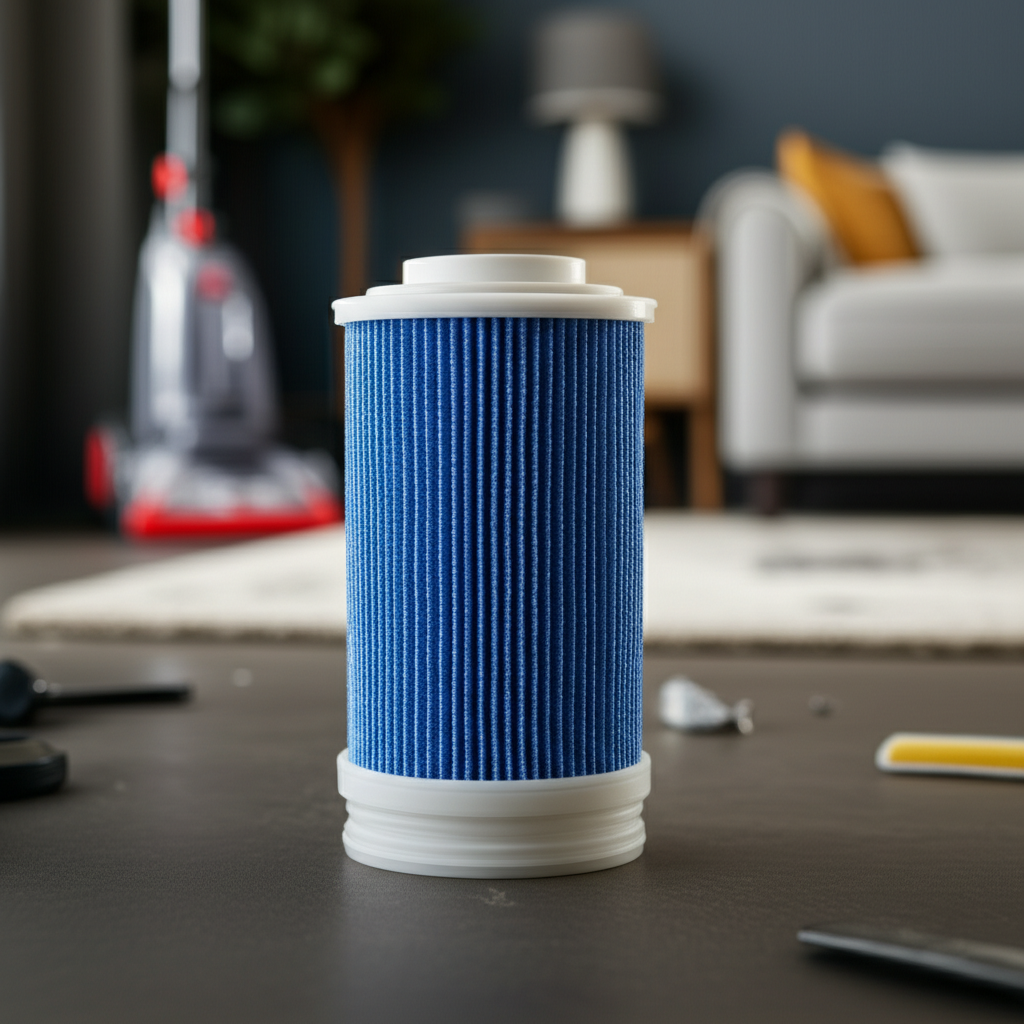
Foam filters are a popular choice for many Bissell models because they are easy to clean and can be reused multiple times. They act as a primary filter, catching larger debris. Regular washing of these filters can significantly extend their lifespan and maintain suction power.
To clean a foam filter, you typically rinse it under cold water until the water runs clear. Ensure it is completely dry before putting it back into the machine. This simple maintenance step can make a big difference in your carpet cleaner’s performance.
Pleated and HEPA Filters: For Finer Particles
More advanced Bissell carpet cleaner models might feature pleated or HEPA-style filters. These are designed to capture smaller particles, such as dust mites, pollen, and pet dander. These filters are crucial for improving indoor air quality, especially for allergy sufferers.
These types of filters are often not washable and need to be replaced periodically. Following the manufacturer’s recommendations for replacement is important to ensure optimal filtration and performance. A clogged HEPA filter can severely impact your machine’s ability to clean effectively.
Signs Your Bissell Carpet Cleaner Filter Needs Attention
Your Bissell carpet cleaner might be trying to tell you something is wrong with its filter. Paying attention to these signs can help you catch problems early and prevent further issues. Ignoring these can lead to decreased cleaning performance and potential damage to the machine.
Common indicators include a noticeable drop in suction power. You might also see or smell dirt being released back into the air after cleaning. Unusual noises from the machine can sometimes point to a clogged filter or motor strain.
Reduced Suction Power
The most common sign of a clogged Bissell carpet cleaner filter is a significant decrease in suction power. When the filter is full of dirt, it restricts airflow. This makes it much harder for the machine to pick up dirt and debris from your carpets.
If you notice your carpet cleaner isn’t pulling up as much water or dirt as it used to, even on clean sections of carpet, the filter is a likely suspect. This is a clear signal that it’s time to check and clean or replace it.
Unpleasant Odors
A dirty filter can trap odors from the dirt and grime it collects. As air passes through, these trapped smells can be released back into your home, leaving your carpets smelling musty or unpleasant after cleaning. This defeats the purpose of cleaning.
If your carpets smell worse after cleaning, or if the machine itself emits a strange smell, the filter is often the source. Cleaning or replacing it can quickly resolve this issue and restore a fresh scent to your home.
Visible Dirt or Debris Being Released
In some cases, a severely clogged or damaged filter might allow dirt and debris to escape the machine. You might notice dust or small particles being expelled from the exhaust vents. This is a clear sign that the filter is no longer doing its job effectively.
This is particularly concerning as it means the dirt is being put back into your home’s air. It’s crucial to stop using the machine immediately and check the filter for damage or excessive clogging.
How to Clean Your Bissell Carpet Cleaner Filter
Cleaning your Bissell carpet cleaner filter is a straightforward process that can significantly extend the life of your machine and improve its performance. The exact steps may vary slightly depending on your specific Bissell model, so always consult your user manual. However, the general principles are the same for most washable filters.
Start by safely disconnecting your carpet cleaner from the power source. Then, locate the filter compartment. This is usually a straightforward process of opening a panel or cover.
Step-by-Step Cleaning Guide
1. Locate and Remove the Filter: Open the machine’s access panel to find the filter. Gently remove it, being careful not to spill any trapped debris.
2. Rinse Under Cold Water: Take the filter to a sink and rinse it thoroughly under cold running water. Gently agitate it to dislodge dirt and grime. Continue rinsing until the water runs clear.
3. Allow to Dry Completely: This is a critical step. The filter must be completely dry before being reinserted into the machine. You can let it air dry, which may take several hours. Do not use heat to dry it, as this can damage the filter material.
4. Reinsert the Filter: Once bone dry, carefully place the filter back into its designated spot in the carpet cleaner. Ensure it is seated correctly and the access panel is secured.
A clean filter means better suction and a fresher-smelling home. This simple maintenance task is key to a powerful clean every time.
When to Replace Your Filter
Even washable filters have a lifespan. If your filter is showing signs of wear and tear, such as rips, tears, or a persistent discoloration that won’t wash out, it’s time for a replacement. Some filters, like HEPA filters, are not designed to be washed and must be replaced according to the manufacturer’s schedule.
Replacing your Bissell carpet cleaner filter regularly, as recommended by Bissell, ensures optimal performance. This proactive step prevents clogs and maintains the high level of cleaning power you expect from your machine.
Finding the Right Bissell Carpet Cleaner Filter
Using the correct filter for your specific Bissell carpet cleaner model is essential. Bissell designs its filters to work with particular machines, ensuring optimal fit and filtration. Using an incompatible filter can lead to poor performance, leaks, or even damage to your carpet cleaner.
Always refer to your Bissell carpet cleaner’s user manual to identify the exact filter model number you need. You can then purchase replacements directly from Bissell or from authorized retailers.
Identifying Your Bissell Model
Your Bissell carpet cleaner will have a model number printed on a label, usually on the bottom or back of the machine. This model number is key to finding the correct replacement parts. Knowing this number will save you time and ensure you purchase the right filter.
For example, a Bissell ProHeat 2X Revolution might use a different filter than a Bissell Little Green. Always double-check this information before buying.
Where to Buy Replacement Filters
You can purchase genuine Bissell carpet cleaner filters from several sources. The most reliable place is often the official Bissell website, where you can be sure you’re getting a genuine part. Authorized online retailers and larger department stores that sell Bissell products are also good options.
When purchasing, look for the specific filter part number that matches your model. This ensures compatibility and guarantees the quality of the replacement part for your Bissell carpet cleaner filter.
Tips for Maintaining Your Bissell Carpet Cleaner Filter
Proper maintenance of your Bissell carpet cleaner filter goes beyond just cleaning it. There are several proactive steps you can take to ensure it functions at its best for as long as possible. These tips will help you get the most out of your cleaning sessions.
Regular checks and prompt cleaning are the most important aspects of filter maintenance. This helps prevent minor issues from becoming major problems, keeping your machine in top working order.
Regular Inspections
Make it a habit to inspect your Bissell carpet cleaner filter before and after each use. Look for any visible signs of damage, excessive dirt buildup, or wear. Catching problems early can prevent costly repairs and ensure consistent cleaning performance.
A quick visual check can reveal if the filter is starting to break down or if it’s simply due for a clean. This simple habit is part of an effective home hygiene routine.
Cleaning Schedule
Establish a regular cleaning schedule for your washable filters. For many users, cleaning the filter after every few uses or at least once a month is sufficient. The frequency may need to be adjusted based on how often you use your carpet cleaner and the types of messes you typically tackle.
For non-washable filters, adhere strictly to the replacement schedule recommended by Bissell. This ensures you are always using a filter that effectively captures dirt and allergens.
Proper Storage
If you have spare filters or have removed a filter for cleaning, store them properly. Keep them in a clean, dry place away from direct sunlight or extreme temperatures. This prevents them from becoming damaged or contaminated before they are needed.
Storing filters correctly helps maintain their integrity and ensures they are ready to go when you need them. This is part of a well-organized approach to home cleaning tools.
Comparing Bissell Carpet Cleaner Filters to Other Systems
Understanding how Bissell carpet cleaner filters work can be enhanced by comparing them to filters in other cleaning appliances. Many cleaning gadgets, from vacuums to air purifiers, rely on filtration systems to function effectively. This comparison highlights the universal importance of clean filters.
While the specific design and purpose might differ, the core function of trapping particles to improve cleaning or air quality remains the same. This helps solidify the understanding of why the Bissell carpet cleaner filter is so important.
Filters in Vacuums vs. Carpet Cleaners
Vacuum cleaner filters, especially in high-end models, are often designed to capture very fine dust and allergens. They work in conjunction with powerful suction to keep floors clean. Carpet cleaner filters, while also trapping dirt, are often part of a wet cleaning system.
The Bissell carpet cleaner filter deals with both dry debris and the moisture and cleaning solution used in the process. This means they need to be durable and effective in a wet environment, unlike many dry vacuum filters.
The Role of Filtration in Home Hygiene
Filtration is a cornerstone of modern home hygiene. Beyond just making things look clean, effective filtration systems remove microscopic particles that can affect health. This includes allergens, bacteria, and pollutants.
A good Bissell carpet cleaner filter contributes to overall home hygiene by trapping pet dander, dust mites, and other irritants. This makes your home a healthier place to live, especially for those with allergies or respiratory sensitivities. A study by the EPA highlights the importance of indoor air quality, which is directly impacted by filtration systems.
Common Problems and Troubleshooting with Bissell Filters
Sometimes, even with regular cleaning, you might encounter issues with your Bissell carpet cleaner filter. Understanding common problems can help you troubleshoot effectively and get your machine back to optimal performance quickly. Don’t let a small filter issue disrupt your cleaning routine.
Many problems can be resolved with simple checks and maintenance. It’s often less about a faulty machine and more about a maintenance need.
Filter Not Seating Correctly
If you’ve recently cleaned or replaced the filter, and your machine is making strange noises or not working properly, the filter might not be seated correctly. Ensure it’s firmly in place and that the access panel is securely closed. A loose filter can cause airflow issues and reduce suction.
Take a moment to double-check the filter’s position and the closure of its housing. This simple check can resolve many performance issues after filter maintenance.
Filter Damaged During Cleaning
If you’ve scrubbed a washable filter too vigorously or used harsh cleaning agents, it might have sustained damage. Tears or holes in the filter material will compromise its effectiveness and could allow dirt to pass through. Inspect the filter carefully for any signs of damage.
If damage is found, it’s best to replace the filter immediately. A damaged filter cannot effectively trap particles and can lead to further problems.
Persistent Clogging
If you find your Bissell carpet cleaner filter clogs very quickly, even after cleaning, consider what you’re cleaning. If you’re dealing with very heavy soiling, pet hair, or large debris, you might need to empty the dirt tank more frequently or pre-clean heavily soiled areas. This reduces the load on the filter.
Consider using a brush attachment on your vacuum to pick up loose debris before using the carpet cleaner. This can help prevent premature filter clogging.
Making the Most of Your Bissell Carpet Cleaner Filter
To ensure your Bissell carpet cleaner filter serves you well, integrate these best practices into your cleaning routine. A little attention to this small component can lead to significant improvements in your carpet cleaner’s longevity and effectiveness. Treat your filter as a key player in your cleaning arsenal.
Think of the filter as the lungs of your carpet cleaner. Keeping them clear allows the machine to breathe and work efficiently. This proactive approach saves time and money in the long run.
Pre-Treating Stains
Before using your carpet cleaner on heavily soiled areas, consider pre-treating stains. This can involve using a carpet stain remover. Pre-treating helps break down tough grime, making it easier for the carpet cleaner to pick up.
This reduces the amount of dirt and strain on your carpet cleaner’s filter. It’s a small step that can lead to a more thorough clean and a longer filter life.
Emptying the Dirt Tank
Regularly emptying the dirt and water tank is crucial. A full tank can impede airflow and reduce suction, even if the filter itself is clean. Don’t wait until the tank is overflowing.
Emptying it after each cleaning session ensures your carpet cleaner operates at its best. This simple step is fundamental to maintaining effective cleaning power.
Frequently Asked Questions (FAQ)
How often should I clean my Bissell carpet cleaner filter?
For washable filters, cleaning them every few uses or at least once a month is recommended. For non-washable filters, follow the replacement schedule in your user manual.
Can I use my Bissell carpet cleaner without a filter?
No, you should never use your Bissell carpet cleaner without its filter. The filter is essential for trapping dirt and debris, protecting the machine’s internal components and preventing dirt from being released back into the air.
My Bissell carpet cleaner smells bad, what could be the cause?
A bad smell is often caused by a dirty or clogged filter trapping odors. It could also be from mold or mildew growth in the machine if not dried properly. Cleaning or replacing the filter and ensuring the machine dries thoroughly can resolve this.
Where can I find the model number for my Bissell carpet cleaner?
The model number is usually located on a sticker on the back or bottom of your Bissell carpet cleaner. Check these areas for a label containing the model information.
Are all Bissell carpet cleaner filters the same?
No, Bissell uses different filter types and sizes for various carpet cleaner models. Always check your user manual or the Bissell website for the specific filter compatible with your model.
How do I know if my filter is damaged?
Inspect your filter for any tears, holes, or signs of material breakdown. If the filter feels brittle or has lost its shape, it may be damaged and need replacement.
Conclusion: The Unsung Hero of Clean Carpets
The Bissell carpet cleaner filter might seem like a minor component, but it is undeniably essential for powerful and effective carpet cleaning. A clean, well-maintained filter ensures optimal suction, prevents the recirculation of dirt and odors, and helps maintain the longevity of your machine. By understanding its role, knowing how to clean and replace it, and performing regular checks, you can significantly enhance your carpet cleaning results.
Prioritizing the maintenance of your Bissell carpet cleaner filter is a simple yet highly effective way to keep your carpets looking and smelling fresh. It’s a small effort that yields big rewards in home hygiene and cleaning performance. For more tips on maintaining your cleaning appliances, be sure to explore other guides on HomeHygia.
