Best Wildfire Air Purifier: Proven Protection Essential

The best wildfire air purifier offers essential protection against smoke and particulate matter, ensuring healthier indoor air quality during fire events. This guide breaks down what to look for, top features, and how to choose the right unit for your home, providing proven solutions for cleaner air.
The Best Wildfire Air Purifier: Proven Protection Essential for Your Home
Wildfire smoke can be a serious health concern, filling your home with harmful particles and pollutants. Finding the best wildfire air purifier is crucial for maintaining safe indoor air. This guide will help you navigate the options and make an informed decision to protect your loved ones. We’ll cover everything from essential features to specific recommendations, ensuring you can breathe easier.
Why You Need a Wildfire Air Purifier
Wildfire smoke contains fine particulate matter (PM2.5), toxic gases, and other irritants that can cause respiratory problems, eye irritation, and exacerbate existing health conditions. Even with windows closed, smoke can seep into your home. A good air purifier acts as a vital barrier, capturing these pollutants and improving your indoor air quality significantly. Investing in the best wildfire air purifier is an investment in your family’s health and well-being during these challenging times.
Understanding Wildfire Smoke and Air Purification
Wildfire smoke is a complex mixture, primarily composed of fine particles that are small enough to enter your lungs and bloodstream. It also contains volatile organic compounds (VOCs) and gases like carbon monoxide and nitrogen dioxide. An effective air purifier for wildfire smoke needs a robust filtration system capable of tackling both particles and gases. This dual-action approach is key to truly clearing the air.
Key Features to Look for in a Wildfire Air Purifier
When selecting the best wildfire air purifier, several features are non-negotiable. A high-efficiency particulate air (HEPA) filter is paramount, capturing at least 99.97% of airborne particles down to 0.3 microns. Look for a substantial amount of activated carbon for gas and odor removal, and a high CADR (Clean Air Delivery Rate) suitable for your room size. Durability and ease of maintenance are also important considerations for long-term protection.
HEPA Filters: The Gold Standard for Particle Capture
A true HEPA filter is the cornerstone of any effective air purifier, especially for wildfire smoke. These filters are certified to trap the tiny, harmful particles that make up smoke. Ensure the purifier explicitly states it uses a “True HEPA” filter, not just a “HEPA-type” or “HEPA-like” filter, which may not meet the same rigorous standards. This is the most critical component for capturing PM2.5.
Activated Carbon Filters: Tackling Gases and Odors
While HEPA filters excel at capturing particles, activated carbon filters are essential for adsorbing gases and odors. Wildfire smoke contains VOCs and other unpleasant smells that HEPA filters cannot remove. A thick, high-quality activated carbon filter will significantly improve the air quality by neutralizing these chemical pollutants. The more carbon, the better the adsorption capacity.
CADR and Room Size: Matching the Purifier to Your Space
The Clean Air Delivery Rate (CADR) indicates how quickly an air purifier can clean a room of smoke, dust, and pollen. For wildfire smoke, you’ll want a purifier with a high smoke CADR. Always match the purifier’s recommended room size to your actual living space, opting for a unit that can handle a larger area than your room for maximum effectiveness. A higher CADR means faster purification.
Noise Levels and Energy Efficiency
Air purifiers often run continuously during smoke events, so noise levels are important. Look for models with lower decibel (dB) ratings, especially for bedrooms. Energy efficiency is also a factor, as a constantly running appliance can impact your electricity bill. Many modern air purifiers are designed to be quiet and energy-star certified, balancing performance with comfort and cost.
Top Wildfire Air Purifier Technologies and Types
Several types of air purifiers are available, each with its strengths for combating wildfire smoke. Understanding these technologies will help you choose the best wildfire air purifier for your specific needs and budget. We’ll explore the most effective options, focusing on proven performance.
Portable HEPA Air Purifiers
These are the most common and highly recommended units for wildfire smoke. They combine HEPA and activated carbon filters in a compact, portable design. You can easily move them from room to room as needed, providing targeted protection where you spend most of your time. Their effectiveness against particulate matter and gases makes them ideal.
Whole-House Air Purification Systems
For comprehensive protection, whole-house systems integrate with your HVAC unit to purify all the air in your home. These are a significant investment but offer unparalleled coverage. They are ideal for areas prone to frequent and severe wildfire smoke events. Consulting with an HVAC professional is recommended for installation.
Activated Carbon vs. Other Adsorbents
Activated carbon is the most widely used and effective adsorbent for wildfire smoke gases. Some purifiers may use other materials like zeolite, which can also adsorb certain gases. However, for the broad spectrum of chemicals found in wildfire smoke, a substantial activated carbon filter remains the best choice. The density and quality of the carbon matter greatly.
Choosing the Best Wildfire Air Purifier: A Step-by-Step Guide
Selecting the best wildfire air purifier can feel overwhelming with so many options. Follow these steps to simplify the process and ensure you find a unit that provides reliable protection. I’ll guide you through each crucial decision point.
1. Assess Your Needs: Determine the size of the room or home you need to purify. Consider your budget and any specific health concerns you or your family members have.
2. Prioritize Filtration: Look for units with True HEPA filters and a substantial activated carbon filter. These are essential for capturing smoke particles and gases.
3. Check the CADR: Ensure the Clean Air Delivery Rate for smoke is appropriate for your room size. Aim for a CADR that allows for multiple air changes per hour.
4. Read Reviews: Consult independent reviews and user feedback, paying close attention to performance during wildfire smoke events. Look for consistent positive reports on smoke reduction.
5. Consider Extra Features: Evaluate noise levels, energy efficiency, filter replacement costs, and smart features if they are important to you.
Top-Rated Wildfire Air Purifiers for 2024
Based on expert reviews and user experiences, several models consistently stand out as the best wildfire air purifier choices. These units offer a strong combination of filtration, performance, and value. I’ve researched these to help you make a confident choice.
Coway Airmega 200M: A Reliable Performer
The Coway Airmega 200M is often cited for its excellent performance and robust filtration. It features a True HEPA filter, an activated carbon filter, and a high CADR suitable for medium to large rooms. Its auto mode and air quality sensor make it user-friendly, adjusting fan speed as needed. This model provides a great balance of effectiveness and price.
Blueair Classic 480i: Powerful and Smart
Blueair purifiers are known for their advanced filtration technology and stylish design. The Classic 480i uses a combination of electrostatic and mechanical filtration (HEPASilent™) along with an activated carbon filter. It’s effective for larger spaces and includes smart features for monitoring air quality and controlling the unit remotely. Its performance in capturing fine particles is highly regarded.
Levoit Core 300S: Budget-Friendly and Effective
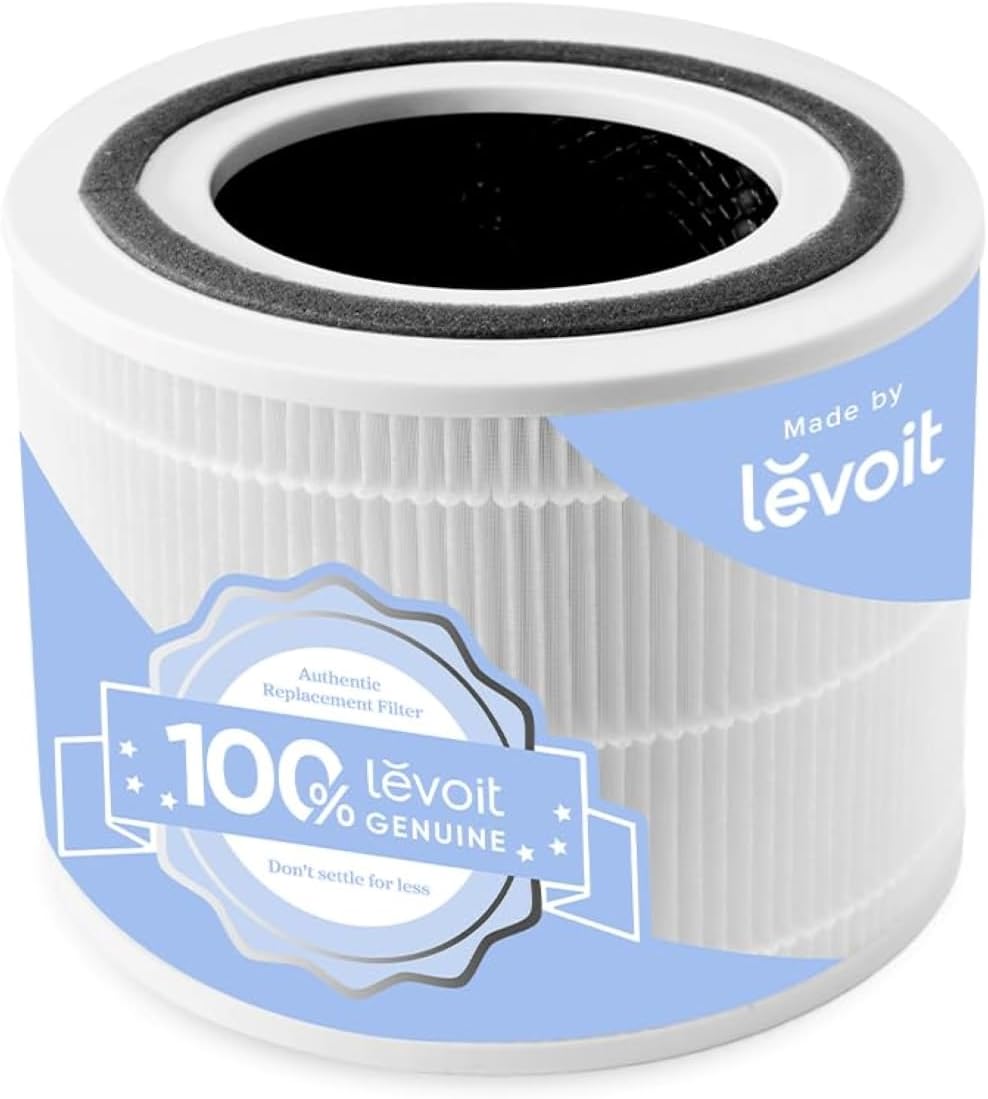
For those on a tighter budget, the Levoit Core 300S offers impressive performance. It includes a three-stage filtration system with a True HEPA filter and an activated carbon filter. While best suited for smaller to medium rooms, its compact size and quiet operation make it a popular choice for bedrooms or offices. It’s an accessible entry point for cleaner air.
Austin Air HealthMate: Heavy-Duty Protection
Austin Air purifiers are built for serious air quality concerns, including heavy smoke. The HealthMate model features a multi-stage filtration system with a large amount of activated carbon and a medical-grade HEPA filter. These units are larger and less portable but provide exceptional air cleaning for entire homes or large spaces. They are a top choice for severe air quality issues.
Features to Compare: A Quick Glance
Here’s a table to help you compare some key aspects of popular wildfire air purifiers. Remember to check the latest specifications as models can be updated.
| Feature | Coway Airmega 200M | Blueair Classic 480i | Levoit Core 300S | Austin Air HealthMate |
| :—————— | :—————– | :——————- | :————— | :——————– |
| Filter Type | True HEPA, Carbon | HEPASilent™, Carbon | True HEPA, Carbon | Medical HEPA, Carbon |
| Room Size (sq ft)| Up to 361 | Up to 300 | Up to 219 | Up to 1500 (whole house) |
| CADR (Smoke) | High | High | Moderate | Very High |
| Noise Level | Low to Medium | Low to Medium | Low | Medium to High |
| Smart Features | Auto Mode | Yes | Yes | No |
| Filter Cost | Moderate | Moderate to High | Low | High |
Maintaining Your Air Purifier for Peak Performance
To ensure your best wildfire air purifier continues to perform optimally, regular maintenance is essential. Dirty filters reduce efficiency and can even recirculate pollutants. Always follow the manufacturer’s guidelines for cleaning and replacing filters. This simple step guarantees your unit provides the best possible protection.
Filter Replacement Schedule
Pre-filters often need cleaning every month, while HEPA and activated carbon filters typically need replacement every 6 to 12 months, depending on usage and air quality. Some purifiers have indicators to remind you when it’s time for a change. Keeping up with replacements is key to sustained performance.
Cleaning the Unit
Beyond filter changes, periodically wipe down the exterior of your air purifier and clean the intake and exhaust vents with a soft brush or vacuum attachment. This prevents dust buildup that could impede airflow and reduce the unit’s effectiveness. A clean unit works more efficiently.
When to Run Your Air Purifier
During wildfire events, it’s best to run your best wildfire air purifier continuously. Even when smoke isn’t immediately visible, particles can linger in the air. Using the auto mode, if available, allows the purifier to adjust its fan speed based on detected air quality, ensuring optimal purification without constant manual adjustment.
Air Purifiers vs. Other Air Quality Solutions
While air purifiers are excellent for indoor air quality, they are part of a broader strategy. Ventilation strategies, using high-quality MERV 13 or higher furnace filters in your HVAC system, and sealing air leaks in your home can all contribute to a healthier indoor environment. Air purifiers provide a direct solution for airborne pollutants.
Sealing Your Home Against Smoke
Closing windows and doors is the first line of defense against wildfire smoke. Use weather stripping and caulk to seal any gaps around windows and doors. Pay attention to areas where pipes or wires enter your home. Reducing air infiltration significantly helps keep smoke out.
HVAC Filtration: A Complementary Strategy
Upgrading your home’s HVAC system filter to a MERV 13 or higher can capture a significant amount of smoke particles before they circulate throughout your house. This works in conjunction with your air purifier, offering layered protection. Ensure your HVAC system can handle the increased airflow resistance of higher MERV filters.
Frequently Asked Questions about Wildfire Air Purifiers
Here are answers to some common questions I receive about choosing and using the best wildfire air purifier.
Q1: How do I know if my air purifier is working effectively against wildfire smoke?
A: Look for a reduction in smoke smell and visible haze indoors. Many purifiers have air quality indicators that will show improvement. Also, ensure the HEPA filter is functioning correctly to capture fine particles.
Q2: How often should I replace the filters in my wildfire air purifier?
A: Typically, HEPA and activated carbon filters need replacement every 6-12 months, but this can be much sooner during heavy smoke events. Check your manufacturer’s recommendations and monitor filter performance.
Q3: Can an air purifier completely eliminate wildfire smoke from my home?
A: While an air purifier significantly reduces smoke particles and gases, it may not completely eliminate them, especially in severe conditions. It’s part of a strategy that includes sealing your home and proper ventilation.
Q4: Are air purifiers safe to run 24/7?
A: Yes, most modern air purifiers are designed for continuous operation and are safe to run 24/7. They are energy-efficient and built to handle long periods of use.
Q5: Do air purifiers with ionizers or UV light offer better protection against wildfire smoke?
A: For wildfire smoke, focus on HEPA and activated carbon filters. Ionizers can produce ozone, which is a lung irritant, and UV light is generally ineffective against smoke particles and gases. True HEPA and robust carbon are the priority.
Q6: What’s the difference between a HEPA filter and a True HEPA filter?
A: A True HEPA filter is certified to capture at least 99.97% of airborne particles 0.3 microns in size. “HEPA-type” or “HEPA-like” filters may not meet these stringent standards and are less effective against the finest smoke particles.
Conclusion: Breathe Easier with the Right Protection
Choosing the best wildfire air purifier is a proactive step towards safeguarding your home and family from the dangers of smoke. By understanding the essential features like True HEPA filtration, substantial activated carbon, and appropriate CADR ratings, you can make an informed decision. Prioritize units with proven performance, maintain them diligently, and use them as part of a comprehensive home air quality strategy. Investing in a reliable air purifier means investing in peace of mind and healthier indoor air, even when the air outside is compromised. Don’t wait for the next smoke event; prepare your home today.