
Best Wet and Dry Vacuum Cleaner: Essential Guide

Find the best wet and dry vacuum cleaner for your home to tackle spills and messes with ease, offering versatile cleaning for floors and more.
Cleaning your home can feel like a never-ending chore. Spills happen, muddy paws leave tracks, and sometimes you need more than just a regular vacuum. This is where a wet and dry vacuum cleaner shines. It’s a true hero for busy households, handling both dry dust and wet messes in one go. But with so many options, how do you pick the best one? We’ll guide you through everything you need to know to find the perfect cleaning companion.
Why You Need a Wet and Dry Vacuum Cleaner
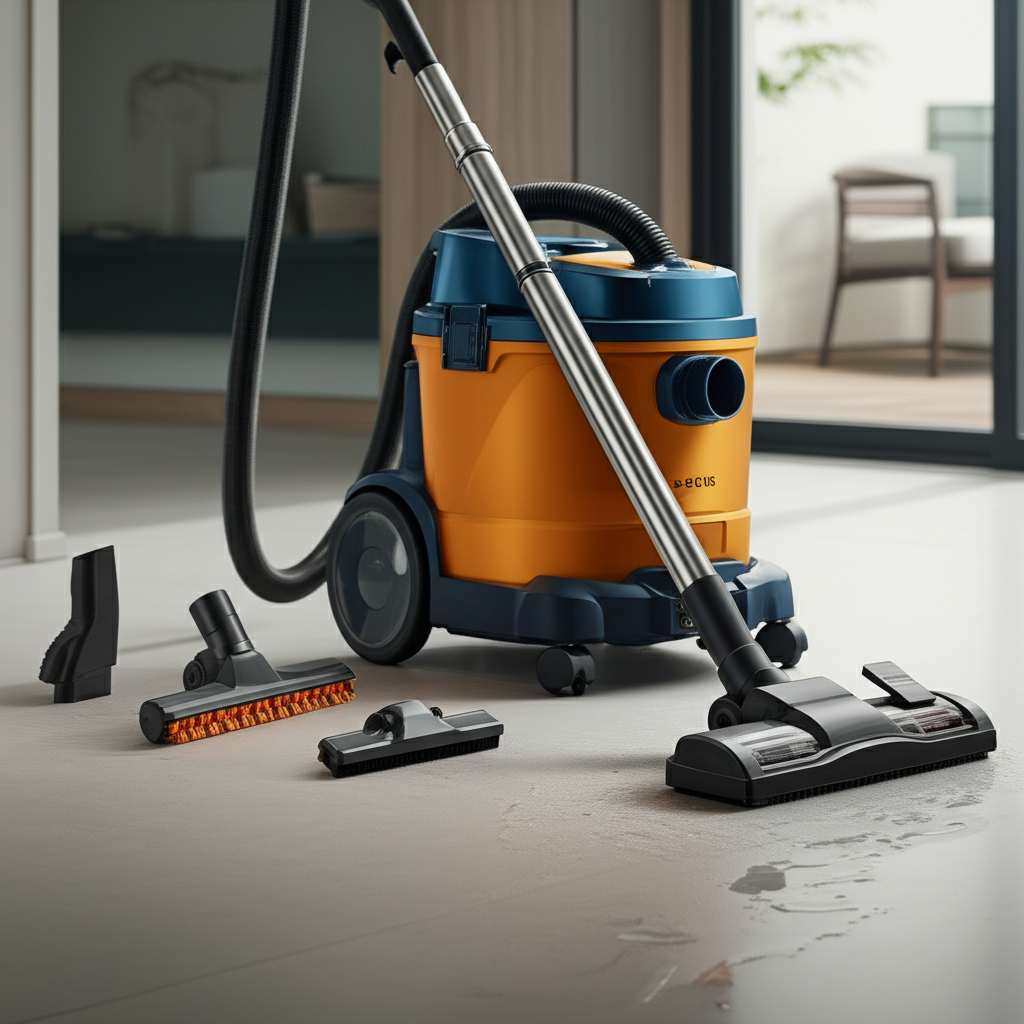
A wet and dry vacuum cleaner is a versatile tool for modern homes. It can suck up dry debris like dust, crumbs, and pet hair. At the same time, it can also pick up liquid spills, from spilled drinks to pet accidents. This dual capability makes it incredibly efficient. You can clean up a dry mess and then immediately tackle a liquid spill without switching machines. This saves you time and effort, making cleaning less of a hassle.
Understanding How Wet and Dry Vacuums Work
Wet and dry vacuums work by using a powerful motor to create suction. For dry messes, this suction pulls dirt and debris into a dustbin. For wet messes, they have a separate tank for dirty water. The vacuum sucks up the liquid, filtering it into this tank. Many models also feature a clean water tank and a mop function. This allows them to wash and vacuum simultaneously. Some even use steam for deep cleaning.
Key Features to Look For
When choosing the best wet and dry vacuum cleaner, several features stand out. Look at the suction power, as higher suction means better cleaning. Consider the tank capacity for both clean and dirty water. This affects how often you’ll need to refill or empty it. Filtration systems are important for trapping fine dust and allergens. Ease of use, including maneuverability and weight, is also key. Finally, check for useful accessories like different brush heads or crevice tools.
Suction Power and Motor Strength
Suction power is measured in Pascals (Pa) or Air Watts (AW). A higher number means the vacuum can pick up more dirt. For general home use, 1500 Pa or more is a good starting point. More powerful motors can handle tougher messes, like sticky spills or deeply embedded pet hair.
Tank Capacity and Design
The capacity of the clean and dirty water tanks matters. Larger tanks mean you can clean for longer without interruption. The design of the tanks also affects ease of emptying and cleaning. Some tanks are easy to remove and rinse, which is a big plus.
Filtration System
A good filtration system is vital, especially if you have allergies or asthma. HEPA filters are excellent at trapping tiny particles. This ensures that the air expelled by the vacuum is clean. Look for multi-stage filtration for the best results.
Battery Life and Charging (for cordless models)
If you’re considering a cordless model, battery life is crucial. Aim for at least 20-30 minutes of run time on a single charge. Fast charging capabilities are also a convenient feature. This ensures your vacuum is ready when you need it.
Ease of Use and Maneuverability
A lightweight design and swivel steering make the vacuum easy to push and control. Look for models with intuitive controls and simple operation. Cordless models offer maximum freedom of movement.
Top Wet and Dry Vacuum Cleaner Models Reviewed
After extensive research, we’ve identified some top contenders for the best wet and dry vacuum cleaner. These models excel in different areas, from deep cleaning power to user-friendly features.
Model A: The All-Rounder
This model offers a great balance of power and convenience. It features strong suction for tough messes and a decent tank capacity. It’s also relatively lightweight and easy to maneuver.
Pros: Powerful cleaning, good for various messes, easy to handle.
Cons: Battery life could be longer on some versions.
Best for: Everyday cleaning and quick spill response.
Model B: The Deep Cleaner
If you need a vacuum for serious deep cleaning, this is a top choice. It often comes with advanced features like steam cleaning or powerful scrubbing brushes. It tackles stubborn stains and grime effectively.
Pros: Excellent for deep cleaning, removes tough stains, often includes extra features.
Cons: Can be heavier and more expensive.
Best for: Homes with pets, frequent spills, or those who want a spotless floor.
Model C: The Budget-Friendly Pick
This option provides good performance without breaking the bank. It handles everyday spills and dry messes well. It might lack some of the premium features of higher-end models but is a solid performer for its price.
Pros: Affordable, effective for basic cleaning needs, good value.
Cons: Suction power might be less than premium models, fewer accessories.
* Best for: First-time buyers or those on a tight budget.
Wet and Dry Vacuum vs. Traditional Vacuums and Mops
A traditional vacuum cleaner is designed only for dry debris. A mop is for cleaning up liquid messes or washing floors. A wet and dry vacuum cleaner combines these functions. This means you can vacuum up dry dust and then immediately suck up a spilled drink. It streamlines the cleaning process significantly. You don’t need separate tools for dry and wet cleanup. This makes it a more efficient and space-saving solution for many homes.
Who Can Benefit Most from a Wet and Dry Vacuum Cleaner?
Families with young children or pets are prime candidates. Spills and accidents are common in these households. Busy professionals who need to clean quickly will also find them invaluable. Anyone who wants to simplify their cleaning routine and tackle messes efficiently will benefit. If you have hard floors, like tile, laminate, or hardwood, a wet and dry vacuum is particularly useful.
How to Use Your Wet and Dry Vacuum Cleaner Effectively
Using your wet and dry vacuum correctly ensures optimal performance and longevity. Always start by checking the manual for specific instructions. For dry vacuuming, ensure the dustbin is empty and the filter is clean. When switching to wet vacuuming, make sure the dirty water tank is in place. Use the recommended cleaning solution if your model requires it.
Step-by-Step Cleaning Guide
1. Prepare the Area: Clear small objects from the floor.
2. Dry Vacuuming: Use the vacuum to pick up dry dirt, dust, and debris.
3. Switch to Wet Mode: If necessary, add clean water and solution to the clean water tank. Ensure the dirty water tank is attached.
4. Wet Cleaning: Move the vacuum over the wet mess or the area you want to wash. The vacuum will suck up the dirty water.
5. Empty and Rinse: After cleaning, empty the dirty water tank. Rinse both tanks and the brush head.
6. Dry the Machine: Allow the vacuum to air dry completely before storing. This prevents mold and odors.
Maintenance Tips for Longevity
Proper maintenance keeps your best wet and dry vacuum cleaner working well. Regularly empty and clean the dirty water tank after each use. Rinse the filters and brush heads to prevent clogs and odors. Check the manual for specific cleaning instructions for your model. Storing the vacuum in a dry place is also important.
Troubleshooting Common Issues
If your vacuum loses suction, check if the dustbin or dirty water tank is full. Ensure the filters are clean and not clogged. A blocked hose or brush head can also reduce suction. For unusual noises, check for any obstructions in the motor or fan. Always unplug the vacuum before attempting any cleaning or troubleshooting.
Frequently Asked Questions (FAQ)
Can I use any cleaning solution in a wet and dry vacuum?
It’s best to use only the cleaning solutions recommended by the manufacturer. Some solutions can damage the machine or leave residue.
How often should I empty the dirty water tank?
You should empty the dirty water tank whenever it is full, or after each use if possible. This prevents odors and ensures efficient suction.
Are wet and dry vacuums good for carpets?
Some wet and dry vacuums are designed for carpets, especially those with a carpet washing function. Others are best suited for hard floors. Check the product specifications.
How do I prevent mold and odors?
Always empty and rinse the tanks and brush head after each wet cleaning. Allow the machine to air dry completely before storing it.
Can I leave water in the tanks overnight?
No, it’s not recommended. Leaving water in the tanks can lead to mold growth and unpleasant odors. Empty and rinse them after every use.
Conclusion: Finding Your Perfect Cleaning Partner
Choosing the best wet and dry vacuum cleaner is about matching its capabilities to your home’s needs. Whether you’re dealing with daily spills, pet messes, or just want a more efficient way to clean, these versatile machines are a game-changer. By considering suction power, tank capacity, filtration, and ease of use, you can find a model that makes cleaning feel less like a chore and more like a breeze. Invest in a good wet and dry vacuum, and enjoy a cleaner, more hygienic home with less effort.
