
Best Water Vacuum Cleaner: Proven Effortless Cleaning

The best water vacuum cleaner offers a revolutionary way to clean floors, tackling tough messes with water-based technology for a deeper, healthier clean and significantly less effort.
Choosing the right cleaning tools can feel overwhelming, especially when you’re aiming for a truly spotless home. Many of us battle stubborn stains, lingering pet hair, and dust that seems to reappear instantly. Traditional vacuums and mops often leave behind residue or simply push dirt around. But what if there was a way to clean your floors that felt less like a chore and more like a breath of fresh air? Enter the water vacuum cleaner. These innovative machines use water as their primary cleaning medium, capturing dirt and allergens more effectively than you might imagine. This guide will walk you through everything you need to know to find the best water vacuum cleaner for your home, ensuring effortless, deep cleaning. We’ll explore what makes them special, the key features to look for, and which models stand out in the market today.
What Exactly is a Water Vacuum Cleaner?
A water vacuum cleaner, often called a wet vacuum or a water-based vacuum, uses water to trap dirt and debris. Instead of a traditional bag or canister that just collects dry dust, it uses a water basin. As the vacuum sucks up dirt, it passes through the water, trapping particles and preventing them from being re-released into the air. This makes them excellent for allergy sufferers and anyone who wants a more hygienic clean. They are particularly good at picking up wet spills and very fine dust.
This method also helps to humidify the air slightly as it cleans, which can be a nice benefit in dry climates. The water acts as a natural filter, binding dust, allergens, and even odors. This means you’re not just moving dirt; you’re effectively washing it away with every pass.
Why Choose a Water Vacuum Cleaner for Your Home?
Water vacuum cleaners offer several compelling advantages over conventional vacuum cleaners. Their primary benefit lies in their superior ability to capture fine dust particles and allergens. By trapping these in water, they significantly reduce the amount of microscopic irritants released back into your home’s air. This makes them an excellent choice for households with allergies, asthma, or young children.
Furthermore, these machines excel at dealing with both wet and dry messes. Spilled juice, mud tracked in from outside, or even pet accidents can be cleaned up efficiently. The water-based filtration system also helps to neutralize odors, leaving your home smelling fresher. Many users report a deeper sense of clean, as the water actively washes away grime rather than just collecting it.
Key Features to Look for in the Best Water Vacuum Cleaner
When you’re on the hunt for the best water vacuum cleaner, several features will make a big difference in performance and ease of use. Consider the tank capacity – a larger tank means you can clean more without stopping to refill or empty. Look at the suction power, measured in Pascals (Pa), to ensure it can handle the messes you typically encounter.
The filtration system is also crucial. While the water itself is the primary filter, some models have additional HEPA filters to capture even finer particles. Think about the attachments included; different nozzles can help you tackle various surfaces and tight spots. Finally, ease of maintenance is vital. How simple is it to empty the dirty water and clean the unit after each use?
Here’s a quick rundown of must-have features:
Water Tank Capacity: Larger tanks for longer cleaning sessions.
Suction Power (Pa): Higher numbers mean stronger cleaning ability.
Filtration System: Look for multi-stage filtration, including HEPA if possible.
Brush Roll Type: Consider if it’s suitable for your floor types (carpet, hard floors).
Corded vs. Cordless: Cordless offers more freedom, while corded provides consistent power.
Weight and Maneuverability: Easy to push and carry around your home.
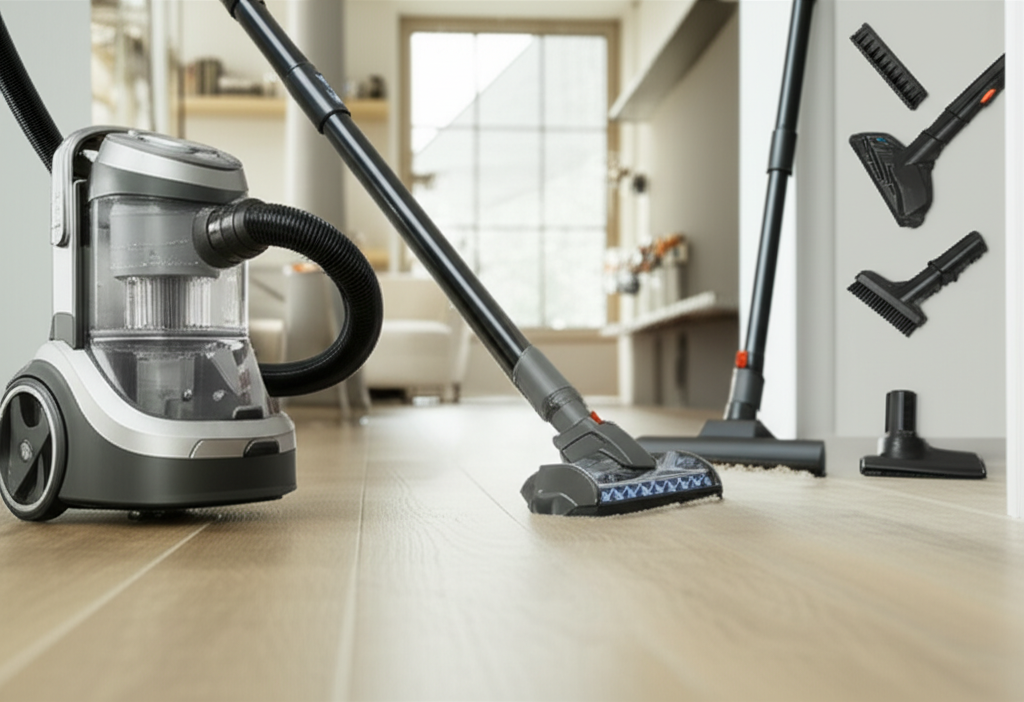
Included Attachments: Tools for different cleaning tasks.
Ease of Maintenance: Simple to fill, empty, and clean.
Top Water Vacuum Cleaner Models for Effortless Cleaning
After extensive research and considering user feedback, several water vacuum cleaner models consistently rise to the top. These machines balance powerful cleaning capabilities with user-friendly designs, making them ideal for a wide range of homes. We’ve focused on models that excel in suction, filtration, and overall effectiveness on various floor types.
One standout is the Bissell CrossWave Pet Pro. It’s a multi-surface cleaner that vacuums and washes floors simultaneously. Its specialized pet brush roll and formula help tackle pet messes effectively. Another strong contender is the Tineco Floor One S5 Pro 2, a cordless marvel that vacuums and mops in one pass, featuring smart sensor technology to adjust suction and water flow. For those needing a more robust wet/dry option, the Shop-Vac Wet/Dry Vacuum is a powerful choice, though it’s more for heavy-duty cleaning tasks than everyday floor care.
The best choice often depends on your specific needs, such as the types of floors you have and whether you deal with frequent pet messes.
Understanding Different Types of Water Vacuum Cleaners
Water vacuum cleaners aren’t a one-size-fits-all solution. They generally fall into a few categories, each suited for different cleaning needs. The most common type for home use is the wet and dry vacuum, which can handle both liquid spills and dry debris. These are versatile and great for general household cleaning.
Then there are specialized floor cleaners that use water. These often combine vacuuming with mopping functions, using a cleaning solution mixed with water. They are designed specifically for hard floors and are excellent for maintaining a daily clean. Some high-powered industrial wet vacuums are also available for extremely heavy-duty tasks, but these are usually overkill for standard homes.
It’s important to distinguish between a true water vacuum that filters through water and a standard vacuum with a wet pick-up function. The former offers superior air purification benefits.
How Water Vacuum Cleaners Handle Different Messes
One of the most impressive aspects of a good water vacuum cleaner is its versatility with different types of messes. For everyday dust and dirt on hard floors, it works much like a regular vacuum but with the added benefit of trapping particles in water. On carpets, some models can lift embedded dirt and allergens more effectively than dry vacuums.
When it comes to liquid spills, these machines truly shine. Whether it’s a knocked-over drink, pet accidents, or tracked-in mud, a water vacuum can suck up the liquid with ease. The water inside the machine helps to dilute and capture the mess, preventing it from spreading. For sticky or dried-on messes, using a cleaning solution mixed with water in the tank can significantly boost performance.
The effectiveness also depends on the specific model and its features. Some are designed for light everyday messes, while others are built to handle more severe spills and grime.
Ease of Use and Maintenance: What to Expect
A great cleaning appliance should make your life easier, not harder. When it comes to water vacuum cleaners, ease of use and maintenance are critical factors. Look for models with intuitive controls and simple assembly. Cordless options offer the most freedom of movement, eliminating the hassle of managing a power cord.
Maintenance typically involves emptying the dirty water tank after each use and rinsing it out. Some models may have brush rolls or filters that need regular cleaning or replacement. It’s important to follow the manufacturer’s instructions to ensure the longevity and optimal performance of your appliance. A machine that’s easy to clean after use is one you’re more likely to use regularly.
Consider the weight and design. A lightweight vacuum that’s easy to maneuver around furniture and up stairs will make your cleaning routine much less strenuous.
Comparing Water Vacuum Cleaners: Key Metrics
To truly find the best water vacuum cleaner, comparing specific metrics is essential. Suction power, often measured in Pascals (Pa) or air watts, indicates how strong the vacuum is. Higher numbers generally mean better debris pickup.
The type of filtration system is another key metric. While all water vacuums use water as a filter, some incorporate additional multi-stage filtration, including HEPA filters, to capture 99.97% of particles down to 0.3 microns. This is vital for allergy sufferers.
Tank capacity, both for clean and dirty water, determines how long you can clean before needing to refill or empty. Battery life is crucial for cordless models, with longer runtimes offering more convenience. Finally, noise level, measured in decibels (dB), is important if you’re sensitive to loud appliances.
Here’s a simplified comparison table for illustration:
| Feature | Model A (e.g., Bissell) | Model B (e.g., Tineco) | Model C (e.g., Shop-Vac) |
| :————— | :———————- | :——————— | :———————– |
| Type | Wet/Dry Floor Cleaner | Cordless Wet/Dry | Heavy-Duty Wet/Dry |
| Suction Power | Moderate | High | Very High |
| Filtration | Multi-stage + Water | Smart Sensor + Water | Basic + Water |
| Best For | Pet messes, hard floors | All floors, quick clean | Workshops, large spills |
| Noise Level | Moderate | Low | High |
| Water Tank | Dual tanks | Dual tanks | Single large tank |
Are Water Vacuum Cleaners Worth the Investment?
For many households, the investment in a quality water vacuum cleaner is absolutely worth it. They offer a superior clean, especially for those with allergies or pets. The ability to tackle both wet and dry messes efficiently simplifies cleaning routines and can even replace the need for separate vacuum and mop machines.
The improved air quality alone can be a significant benefit, reducing allergens and dust in your home. While they might have a higher upfront cost than a basic vacuum, their versatility and effectiveness often translate to long-term value. Think about the time and effort saved by vacuuming and mopping simultaneously.
Consider your specific cleaning needs. If you have predominantly hard floors and deal with frequent spills or pet hair, a water vacuum cleaner is likely to be a game-changer. For those with wall-to-wall carpeting, a traditional vacuum might still be more suitable, though some water vacuums offer carpet cleaning capabilities.
Tips for Maximizing Your Water Vacuum Cleaner’s Performance
To get the most out of your best water vacuum cleaner, follow a few simple tips. Always use the correct type and amount of cleaning solution recommended by the manufacturer. Using too much soap can leave residue or damage the machine. Ensure you are using the right setting for your floor type; most modern units have adjustable modes.
Regularly clean the water tanks, brush roll, and any filters after each use. This prevents odors from developing and ensures optimal suction power. For stubborn stains, pre-treat the area if necessary before using the water vacuum. Store the machine properly, allowing tanks to dry completely to prevent mold or mildew.
A clean water vacuum is an effective water vacuum. Don’t underestimate the power of simple maintenance.
Frequently Asked Questions about Water Vacuum Cleaners
Can a water vacuum cleaner replace my regular vacuum?
For many homes, especially those with hard floors, a water vacuum cleaner can effectively replace a regular vacuum. They handle dry debris and wet messes, offering a more comprehensive clean. However, if you have extensive carpeting, you might still need a dedicated carpet vacuum for deep pile cleaning.
How often should I clean the water tank?
It’s best practice to empty and rinse the dirty water tank after every use. This prevents odors and keeps the machine working efficiently. The clean water tank should also be rinsed and refilled before each cleaning session.
Are water vacuum cleaners good for pet owners?
Yes, water vacuum cleaners are excellent for pet owners. They are highly effective at picking up pet hair, dander, and can tackle accidents like urine or vomit with ease, often neutralizing odors in the process.
Can I use any cleaning solution in my water vacuum?
No, always use the cleaning solutions recommended by the manufacturer. Using the wrong type of cleaner can damage the machine, void the warranty, or leave residue on your floors.
Do water vacuum cleaners leave floors too wet?
Most modern water vacuum cleaners are designed to leave floors only slightly damp, drying quickly. They typically have excellent suction to remove excess water. However, always check the product specifications and user reviews for this feature.
How do I store my water vacuum cleaner?
Store your water vacuum cleaner in a clean, dry place. It’s recommended to leave the tanks open to air dry completely between uses to prevent mold and mildew growth.
Final Verdict on the Best Water Vacuum Cleaner
The quest for the best water vacuum cleaner leads us to a category of appliances that truly redefine home cleaning. These machines offer a powerful, efficient, and more hygienic way to maintain your floors. By harnessing the cleaning power of water, they excel at capturing fine dust, allergens, and even tackling tough wet messes that traditional vacuums can’t handle.
When choosing, prioritize models with strong suction, effective multi-stage filtration, and user-friendly maintenance. Whether you’re a busy professional needing a quick clean, a pet owner battling fur and accidents, or someone seeking a healthier home environment, a quality water vacuum cleaner is a worthy investment. It promises not just a cleaner home, but a significantly more effortless one.
For more insights into home hygiene and cleaning appliances, be sure to explore our other guides.
