
Best Vinyl Floor Mop: Effortless Shine Guide

The best vinyl floor mop will make your floors sparkle with minimal effort, combining effective cleaning power with ease of use for a truly pristine finish.
Vinyl flooring is a popular choice for homes. It’s durable, water-resistant, and can look beautiful. But keeping it clean and shiny requires the right tools. A good mop can make all the difference. It helps you tackle dirt, grime, and spills without leaving streaks. This guide will help you find the best vinyl floor mop for your home. We’ll look at different types and what makes them great.
Why Choosing the Right Vinyl Floor Mop Matters
Choosing the correct mop for your vinyl floors is important. It ensures you clean effectively without damaging the flooring. Using the wrong mop can leave behind residue or scratch the surface. This can make your floors look dull and worn. The right mop will lift dirt easily and dry quickly. This keeps your vinyl looking its best for years.
Understanding Vinyl Flooring and Mop Compatibility
Vinyl flooring, whether it’s sheet vinyl, LVT (Luxury Vinyl Tile), or LVP (Luxury Vinyl Plank), has a protective wear layer. This layer is usually made of urethane or aluminum oxide. It makes the floor resistant to scratches and stains. However, harsh chemicals or abrasive tools can damage this layer. Mops that use too much water can also seep into seams, causing lifting or damage over time. Therefore, selecting a mop designed for sealed hard floors is crucial.
Top Types of Mops for Vinyl Floors
There are several types of mops that work well on vinyl floors. Each has its own advantages. Understanding these options helps you pick the one that fits your cleaning style and needs.
Microfiber Mops: The Gentle Giants
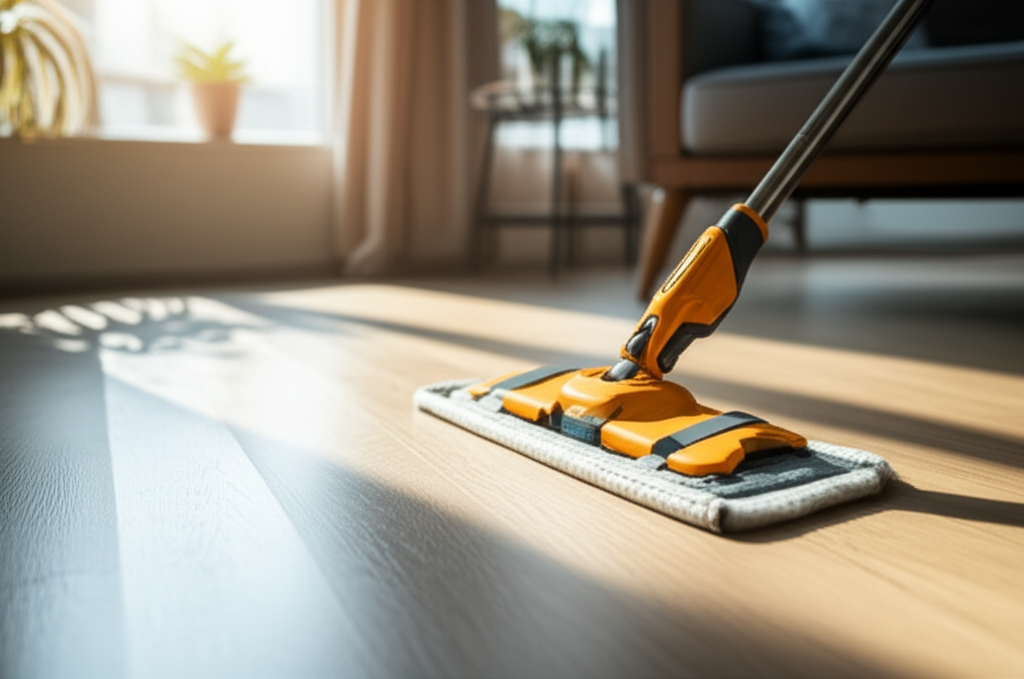
Microfiber mops are excellent for vinyl. Their fine fibers trap dirt and absorb spills effectively. They don’t require harsh chemicals, just water or a mild cleaner. This makes them safe for your vinyl’s protective layer. Microfiber pads are also washable and reusable, saving you money and reducing waste.
Pros: Gentle on floors, highly absorbent, reusable pads, effective at trapping dirt.
Cons: May require more manual effort for stubborn stains, pads need regular washing.
Spray Mops: Quick and Convenient Cleaning
Spray mops combine a mop and a spray bottle into one tool. You fill the reservoir with your preferred cleaning solution. Then, you spray a light mist onto the floor and mop it up. This control over moisture is perfect for vinyl. It prevents over-wetting and ensures a streak-free shine.
Pros: Easy to use, controlled moisture, great for quick cleanups, no need for a separate bucket.
Cons: Small reservoir may need frequent refilling for large areas, cleaning solution choice is important.
Steam Mops: Deep Cleaning Power
Steam mops use hot steam to sanitize and clean floors. The heat can kill bacteria and loosen tough grime. Many steam mops come with adjustable steam settings. You can choose a lower setting for vinyl to avoid excessive moisture. Always check if your vinyl flooring manufacturer recommends steam mops. Some older or lower-quality vinyl might be sensitive to heat.
Pros: Sanitizes without chemicals, effective on tough grime, can be very fast.
Cons: Potential for heat damage to some vinyl, requires electricity, can be more expensive.
Traditional String/Corn Mops: Use with Caution
Traditional string mops can be used on vinyl, but with significant caution. The main issue is the amount of water they hold and release. You must wring them out extremely well. Excess water can seep into vinyl seams and cause damage. A damp mop is always better than a wet one for vinyl.
Pros: Inexpensive, readily available.
Cons: High risk of over-wetting, can leave streaks, less effective at trapping fine dirt.
Key Features to Look For in a Vinyl Floor Mop
When shopping for the best vinyl floor mop, certain features stand out. These will ensure your mop is effective and easy to use.
Material of the Mop Head
The mop head material is critical. For vinyl, microfiber is generally the top choice. Look for pads made from a blend of polyester and polyamide. These fibers are electrostatically charged, attracting and holding dust and dirt. Avoid materials like cotton that can leave lint and hold too much water.
Water Control and Wringing Mechanism
For spray mops, the spray nozzle should deliver a fine, even mist. For traditional or spin mops, the wringing mechanism is key. A good spin mop should allow you to control how much water is left in the mop head. This is crucial for preventing water damage to vinyl floors.
Handle Design and Ergonomics
A comfortable handle makes cleaning less of a chore. Look for an adjustable handle height. This ensures you can mop without bending over too much. Lightweight materials also help. An ergonomic grip can reduce strain on your hands and wrists.
Maneuverability and Head Swivel
A mop head that swivels easily can reach tight corners and spaces under furniture. This makes cleaning more efficient. Look for mops with a low profile head that can slide under cabinets and beds. Wheels can also be helpful for larger mops or those with attached buckets.
Durability and Build Quality
You want a mop that will last. Check the construction of the handle, the bucket (if applicable), and the mop head attachments. Metal or sturdy plastic parts are usually more durable than flimsy ones. Reusable mop pads also contribute to long-term value.
Our Top Picks for the Best Vinyl Floor Mops
After considering various options, we’ve identified some of the best vinyl floor mops available. These models offer a great balance of performance, ease of use, and value.
1. O-Cedar ProMist MAX Microfiber Spray Mop
This spray mop is a fan favorite for a reason. It offers a large, refillable water reservoir and a dual-sided microfiber mop head. One side is for dusting, and the other is for scrubbing. It provides a fine mist spray, perfect for vinyl. It’s also lightweight and easy to maneuver.
Snippet-Ready Answer: The O-Cedar ProMist MAX is a top choice for vinyl floors due to its controlled spray, dual-sided microfiber head, and ergonomic design, making cleaning quick and streak-free.
2. Bona Hardwood Floor Mop (Works Great on Vinyl Too)
While named for hardwood, the Bona mop is excellent for sealed hard floors, including vinyl. It features a large microfiber cleaning pad and a specially formulated pH-neutral cleaner. The spray is a fine mist, ensuring you don’t over-wet your floors. It’s lightweight and easy to assemble.
Snippet-Ready Answer: The Bona Hardwood Floor Mop is highly effective on vinyl due to its gentle, streak-free cleaning formula and fine mist spray, preserving the floor’s finish.
3. Bissell PowerFresh Deluxe Steam Mop
For those seeking a deeper clean, the Bissell PowerFresh Deluxe is a strong contender. It uses steam to sanitize floors, killing 99.9% of germs. It has a “soft” steam setting that is generally safe for most vinyl floors. It also includes a scrub brush for tougher messes.
Snippet-Ready Answer: The Bissell PowerFresh Deluxe Steam Mop offers chemical-free sanitization for vinyl floors using steam, with adjustable settings to ensure safe and effective cleaning.
4. Swiffer WetJet Floor Cleaner Starter Kit
The Swiffer WetJet is convenient for quick touch-ups. It comes with a spray mop, cleaning solution, and absorbent pads. The solution is designed to dry quickly, reducing the risk of water damage. It’s ideal for small spaces or frequent light cleaning.
Snippet-Ready Answer: The Swiffer WetJet provides a convenient, all-in-one solution for quick vinyl floor cleaning, featuring a fast-drying formula and disposable pads for ease of use.
5. MR. SIGA Professional Microfiber Mop
This professional-grade mop offers a large, flat head that covers more area. It comes with multiple reusable microfiber pads. The adjustable handle and 360-degree swivel head make it highly maneuverable. It’s a great option for larger homes needing thorough cleaning.
Snippet-Ready Answer: The MR. SIGA Professional Microfiber Mop excels with its large cleaning head, reusable pads, and 360-degree swivel for efficient and thorough cleaning of vinyl floors.
How to Properly Clean Your Vinyl Floors with a Mop
Using the right mop is only half the battle. Proper technique ensures your vinyl floors stay clean and well-maintained. Follow these steps for the best results.
Step 1: Clear the Area
Before you start mopping, remove any furniture, rugs, or obstacles from the floor. This gives you a clear path to clean without interruption. It also prevents you from accidentally knocking things over with your mop.
Step 2: Sweep or Vacuum First
Always start by sweeping or vacuuming your vinyl floors. This removes loose dirt, dust, and debris. If you don’t remove these particles first, they can turn into mud when you mop. This can scratch your floors or leave a hazy residue. A vacuum with a hard floor setting is ideal.
Step 3: Prepare Your Cleaning Solution
If using a spray mop, fill the reservoir with the recommended cleaner or a simple mixture of water and a few drops of mild dish soap. For other mops, prepare your cleaning solution in a bucket. Always check the manufacturer’s recommendations for your specific vinyl flooring. Avoid ammonia-based cleaners or harsh solvents.
Step 4: Mop Strategically
Start mopping from the farthest corner of the room and work your way towards the exit. This prevents you from walking on the wet floor. Use overlapping strokes to ensure you don’t miss any spots. For spray mops, use a light mist. For bucket mops, wring out the mop head thoroughly.
Step 5: Rinse if Necessary
Some cleaning solutions require a rinse to prevent residue buildup. Check your cleaner’s instructions. If a rinse is needed, use a separate bucket with clean water and a damp mop head. This step is often skipped with microfiber mops using just water.
Step 6: Allow Floors to Dry
Let your vinyl floors air dry completely before replacing furniture or walking on them. Good ventilation helps speed up drying. You can open windows or use fans. This prevents footprints and potential damage to the finish.
Maintaining Your Vinyl Floor Mop for Longevity
Your mop is a tool, and like any tool, it needs care. Proper maintenance keeps it working effectively and prolongs its life.
Cleaning the Mop Head
After each use, rinse the mop head thoroughly under running water. If it’s machine washable (like most microfiber pads), wash it according to the care instructions. This typically involves cold water and a mild detergent. Avoid using fabric softeners, as they can reduce the microfiber’s effectiveness.
Storing Your Mop
Ensure the mop head is completely dry before storing it. Damp mop heads can develop mildew and unpleasant odors. Store your mop upright in a dry place. If it’s a spray mop, empty the water reservoir to prevent leaks or clogs.
Replacing Mop Pads
Microfiber mop pads typically last for many washes. However, they will eventually wear out. You’ll notice they aren’t picking up dirt as well or are starting to fray. Plan to replace them every 3-6 months, depending on usage.
Common Mistakes to Avoid When Mopping Vinyl Floors
Even with the best intentions, some common mistakes can harm your vinyl floors. Being aware of these can save you from costly repairs.
Using Too Much Water
This is the most significant mistake. Excessive water can seep into the seams between vinyl planks or tiles. This can cause the adhesive to weaken, leading to lifting or bubbling. It can also damage the subfloor beneath. Always wring your mop out thoroughly or use a fine mist spray.
Using Harsh Cleaning Chemicals
Strong chemicals like bleach, ammonia, or abrasive cleaners can strip away the protective wear layer of your vinyl. This leaves the floor dull and more susceptible to scratches and stains. Stick to pH-neutral cleaners specifically designed for hard floors or just water.
Using Abrasive Scrubbers or Brushes
Scrubbing too hard with stiff brushes or abrasive pads can scratch the vinyl surface. Even if the scratches are minor, they can dull the finish over time. Use soft microfiber pads or gentle scrubbing tools only when necessary.
Mopping Without Sweeping/Vacuuming First
As mentioned earlier, mopping over loose dirt and debris is like giving your floor a muddy scrub. This can embed grit into the vinyl or cause micro-scratches. Always remove dry debris before introducing any moisture.
Comparing Mop Types for Vinyl: A Quick Guide
Here’s a table summarizing the best mop types for vinyl floors and their key characteristics.
| Mop Type | Best For | Moisture Control | Chemical Use | Ease of Use | Overall Rating (Vinyl) |
| :————- | :————————————— | :————— | :—————– | :———- | :——————— |
| Microfiber | Daily cleaning, light spills, general use | Excellent | Water or mild soap | High | ★★★★★ |
| Spray Mop | Quick cleanups, controlled moisture | Excellent | Water or mild soap | Very High | ★★★★★ |
| Steam Mop | Deep sanitizing, tough grime | Moderate (check settings) | None (steam only) | High | ★★★★☆ |
| Spin Mop | Moderate to heavy cleaning | Good (if well wrung) | Water or mild soap | Medium | ★★★☆☆ |
| String Mop | Budget cleaning, use with extreme care* | Poor | Water or mild soap | Medium | ★★☆☆☆ |
Frequently Asked Questions About Vinyl Floor Mops
Here are answers to some common questions about cleaning vinyl floors with mops.
Can I use a regular mop on vinyl floors?
Yes, but it’s crucial to use a mop that doesn’t leave too much water behind. Microfiber mops or spray mops are ideal. Always ensure you wring out traditional mops very well.
What is the best cleaner to use on vinyl floors?
For most vinyl floors, a pH-neutral cleaner specifically designed for hard floors is best. Water alone or a mixture of water and a few drops of mild dish soap can also work well. Always avoid ammonia or bleach.
How often should I mop my vinyl floors?
This depends on traffic. For high-traffic areas, mopping once or twice a week is recommended. For less-used areas, once a week might be sufficient. Quick spot cleaning after spills is always a good idea.
Can I use a Swiffer WetJet on LVP (Luxury Vinyl Plank)?
Yes, the Swiffer WetJet is generally safe for LVP. Its cleaning solution is designed to dry quickly, minimizing the risk of excess moisture. Always check the specific product instructions and your LVP manufacturer’s guidelines.
Are steam mops safe for all vinyl floors?
Steam mops can be safe for many modern vinyl floors, especially LVT and LVP. However, excessive heat or moisture can damage older vinyl or vinyl with poor adhesives. Always use the lowest steam setting and check your flooring manufacturer’s recommendations first.
Conclusion: Your Guide to a Sparkling Vinyl Floor
Finding the best vinyl floor mop can transform your cleaning routine. It ensures your floors look their best without unnecessary effort or risk of damage. Microfiber mops and spray mops offer excellent control over moisture and gentle cleaning power. For a deeper clean, a steam mop can be effective if used cautiously. Remember to always sweep or vacuum first, use appropriate cleaners, and wring out your mop well. By following these tips, you can achieve a brilliant, streak-free shine on your vinyl floors, making your home a more beautiful and hygienic place.
For more tips on keeping your home clean and organized, be sure to subscribe to our newsletter.
