Best Vacuum Cleaner For Tile Floors: Proven Choice

Find the best vacuum cleaner for tile floors to keep your home sparkling clean with powerful suction and specialized features that capture dust and debris without scratching your delicate surfaces.
Tile floors are beautiful and durable, but they can be a challenge to keep clean. Dust, dirt, and crumbs love to settle into grout lines and can easily get pushed around by the wrong vacuum. Choosing the right vacuum cleaner makes a huge difference. It ensures your tiles stay scratch-free and your home stays hygienic. This guide will help you find the perfect vacuum for your tile floors. We’ll look at what makes a vacuum great for this surface and review some top choices.
Why Tile Floors Need a Special Vacuum
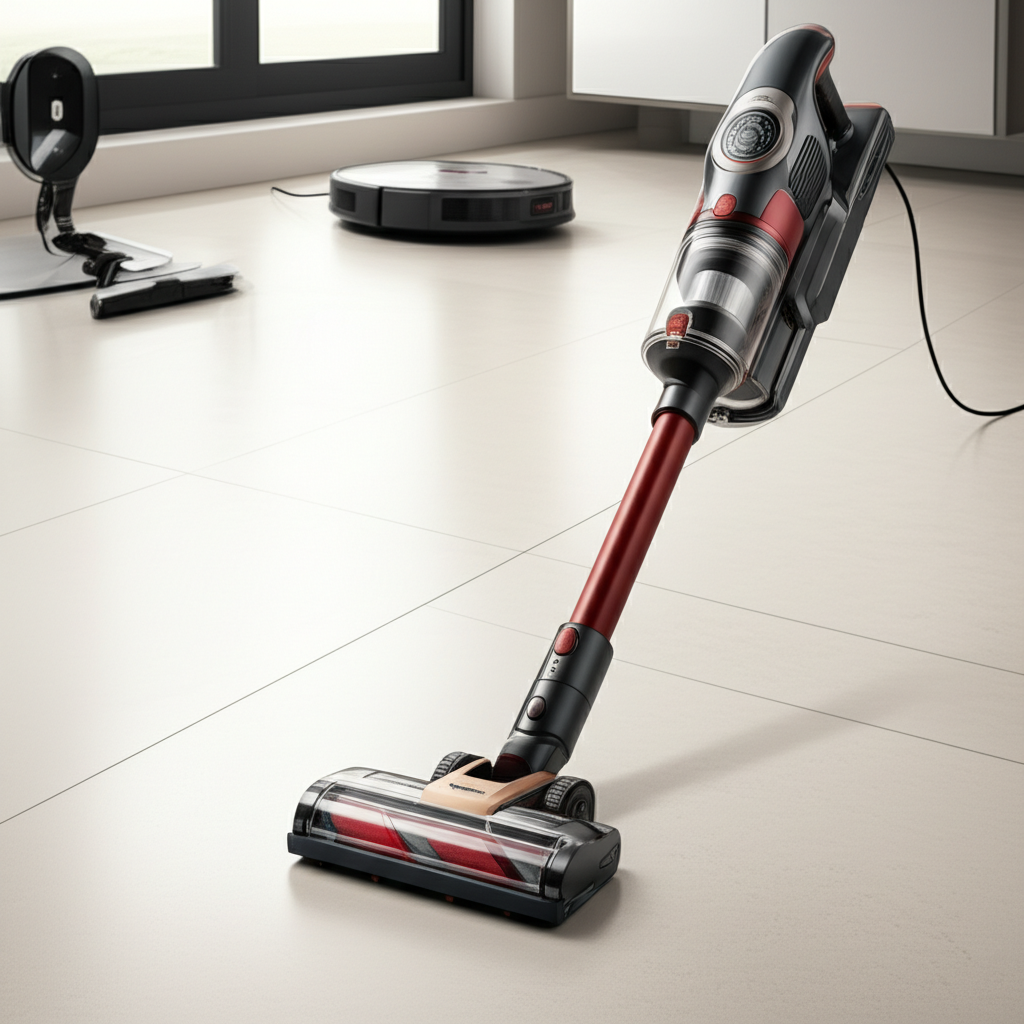
Tile floors are hard, smooth surfaces. This means dirt and dust can easily become airborne or get ground into the grout. A good vacuum for tile floors needs strong suction to lift debris. It also needs to avoid scratching the tile surface. Many vacuums have rotating brush rolls that can be too harsh for tile. Some vacuums are specifically designed to protect hard floors.
Understanding the unique needs of tile floors is the first step. It helps you avoid common mistakes. A vacuum that works well on carpet might not be ideal for tile. You want one that cleans effectively without causing damage. This guide will break down the key features to look for.
Key Features to Look for in a Tile Floor Vacuum
When shopping for a vacuum for your tile floors, focus on a few critical features. These ensure both cleaning power and floor protection. Strong suction is paramount for lifting embedded dirt. A good filtration system is also important for trapping allergens.
Look for vacuums with adjustable height settings or dedicated hard floor modes. These often disengage or soften the brush roll. Soft brush rolls or specialized floor heads are excellent for tile. They gently sweep debris into the suction path.
Suction Power: The Engine of Cleanliness
Suction power is measured in Air Watts (AW) or Pascals (Pa). Higher numbers generally mean stronger suction. For tile floors, you need enough power to pull dirt from grout lines. Aim for a vacuum with at least 1500 Pa for good performance.
More powerful vacuums can tackle tougher messes. They also pick up finer dust particles more effectively. Don’t forget that a vacuum’s efficiency can decrease over time. Regular maintenance, like cleaning filters and emptying bins, is crucial.
Brush Rolls: Friend or Foe to Tile?
The brush roll is the spinning brush inside the vacuum head. On carpet, it agitates and loosens dirt. For tile floors, a vigorous brush roll can scatter debris. It can also scratch the tile surface over time.
Many vacuums offer options for this. Some have a “soft roller” or a “hard floor attachment.” Others allow you to turn the brush roll off completely. Vacuums with brush rolls specifically designed for hard floors are ideal. They often use softer bristles or a different pattern.
Filtration Systems: Keeping Your Air Clean
A good filtration system is essential, especially for homes with allergies or asthma. HEPA filters are the gold standard. They capture 99.97% of particles as small as 0.3 microns. This means dust, pollen, and pet dander are trapped inside the vacuum.
For tile floors, dust can easily become airborne. A strong filtration system prevents this. It ensures that the air you breathe remains clean. Look for vacuums with sealed systems. This prevents dirty air from escaping around the filter.
Types of Vacuums Best Suited for Tile Floors
Different vacuum types offer unique advantages for tile floors. Each has its own strengths and weaknesses. Understanding these can help you narrow down your choices. Consider your home layout and cleaning habits.
Some models are particularly well-suited for hard surfaces. They often prioritize suction and gentle cleaning mechanisms. Let’s explore the most popular options.
Upright Vacuums for Tile Floors
Upright vacuums are a classic choice for whole-home cleaning. Many modern uprights are designed for versatility. They often have features specifically for hard floors. Some even have a lift-away canister for easy spot cleaning.
Look for uprights with a brush roll that can be turned off or adjusted. Some models come with a separate hard floor tool. These can be very effective on tile. They offer good power and capacity.
Upright vacuums are a solid choice for tile floors if they offer adjustable brush rolls or specialized hard floor attachments.
They provide robust cleaning power for larger areas. Many also come with good filtration systems. Just ensure the model you choose has a setting that protects your tile.
Canister Vacuums for Tile Floors
Canister vacuums are known for their powerful suction and maneuverability. They separate the motor and dustbin from the cleaning head. This makes them lighter and easier to steer around furniture. Many canister vacuums come with specialized hard floor tools.
These tools often feature soft brushes or a squeegee-like edge. This helps to capture fine dust and debris effectively. Canister vacuums are excellent for detailed cleaning. They can easily reach under cabinets and around obstacles.
Canister vacuums often excel on tile floors due to their powerful suction and specialized hard floor attachments.
Their flexible hoses and lighter heads make them easy to navigate. This makes them a favorite for homes with a lot of hard surfaces.
Stick Vacuums for Tile Floors
Stick vacuums are lightweight, cordless, and incredibly convenient. They are perfect for quick cleanups. Many stick vacuums have excellent suction for their size. They are often designed with hard floors in mind.
Look for models with soft roller brush heads. These are specifically made to pick up fine dust and larger debris from hard surfaces. Some stick vacuums also convert to handhelds for versatility. Battery life is an important consideration for cordless models.
Stick vacuums are a fantastic option for quick tile floor cleanups and daily maintenance.
Their lightweight design and cordless freedom make them very user-friendly. Ensure the model has a suitable brush head for tile.
Robot Vacuums for Tile Floors
Robot vacuums offer the ultimate convenience. You can schedule them to clean automatically. Many robot vacuums are now quite advanced. They can navigate complex layouts and avoid obstacles.
Most robot vacuums are designed for hard floors. They typically use a combination of brushes and strong suction. Some models also include a mopping function. However, they may not be as powerful as traditional vacuums for deep cleaning grout.
Robot vacuums provide automated cleaning for tile floors, ideal for daily maintenance and busy households.
They are great for keeping dust levels low between deeper cleans. Look for models with good navigation and strong suction.
Wet/Dry Vacuums and Steam Mops
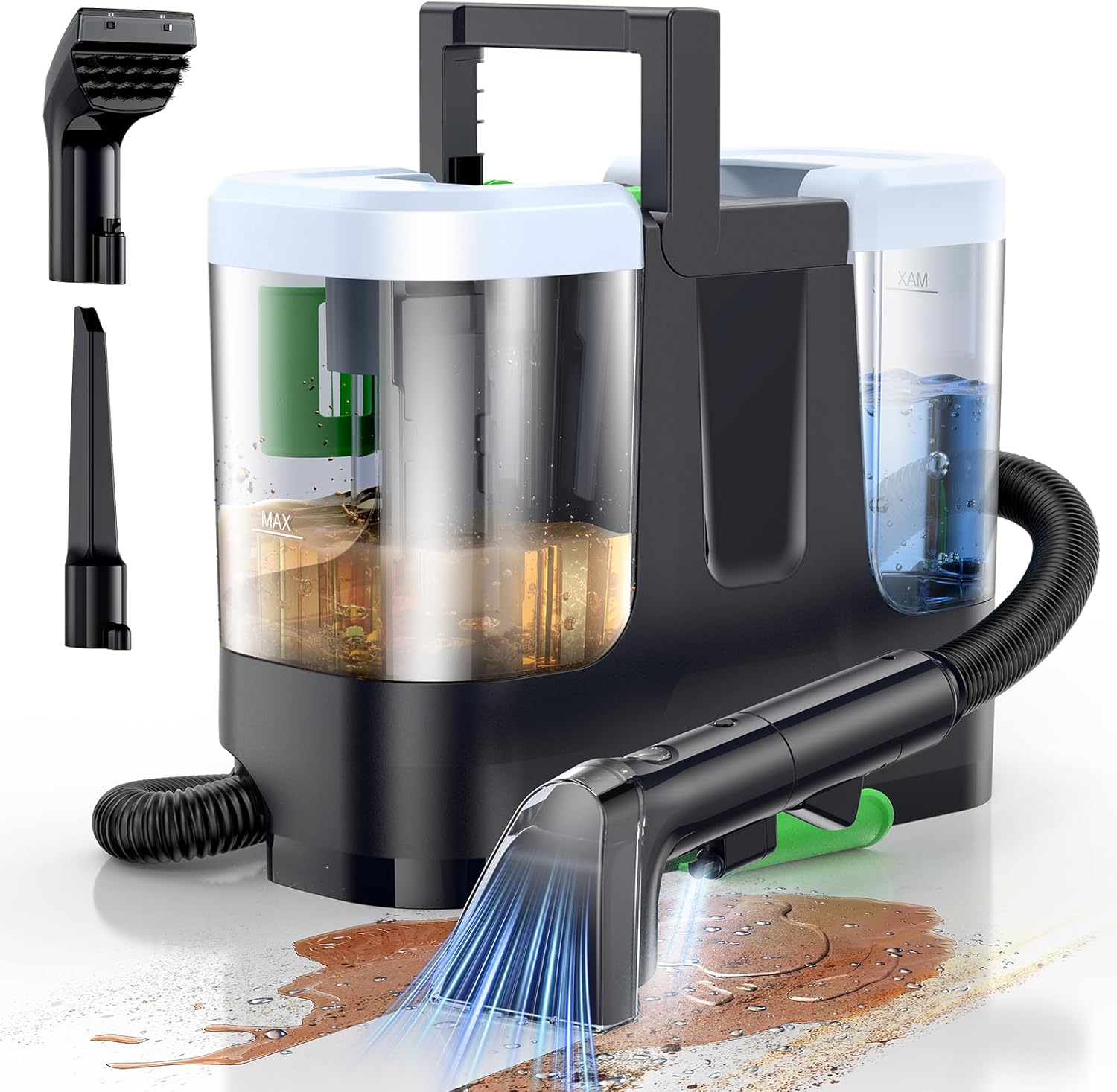
While not traditional vacuums, wet/dry vacuums and steam mops are excellent for tile. Wet/dry vacuums can handle spills and deep cleaning. Steam mops use steam to sanitize and clean without chemicals. They can be very effective on tile.
These are often used in conjunction with a vacuum. They are great for tackling tough grime and sanitizing. Always ensure your tile type can handle steam cleaning. Some natural stones are sensitive to heat and moisture.
Wet/dry vacuums and steam mops offer a different approach to tile cleaning, focusing on deep cleaning and sanitization.
They can be powerful allies in maintaining pristine tile floors. Use them carefully and according to manufacturer instructions.
Top Vacuum Cleaner Recommendations for Tile Floors
Based on performance, features, and user reviews, here are some top contenders. These vacuums consistently perform well on tile floors. They balance powerful suction with gentle cleaning capabilities.
1. Dyson V15 Detect Absolute
The Dyson V15 Detect Absolute is a premium cordless stick vacuum. It features an intelligent laser detect system. This illuminates microscopic dust on the floor. Its specialized cleaner head is designed for hard floors.
This vacuum boasts impressive suction power. It also has a highly effective filtration system. The included accessories make it versatile for various cleaning tasks. While expensive, its performance on tile is exceptional.
Pros: Powerful suction, laser dust detection, excellent filtration, versatile attachments.
Cons: High price point, battery life can be a limitation for large homes.
The Dyson V15 Detect Absolute offers cutting-edge technology for a superior clean on tile floors. Its advanced features ensure no dust is missed.
2. Shark Vertex Ultra Lightweight Cordless Stick Vacuum
The Shark Vertex is another strong cordless option. It’s known for its powerful suction and lightweight design. This vacuum features DuoClean technology. It combines a bristle brush and a soft roller. This makes it effective on both hard floors and carpets.
It also has a PowerFins Hair Pro brush roll. This minimizes hair wrap. The filtration is also very good. It’s a more budget-friendly alternative to high-end models.
Pros: Powerful suction, versatile DuoClean head, lightweight, good for pet hair.
Cons: Battery life is average, bin capacity is smaller.
The Shark Vertex offers excellent performance for its price, making it a great all-around vacuum for tile floors. Its versatile cleaning head handles debris with ease.
3. Miele Complete C3 Cat & Dog PowerLine
Miele canister vacuums are renowned for their build quality and performance. The Complete C3 Cat & Dog model is ideal for homes with pets. It features a powerful motor and excellent suction. It comes with a specialized parquet brush.
This brush is designed for delicate hard floors. It gently cleans without scratching. The Miele filtration system is also top-notch. This vacuum offers robust and reliable cleaning.
Pros: Exceptional suction, superior build quality, excellent filtration, gentle on hard floors.
Cons: Canister design requires more storage space, higher upfront cost.
The Miele Complete C3 Cat & Dog PowerLine is a workhorse for thorough tile floor cleaning. Its durable construction ensures longevity and consistent performance.
4. Bissell Crosswave Pet Pro All-in-One Wet Dry Vacuum Cleaner
The Bissell Crosswave is not a traditional vacuum. It’s an all-in-one cleaner. It vacuums and mops simultaneously. This is fantastic for tile floors. It uses a specialized tangle-free brush roll.
It’s great for cleaning up pet messes and everyday dirt. Using a cleaning solution with water enhances its effectiveness. This is a great option if you want to combine vacuuming and mopping.
Pros: Vacuums and mops simultaneously, great for pet messes, easy to use.
Cons: Requires regular maintenance (cleaning tanks and brush roll), not a deep vacuum for dry debris.
The Bissell Crosswave Pet Pro offers a convenient two-in-one solution for busy households with tile floors. It effectively tackles both dry debris and sticky messes.
5. iRobot Roomba j7+ (Self-Emptying)
For hands-free cleaning, the iRobot Roomba j7+ is a top choice. This robot vacuum intelligently navigates your home. It avoids obstacles, including cords. The self-emptying base means you don’t have to empty the bin for weeks.
It’s designed to work well on hard floors. Its suction is strong enough for daily debris. This is perfect for maintaining clean tile floors with minimal effort.
Pros: Fully automated cleaning, self-emptying base, excellent navigation, smart obstacle avoidance.
Cons: Less powerful than manual vacuums for deep cleaning grout, higher price point.
The iRobot Roomba j7+ provides effortless daily cleaning for tile floors. Its smart technology keeps your floors consistently tidy.
How to Use Your Vacuum Safely on Tile Floors
Using the right vacuum is only half the battle. Proper usage ensures your tile floors remain pristine. Always check your vacuum’s settings before you start. Ensure the brush roll is appropriate for hard floors.
Empty the dustbin regularly. This maintains optimal suction power. Avoid vacuuming up large, sharp objects. These can damage the vacuum or the floor. For very delicate or antique tiles, consider a dedicated soft brush attachment.
Cleaning Tile Grout: The Vacuum’s Role
Grout lines are where dirt and grime tend to accumulate. A vacuum with strong edge-cleaning capabilities can help. Some vacuums have crevice tools or specialized grout attachments. These are designed to reach deep into the lines.
For stubborn grout stains, you might need more than just vacuuming. A grout brush and cleaning solution can be used after vacuuming. Some steam mops also do a good job of cleaning grout. Always test cleaning solutions in an inconspicuous area first.
Maintaining Your Tile Floor Vacuum
Regular maintenance ensures your vacuum performs at its best. This is especially true for vacuums used on tile floors. Clean the filters according to the manufacturer’s instructions. Clogged filters reduce suction power.
Check the brush roll for tangled hair or debris. Clean it regularly to ensure it spins freely. Empty the dustbin or bag after each use. This prevents overflow and maintains airflow.
A well-maintained vacuum will last longer. It will also clean your tile floors more effectively. This saves you time and effort in the long run.
Vacuuming vs. Mopping Tile Floors
While vacuuming removes dry debris, mopping tackles wet messes and sanitizes. For tile floors, a combination is often best. Vacuum first to remove all loose dirt. Then, mop to clean any remaining residue or grime.
Many modern vacuums offer a wet/dry function. This can be a great time-saver. However, for the deepest clean, separate vacuuming and mopping might be preferred. Always ensure your mop solution is suitable for your tile type.
Frequently Asked Questions About Tile Floor Vacuums
What is the best type of vacuum for tile floors?
The best type of vacuum for tile floors is one with strong suction and a brush roll that can be turned off or adjusted for hard surfaces. Stick vacuums, canister vacuums with specialized hard floor tools, and some uprights with these features are excellent choices.
Can I use a vacuum with a spinning brush roll on tile?
Yes, but with caution. It’s best to use a vacuum that allows you to turn the brush roll off or has a soft roller specifically designed for hard floors. A harsh brush roll can scratch tile or scatter debris.
How often should I vacuum my tile floors?
For high-traffic areas, vacuuming every other day is recommended. For less used areas, once or twice a week might be sufficient. Regular vacuuming prevents dirt from being ground into grout lines.
Do robot vacuums work well on tile floors?
Yes, robot vacuums are generally excellent for tile floors. They are designed to pick up everyday dust and debris. They are ideal for maintaining cleanliness between deeper cleaning sessions.
What is the best vacuum for tile and carpet?
Look for a versatile vacuum with adjustable settings. Vacuums featuring DuoClean technology (a soft roller and a bristle brush) or those that allow brush roll control are ideal for switching between tile and carpet.
How do I clean grout lines with a vacuum?
Use a vacuum with strong edge suction or a dedicated crevice tool. For deeper cleaning, after vacuuming, you may need a grout brush and a cleaning solution or a steam cleaner.
Conclusion: Your Proven Choice for Sparkling Tile Floors
Finding the best vacuum cleaner for tile floors involves understanding your needs and your floors’ specific requirements. Prioritize strong suction, gentle brush rolls or hard floor attachments, and effective filtration. Whether you choose a powerful cordless stick, a versatile canister, or a convenient robot vacuum, the right appliance will make maintaining your beautiful tile floors significantly easier. Invest in a quality vacuum, and enjoy a cleaner, healthier home with less effort.
Consider subscribing to HomeHygia for more expert tips and appliance reviews to keep your home in top condition.