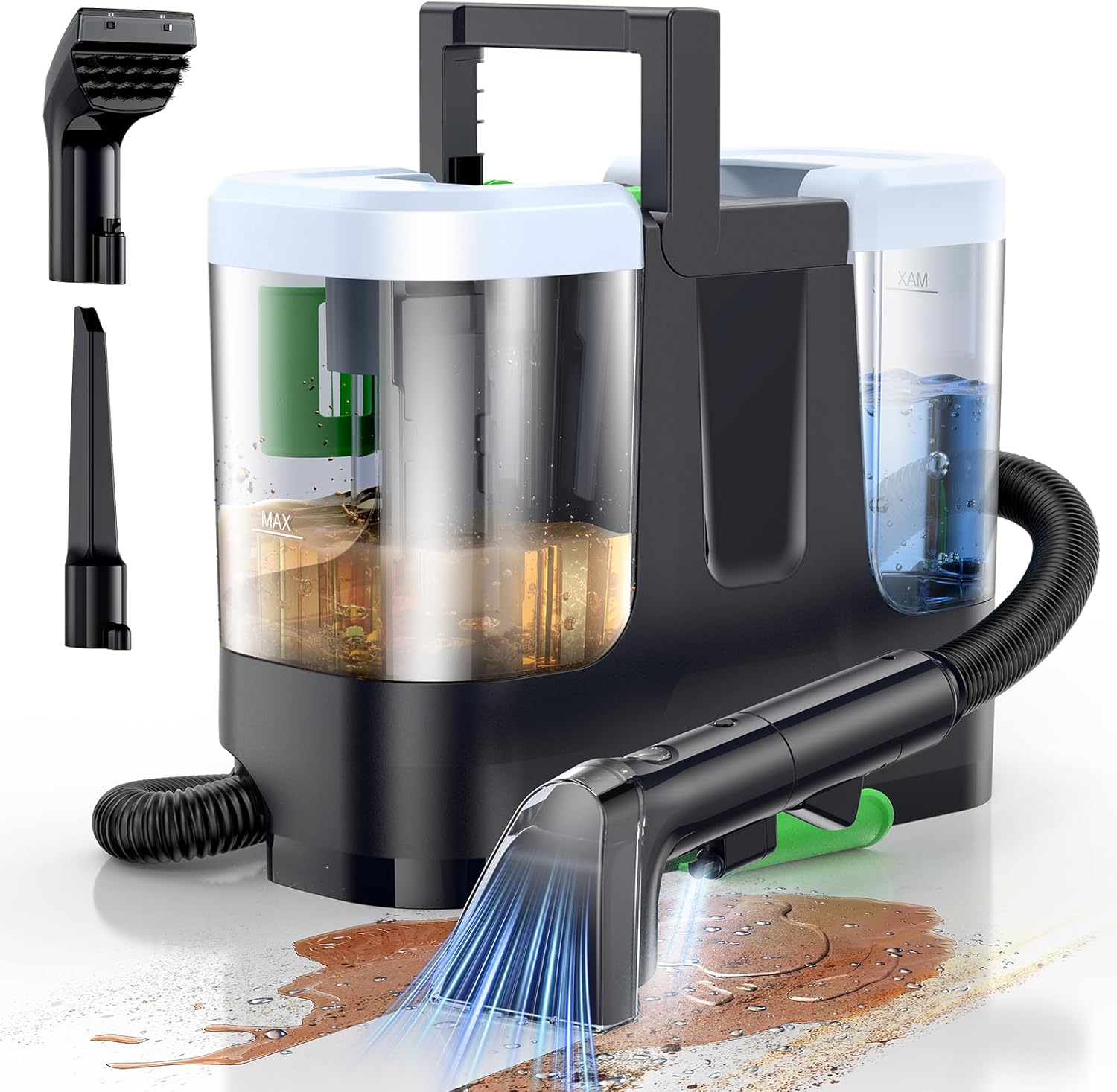
Best Vacuum Cleaner For Car Detailing: Proven Power

The best vacuum cleaner for car detailing offers powerful suction, versatile attachments, and a compact design to tackle dirt, dust, and debris in every nook and cranny of your vehicle.
Keeping your car’s interior pristine can feel like a daunting task. From spilled coffee to stubborn pet hair and fine dust that settles everywhere, a regular home vacuum often falls short. You need a tool specifically designed for the tight spaces and varied surfaces found inside a car. This guide will help you find a vacuum cleaner with proven power, ensuring your car looks and feels as good as new. We’ll explore the features that matter most and recommend options that make car detailing a breeze.
Why Your Car Needs a Specialized Vacuum Cleaner
A dedicated car vacuum is more than just a convenience; it’s a necessity for effective car care. Standard home vacuums are often too bulky and their attachments aren’t suited for the intricate design of car interiors. They can struggle with the unique challenges presented by car upholstery, floor mats, and those hard-to-reach spots between seats. Specialized vacuums offer the right blend of power, portability, and precision for a professional-level clean.
The automotive interior is a unique micro-environment. It collects fine dust from the air, grit from shoes, and often food crumbs or pet dander. Without the right tool, this dirt gets embedded in carpets and seats, making them difficult to remove and affecting air quality inside your car. A good car vacuum can transform this, removing even deeply ingrained particles.
Key Features to Look for in a Car Detailing Vacuum
When selecting the best vacuum cleaner for car detailing, several key features stand out. These elements ensure that the vacuum is not only powerful but also practical for use in a vehicle. Prioritizing these will lead you to a tool that makes car cleaning efficient and effective.
Suction Power: This is paramount. Look for vacuums with strong suction, often measured in Air Watts (AW) or Pascals (Pa). Higher numbers generally mean better dirt-lifting capability, crucial for car carpets and upholstery.
Portability and Weight: Cars have limited space. A lightweight and compact vacuum, or a cordless model, is easier to maneuver around seats and in tight areas.
Attachments and Accessories: A good car vacuum comes with a variety of specialized tools. These include crevice tools for narrow gaps, brush attachments for upholstery, and extension hoses for reaching further.
Power Source: Decide between corded and cordless. Cordless models offer freedom of movement but may have limited battery life. Corded models provide consistent power but require access to a power outlet.
Filtration System: A HEPA filter or a multi-stage filtration system is beneficial. It traps fine dust and allergens, preventing them from being recirculated into the air, which is important for both your car’s interior and your health.
Considering these features will guide you toward a vacuum that meets the specific demands of car detailing. It ensures you can tackle everything from large debris to microscopic dust particles with ease.
Cordless vs. Corded Vacuums for Car Detailing
The choice between a cordless and a corded vacuum cleaner significantly impacts your car detailing experience. Each type has distinct advantages and disadvantages that cater to different user preferences and detailing needs. Understanding these differences is key to selecting the best fit for your situation.
Cordless vacuums offer unparalleled freedom of movement. You can easily move around your car without being tethered to a power outlet, making them ideal for quick touch-ups or detailing in locations without convenient power access. Their lightweight design also adds to their ease of use in tight spaces. However, battery life can be a limitation, and their suction power might not always match that of high-end corded models.
Corded vacuums, on the other hand, typically provide more consistent and powerful suction. They don’t have battery limitations, allowing for extended cleaning sessions without interruption. This makes them a great choice for deep cleaning or when detailing multiple vehicles. The main drawback is the need for an extension cord and access to a power source, which can sometimes be cumbersome in a garage or driveway.
Ultimately, the best choice depends on your primary use case. For convenience and portability, cordless is often preferred. For maximum power and extended use, corded models might be the better option.
Top Picks: Best Vacuum Cleaners for Car Detailing in 2024
After extensive research and consideration of user feedback, here are some of the top vacuum cleaners that excel in car detailing. These models offer a balance of power, versatility, and convenience, making them excellent choices for keeping your vehicle immaculate.
1. Black+Decker Dustbuster Cordless Handheld Vacuum
This is a popular choice for its portability and ease of use. It’s lightweight and comes with useful attachments for car interiors. Its strong suction for its size makes it effective for quick cleanups.
Pros: Very portable, good battery life for quick jobs, affordable.
Cons: May struggle with very deep or heavy debris.
Best for: Regular maintenance and quick cleanups.
2. Shark Ultra-Light Corded Bagless Vacuum
While often thought of as a home vacuum, its lightweight design and powerful suction make it adaptable for car detailing. Its ability to convert to a handheld unit with attachments is a significant plus.
Pros: Strong suction, versatile with attachments, good for deeper cleaning.
Cons: Can be a bit bulky for very small car spaces.
Best for: More thorough car cleaning sessions.
3. DeWalt 20V MAX Cordless Wet/Dry Vacuum
This heavy-duty option is built for tough jobs. It’s a wet/dry vacuum, meaning it can handle liquid spills in addition to dry debris. Its robust build and powerful motor are ideal for demanding car detailing tasks.
Pros: Extremely powerful, wet/dry capability, durable.
Cons: Can be heavier and more expensive, often sold as a bare tool (battery/charger separate).
Best for: Serious car enthusiasts and professional detailers.
4. Armor All 2.5 Gallon, 2 HP Wet/Dry Vacuum
This compact wet/dry shop vac is specifically designed for automotive use. It’s powerful enough to tackle both dry debris and liquid messes, and its size makes it manageable for car interiors.
Pros: Great for both wet and dry messes, powerful suction, relatively affordable.
Cons: Can be a bit noisy, requires an outlet.
Best for: Handling spills and deep cleaning of carpets and mats.
5. Bissell Auto-Mate Corded Portable Car Vacuum
This vacuum is purpose-built for car interiors. It’s compact, lightweight, and comes with specialized tools for car detailing, like a flexible hose and brush attachments, making it easy to reach all areas.
Pros: Designed for cars, includes specific detailing tools, good suction.
Cons: Corded, so you need an outlet.
Best for: Users who want a tool specifically made for car cleaning.
These models represent a range of options, from convenient handhelds to powerful wet/dry units. Each is a strong contender for the title of the best vacuum cleaner for car detailing, offering proven power and effective cleaning capabilities.
Understanding Suction Power: AW vs. Pascals
When comparing vacuums, you’ll often see suction power measured in Air Watts (AW) or Pascals (Pa). Understanding these metrics helps you gauge a vacuum’s cleaning potential. Higher numbers generally indicate stronger suction, which is crucial for lifting embedded dirt and debris from car carpets and upholstery.
Air Watts (AW): This is a measure of the vacuum’s actual cleaning efficiency, taking into account airflow and suction pressure. A higher AW means the vacuum can move more air and thus pick up more dirt. It’s a more comprehensive measure of cleaning performance.
Pascals (Pa): This unit measures the static pressure of the suction. While it indicates how strong the vacuum’s pull is, it doesn’t account for airflow. A vacuum with high Pascals but low airflow might not be as effective as one with moderate Pascals and high airflow.
For car detailing, aim for a vacuum with strong suction, ideally measured in AW. If only Pa is listed, look for higher numbers, but also consider the vacuum’s overall design and user reviews regarding its effectiveness on car interiors. A good balance is key to proven power.
The Importance of Attachments for Car Detailing
The right attachments can transform a good vacuum into an exceptional car detailing tool. Cars have intricate designs with tight spaces, upholstery textures, and delicate surfaces that require specialized tools for effective cleaning. Without the correct attachments, even a powerful vacuum can miss crucial areas.
Crevice tools are indispensable for reaching between seats, along door panels, and into the narrow gaps where dirt and crumbs tend to accumulate. Brush attachments, especially those with softer bristles, are vital for agitating upholstery to loosen embedded dirt and hair without causing damage. Extension wands or flexible hoses allow you to reach the trunk, under seats, and across the entire cabin without straining.
A comprehensive set of attachments ensures that you can address every corner of your car’s interior. This attention to detail is what separates a quick vacuum from a thorough detailing job. Always check what accessories are included with a vacuum before making a purchase.
Wet/Dry Capabilities: A Game Changer for Spills
Accidents happen, especially in cars. Spilled drinks, muddy footprints, or pet messes can quickly turn a clean interior into a sticky, stained mess. This is where a wet/dry vacuum cleaner for car detailing truly shines, offering a solution that standard vacuums cannot.
A wet/dry vacuum can effectively suck up both dry debris like dust and crumbs, and liquid messes. This dual capability makes it incredibly versatile. For instance, if you spill a beverage on your car floor mat, a wet/dry vacuum can extract the liquid, preventing it from soaking into the carpet padding and causing odors or mold. It can also be used to clean up mud or even wash down floor mats if needed.
This feature adds a significant layer of practicality to car detailing. It means you have one tool that can handle almost any cleaning challenge your car’s interior might present, from everyday dust to unexpected spills. It’s a feature worth considering for any car owner.
Filtration Systems: Cleaner Air for a Healthier Ride
While powerful suction is essential for removing dirt, the vacuum’s filtration system plays a critical role in maintaining air quality inside your car. Fine dust, allergens, and microscopic particles can be stirred up during vacuuming. A good filtration system ensures these are trapped, preventing them from being released back into the air you breathe.
HEPA (High-Efficiency Particulate Air) filters are the gold standard. A true HEPA filter can capture at least 99.97% of airborne particles 0.3 microns in size. For car detailing, this means trapping fine dust, pollen, pet dander, and other allergens, creating a healthier environment inside your vehicle.
Even if a vacuum doesn’t have a HEPA filter, a multi-stage filtration system can still be effective. Look for vacuums that use multiple layers of filtration, such as cyclones, foam filters, and fine mesh filters, to capture progressively smaller particles. This attention to air quality is a key aspect of thorough car detailing.
Ease of Use and Ergonomics in Tight Spaces
Detailing a car involves working in confined and awkward spaces. Therefore, the ergonomics and ease of use of your vacuum cleaner are crucial. A vacuum that is too heavy, bulky, or difficult to maneuver will make the job more challenging and less effective.
Consider the vacuum’s weight distribution and handle design. Handheld vacuums are naturally easier to manage in tight spots like between seats or on the dashboard. For larger vacuums, look for models with comfortable grips, swivel steering, or a low profile that allows them to slide under seats easily.
The length of the power cord (for corded models) or the battery life (for cordless models) also contributes to ease of use. A sufficiently long cord or adequate battery runtime prevents interruptions and the hassle of constantly replugging or recharging. Ultimately, a vacuum that feels comfortable and natural to use will lead to a more thorough and less strenuous cleaning experience.
Maintenance and Durability of Car Vacuums
To ensure your chosen vacuum cleaner for car detailing remains effective over time, consider its maintenance requirements and overall durability. A well-maintained vacuum will perform better and last longer, providing value for your investment.
Emptying the Dustbin: Most modern vacuums have bagless dustbins. These need to be emptied regularly, ideally after each use, to maintain optimal suction power. Look for dustbins that are easy to detach and empty without creating a mess.
Cleaning Filters: Filters can become clogged with dust and debris, reducing suction. Check the manufacturer’s recommendations for cleaning or replacing filters. Many filters can be washed, but they must be completely dry before being reinserted.
Brush Roll Care: If your vacuum has a brush roll, hair and string can get tangled around it. Periodically cleaning the brush roll will ensure it spins freely and effectively cleans carpets and upholstery.
Durability: For car detailing, a vacuum built with robust materials is preferable. Look for sturdy plastic construction and reliable motor performance. Tools designed for automotive use, like those from DeWalt or Armor All, often prioritize durability.
Investing in a vacuum that is easy to maintain and built to last will ensure it remains your go-to tool for keeping your car looking its best.
Frequently Asked Questions (FAQ)
What is the most important feature for a car vacuum cleaner?
The most important feature is powerful suction, as it’s needed to lift embedded dirt, dust, and debris from car carpets and upholstery effectively.
Can I use a regular home vacuum for my car?
You can, but it’s often less effective. Home vacuums are usually larger, less portable, and may lack the specialized attachments needed for tight car spaces.
How do I clean the filters in my car vacuum?
Most filters can be rinsed under water. Always check your vacuum’s manual, and ensure the filter is completely dry before putting it back in the vacuum to prevent damage.
Are cordless vacuums powerful enough for car detailing?
Many modern cordless vacuums offer impressive suction power suitable for car detailing, especially for regular maintenance and lighter cleaning jobs.
What attachments are essential for car detailing?
Essential attachments include a crevice tool for tight spaces, a brush tool for upholstery, and potentially an extension hose or wand for reaching difficult areas.
How often should I empty the dustbin of my car vacuum?
It’s best to empty the dustbin after each use to maintain consistent suction power and prevent dust from being released back into the air.
Conclusion: The Proven Power for a Spotless Car Interior
Finding the best vacuum cleaner for car detailing hinges on its ability to deliver proven power, versatile functionality, and convenient handling. Whether you opt for a compact cordless unit for quick cleanups or a robust wet/dry vacuum for deep cleaning and spill emergencies, the right tool makes all the difference. Prioritize strong suction, appropriate attachments, and effective filtration to ensure your car’s interior remains immaculate and healthy. With the right vacuum, achieving a showroom shine inside your vehicle is entirely within reach.
We hope this guide helps you select the perfect vacuum cleaner for your car detailing needs. For more insights on keeping your home and vehicle pristine, explore our other guides on cleaning appliances.