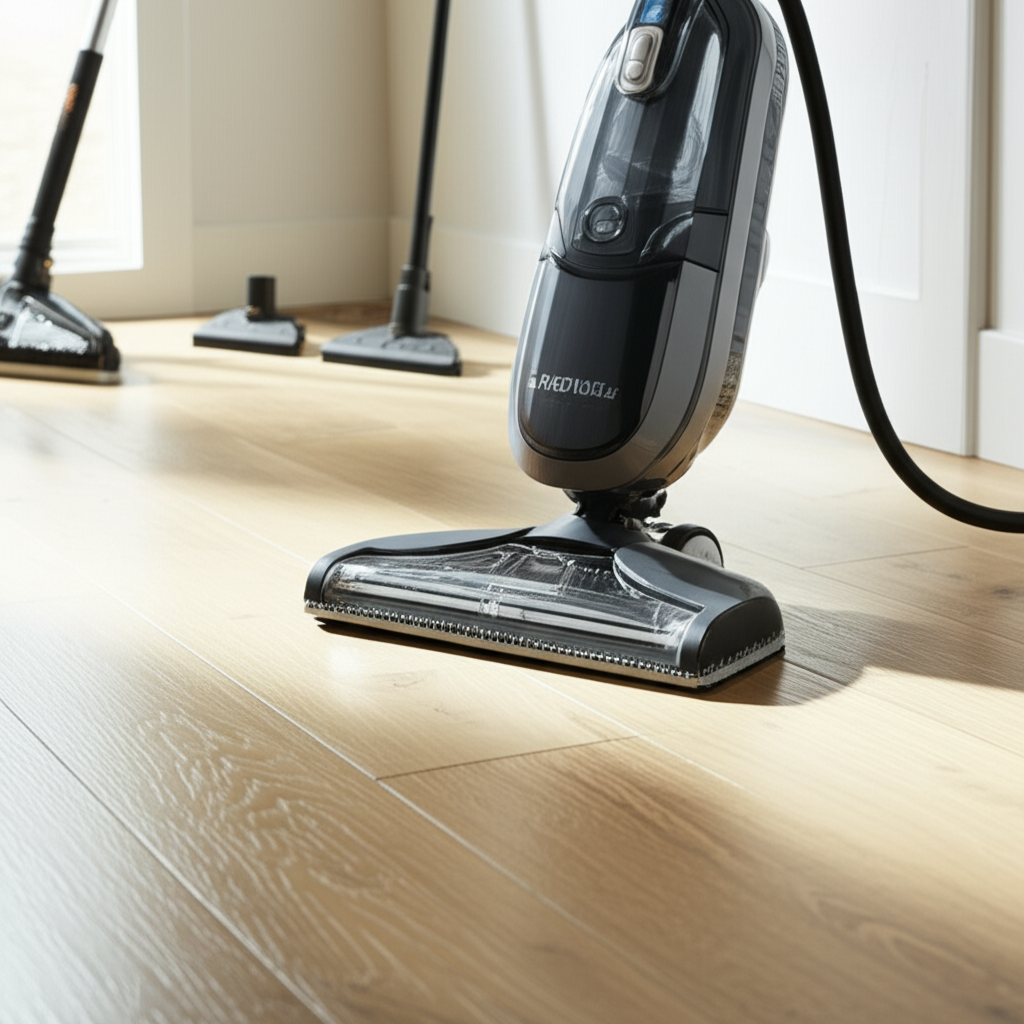
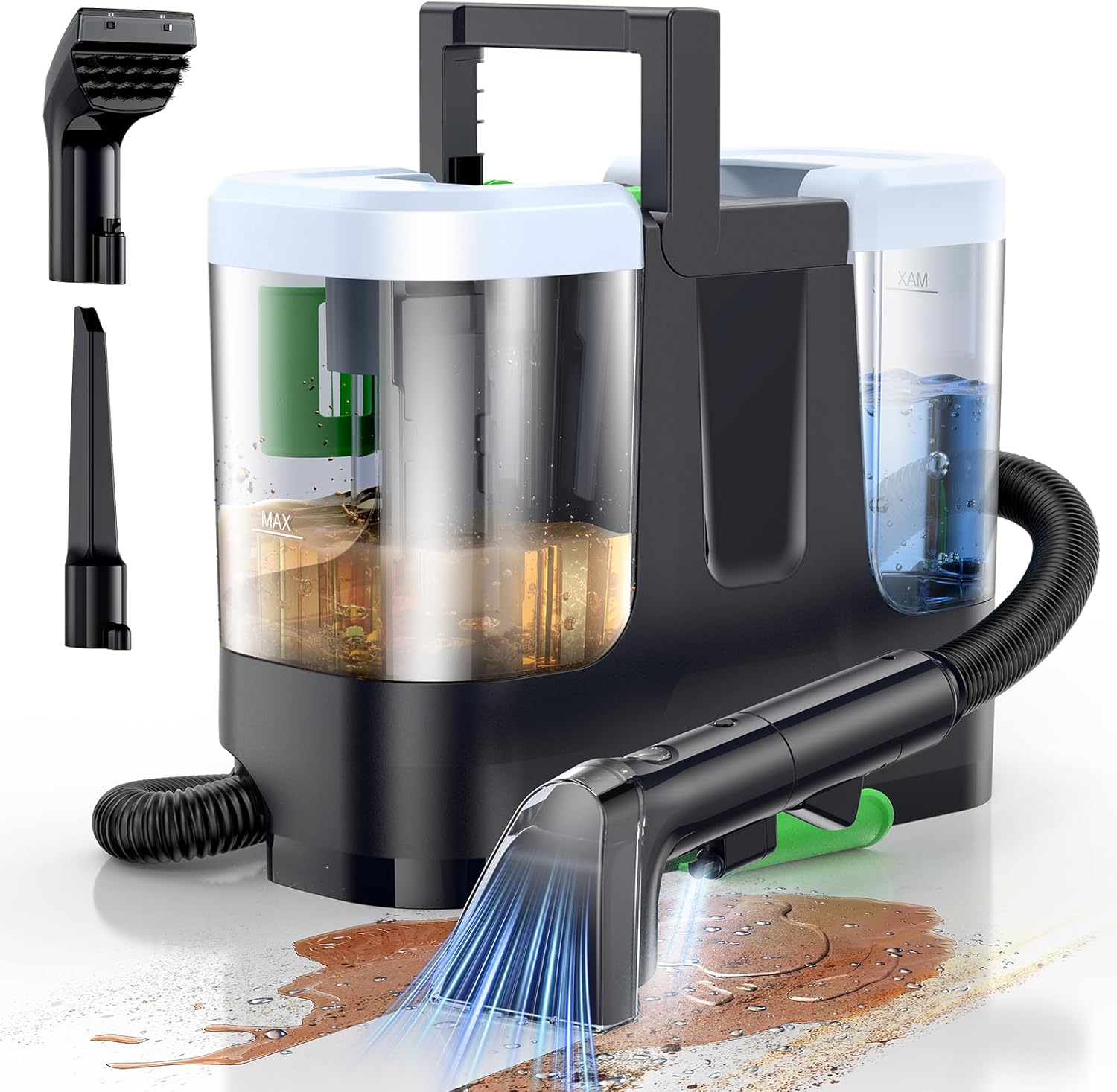
Best Steam Floor Cleaner: Genius Effortless Shine

The best steam floor cleaner offers a powerful, chemical-free way to sanitize and shine your floors, making them safe for family and pets.
Tired of scrubbing your floors endlessly? Do you worry about harsh chemicals near your kids or pets? Many of us dream of sparkling clean floors without all the hard work. Traditional mops can leave streaks and don’t truly sanitize. Vacuums are great for dirt, but they don’t kill germs. This is where the magic of a steam floor cleaner comes in. These clever devices use hot steam to lift dirt, grime, and kill bacteria, giving you a brilliant shine with minimal effort. Let’s explore how to find the best steam floor cleaner that will make your home shine effortlessly.
Why Choose a Steam Floor Cleaner for Your Home?
Steam floor cleaners are a modern marvel for home cleaning. They use the power of hot steam to clean and sanitize various floor types. This method is highly effective at tackling tough dirt and grease. It also kills a high percentage of common household bacteria and allergens without any chemicals. This makes them a fantastic choice for families, pet owners, and anyone sensitive to cleaning products.
Chemical-Free Cleaning: Steam cleaning relies on pure water and heat. This means no harsh fumes or residues left behind. It’s safer for children, pets, and the environment.
Deep Sanitization: The high temperature of steam effectively kills up to 99.9% of germs and bacteria. This is crucial for maintaining a healthy home environment.
Tackles Tough Grime: Steam loosens stubborn dirt, sticky messes, and greasy build-up. It makes cleaning much easier than with traditional methods.
Versatile Use: Many steam cleaners can be used on a variety of sealed floor types. This includes tile, laminate, hardwood, and vinyl.
Using a steam cleaner can transform your floor cleaning routine. It offers a more hygienic and efficient way to achieve a spotless shine.
Understanding How Steam Floor Cleaners Work
At its core, a steam floor cleaner is a specialized appliance. It heats water to a high temperature, creating pressurized steam. This steam is then directed onto the floor surface through a nozzle or mop head. The heat and moisture work together to break down dirt, grease, and grime. Simultaneously, the intense heat sanitizes the floor by killing microscopic organisms.
The process is quite simple:
1. Water Heating: You fill a water tank with tap or distilled water. The machine heats this water to create steam.
2. Steam Generation: The appliance converts water into high-temperature steam. This is often controlled by a trigger or button.
3. Steam Application: The steam is released through the mop head onto the floor. Some models have adjustable steam levels.
4. Cleaning Action: The steam loosens dirt and sanitizes the surface. You then glide the mop over the area to pick up the loosened grime.
This is a much more effective way to clean than simply pushing dirty water around with a traditional mop. The power of steam ensures a deeper clean.
Key Features to Look for in the Best Steam Floor Cleaner
When you’re shopping for the best steam floor cleaner, several features can make a big difference. Think about your home, your floors, and how you like to clean. These elements will help you choose a model that fits your needs perfectly.
Water Tank Capacity and Refill System: A larger tank means longer cleaning sessions without refilling. Some tanks are removable, making refills easier.
Heat-Up Time: How quickly does the cleaner produce steam? Faster heat-up times are more convenient for quick cleanups.
Steam Settings: Look for adjustable steam levels. This allows you to tailor the steam intensity to different floor types and cleaning tasks. High heat for tough jobs, lower heat for delicate surfaces.
Cord Length and Maneuverability: A long cord offers more freedom to move around. Swivel heads and lightweight designs make cleaning easier in tight spaces.
Attachments and Accessories: Some steam cleaners come with extra tools. These can include crevice tools, grout brushes, or upholstery attachments, making them more versatile.
Filter Type: Some models use filters to purify water and prevent mineral build-up. This can extend the life of the appliance.
Considering these features will guide you toward a steam cleaner that works best for your home.
Top Steam Floor Cleaner Models for a Genius Effortless Shine
Finding the absolute “best” steam floor cleaner depends on your specific needs and budget. However, several models consistently receive high praise for their performance and features. We’ve looked at popular options that offer a great balance of power, ease of use, and value.
Here are a few top contenders that excel in delivering that genius, effortless shine:
Model A (Example: Bissell PowerFresh Steam Mop): Often lauded for its effectiveness on sealed hard floors. It typically offers multiple steam settings and a quick heat-up time. Its dual-tank system separates clean and dirty water.
Model B (Example: Shark Steam Mop): Known for its lightweight design and easy maneuverability. Many Shark models come with useful attachments for different cleaning tasks. They often provide powerful, consistent steam.
Model C (Example: Dupray Neat Steam Cleaner): This is a more robust, canister-style steam cleaner. It’s ideal for deep cleaning and sanitizing not just floors but also other surfaces. It offers a higher steam temperature and pressure.
Each of these models has unique strengths. Model A might be perfect for everyday floor cleaning, while Model C could be your go-to for intensive sanitization.
How to Use Your Steam Floor Cleaner Effectively
Using a steam floor cleaner correctly ensures you get the best results and protect your floors. It’s a simple process, but a few tips can make a big difference. Always check your floor manufacturer’s recommendations before using any steam cleaner.
Step-by-Step Guide:
1. Prepare the Floor: Sweep or vacuum your floors thoroughly first. This removes loose debris so the steam can focus on dirt and grime.
2. Fill the Water Tank: Use distilled or demineralized water if your manufacturer recommends it. This prevents mineral build-up inside the machine. Do not overfill the tank.
3. Heat Up: Plug in the steam cleaner and turn it on. Allow it to heat up completely, which usually takes a minute or two.
4. Select Steam Setting: Choose the appropriate steam level for your floor type. Start with a lower setting if you’re unsure.
5. Clean Slowly: Glide the steam mop over the floor in a slow, steady motion. Overlap your passes slightly for thorough coverage. Avoid staying in one spot for too long, especially on delicate floors.
6. Let it Dry: Allow the floor to air dry completely before walking on it. Steam leaves floors damp, but they typically dry within minutes.
7. Empty and Clean: Once cooled, empty any remaining water from the tank. Clean the mop pads and store the appliance properly.
Following these steps will help you achieve that effortless shine. You’ll see how clean your floors can truly be.
Steam Floor Cleaners vs. Other Floor Cleaning Methods
Comparing steam cleaners to other methods highlights their unique advantages. Understanding these differences helps you choose the right tool for the job. Steam cleaning offers a compelling blend of cleaning power and hygiene.
| Feature | Steam Floor Cleaner | Traditional Mop & Bucket | Robotic Mop |
| :—————- | :——————————– | :——————————– | :————————— |
| Sanitization | High (kills 99.9% of germs) | Low (spreads bacteria) | Low (basic surface cleaning) |
| Chemicals | None required | Often requires cleaning solutions | Usually uses water or solution |
| Effort | Low to Moderate | High | Very Low |
| Drying Time | Fast (minutes) | Slow | Fast (minutes) |
| Deep Cleaning | Excellent for tough grime | Moderate | Limited |
| Floor Types | Sealed hard floors | Most hard floors | Primarily sealed hard floors |
Steam cleaners truly shine when it comes to deep sanitization and tackling stubborn dirt. While robotic mops offer convenience, they can’t match the germ-killing power of steam. Traditional mops are affordable but lack the hygienic benefits.
Maintaining Your Steam Floor Cleaner for Longevity
To ensure your best steam floor cleaner keeps performing at its peak, regular maintenance is key. This not only extends the life of the appliance but also ensures consistent cleaning power. Mineral deposits from tap water are the biggest enemy of steam cleaners.
Essential Maintenance Tips:
Use the Right Water: Always check your manual for water recommendations. Distilled or demineralized water is often best. This prevents limescale build-up.
Empty After Use: Never leave water sitting in the tank. Empty it completely after each use and let the tank air dry.
Clean the Mop Pads: Wash the reusable mop pads regularly. Follow the manufacturer’s instructions for washing and drying.
Descale Periodically: If you live in a hard water area, you may need to descale your machine. Use a descaling solution recommended by the manufacturer. This process usually involves running the solution through the steam cycle.
Wipe Down the Exterior: Keep the outside of your steam cleaner clean. A damp cloth is usually sufficient.
Proper care ensures your steam cleaner remains an effective tool for years. It keeps your floors hygienically clean with minimal fuss.
Safety Precautions for Using Steam Floor Cleaners
While steam cleaners are generally safe, hot steam can cause burns. Taking a few precautions ensures a safe cleaning experience for everyone. Always read and follow the user manual before operating your appliance.
Key Safety Tips:
Never Point Steam at People or Pets: The hot steam can cause severe burns. Always direct the steam away from living beings.
Allow to Cool Before Refilling or Storing: Hot components can cause burns. Wait until the appliance has cooled down.
Use on Appropriate Surfaces: Only use steam cleaners on sealed hard floors. Unsealed surfaces, porous materials, or delicate finishes can be damaged by steam.
Check for Damage: Before each use, inspect the power cord and the unit for any signs of damage. Do not use if damaged.
Unplug When Not in Use: Always unplug the appliance after use and before any maintenance.
Following these safety guidelines will help you enjoy the benefits of steam cleaning without any risks.
When to Choose a Handheld Steam Cleaner vs. a Floor Steamer
Steam cleaners come in various forms, with handheld units offering a different kind of versatility. While both use steam, their primary uses differ significantly. Understanding these differences helps you decide if a floor steamer or a handheld model (or both!) is right for you.
Floor Steamers:
These are designed for large floor areas. They are essentially steam mops that glide across the floor. They are excellent for quickly cleaning and sanitizing large expanses of tile, laminate, or sealed hardwood. Their larger water tanks and wider cleaning heads make them efficient for whole-room cleaning.
Handheld Steam Cleaners:
These are compact and portable. They are perfect for spot cleaning, detailed work, and cleaning surfaces beyond the floor. You can use them to:
Clean grout lines on tile floors.
Sanitize kitchen countertops and sinks.
Clean stovetops and oven interiors.
Refresh upholstery and curtains.
Clean bathroom fixtures and mirrors.
Some larger steam cleaner units also have detachable handheld components. This offers the best of both worlds, combining floor cleaning power with detailed sanitization capabilities. If you have a variety of cleaning tasks beyond just floors, a unit with a handheld option might be ideal.
FAQs About Steam Floor Cleaners
Q1: Can I use my steam floor cleaner on hardwood floors?
A: You can use a steam floor cleaner on sealed hardwood floors. Always use the lowest steam setting and ensure the floor is completely sealed. Avoid using it on waxed or unsealed wood, as moisture can cause damage. Check your floor manufacturer’s guidelines.
Q2: Do I need to use special cleaning solutions?
A: No, the beauty of steam cleaning is that it requires only water. Using cleaning solutions can damage the appliance and leave residues. Always use distilled or demineralized water if recommended by the manufacturer.
Q3: How often should I descale my steam cleaner?
A: This depends on your water hardness. In areas with hard water, you might need to descale every 1-3 months. In softer water areas, every 6 months or even annually may be sufficient. Always follow your manufacturer’s recommendations.
Q4: Will steam cleaning damage my grout?
A: Steam cleaning can be very effective on grout, helping to lift dirt and grime. However, if your grout is old, crumbly, or unsealed, prolonged exposure to high heat and pressure could potentially cause damage. Use a lower steam setting and consider a grout brush attachment for targeted cleaning.
Q5: How long does it take for floors to dry after steam cleaning?
A: Floors typically dry within a few minutes after steam cleaning. The exact drying time depends on the amount of steam used, the floor type, and the humidity in the room. It’s best to let the floor air dry completely before walking on it.
Q6: Are steam cleaners effective against allergens like dust mites and pet dander?
A: Yes, the high temperature of steam is very effective at killing dust mites, pet dander, mold spores, and other common allergens. This makes steam cleaners an excellent choice for allergy sufferers.
Conclusion: Embrace the Genius Shine with a Steam Floor Cleaner
The best steam floor cleaner is more than just a cleaning tool; it’s an investment in a healthier, more hygienic home. It offers an effortless way to achieve a brilliant shine without harsh chemicals. By understanding what to look for and how to use and maintain your appliance, you can transform your floor cleaning routine. Imagine floors that are not only visibly clean but also deeply sanitized, providing peace of mind for your family and pets.
Whether you choose a dedicated steam mop or a versatile unit with attachments, the power of steam is undeniable. Say goodbye to endless scrubbing and chemical worries. Embrace the genius effortless shine that only steam can provide. Explore our recommended models and start your journey to a cleaner, healthier home today.
For more tips on maintaining a sparkling home, be sure to subscribe to our newsletter!