
Best Stand Up Carpet Cleaner: Proven Clean

The best stand-up carpet cleaners offer powerful suction and effective stain removal for a spotless home, making them a must-have appliance for tackling tough messes on carpets and rugs.
When your carpets look dingy, it’s easy to feel overwhelmed. Stains, dirt, and everyday wear can make your floors look dull and uninviting. But what if there was a way to bring them back to life easily? A good stand-up carpet cleaner is like a superhero for your floors. It deep cleans like nothing else. This guide will help you find the best stand up carpet cleaner to make your home feel fresh and clean again.
What Makes a Stand-Up Carpet Cleaner the MVP for Your Home?
A stand-up carpet cleaner is a fantastic tool for keeping your carpets looking their best. It’s designed to work upright, much like a vacuum cleaner, making it comfortable to use. These machines deep clean by spraying a cleaning solution onto the carpet and then immediately sucking up the dirty water. This process removes stubborn stains and embedded dirt that regular vacuuming can’t touch. For many homes, especially those with pets or children, a reliable stand-up carpet cleaner is not just a convenience, but a necessity for maintaining a hygienic living space.
How to Choose the Best Stand Up Carpet Cleaner: Key Features to Look For
Picking the right stand-up carpet cleaner involves looking at several important features. You want a machine that works well and is easy to use. Think about the types of messes you usually deal with. Do you need something for pet accidents, general dirt, or tough food stains? The power of the motor, the tank capacity, and the brush design all play a big role in how well it cleans. Consider these aspects to find a model that perfectly suits your needs.
Powerful Suction: The Engine of Cleanliness
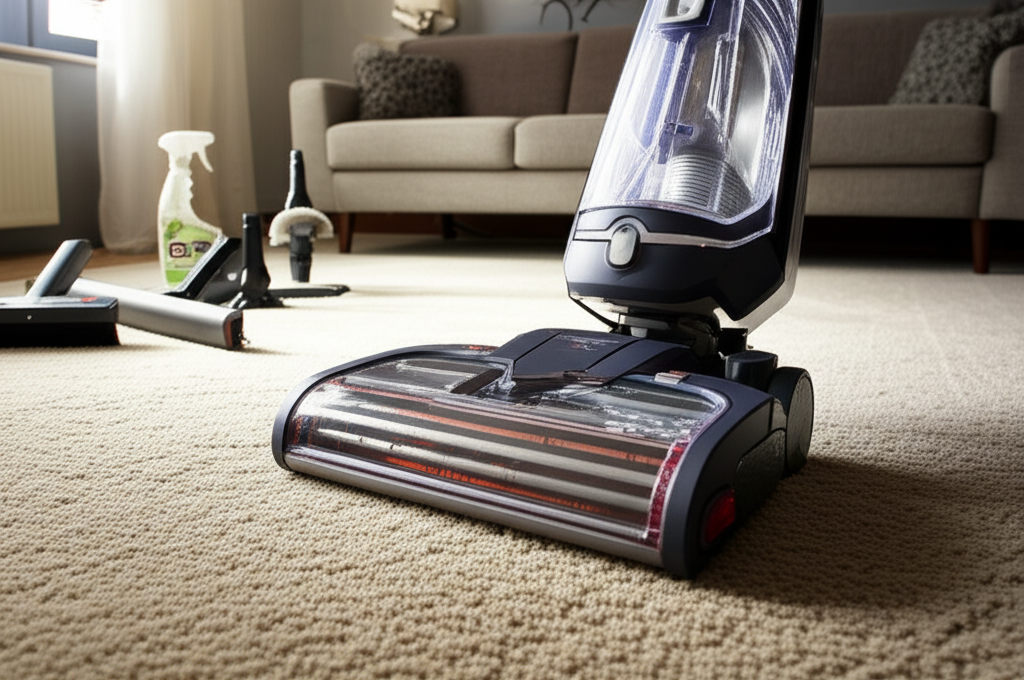
The suction power of a carpet cleaner is crucial. It determines how much dirty water the machine can pull out of your carpet. Stronger suction means your carpets will dry faster and feel cleaner. Look for models with high wattage motors, as this often translates to better suction. Some machines also have multiple suction settings, which can be helpful for different carpet types or dampness levels. Effective suction is key to preventing mildew and ensuring a thorough clean.
Tank Capacity: Less Refilling, More Cleaning
The size of the water tanks is another important factor. Carpet cleaners have two tanks: one for clean water (and solution) and one for dirty water. A larger clean water tank means you can clean a bigger area before needing to refill. A larger dirty water tank means you can clean longer before needing to empty it. If you have a large home or frequently clean large carpeted areas, opt for a model with a generous tank capacity. This saves you time and effort during cleaning sessions.
Brush System: Scrubbing Power for Stubborn Stains
The brushes are what agitate the carpet fibers to loosen dirt. Different cleaners have different brush types, like single brushes, dual brushes, or brushes with counter-rotating action. Dual rotating brushes are generally more effective at scrubbing out tough stains and lifting embedded grime. Some brushes are designed to be gentle on delicate carpets, while others are built for deep, aggressive cleaning. Consider the type of carpets you have and choose a brush system that matches their needs.
Weight and Maneuverability: Easy to Use, Easy to Store
A stand-up carpet cleaner can be heavy, especially when full of water. Think about how you will move the machine around your home. Look for models with sturdy wheels and comfortable handles. Some units are designed to be lighter or have features like swivel steering to make them easier to maneuver around furniture. Also, consider its size for storage. A compact design that can be easily stored in a closet or corner is a big plus.
Special Features: What Else Can It Do?
Many carpet cleaners come with extra features that enhance their performance. These can include:
HeatForce™ technology: Helps to dry carpets faster.
Edge-cleaning tools: Reach into corners and along baseboards.
Hose and upholstery attachments: For cleaning stairs, furniture, and car interiors.
Self-cleaning cycles: Make maintenance easier.
Dual tank design: Separates clean and dirty water for better hygiene.
These add-ons can make a big difference in how effective and convenient your carpet cleaning experience is. Think about which features would be most beneficial for your specific cleaning challenges.
Top Stand Up Carpet Cleaner Models for a Proven Clean
After researching and comparing various models, here are some of the best stand up carpet cleaner options available today. These machines stand out for their performance, durability, and user satisfaction. They are chosen based on their ability to tackle common household messes effectively and efficiently, ensuring a truly proven clean for your carpets.
1. Bissell ProHeat 2X Revolution Pet Pro
This model is a favorite among pet owners for good reason. It features powerful suction and a specialized pet-hair strainer to prevent clogs. The Heatwave Technology™ helps maintain the water temperature for optimal cleaning. It also comes with a tough stain tool for targeted cleaning.
Pros: Excellent for pet stains and odors, fast drying times, easy to assemble.
Cons: Can be a bit heavy when full.
Best for: Homes with pets, frequent stain emergencies.
The Bissell ProHeat 2X Revolution Pet Pro offers a robust solution for pet-related carpet issues. Its design focuses on deep cleaning and odor removal, making it a top choice for pet parents.
2. Hoover PowerDash Pet Compact Carpet Cleaner
The Hoover PowerDash is a more compact and lightweight option. It’s designed for quick cleanups and smaller spaces. Despite its size, it offers strong cleaning performance, especially for pet messes. Its two-speed brush roll helps lift dirt effectively.
Pros: Lightweight, easy to store, good value for the price.
Cons: Smaller tanks require more frequent refilling/emptying.
Best for: Apartments, smaller homes, quick stain removal.
This Hoover cleaner proves that you don’t need a bulky machine for effective carpet cleaning. It’s a practical choice for those who need a reliable tool for everyday spills and pet accidents.
3. Rug Doctor Deep Carpet Cleaner X3
Rug Doctor machines are known for their professional-grade cleaning power. The X3 model is designed for deep cleaning and restoring heavily soiled carpets. It features a powerful motor and a durable build, making it a long-lasting investment.
Pros: Professional-level cleaning, very durable, effective on old stains.
Cons: Can be loud and heavier than some other models.
Best for: Deep cleaning, heavily trafficked areas, restoring old carpets.
For those seeking a deep, restorative clean, the Rug Doctor X3 delivers. It’s built to handle tough jobs and bring carpets back to life, offering a proven clean for challenging situations.
4. Bissell Little Green Portable Carpet Cleaner
While not a stand-up model, the Bissell Little Green is a highly-rated portable cleaner perfect for spot cleaning. It’s incredibly effective at tackling small stains and spills quickly. Its compact size makes it easy to store and use for targeted cleaning.
Pros: Highly effective for spot cleaning, very portable, affordable.
Cons: Not suitable for cleaning entire rooms.
Best for: Quick spot treatments, small apartments, car interiors.
Even though it’s portable, the Little Green’s cleaning power is noteworthy. It’s an excellent companion to a stand-up cleaner for tackling immediate messes before they set.
Understanding Carpet Cleaner Technologies: What’s Under the Hood?
Modern carpet cleaners use various technologies to achieve their impressive cleaning results. Understanding these can help you choose a machine that best fits your cleaning needs. From powerful motors to specialized water systems, each component contributes to the overall effectiveness of the best stand up carpet cleaner.
The Magic of Hot Water Extraction
Most stand-up carpet cleaners use a method called hot water extraction, often referred to as steam cleaning (though it’s not true steam). This process involves spraying hot water mixed with a cleaning solution deep into the carpet fibers. The hot water helps to break down dirt and grime, while the solution lifts stains. Immediately after, the machine uses powerful suction to extract the hot water, dissolved dirt, and cleaning solution. This thorough process leaves carpets cleaner and more hygienic than surface-level cleaning methods. Research from institutions like the Carpet and Rug Institute (CRI) highlights the effectiveness of hot water extraction for deep cleaning and extending carpet life.
The Role of Cleaning Solutions
The cleaning solution you use is as important as the machine itself. These solutions are formulated to tackle specific types of stains and odors. Some are designed for general cleaning, while others are specialized for pet messes, tough grease, or delicate fibers. Always use a solution recommended by the carpet cleaner manufacturer to avoid damaging the machine or your carpets. Using the right solution ensures optimal cleaning performance and protects your investment in your carpets.
Advanced Brush Technologies
The brushes in a carpet cleaner are designed to agitate the carpet fibers. This agitation helps to loosen dirt that is embedded deep within the pile. Different machines use different brush designs, such as rotating brushes, counter-rotating brushes, or brushes with stiff bristles. The effectiveness of the brushes depends on the type of carpet and the nature of the dirt. For instance, softer brushes might be better for delicate carpets, while stiffer, faster-rotating brushes are ideal for heavy-duty cleaning.
Using Your Stand Up Carpet Cleaner Effectively: A Step-by-Step Guide
To get the most out of your best stand up carpet cleaner, follow these simple steps. Proper technique ensures you achieve a deep, satisfying clean every time. It also helps to extend the life of your machine and your carpets.
1. Prepare the Area: Before you begin, vacuum the carpet thoroughly. This removes loose dirt and debris, allowing the carpet cleaner to focus on embedded grime. Move light furniture out of the way if possible.
2. Mix the Solution: Fill the clean water tank with hot tap water and add the recommended amount of carpet cleaning solution. Do not use boiling water, as it can damage the machine.
3. Pre-treat Stains: For stubborn stains, apply a pre-treatment solution directly to the affected area. Let it sit for the time recommended on the product label before cleaning with the machine.
4. Begin Cleaning: Turn on the machine and press the trigger to dispense the cleaning solution. Slowly move the cleaner forward in a straight line.
5. Suction Only Pass: Release the trigger and slowly pull the machine backward over the same path. This step suctions up the dirty water.
6. Repeat as Needed: For heavily soiled areas, you may need to repeat the forward and backward passes multiple times. Overlap your strokes to ensure even coverage.
7. Rinse (Optional but Recommended): After cleaning with solution, you can refill the tank with clean water only and go over the carpet again. This rinses out any remaining cleaning solution, helping to prevent residue buildup.
8. Dry Thoroughly: Allow the carpet to dry completely before walking on it. Good ventilation, like opening windows or using fans, can speed up the drying process.
9. Clean the Machine: After each use, empty and rinse both tanks thoroughly. Clean the brushes and nozzles according to the manufacturer’s instructions. This keeps your machine in good working order and prevents odors.
Following these steps will help you achieve the best possible results from your carpet cleaner. A clean machine means a cleaner home.
Maintenance Tips for Your Carpet Cleaner
Keeping your carpet cleaner in good shape is essential for its longevity and performance. Regular maintenance ensures it always functions at its best. These simple steps will help you maintain your best stand up carpet cleaner.
Empty and Rinse Tanks After Every Use
This is the most critical maintenance step. After each cleaning session, empty both the clean and dirty water tanks. Rinse them thoroughly with fresh water to remove any residual cleaning solution or dirt. This prevents mold, mildew, and unpleasant odors from developing.
Clean the Nozzles and Brushes
Dirt and debris can get trapped in the machine’s nozzles and brushes. Regularly check these areas and clean them according to the manufacturer’s instructions. Some machines have a self-cleaning cycle, which is very helpful. For others, you might need to use a small brush or cloth to remove any lodged particles.
Inspect the Filter and Hoses
If your carpet cleaner has a filter, check it periodically and clean or replace it as needed. Inspect the hoses for any kinks or blockages. A clear path for water and air ensures optimal suction and cleaning performance.
Store Properly
Store your carpet cleaner in a dry place. Ensure all parts are completely dry before storing to prevent any moisture-related issues. If possible, store it in its original location or a designated cleaning closet.
Proper maintenance not only extends the life of your appliance but also ensures that every cleaning session is as effective as the first.
When to Call the Professionals vs. DIY with a Stand Up Cleaner
While a best stand up carpet cleaner is incredibly effective for everyday messes and regular deep cleaning, there are times when professional cleaning is a better option. Understanding these distinctions can save you time, money, and potential damage to your carpets.
DIY with a Stand Up Carpet Cleaner Is Best For:
Routine Deep Cleaning: Annually or semi-annually cleaning your carpets to remove general dirt and allergens.
Pet Accidents: Quickly addressing spills, vomit, or urine before they set into the carpet fibers.
Food and Drink Spills: Tackling fresh stains from coffee, wine, or other common household mishaps.
High-Traffic Areas: Maintaining the appearance of areas like hallways and living rooms.
Smaller Homes or Apartments: Where professional services might be cost-prohibitive for frequent cleanings.
The convenience and cost-effectiveness of a stand-up cleaner make it ideal for regular home maintenance. It allows you to tackle messes as they happen and keep your carpets looking fresh.
Professional Carpet Cleaning Is Recommended For:
Deepest Possible Clean: Professionals have more powerful equipment that can extract more water and dirt than most home units. According to the EPA, professional cleaning can remove more allergens and bacteria from carpets.
Old, Set-In Stains: Stains that have been present for a long time may require specialized solutions and equipment that a home unit cannot provide.
Delicate or Expensive Carpets: Certain materials like silk, wool, or antique rugs may require specialized cleaning techniques to avoid damage.
Severe Mold or Mildew Issues: If you suspect mold growth within your carpets, professionals have the tools and expertise to address it safely and effectively.
* When You Lack Time or Energy: Sometimes, the sheer effort of deep cleaning can be overwhelming, and hiring professionals is a worthwhile investment.
For most homeowners, a quality stand-up carpet cleaner provides a fantastic balance of performance and accessibility for maintaining a clean and healthy home.
Frequently Asked Questions About Stand Up Carpet Cleaners
Here are some common questions people have about using stand-up carpet cleaners. Getting these answers can help you make the most of your cleaning appliance.
Q1: How often should I deep clean my carpets with a stand-up cleaner?
For most homes, deep cleaning your carpets once or twice a year is sufficient. However, if you have pets, children, or allergies, you might want to clean them more frequently, perhaps every 3-6 months.
Q2: Can I use any cleaning solution in my carpet cleaner?
It’s best to use only cleaning solutions specifically designed for carpet cleaners and recommended by the manufacturer of your machine. Using the wrong solution can damage the carpet or the machine, and may void your warranty.
Q3: How long does it take for carpets to dry after using a cleaner?
Drying time can vary depending on the humidity, ventilation, and the amount of water used. Generally, carpets take between 6 to 24 hours to dry completely. Using fans and opening windows can speed up the process.
Q4: My carpet cleaner isn’t picking up all the water. What could be wrong?
This could be due to a few things: the dirty water tank might be full, the air/water intake filter could be clogged, or the suction motor might be malfunctioning. Check the tank first, then the filter, and consult your manual if the problem persists.
Q5: Can I use a carpet cleaner on area rugs?
Most stand-up carpet cleaners are suitable for synthetic area rugs. However, always check the rug’s care label and the carpet cleaner’s manual. Delicate materials like wool, silk, or antique rugs may require professional cleaning.
Q6: How do I prevent my carpet cleaner from smelling bad?
The best way is to rinse and dry the tanks and components thoroughly after each use. Storing the machine in a well-ventilated area also helps. If an odor develops, a cleaning cycle with just water or a specialized cleaner can often resolve it.
Conclusion: Finding Your Best Stand Up Carpet Cleaner
Choosing the best stand up carpet cleaner means finding a machine that fits your lifestyle and cleaning needs. Whether you’re battling pet stains, everyday spills, or just want to refresh your home’s carpets, there’s a model out there for you. Consider factors like suction power, tank size, brush system, and special features. Brands like Bissell and Hoover offer excellent options for various budgets and cleaning challenges. Investing in a quality carpet cleaner will not only keep your floors looking great but also contribute to a healthier, more comfortable home environment. Explore the options, read reviews, and select the one that promises a proven clean for your cherished carpets.
If you found this guide helpful, consider subscribing to HomeHygia for more expert advice on home cleaning appliances and maintaining a spotless living space.
