Best Solution For Carpet Cleaning: Proven Effortless Results

The best solution for carpet cleaning involves understanding your carpet type and choosing the right appliance, method, or professional service for deep, effortless, and lasting results that refresh your home.
Carpets can make a house feel cozy. But they also trap dirt, dust, and stains. Cleaning them can feel like a huge chore. You might wonder, “What is the absolute best solution for carpet cleaning?” This article will guide you. We’ll explore easy ways to get truly clean carpets. You’ll learn how to achieve effortless results that make your home feel fresh and new again.
Understanding Carpet Cleaning Challenges
Carpets are like big sponges for your home. They soak up spills, dirt from shoes, and even pet dander. Over time, this build-up can make carpets look dull and smell bad. Regular vacuuming helps, but it can’t always get the deep-down grime. This is where specialized carpet cleaning comes in. Without the right approach, carpets can harbor allergens and look less inviting.
Why Deep Carpet Cleaning Matters
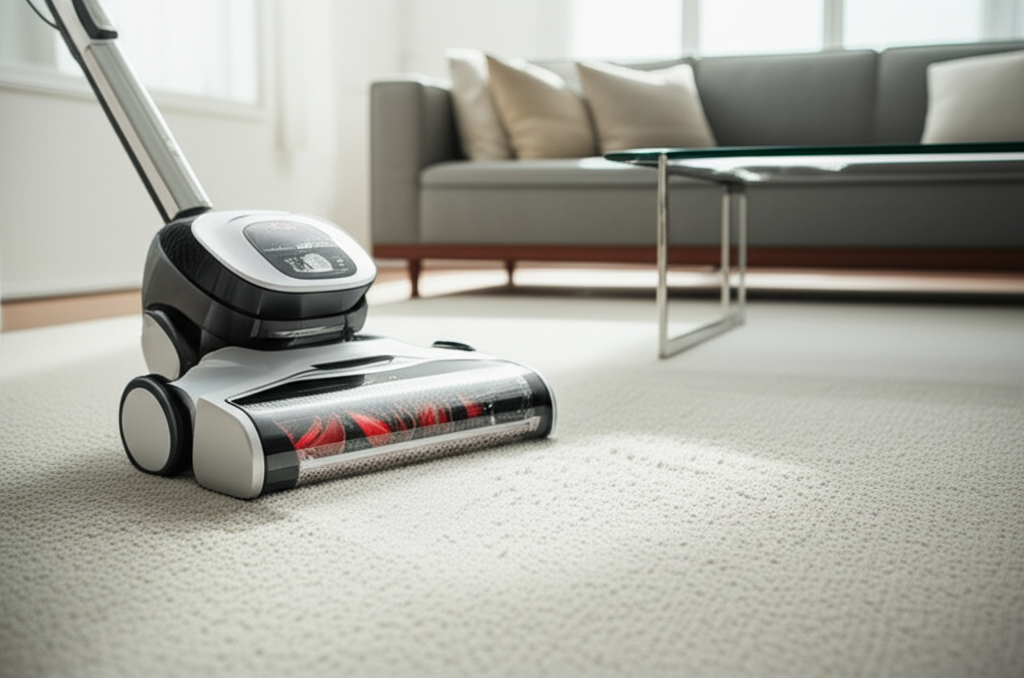
Deep carpet cleaning removes more than just surface dirt. It tackles embedded soil, allergens like dust mites and pet dander, and tough stains. This is crucial for home hygiene. A study by the U.S. Environmental Protection Agency (EPA) highlights how carpets can affect indoor air quality. Keeping them clean helps create a healthier living space for everyone.
Choosing Your Best Carpet Cleaning Solution
The “best” solution depends on your needs. Are you looking for quick spot treatment? Or a whole-home deep clean? Maybe you want a machine you can use yourself. Or perhaps professional help is the way to go. Let’s break down the options.
DIY Carpet Cleaning Machines
These machines bring professional cleaning power into your home. They use water and cleaning solutions to lift dirt. They then suck up the dirty water. This leaves your carpet cleaner and fresher.
Types of DIY Carpet Cleaners
There are a few main types:
Carpet Extractors (Deep Cleaners): These are the most powerful for DIY. They spray water and solution deep into the fibers. Then, they have strong suction to pull it all back up.
Carpet Sweepers/Shampooers: These often use rotating brushes to scrub the carpet. Some spray solution, while others rely on a foam. Suction power can vary greatly.
Portable Spot Cleaners: These are smaller and designed for quick stain removal. They are great for pet accidents or small spills.
Benefits of DIY Machines
Using your own machine gives you control. You can clean when you want, as often as you need. It can be more cost-effective over time than hiring professionals repeatedly. Modern machines are also easier to use than older models.
Many homeowners find that owning a good carpet extractor is the best solution for carpet cleaning when dealing with frequent spills or pets.
Professional Carpet Cleaning Services
Professionals have powerful equipment and expertise. They can often achieve deeper cleaning than home machines. They also know how to handle different carpet types and tough stains.
When to Call the Pros
Consider professional cleaning for:
Very old or delicate carpets.
Stubborn, large stains that DIY methods can’t remove.
Annual deep cleaning to maintain carpet health.
When you lack the time or physical ability for DIY cleaning.
How Professionals Work
Most professional services use hot water extraction (steam cleaning). They use high-powered machines that inject hot water and cleaning solution. Powerful vacuums then extract the moisture and dirt. Some may also offer dry cleaning methods.
A professional deep clean is often the most effective solution for carpet cleaning for a truly revitalized carpet.
Top Carpet Cleaning Appliances: HomeHygia Picks
At HomeHygia, we test many cleaning gadgets. For carpets, we look for power, ease of use, and effectiveness. Here are some types of appliances that stand out.
Powerful Deep Carpet Extractors
These are the workhorses for serious carpet cleaning. They are designed to penetrate deep into carpet fibers. They lift out embedded dirt and allergens effectively.
Key Features: Strong suction, separate clean and dirty water tanks, good brush action, and multiple cleaning modes.
Why They’re Great: They offer a near-professional clean at home. You can tackle large areas or focus on specific problem spots.
Considerations: They can be bulky and require some effort to maneuver. Proper rinsing is key to avoid residue.
Versatile Spot Cleaners for Quick Fixes
When spills happen, you need a solution fast. Spot cleaners are your best friend. They are small, portable, and perfect for immediate action.
Key Features: Lightweight design, easy-to-fill tanks, targeted spray and suction.
Why They’re Great: They save carpets from becoming permanently stained. They are much more effective than just blotting with a cloth.
Considerations: Not suitable for cleaning entire rooms. They are best for targeted cleaning.
Many users report that a good spot cleaner is the best solution for carpet cleaning when it comes to everyday accidents.
Steam Cleaners for Sanitization
While not always ideal for all carpet types, steam cleaners can be effective. They use hot steam to loosen dirt and kill bacteria. This can be a great chemical-free option.
Key Features: High-temperature steam generation, often with a scrubbing brush.
Why They’re Great: Steam sanitizes carpets, killing germs and dust mites. It can lift certain types of stains.
Considerations: Always check your carpet manufacturer’s recommendations. High heat can damage some synthetic fibers. Moisture can also be an issue if not dried properly.
Effortless Carpet Cleaning Techniques
Getting great results doesn’t always mean hard work. Smart techniques make the job easier.
Pre-Treating Stains
Always treat stains before you start general cleaning. This helps break down the stain. It makes it easier for your machine or solution to lift it.
How to Do It:
1. Blot up excess liquid with a clean cloth.
2. Apply a carpet stain remover.
3. Let it sit for the recommended time.
4. Then, proceed with your main cleaning method.
Using the Right Cleaning Solutions
The cleaning solution you use is vital. Choose one designed for your carpet type and the type of dirt or stain you’re dealing with.
Consider:
Enzymatic Cleaners: Excellent for pet stains and organic matter.
General Carpet Shampoos: For everyday dirt and grime.
Wool-Safe Cleaners: For carpets made of natural wool fibers.
Using a pre-treatment is often the best solution for carpet cleaning when facing stubborn spots.
Proper Machine Usage
Read your appliance manual carefully. Follow the instructions for filling tanks and using attachments. Don’t over-wet the carpet.
Tips for Success:
Work in sections.
Make slow, overlapping passes.
Do a rinse pass with clean water afterward.
Ensure good ventilation for faster drying.
Maintaining Your Carpet for Long-Term Cleanliness
Keeping carpets clean is an ongoing process. Regular maintenance prevents deep, hard-to-clean messes.
The Power of Regular Vacuuming
Vacuuming at least once or twice a week is essential. This removes loose dirt and debris before it gets ground in.
Vacuuming Best Practices:
Use a vacuum with good suction and a beater bar.
Make slow, overlapping passes.
Vacuum in different directions to lift fibers.
Empty the vacuum bag or canister regularly.
Dealing with Spills Immediately
The faster you address a spill, the easier it is to remove. Don’t let stains set in.
Immediate Action Steps:
1. Blot, don’t rub, the spill.
2. Use a clean white cloth to absorb moisture.
3. Work from the outside of the stain inward.
Professional Cleanings Annually
Even with diligent home care, an annual professional deep clean is beneficial. It helps maintain carpet fibers and removes what home machines might miss. This is a great investment in your home’s health and appearance.
Regular vacuuming and prompt spill cleanup are key to making any cleaning solution the best solution for carpet cleaning.
Advanced Carpet Cleaning Technologies
Technology is always improving home cleaning. New appliances offer better ways to clean carpets.
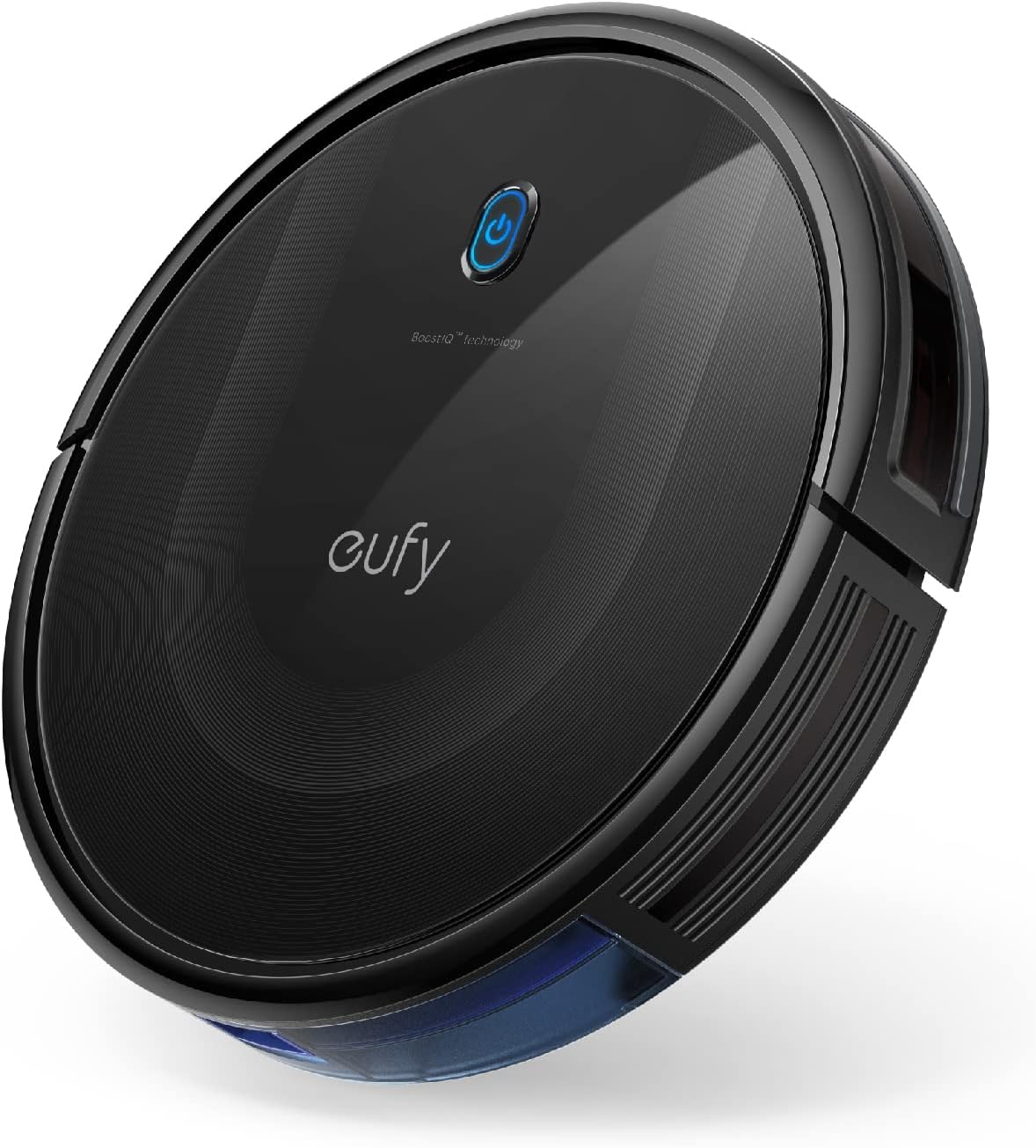
Robotic Carpet Cleaners
These smart devices can autonomously clean your carpets. They map your rooms and navigate around furniture.
Pros: Convenience, regular maintenance cleaning, can reach under furniture.
Cons: Generally less powerful than upright extractors, may not handle heavy soiling or large stains well.
Combination Washer-Dryers
Some newer appliances combine washing and drying functions for carpets. This can speed up the process.
Pros: Reduced drying time, convenience.
Cons: Can be more expensive, may have smaller capacities.
HomeHygia’s Expert Carpet Cleaning Checklist
To ensure you achieve effortless results, follow this simple checklist.
1. Assess Your Carpet: What type of fiber is it? What kind of dirt or stains do you have?
2. Choose Your Method: DIY machine, professional service, or spot cleaner?
3. Gather Supplies: Vacuum, chosen cleaner (machine or solution), cloths, pre-treatment.
4. Prepare the Area: Vacuum thoroughly. Pre-treat any visible stains.
5. Clean the Carpet: Follow appliance instructions or professional guidance. Don’t over-wet.
6. Rinse (if applicable): Use clean water to remove cleaning solution residue.
7. Dry Thoroughly: Ensure good ventilation. Use fans if needed. Avoid walking on wet carpets.
8. Post-Clean Vacuum: Once dry, vacuum again to lift fibers.
Following a structured approach like this checklist is often the best solution for carpet cleaning for consistent, great outcomes.
Comparing Carpet Cleaning Methods
Here’s a quick look at how different methods stack up.
| Method | Best For | Pros | Cons |
| :——————– | :——————————————- | :—————————————————————- | :———————————————————————- |
| Home Extractor | Regular deep cleaning, moderate soiling | Cost-effective over time, convenient, good for frequent use | Requires effort, can be bulky, not as powerful as professional |
| Professional Service | Heavy soiling, tough stains, delicate carpets | Deepest clean, powerful equipment, expert knowledge, time-saving | More expensive per session, scheduling required, less control |
| Spot Cleaner | Quick stain removal, small areas | Fast action, portable, easy to use for emergencies | Not for large areas, less powerful suction |
| Steam Cleaner | Sanitizing, some stain types, chemical-free | Kills germs, sanitizes, chemical-free option | Risk of heat damage to some carpets, can leave carpets too wet |
| Robotic Cleaner | Light maintenance cleaning, busy households | Automated, convenient, regular upkeep | Less power, may miss spots, not for heavy dirt or stains |
For many, a combination of regular vacuuming and an annual professional cleaning offers the best solution for carpet cleaning.
Common Carpet Cleaning Myths Debunked
Let’s clear up some common misunderstandings.
Myth: Rubbing a stain removes it faster.
Fact: Rubbing can spread the stain and damage carpet fibers. Always blot.
Myth: Using more soap cleans better.
Fact: Too much detergent leaves residue that attracts dirt. Use recommended amounts.
Myth: Steam cleaning is always the best for all carpets.
Fact: High heat can damage certain carpet fibers. Always check your carpet type.
Frequently Asked Questions
What is the single best solution for carpet cleaning?
The best solution for carpet cleaning is often hot water extraction performed by professionals. For DIY, a powerful deep carpet extractor machine is the closest you can get to professional results.
How often should I deep clean my carpets?
You should deep clean carpets every 12-18 months. If you have pets or high traffic, consider doing it every 6-12 months.
Can I use a regular vacuum cleaner to clean carpets?
A regular vacuum cleaner is good for surface dirt. It is not a deep cleaning solution. For deep cleaning, you need an extractor or professional service.
Are there any natural carpet cleaning solutions?
Yes, vinegar and water solutions can work for some stains. Baking soda can help with odors. However, they are not as powerful as commercial cleaners for deep cleaning.
What should I do if I don’t know my carpet type?
If unsure, err on the side of caution. Use gentle cleaning solutions and methods. For expensive or delicate carpets, professional cleaning is always the safest bet.
How long does it take for carpets to dry after cleaning?
Drying time varies. It can take 4-12 hours for a carpet to dry after extraction. Good ventilation and fans can speed this up.
Conclusion: Your Path to Effortless Carpet Cleanliness
Achieving a clean and fresh carpet doesn’t have to be a daunting task. By understanding the challenges carpets face and the variety of solutions available, you can make an informed choice. Whether you opt for the convenience of a powerful DIY machine like a HomeHygia-recommended extractor, the deep-cleaning expertise of professionals, or the quick action of a spot cleaner, the key is consistency and the right approach.
Regular maintenance through vacuuming and immediate spill treatment will maximize the effectiveness of any chosen method. For many, a combination of diligent home care and periodic professional attention provides the best solution for carpet cleaning, ensuring your carpets remain a beautiful and hygienic part of your home for years to come. Explore the options that best fit your lifestyle and carpet needs.