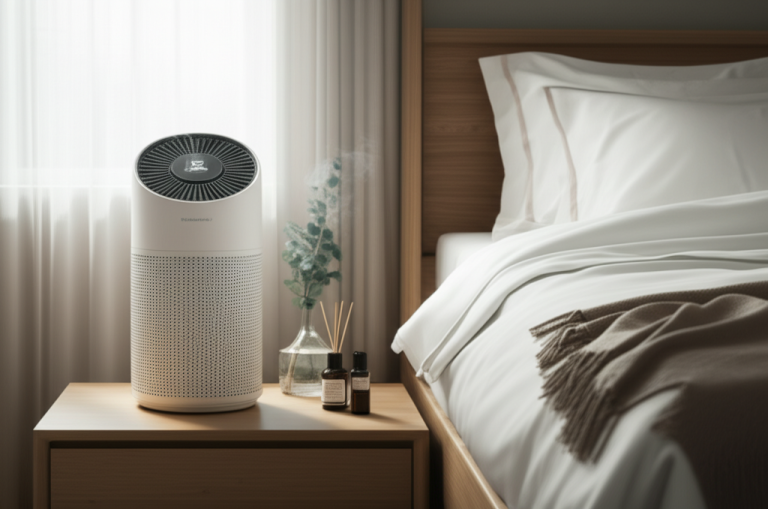
Best Small Room Air Purifier: Proven Clean Air

Breathe easier in compact spaces with the best small room air purifier, expertly chosen to deliver proven clean air and tackle allergens, dust, and odors effectively.
Best Small Room Air Purifier: Proven Clean Air for Your Sanctuary
Living in a smaller space doesn’t mean sacrificing air quality. Whether it’s a dorm room, home office, or nursery, a dedicated air purifier can make a world of difference. Many people struggle with stale air, lingering odors, or the constant battle against dust and allergens in their personal spaces. You deserve to breathe fresh, clean air in every corner of your home, and finding the right compact solution is key to achieving that. This guide will walk you through everything you need to know to select the best small room air purifier for your needs, ensuring a healthier and more comfortable environment.
Why Small Room Air Purifiers Are Essential
Small room air purifiers are specifically designed to tackle air quality issues in more confined areas. These units are more energy-efficient and cost-effective than their larger counterparts, making them ideal for individual rooms. They are particularly beneficial for those with allergies, asthma, or sensitivities to airborne pollutants like pet dander, pollen, and mold spores. Investing in a quality unit means fewer sniffles, better sleep, and an overall improved sense of well-being within your personal space.
The Impact of Indoor Air Quality on Health
Indoor air can often be more polluted than outdoor air, containing a cocktail of volatile organic compounds (VOCs), allergens, and particulate matter. Poor indoor air quality is linked to a range of health problems, including respiratory issues, headaches, fatigue, and exacerbation of allergies and asthma symptoms. A good air purifier acts as a vital line of defense, actively removing these harmful contaminants.
Understanding Your Air Purification Needs
Before diving into specific models, consider what you want your air purifier to achieve. Are you primarily concerned about pet dander, dust, smoke, or strong odors? Knowing your main concerns will help narrow down the features and filter types you should prioritize. This personalization ensures you get the most effective solution for your unique environment.
Key Features to Look for in the Best Small Room Air Purifier
When selecting the best small room air purifier, several features stand out. Look for models with multi-stage filtration systems, including a pre-filter, HEPA filter, and activated carbon filter, to capture a wide range of pollutants. Coverage area, noise level, energy efficiency, and ease of maintenance are also crucial considerations for optimal performance and user satisfaction.
HEPA Filtration: The Gold Standard
True HEPA (High-Efficiency Particulate Air) filters are the cornerstone of effective air purification. They are designed to capture at least 99.97% of airborne particles as small as 0.3 microns. This includes dust mites, pollen, pet dander, mold spores, and even some bacteria and viruses.
Activated Carbon for Odor and VOC Removal
Beyond particulate matter, many small room air purifiers incorporate activated carbon filters. These filters excel at adsorbing odors from cooking, pets, and smoke, as well as harmful volatile organic compounds (VOCs) emitted by cleaning products, furniture, and paints. A robust carbon filter is essential for truly fresh-smelling air.
CADR: Clean Air Delivery Rate Explained
The Clean Air Delivery Rate (CADR) is a standardized measure of how quickly an air purifier can clean the air in a room. It’s measured for three pollutants: dust, pollen, and smoke. A higher CADR indicates a more powerful and efficient unit, capable of purifying your space faster.
Coverage Area and Room Size Suitability
It’s vital to match the air purifier’s coverage area to the size of your room. Most manufacturers specify the recommended square footage for their units. Overestimating or underestimating can lead to inefficient operation or inadequate purification. Always check the CADR and recommended room size to ensure a good fit.
Noise Levels: Peaceful Purification
For small rooms, especially bedrooms or offices, noise level is a significant factor. Look for purifiers with low decibel ratings, particularly on their lowest settings. Many models offer a “sleep mode” or ultra-quiet operation, ensuring they won’t disrupt your rest or concentration.
Energy Efficiency and Running Costs
Consider the energy consumption of the air purifier, especially if it will be running for extended periods. Look for Energy Star certified models, which indicate higher energy efficiency. While initial cost is important, factor in the ongoing cost of electricity and replacement filters for a complete picture.
Top Picks for the Best Small Room Air Purifier in [Current Year]
After extensive research and considering performance, features, and value, I’ve identified some of the best small room air purifiers that consistently deliver proven clean air. These models excel in their respective categories, offering effective filtration and user-friendly designs for compact living spaces.
1. Levoit Core 300: The All-Around Champion
The Levoit Core 300 is a perennial favorite for a reason. It offers a robust 3-stage filtration system (pre-filter, True HEPA, activated carbon) in a compact, cylindrical design. Its quiet operation and affordable replacement filters make it an excellent value. This model is ideal for bedrooms, dorm rooms, and small living areas up to 219 sq. ft.
Pros: Compact design, effective 3-stage filtration, quiet operation, affordable.
Cons: Not ideal for very large small rooms, filter replacement needed every 6-8 months.
The Levoit Core 300 consistently proves its worth by effectively tackling common airborne irritants. Its user-friendly interface and reliable performance make it a top choice for many seeking cleaner air in their personal spaces.
2. Coway AP-1512HH Mighty: Powerful Performance in a Small Package
Often hailed as one of the best overall air purifiers, the Coway AP-1512HH Mighty, despite its slightly larger footprint than some ultra-compact models, is exceptionally effective for rooms up to 361 sq. ft. It features a multi-stage filtration system, including a True HEPA filter and an advanced carbon filter, along with an ionizer (which can be turned off). Its smart sensor adjusts fan speed automatically based on air quality.
Pros: Excellent filtration, auto mode, air quality indicator, robust for its size.
Cons: Can be slightly louder on higher settings, ionizer option.
The Coway Mighty’s intelligent design and powerful performance ensure it’s a top contender for those who demand superior air cleaning. Its ability to adapt to changing air conditions provides consistent peace of mind.
3. Blueair Blue Pure 411 Auto: Sleek Design Meets Smart Functionality
The Blueair Blue Pure 411 Auto is a stylish and compact unit perfect for smaller rooms up to 161 sq. ft. It utilizes a unique combination of electrostatic and mechanical filtration (HEPASilent technology) to capture particles effectively. The auto mode adjusts fan speed based on its integrated air quality sensor, and its washable fabric pre-filters come in various colors to match your decor.
Pros: Attractive design, quiet, energy-efficient, auto mode, washable pre-filter.
Cons: Primary filter replacement needed annually, less effective against odors compared to heavy carbon filters.
Blueair’s innovative HEPASilent technology in the Blue Pure 411 Auto provides whisper-quiet yet powerful air purification. Its smart auto mode and stylish design make it a seamless addition to any small room.
4. Winix 5500-2: A Feature-Rich Option
While often recommended for medium-sized rooms, the Winix 5500-2 can be an excellent choice for larger “small” rooms or if you want extra power. It boasts a 4-stage filtration system, including a True HEPA filter, an advanced activated carbon filter derived from coal, and Winix’s PlasmaWave technology (also optional). Its auto mode and air quality sensor are highly responsive.
Pros: Comprehensive filtration, auto mode, air quality sensor, effective for allergens and odors.
Cons: Larger than some other small room purifiers, PlasmaWave technology is a personal preference.
The Winix 5500-2 offers a comprehensive approach to air purification, effectively tackling a wide spectrum of pollutants. Its advanced features and robust filtration make it a compelling option for those prioritizing air quality.
5. Pure Enrichment PureZone Mini: Budget-Friendly and Effective
For those on a tighter budget, the Pure Enrichment PureZone Mini is a fantastic option for very small spaces like deskside or bedside use (up to 150 sq. ft.). It features a 3-stage filtration system, including a pre-filter, True HEPA filter, and an activated carbon filter. It’s compact, quiet, and delivers noticeable improvements in air quality for its price point.
Pros: Very affordable, compact, quiet, effective for its size and price.
Cons: Limited coverage area, not as feature-rich as premium models.
The Pure Enrichment PureZone Mini proves that effective air purification doesn’t have to break the bank. It’s a reliable and budget-friendly choice for small personal spaces.
Comparing the Best Small Room Air Purifiers
To help you visualize the differences, here’s a quick comparison of some of the top contenders for the best small room air purifier:
| Model | Recommended Room Size (sq. ft.) | CADR (Dust/Pollen/Smoke) | Filter Type | Noise Level (dB) | Special Features |
| :——————— | :—————————— | :———————– | :———————- | :————— | :————————————————— |
| Levoit Core 300 | 219 | 141/140/137 | 3-Stage (Pre, HEPA, AC) | 24-50 | Compact, Quiet, Sleep Mode |
| Coway AP-1512HH Mighty | 361 | 126/132/117 | 4-Stage (Pre, HEPA, AC, Deodorizer) | 23-54 | Auto Mode, Air Quality Indicator, Eco Mode |
| Blueair Blue Pure 411 Auto | 161 | N/A (HEPASilent) | 2-Stage (Electrostatic + Mechanical) | 17-46 | Auto Mode, Washable Pre-filter, Sleek Design |
| Winix 5500-2 | 360 | 232/243/231 | 4-Stage (Pre, HEPA, AC, PlasmaWave) | 28-54 | Auto Mode, Air Quality Sensor, PlasmaWave (Optional) |
| Pure Enrichment Mini | 150 | N/A | 3-Stage (Pre, HEPA, AC) | 30-50 | Budget-Friendly, Compact, Quiet |
This table highlights how different models cater to varying room sizes and feature sets, helping you pinpoint the best small room air purifier for your specific requirements.
How to Maximize Your Small Room Air Purifier’s Effectiveness
Simply buying the best small room air purifier isn’t enough; proper placement and maintenance are key to ensuring it performs optimally. Following a few simple guidelines will help you get the most out of your investment and enjoy consistently clean air.
Optimal Placement for Air Circulation
Place your air purifier in a location where air can circulate freely around it. Avoid placing it directly against walls, behind furniture, or in tight corners. Ideally, position it in a high-traffic area of the room or near the source of pollutants, such as near a pet’s bed or a busy doorway.
Regular Filter Maintenance is Crucial
The effectiveness of any air purifier hinges on its filters. Follow the manufacturer’s recommendations for cleaning (if applicable, like pre-filters) and replacing the HEPA and activated carbon filters. Clogged filters reduce airflow, decrease efficiency, and can even become a source of pollutants themselves.
Understanding Filter Lifespans and Replacement Costs
Filter lifespans vary by model and usage, but typically range from 6 months to 1 year for HEPA and carbon filters. Factor in the cost of replacement filters when budgeting for your air purifier, as this is an ongoing expense. Some brands offer subscription services for filter replacements, which can sometimes offer savings.
Using Your Air Purifier Consistently
For continuous air purification, it’s best to run your air purifier consistently, especially during periods of high pollution or when you’re spending a lot of time in the room. Many models have energy-saving modes or auto settings that allow them to run continuously without excessive energy consumption. Consistent operation ensures that pollutants are captured as they are introduced into the air.
Troubleshooting Common Air Purifier Issues
Even the best small room air purifier can sometimes encounter minor issues. Understanding common problems and their solutions can save you time and frustration, ensuring your unit continues to provide clean air.
My Air Purifier Seems Loud: What Can I Do?
If your air purifier is louder than expected, first check if the fan speed is set too high. Many units have multiple speed settings, including a quiet “sleep mode.” Ensure all filters are seated correctly, as a loose filter can sometimes cause rattling or unusual noises. Also, check for any debris that might have gotten into the fan blades.
Why Isn’t My Air Purifier Making a Difference?
Several factors could be at play. First, ensure the unit is adequately sized for your room; a purifier too small won’t be effective. Check that the filters are clean and have been replaced according to the manufacturer’s schedule. Poor placement, such as in a corner or behind furniture, can also hinder performance.
What Does the Air Quality Indicator Mean?
Most modern air purifiers come with an air quality sensor that displays the current air quality, often using color codes (e.g., blue for good, yellow for moderate, red for poor). This indicator helps you understand how well the purifier is working and when air quality might be compromised. Refer to your user manual for specific color interpretations.
Frequently Asked Questions about Small Room Air Purifiers
Here are answers to some common questions about selecting and using the best small room air purifier.
Can a small room air purifier really clean the air effectively?
Yes, a properly sized and maintained small room air purifier can significantly improve air quality in compact spaces. They are designed to target specific room volumes and are highly effective when chosen based on the room’s square footage and your specific air quality concerns.
How often should I replace the filters in my small room air purifier?
Filter replacement frequency depends on the model and the air quality in your home. Generally, True HEPA filters need replacement every 6-12 months, and activated carbon filters often have a similar lifespan or may need replacing sooner if odor control is a primary concern. Always consult your user manual for specific recommendations.
Are air purifiers with ionizers safe?
Air purifiers with ionizers can be safe, but they may produce small amounts of ozone as a byproduct. Ozone can be a lung irritant for some individuals, especially those with respiratory conditions. Many purifiers offer the option to turn the ionizer off, which is recommended if you are sensitive or concerned about ozone.
What is the difference between HEPA and True HEPA filters?
“HEPA-like” or “HEPA-type” filters are not the same as True HEPA filters. A True HEPA filter is certified to capture at least 99.97% of airborne particles 0.3 microns in size. Always look for the “True HEPA” designation for guaranteed performance against fine particles.
How much electricity does a small room air purifier use?
Small room air purifiers are generally energy-efficient. Their wattage can range from 10 to 50 watts, depending on the model and fan speed. Many Energy Star certified models offer even greater efficiency, and their running costs are typically quite low, especially on lower settings.
Conclusion: Breathe Freely with the Best Small Room Air Purifier
Finding the best small room air purifier involves understanding your specific needs and prioritizing features like True HEPA filtration, appropriate coverage area, and quiet operation. Whether you’re battling allergies, pet dander, or simply want to ensure a healthier environment in your personal space, the right compact unit can make a profound difference. By considering the models discussed and following best practices for placement and maintenance, you can confidently invest in proven clean air. Enjoy a fresher, more comfortable sanctuary, knowing you’ve made a smart choice for your well-being.