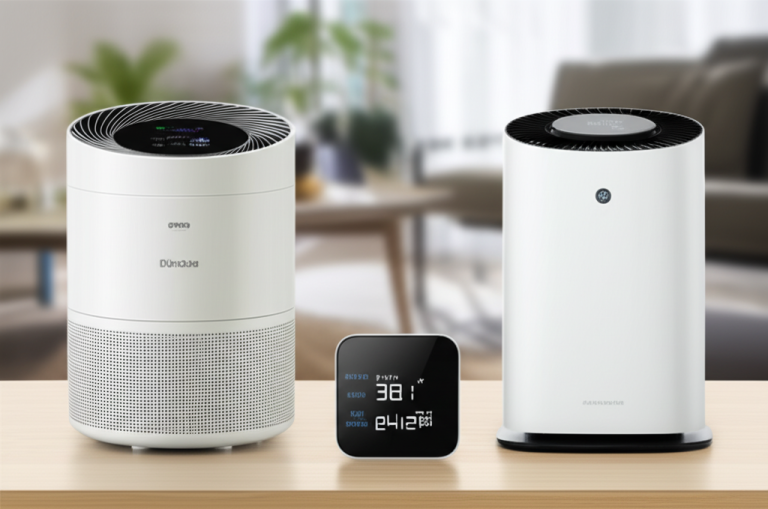
Best Room Placement for Air Purifier: Genius Essential Guide

Discover the best room placement for your air purifier to maximize its effectiveness and breathe cleaner air. This guide offers genius, essential tips for optimal placement in any space, ensuring you get the most out of your investment.
Breathing fresh, clean air at home is a top priority for many, but understanding where to put your air purifier can be a puzzle. You might have the best model, but if it’s in the wrong spot, its power to clean your air is significantly reduced. This can be frustrating, especially when you’re dealing with allergies, pet dander, or general air quality concerns. Don’t worry; finding the perfect location is simpler than you think. We’ll walk you through the genius strategies for the best room placement for your air purifier, ensuring every breath you take is a healthier one.
Why Room Placement for Your Air Purifier Matters
Optimal air purifier placement is crucial for maximizing its efficiency in removing airborne pollutants, ensuring you benefit fully from cleaner air throughout your home.
Placing your air purifier correctly is more than just finding an empty corner. It directly impacts how effectively it circulates and cleans the air in your living space. A well-placed unit can tackle pollutants in high-traffic areas or target specific sources of contamination. Conversely, a poorly positioned purifier might struggle to draw in dirty air or distribute clean air, making its efforts less impactful.
Understanding Airflow and Circulation
The effectiveness of any air purifier hinges on its ability to draw in contaminated air and expel purified air. This process relies heavily on good airflow around the unit. Obstructions can hinder this vital circulation, preventing the purifier from doing its job efficiently.
Air purifiers work by creating a cycle of air intake and expulsion. They pull in air from their surroundings, pass it through a filtration system, and then release cleaner air back into the room. Understanding this basic mechanism helps explain why placement is so important for maximizing this continuous cycle.
Key Factors for Best Room Placement for Air Purifier
When deciding on the best room placement for your air purifier, consider factors like room size, the location of pollution sources, and the unit’s airflow design. Strategic placement ensures maximum pollutant capture and efficient air circulation.
Several critical elements come into play when determining the ideal spot for your air purifier. These aren’t just arbitrary guidelines; they are based on principles of air dynamics and pollutant behavior. By understanding these factors, you can make informed decisions that enhance your purifier’s performance.
Room Size and CADR
The Clean Air Delivery Rate (CADR) of your air purifier indicates how quickly it can clean the air in a room. Matching your purifier’s CADR to your room’s square footage is the first step in ensuring it can effectively manage air quality. A unit that’s too small for a large room will struggle, regardless of placement.
Always check the manufacturer’s recommendations for room size coverage. This is usually based on the CADR, which measures the volume of filtered air delivered by the unit per minute. A higher CADR means faster air purification.
Proximity to Pollution Sources
Placing your air purifier near the source of pollutants, such as a kitchen while cooking or a pet’s favorite resting spot, can significantly improve its effectiveness. This allows the unit to capture contaminants before they disperse widely throughout the room.
Think about where pollution is generated in your home. If you have pets, placing a purifier in the living room or bedroom where they spend time makes sense. For cooking odors or smoke, a location near the kitchen is beneficial.
Airflow Obstructions and Clearance
Ensure there’s ample space around your air purifier, typically at least 1 to 3 feet on all sides, especially where the air intake and outlet are located. Avoid placing it directly against walls, furniture, or curtains, as this restricts airflow.
Manufacturers often specify the recommended clearance for their units. This information is usually found in the user manual. Adhering to these guidelines prevents the purifier from working harder than necessary and ensures optimal performance.
Central vs. Targeted Placement
The decision between placing a purifier centrally or in a specific high-priority area depends on your goals. A central location can offer broader air cleaning, while targeted placement addresses specific concerns more directly.
If you aim to improve the overall air quality of an entire floor or large open-plan area, a more central position might be best. However, if you suffer from severe allergies or have a specific issue like smoke, focusing placement in the affected room is usually more effective.
Best Room Placement for Air Purifier: Room-by-Room Guide
Let’s explore the best room placement for your air purifier in common areas of your home, considering the unique air quality challenges each space presents.
Living Room Placement
For the living room, place your air purifier near seating areas or common pathways, ensuring it’s not blocked by furniture, to capture airborne particles from daily activities.
The living room is often a hub of activity, meaning it can accumulate dust, pet dander, and airborne allergens. Placing your purifier in a central location or near where people spend most of their time, like near a sofa, is a good strategy. Ensure there’s at least a foot of clearance on all sides.
Bedroom Placement
In the bedroom, position your air purifier near your bed, ideally on a nightstand or dresser, to provide the cleanest air while you sleep, without creating disruptive noise.
Clean air in the bedroom is crucial for restful sleep, especially for those with respiratory issues. Placing the purifier close to your bed allows it to work on the air you breathe most during the night. Opt for a unit with a quiet sleep mode and ensure it’s not directly blowing air onto you.
Kitchen Placement
The best room placement for an air purifier in the kitchen is near cooking areas to capture smoke, grease, and cooking odors, but away from direct steam to protect the unit.
Kitchens are prime spots for airborne pollutants like cooking fumes, grease particles, and food odors. Placing your air purifier near the stove or cooking area can help mitigate these issues. However, avoid placing it directly under a range hood or where it might be exposed to excessive steam or moisture.
Home Office Placement
For a home office, place the air purifier on your desk or nearby to ensure a clean air environment conducive to focus and productivity, minimizing distractions.
A clean air environment in your home office can enhance concentration and reduce fatigue. Placing the purifier on your desk or a nearby shelf can ensure you’re breathing purified air throughout your workday. Choose a model that operates quietly to avoid disrupting your workflow.
Nursery or Child’s Room Placement
In a nursery or child’s room, position the air purifier on a high shelf or dresser, out of reach of children, to provide clean air for sensitive lungs without posing a safety hazard.
Ensuring clean air for infants and children is paramount. Place the air purifier in their room, but crucially, out of reach of curious little hands. A higher surface like a shelf or dresser is ideal. Look for models with child-lock features for added safety.
Basement Placement
For basements, place the air purifier in a central area to combat potential mold, mildew, and musty odors, ensuring good circulation to address dampness.
Basements are often prone to dampness, which can lead to mold and mildew growth. Placing your air purifier in a central location helps circulate air and capture these airborne spores. Ensure it’s not placed directly on a damp floor and has adequate ventilation.
Advanced Strategies for Optimal Air Purification
Beyond basic room placement, consider advanced techniques to further enhance your air purifier’s performance and integrate it seamlessly into your home.
These strategies go beyond simply finding a spot; they involve understanding how your purifier interacts with your home’s environment and your personal needs. By implementing these, you can truly optimize your air purification efforts.
Utilizing Airflow Patterns
Understanding natural airflow patterns in your home can help you position your air purifier to maximize its impact. For instance, placing it near an air vent or in a doorway can leverage existing air currents.
Think about how air moves naturally through your home. Does it flow from one room to another? Identifying these pathways can help you place your purifier where it can intercept the most air.
The “Whole House” Approach
For comprehensive air purification, consider using multiple air purifiers strategically placed throughout your home, or a larger unit designed for whole-house filtration. This ensures consistent clean air in all key areas.
While one powerful unit can serve a large space, multiple smaller units or a centralized system can offer more consistent coverage. This is especially beneficial for larger homes or those with specific air quality concerns in multiple rooms.
Considering Noise Levels
The best room placement for your air purifier also depends on its noise level, especially in bedrooms or quiet workspaces. Place noisier units in areas where sound is less of a concern.
Most air purifiers have different fan speeds, with higher speeds being louder. If noise is a significant factor, place the unit in a less sensitive area or use it on lower settings during quiet hours. Many modern purifiers offer specialized “sleep modes” for minimal noise.
Seasonal Adjustments
Air quality needs can change with the seasons. For example, during allergy season, you might want to prioritize placement in bedrooms and living areas. In winter, when windows are closed, central placement might be more effective.
Be mindful of how your environment changes throughout the year. Adjusting your air purifier’s placement can help you adapt to seasonal shifts in air quality and your family’s needs.
Table: Best Room Placement for Air Purifier Summary
| Room Type | Ideal Placement Strategy | Key Considerations |
| :———— | :———————————————————– | :——————————————————— |
| Living Room | Central or near seating areas, unobstructed | High traffic, dust, pet dander |
| Bedroom | Near bed, on nightstand/dresser, quiet operation | Sleep quality, respiratory health |
| Kitchen | Near cooking areas, away from direct steam | Smoke, grease, cooking odors |
| Home Office | On desk or nearby, quiet operation | Focus, productivity, reduced fatigue |
| Nursery/Child | High shelf/dresser, out of reach, child-lock feature | Sensitive lungs, safety |
| Basement | Central, good circulation, away from damp floors | Mold, mildew, musty odors, dampness |
This table provides a quick reference for optimizing your air purifier’s placement in different rooms of your home.
Common Mistakes to Avoid
When seeking the best room placement for your air purifier, be aware of common pitfalls that can diminish its effectiveness.
Avoiding these mistakes ensures you’re not wasting energy or money on a unit that isn’t performing optimally. Simple errors can have a significant impact on air quality.
Blocking Air Intake or Outlet
The most common mistake is placing the air purifier too close to walls or furniture, blocking its ability to draw in air or expel clean air. This forces the unit to work harder and reduces its efficiency. Always maintain the recommended clearance.
Ensure that nothing is obstructing the vents where air enters and exits the purifier. This is fundamental to its operation.
Placing in High-Humidity Areas (Except Designed Units)
Unless your air purifier is specifically designed for high-humidity environments, avoid placing it in bathrooms or directly in front of humidifiers. Excess moisture can damage the filters and the unit’s internal components.
Moisture is the enemy of most air purification systems. Always check your unit’s specifications regarding humidity tolerance.
Neglecting to Consider Air Circulation
Simply placing a unit in a room isn’t enough; you need to consider how air circulates within that space. Placing it in a corner where air is stagnant might not be as effective as placing it in a more central or dynamic flow area.
Think about the overall air movement in the room and how your purifier can best integrate with it.
Overlooking the Importance of Filter Maintenance
Even the best placement won’t help if your filters are clogged. Regularly cleaning or replacing your air purifier’s filters is as crucial as optimal placement. A dirty filter restricts airflow and reduces purification capabilities.
Refer to your air purifier’s manual for the recommended filter replacement schedule. This is non-negotiable for peak performance.
FAQs: Best Room Placement for Air Purifier
Q1: Where is the absolute best place to put an air purifier in my bedroom?
The best spot is typically near your bed, on a nightstand or dresser, about 3-6 feet away. This ensures you’re breathing the cleanest air while you sleep, and it’s usually out of the main traffic flow of the room.
Q2: Can I put my air purifier on the floor?
Yes, placing an air purifier on the floor is often acceptable, especially if it has a low-profile design. However, ensure it’s not directly on a damp floor and that there’s adequate clearance around it for airflow. Some models may be more effective when slightly elevated.
Q3: Should I run my air purifier 24/7?
For continuous air purification and the best results, running your air purifier 24/7 is generally recommended, especially if you have allergies, pets, or live in an area with poor air quality. Modern units are energy-efficient.
Q4: How far away should my air purifier be from a wall or furniture?
Aim for at least 1 to 3 feet of clearance on all sides, particularly around the air intake and outlet vents. This ensures unrestricted airflow, allowing the purifier to operate at its maximum efficiency.
Q5: Does placement matter if I have multiple air purifiers?
Yes, placement is still crucial even with multiple units. Strategically place each purifier to cover different zones or address specific pollution sources in your home for comprehensive air cleaning.
Q6: Can I place my air purifier near a window?
Placing an air purifier near a window can be beneficial if you frequently open it, as it can help capture outdoor pollutants as they enter. However, avoid placing it directly in the path of direct sunlight, which can overheat some units.
Conclusion: Maximizing Your Air Quality with Smart Placement
Finding the best room placement for your air purifier is a straightforward yet vital step in achieving cleaner, healthier air in your home. By understanding airflow, considering pollution sources, and following room-specific guidelines, you can significantly boost your purifier’s performance. Remember to maintain adequate clearance, avoid common mistakes, and keep your filters clean. Implementing these genius strategies will ensure your air purifier works effectively, creating a more comfortable and healthier living environment for you and your family.