
Best Power Mop For Tile Floors: Proven Effortless Clean

Effortlessly achieve sparkling tile floors with the best power mop. Discover top-rated models that make cleaning quick, easy, and truly effective, banishing dirt and grime with minimal struggle.
Cleaning tile floors can feel like a never-ending chore. Scrubbing on your hands and knees is tiring. Traditional mops often just spread dirty water around. You want a cleaner that works hard so you don’t have to. This guide will help you find the best power mop for tile floors. We’ll explore what makes them great and which ones shine.
Why Choose a Power Mop for Your Tile Floors?
Power mops use advanced technology to clean your floors better than old methods. They often combine vacuuming and mopping in one step. This saves you time and effort. Many models offer self-cleaning features too. This makes the whole process much simpler.
A Power Mop Simplifies Your Cleaning Routine
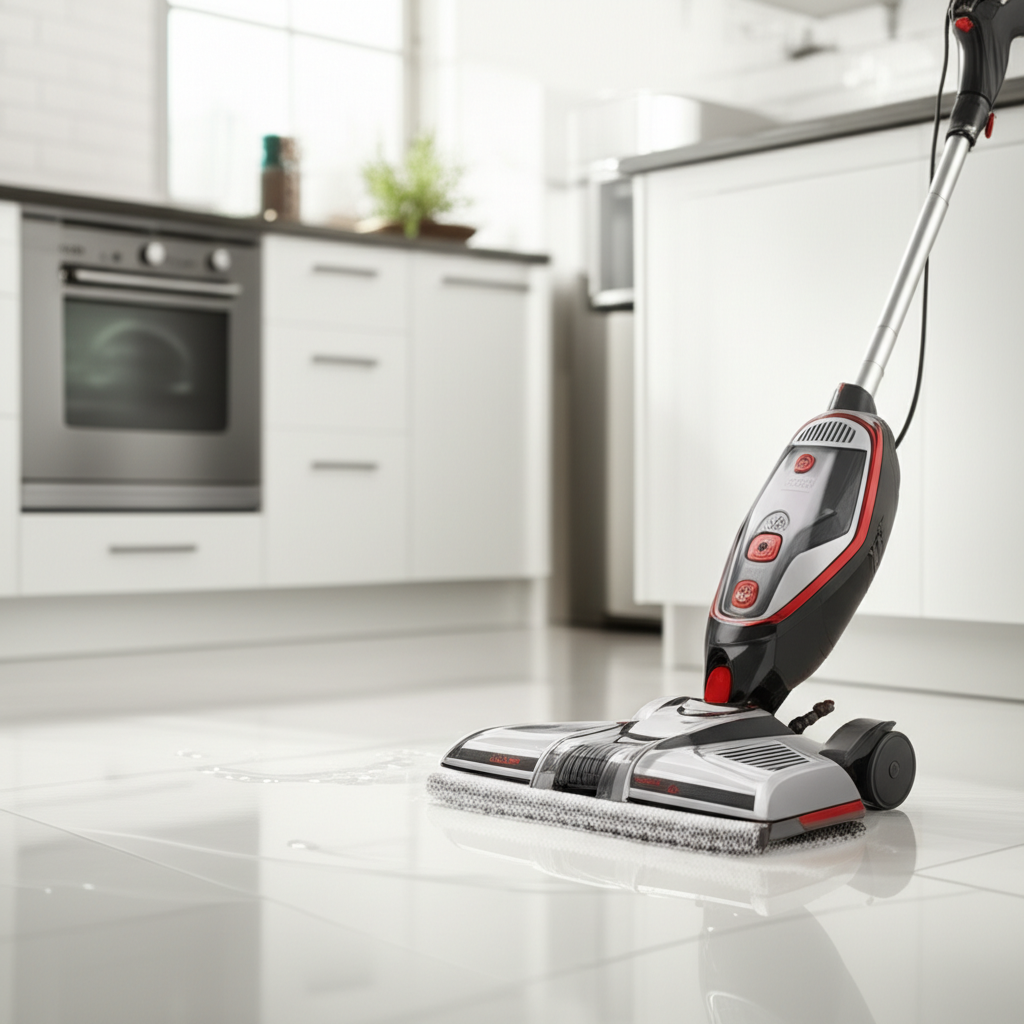
Imagine cleaning your floors without constant wringing or refilling buckets. Power mops do just that. They often use rotating brushes or pads to scrub away dirt. Some even spray cleaning solution directly onto the floor. This leads to a deeper clean with less work for you.
Top Picks for the Best Power Mop for Tile Floors
After careful research, these power mops stand out for tile floors. They offer great performance and ease of use.
Tineco Floor One S5 Smart Cordless Floor Washer
The Tineco Floor One S5 is a top choice for many. It vacuums and mops at the same time. This saves you a lot of time. It has smart sensors that detect dirt. The mop adjusts its suction and water flow automatically. This ensures an optimal clean for different messes.
Pros: Excellent suction, effective mopping, self-cleaning function, good for pet messes.
Cons: Can be a bit heavy for some users, higher price point.
This Tineco model is a game-changer for busy households. Its smart features mean you get a thorough clean without guesswork.
Bissell CrossWave Pet Pro All-in-One Wet Dry Vacuum Cleaner
The Bissell CrossWave Pet Pro is designed for homes with pets. It tackles tough pet messes, like mud and hair. It vacuums up debris and then washes the floor. This dual-action cleaning is very efficient. It comes with a multi-surface formula that is safe for most sealed floors.
Pros: Great for pet owners, tackles tough stains, dual-action cleaning, good value.
Cons: Tank capacity could be larger for big homes, requires regular cleaning of brush roll.
For pet parents, this Bissell mop is a lifesaver. It handles pet hair and accidents with ease.
Shark HydroVac Cordless Pro XL
Shark’s HydroVac Cordless Pro XL is another strong contender. It cleans and mops sealed hard floors effectively. It uses a cleaning solution and a rotating brush. The mop also has a self-cleaning mode that flushes the roller and nozzle. This keeps it fresh for the next use.
Pros: Powerful cleaning, good for large areas, self-cleaning cycle, easy to maneuver.
Cons: Battery life might be a concern for very large homes, some users find the solution tank small.
This Shark model offers robust cleaning power. Its large cleaning path covers more ground quickly.
Understanding Power Mop Technology for Tile
Power mops use different technologies to clean. Knowing these helps you pick the right one.
How Cordless Stick Mops Work
Cordless stick mops are very popular. They are lightweight and easy to store. They run on rechargeable batteries. This gives you freedom to move around without a cord. Most have separate tanks for clean and dirty water. This ensures you always mop with clean water.
Wet/Dry Vacuums vs. Dedicated Power Mops
Wet/dry vacuums can suck up liquids and debris. They often have a mopping function. Dedicated power mops are built specifically for mopping. They might have more advanced scrubbing action. Some people prefer a wet/dry vacuum for versatility. Others want a tool focused solely on mopping.
Key Features to Look For in a Power Mop for Tile
When shopping, keep these features in mind. They will help you choose the best power mop for tile floors.
Suction Power and Cleaning Performance
Higher suction power means the mop can pick up more dirt and debris. This is important for tile floors, which can trap dirt in grout lines. Look for models that offer adjustable suction levels. This allows you to match the power to the mess. A good cleaning head with rotating brushes or microfiber pads is also key.
Water Tank Capacity and Dirty Water Management
A larger clean water tank means you can clean more area before refilling. It’s also important to have a good dirty water tank. This prevents dirty water from being spread back onto the floor. Some mops have smart sensors to tell you when tanks are full or empty. This is a very useful feature.
Battery Life and Charging Time
For cordless models, battery life is crucial. A longer battery life lets you clean your entire home without interruption. Check the charging time as well. Some mops charge quickly, while others take several hours. This affects how soon you can use the mop again.
Ease of Use and Maneuverability
A good power mop should be easy to push and steer. Tile floors can be slippery, so a mop that glides smoothly is better. Look for lightweight models with swivel steering. Controls should be simple and easy to understand.
Self-Cleaning Functions
This feature is a real time-saver. A self-cleaning cycle flushes the brush roll and internal parts with clean water. This keeps your mop fresh and ready for its next use. It also reduces manual cleaning of the mop head. This is a huge benefit for many users.
Power Mop Maintenance for Longevity
Keeping your power mop clean ensures it works well for years. This is simple if you follow a few steps.
Regular Cleaning of Tanks and Brush Rolls
After each use, empty the dirty water tank. Rinse it out thoroughly. Clean the brush roll according to the manufacturer’s instructions. This usually involves removing it and rinsing it under water. Some can be cleaned in the self-cleaning cycle.
Proper Storage and Battery Care
Store your power mop in a dry place. Make sure the tanks are empty or dry before storing. For cordless models, follow the manufacturer’s advice on battery charging. Avoid leaving the battery fully depleted for long periods. Proper care ensures your mop is always ready to go.
Power Mops vs. Traditional Mopping: A Clear Difference
Traditional mopping often involves a bucket and a mop head. You dip the mop in dirty water and then spread it on the floor. This can push dirt around rather than cleaning it.
| Feature | Power Mop | Traditional Mop |
| :—————- | :————————————— | :————————————- |
| Cleaning Action | Scrubs, vacuums, and mops simultaneously | Manual scrubbing, spreads dirty water |
| Effort Required | Minimal; machine does the work | High; requires physical effort |
| Time Spent | Faster; combines steps | Slower; separate vacuuming and mopping |
| Water Usage | Efficient; uses clean water | Less efficient; water gets dirty fast |
This table shows how much easier power mops make cleaning. They are a significant upgrade for tile floors.
Are Power Mops Safe for All Tile Types?
Most power mops are safe for sealed tile floors. This includes ceramic and porcelain tiles. Always check the manufacturer’s recommendations. Unsealed tiles or natural stone might require special care. Using the wrong cleaner or too much water can damage some surfaces.
Grout Care with Power Mops
Power mops can be very effective at cleaning grout lines. The scrubbing action helps lift dirt from the porous grout. Some models offer specific settings for grout. Always use a cleaning solution recommended for your tile and grout type. Avoid harsh chemicals that could damage grout.
Frequently Asked Questions About Power Mops for Tile Floors
Here are answers to common questions.
Can a power mop replace my vacuum cleaner?
Some power mops have strong vacuum capabilities and can pick up dry debris. However, they are not a direct replacement for a dedicated vacuum. Vacuums are generally better for deep carpet cleaning or picking up larger debris. Power mops excel at cleaning hard floors.
How often should I use a power mop on my tile floors?
You can use a power mop as often as needed. For high-traffic areas, daily or every other day use is beneficial. For less used areas, once a week might be sufficient. Regular cleaning prevents dirt buildup.
What kind of cleaning solution should I use?
Always use the cleaning solution recommended by the power mop manufacturer. Many brands offer their own specific formulas. These are designed to work safely with the machine and your floors. Using unapproved cleaners can damage the mop or your tiles.
Are power mops good for homes with pets?
Yes, many power mops are excellent for homes with pets. They effectively clean up pet hair, dirt tracked in from outside, and pet accidents. Look for models with strong suction and good brush rolls designed for pet messes.
How do I prevent streaks on my tile floors?
Streaks can happen if too much cleaning solution is used. Ensure you are using the correct amount. Also, make sure the dirty water tank is not full. A clean brush roll is also important. Some mops have a rinse-only cycle that can help.
Conclusion: The Best Power Mop for Tile Floors for an Effortless Sparkle
Finding the best power mop for tile floors can truly transform your cleaning routine. These innovative tools offer a faster, easier, and more effective way to keep your tile sparkling. From powerful suction to smart self-cleaning features, they take the hard work out of mopping. Whether you choose the Tineco Floor One S5, Bissell CrossWave, or Shark HydroVac, you’re investing in a cleaner home and more free time. Make the switch to a power mop and experience an effortless clean that makes your tile floors shine.
