
Best PM2.5 Air Purifier: Essential Guide

Breathe easier with the best PM2.5 air purifier. This guide helps you choose a unit to effectively remove harmful fine particulate matter, improving indoor air quality for a healthier home environment. Discover key features, top models, and essential buying tips to make an informed decision.
Why You Need the Best PM2.5 Air Purifier for Your Home
Tiny particles, known as PM2.5, are a significant threat to our health. These microscopic pollutants, smaller than the width of a human hair, can easily enter your lungs and even your bloodstream. They originate from various sources, including traffic emissions, industrial pollution, wildfire smoke, and even indoor activities like cooking and burning candles. Investing in the best PM2.5 air purifier is a proactive step towards safeguarding your family’s well-being and ensuring cleaner, healthier indoor air.
Understanding PM2.5: The Invisible Danger
PM2.5 particles are defined by their size – 2.5 micrometers or less in diameter. Their small size makes them particularly insidious because they can bypass the body’s natural defenses. Prolonged exposure is linked to serious health issues such as respiratory problems, heart disease, and even premature death. Recognizing the pervasive nature of these particles underscores the importance of effective air purification.
Sources of PM2.5 Indoors and Outdoors
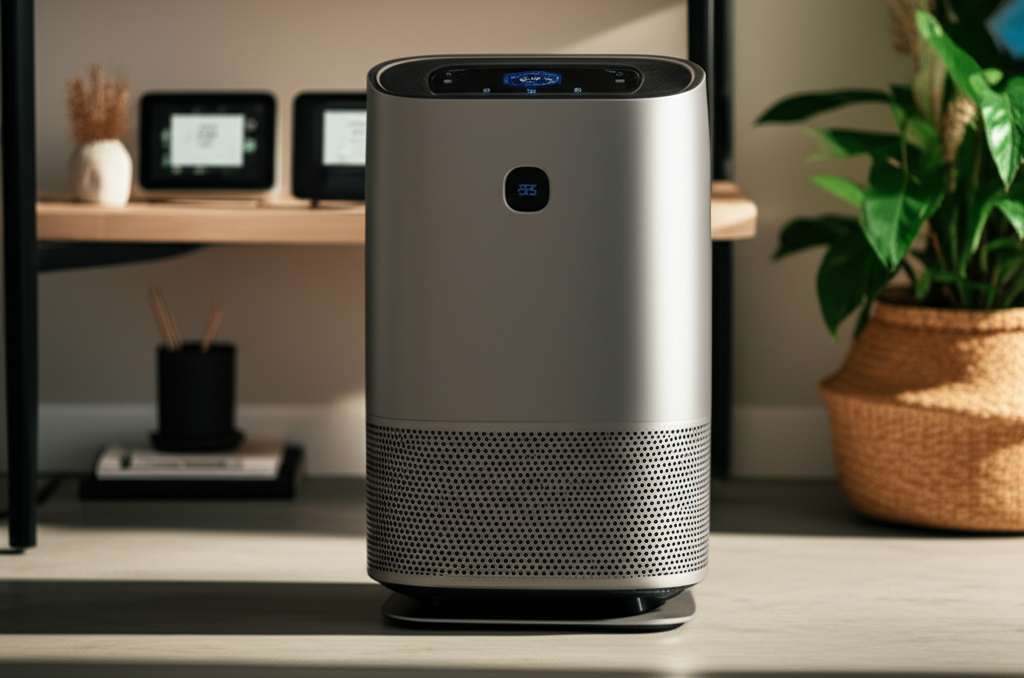
Outdoor air pollution is a major contributor to indoor PM2.5 levels, as these particles can seep through windows and doors. However, indoor activities also generate these harmful pollutants. Burning wood or incense, cooking with gas stoves, and even using certain cleaning products can release PM2.5 into your living space. Understanding these sources helps in identifying the most effective strategies for mitigation.
Health Impacts of PM2.5 Exposure
The health consequences of breathing in PM2.5 are extensive and can range from mild irritation to severe chronic conditions. Short-term exposure might lead to coughing, wheezing, or difficulty breathing. Long-term exposure is more concerning, increasing the risk of asthma, bronchitis, heart attacks, and strokes. For vulnerable populations like children, the elderly, and individuals with pre-existing respiratory or cardiovascular conditions, the risks are even higher.
Key Features to Look for in a PM2.5 Air Purifier
When selecting the best PM2.5 air purifier, several features are paramount to ensure efficient and effective performance. Prioritizing these will lead you to a unit that best suits your needs and provides optimal air quality.
HEPA Filtration: The Gold Standard for PM2.5
True HEPA (High-Efficiency Particulate Air) filters are the most crucial component for capturing PM2.5. A true HEPA filter is certified to remove at least 99.97% of airborne particles as small as 0.3 microns. This includes PM2.5, dust mites, pollen, pet dander, and mold spores. Always look for the “True HEPA” certification to ensure maximum effectiveness.
Activated Carbon Filters for Odors and VOCs
While HEPA filters excel at capturing particulate matter, activated carbon filters are essential for addressing gases, odors, and volatile organic compounds (VOCs). These filters work by adsorbing, or trapping, airborne chemicals and smells. A combination of HEPA and activated carbon filtration offers comprehensive air purification, tackling both solid particles and gaseous pollutants.
CADR Ratings: Measuring Performance
CADR, or Clean Air Delivery Rate, is a standardized measure of how quickly an air purifier can clean the air in a room. It’s rated for three types of pollutants: smoke, dust, and pollen. A higher CADR rating indicates a more powerful and efficient air purifier. When choosing the best PM2.5 air purifier, aim for a CADR rating that is appropriate for the size of the room you intend to use it in.
Room Size and Coverage Area
Air purifiers are designed for specific room sizes. It’s crucial to match the purifier’s coverage area to the dimensions of your space. A unit that is too small will struggle to adequately clean the air, while an oversized unit might be unnecessarily noisy or energy-consuming. Always check the manufacturer’s recommended room size for optimal performance.
Noise Levels: Finding a Peaceful Balance
Air purifiers operate with fans, and the noise level can vary significantly between models. For bedrooms or quiet living spaces, low noise levels are essential. Look for purifiers with a sleep mode or a low fan setting that operates at a decibel level comparable to a whisper. Many manufacturers provide decibel ratings for their various fan speeds.
Energy Efficiency and Cost of Ownership
Consider the energy consumption of the air purifier, especially if you plan to run it continuously. Look for Energy Star certified models, which are designed to be more energy-efficient. Also, factor in the ongoing cost of replacement filters. Some filters need replacing more frequently than others, and this can add up over time.
Top PM2.5 Air Purifiers on the Market
Selecting the best PM2.5 air purifier involves balancing features, performance, and price. Here are some highly-regarded options known for their effectiveness in tackling fine particulate matter.
1. Coway Airmega 200M: All-Around Excellence
The Coway Airmega 200M is frequently lauded for its robust performance and user-friendly design. It features a multi-stage filtration system, including a True HEPA filter and an activated carbon filter, effectively capturing PM2.5 and other pollutants. Its smart features, like an air quality sensor and auto mode, make it a convenient choice for maintaining optimal air purity.
Pros: Excellent filtration, quiet operation, auto mode, stylish design.
Cons: Filter replacement can be moderately expensive.
This model provides a fantastic balance of performance and features, making it a top contender for many households seeking the best PM2.5 air purifier.
2. Blueair Blue Pure 411 Auto: Compact Powerhouse
For smaller rooms or those prioritizing a minimalist design, the Blueair Blue Pure 411 Auto is an excellent option. Despite its compact size, it boasts impressive filtration capabilities with its unique HEPASilent technology. This technology combines electrostatic and mechanical filtration to achieve high particle removal rates while maintaining low noise levels.
Pros: Compact, lightweight, energy-efficient, very quiet on low settings.
Cons: Smaller coverage area than larger models, carbon filter is integrated.
The Blue Pure 411 Auto demonstrates that effective PM2.5 purification doesn’t require a large footprint.
3. Levoit Core 300S: Smart and Affordable
The Levoit Core 300S offers a compelling blend of smart technology and effective filtration at a competitive price point. It utilizes a three-stage filtration system, including a True HEPA filter, to tackle PM2.5, allergens, and odors. Its smart capabilities allow for control via a smartphone app, including scheduling and remote adjustments.
Pros: Smart features, good value for money, effective filtration, quiet sleep mode.
Cons: Best suited for small to medium rooms.
Levoit provides a smart and accessible solution for those looking for the best PM2.5 air purifier without breaking the bank.
4. Winix 5500-2: Powerful Performance with PlasmaWave
The Winix 5500-2 is a popular choice known for its powerful performance and advanced features. It includes a True HEPA filter, an activated carbon filter, and Winix’s PlasmaWave technology, which helps break down airborne pollutants. It’s well-suited for medium to large rooms and effectively combats PM2.5 and other allergens.
Pros: High CADR rating, effective multi-stage filtration, auto mode, pet-friendly features.
Cons: PlasmaWave can produce ozone (though typically within safe limits), larger footprint.
The Winix 5500-2 is a strong contender for those needing a robust solution for larger spaces.
5. Dyson Purifier Cool TP07: Multi-Functional Innovation
Dyson’s Purifier Cool TP07 is more than just an air purifier; it’s a fan and an air quality monitor rolled into one. It uses a sealed HEPA and activated carbon filtration system to capture 99.97% of particles down to 0.3 microns. Its real-time air quality reporting and intelligent design make it a premium choice for sophisticated homes.
Pros: Multi-functional (purifier and fan), excellent air quality monitoring, stylish design, HEPA and carbon filtration.
Cons: High price point, replacement filters are expensive.
For those seeking a high-tech, multi-functional device, the Dyson TP07 stands out as a leading best PM2.5 air purifier.
Comparing Top PM2.5 Air Purifier Models
To help you make a direct comparison, here’s a table summarizing key features of some of the best PM2.5 air purifiers discussed:
| Model | Filter Type | Room Size (sq ft) | CADR (Smoke) | Noise Level (dB) | Smart Features | Price Range |
| :——————– | :——————- | :—————- | :———– | :————— | :————- | :———— |
| Coway Airmega 200M | True HEPA, Carbon | Up to 361 | 120 | 24-53 | Yes | Mid-High |
| Blueair Blue Pure 411 | HEPASilent, Carbon | Up to 161 | N/A | 17-48 | No | Mid |
| Levoit Core 300S | True HEPA, Carbon | Up to 219 | 141 | 22-50 | Yes | Mid-Low |
| Winix 5500-2 | True HEPA, Carbon | Up to 360 | 232 | 28-54 | Yes (basic) | Mid |
| Dyson TP07 | HEPA, Carbon (sealed)| Up to 290 | N/A | 30-60 | Yes | High |
Note: CADR ratings and room sizes can vary based on specific testing and manufacturer recommendations.
This comparison highlights how different models cater to varying needs and budgets, all while aiming to be the best PM2.5 air purifier for their intended use.
Where to Place Your PM2.5 Air Purifier for Maximum Effectiveness
The placement of your air purifier significantly impacts its ability to clean your air. Strategic positioning ensures optimal airflow and pollutant capture.
Central Location for Best Air Circulation
Ideally, place your air purifier in a central location within the room. This allows for the best air circulation, enabling the unit to draw in air from all directions and distribute purified air effectively. Avoid placing it directly against walls or in corners, as this can impede airflow.
Consider High-Traffic Areas and Pollutant Sources
Place your best PM2.5 air purifier in rooms where you spend the most time, such as bedrooms, living rooms, or home offices. Also, consider placing it near known sources of pollution, like kitchens or areas where pets frequently stay. This targeted approach helps to tackle pollutants closer to their origin.
Maintenance and Filter Replacement: Keeping Your Purifier Running
Regular maintenance is key to ensuring your air purifier continues to perform at its best. Neglecting this can reduce its effectiveness and even lead to a buildup of pollutants within the unit itself.
Regular Cleaning of Pre-filters
Most air purifiers have a washable pre-filter that captures larger particles like hair and dust. Cleaning this filter regularly, typically every 2-4 weeks, extends the life of the HEPA and carbon filters. Simply rinse it under water and allow it to dry completely before reinserting.
Timely HEPA and Carbon Filter Replacement
HEPA and activated carbon filters have a limited lifespan and will eventually become saturated with pollutants. Follow the manufacturer’s recommendations for replacement, which is usually every 6-12 months for HEPA filters and 3-6 months for carbon filters. Many purifiers have indicator lights to remind you when it’s time for a change. This is crucial for maintaining the efficacy of your best PM2.5 air purifier.
Are Air Purifiers Worth the Investment?
For many, the answer is a resounding yes. The benefits of improved indoor air quality, especially for those with allergies, asthma, or other respiratory sensitivities, can be substantial. A cleaner home environment can lead to better sleep, reduced allergy symptoms, and overall improved well-being.
Health Benefits of Cleaner Indoor Air
Breathing cleaner air can significantly alleviate symptoms associated with allergies and asthma, such as sneezing, coughing, and itchy eyes. It can also contribute to better sleep quality and reduce headaches caused by poor air quality. For families with young children or elderly members, investing in a good air purifier is a tangible way to protect their health.
Cost vs. Benefit Analysis
While the initial cost of a good air purifier and the ongoing expense of replacement filters are factors to consider, the potential health benefits often outweigh these costs. Think of it as an investment in your family’s health and comfort. Resources like the Environmental Protection Agency (EPA) offer further information on the importance of indoor air quality.
Frequently Asked Questions (FAQ)
What is PM2.5 and why is it harmful?
PM2.5 refers to fine particulate matter that is 2.5 micrometers or smaller in diameter. These particles are so small they can easily enter the lungs and bloodstream, potentially causing respiratory and cardiovascular problems.
How do I know which size air purifier I need?
Check the air purifier’s specifications for its recommended room coverage area (usually in square feet). Match this to the size of the room you intend to use it in. It’s often better to get a unit rated for a slightly larger room for more efficient cleaning.
How often should I replace the HEPA filter?
HEPA filters typically need replacement every 6 to 12 months, depending on usage and the level of pollutants in your air. Always refer to the manufacturer’s guidelines for your specific model.
Can an air purifier completely eliminate PM2.5?
While the best PM2.5 air purifiers can remove a very high percentage (99.97% for true HEPA), complete elimination is nearly impossible. Regular maintenance and addressing indoor pollution sources are also crucial.
Are air purifiers with ozone generators safe?
Ozone generators can produce ozone, which is a lung irritant. While some air purifiers use technologies like PlasmaWave that produce minimal ozone within safe limits, it’s generally recommended to opt for purifiers without ozone generation features, especially for those with respiratory sensitivities.
What’s the difference between a HEPA filter and a True HEPA filter?
A “True HEPA” filter is certified to capture at least 99.97% of airborne particles 0.3 microns in size. “HEPA-type” or “HEPA-like” filters may not meet these stringent standards and are less effective.
Conclusion: Investing in Your Health with the Best PM2.5 Air Purifier
Choosing the best PM2.5 air purifier is a significant step towards creating a healthier living environment for you and your loved ones. By understanding the risks associated with PM2.5, identifying key features like True HEPA filtration and CADR ratings, and considering your specific needs, you can make an informed decision. Remember to factor in room size, noise levels, and ongoing maintenance costs. With the right unit, you can significantly reduce harmful airborne particles, alleviate allergy symptoms, and enjoy the peace of mind that comes with breathing cleaner, fresher air. Your health is worth the investment in a top-tier PM2.5 air purifier.
