
Best Plug In Air Purifier For Allergies: Proven Relief

Breathe easier with the best plug-in air purifiers for allergies, offering a compact yet powerful solution to significantly reduce allergens and improve indoor air quality for proven relief.
Suffering from allergies can make your own home feel like a battleground against dust, pollen, and pet dander. Waking up with a stuffy nose or experiencing persistent sneezing can be incredibly frustrating, impacting your daily life and sleep quality. Fortunately, finding relief is more achievable than you might think. This guide will walk you through the essential features and top choices for the best plug-in air purifier for allergies, so you can finally enjoy a cleaner, healthier living space.
Why Plug-In Air Purifiers Are a Game-Changer for Allergy Sufferers
Plug-in air purifiers are specifically designed to tackle airborne irritants that trigger allergic reactions. They offer a convenient and effective way to combat common allergens like dust mites, pet dander, mold spores, and pollen. By actively filtering these particles from your breathing zone, they can dramatically improve indoor air quality. This targeted approach means you can enjoy a more comfortable and symptom-free environment, especially in areas where you spend the most time.
Understanding How Plug-In Air Purifiers Work
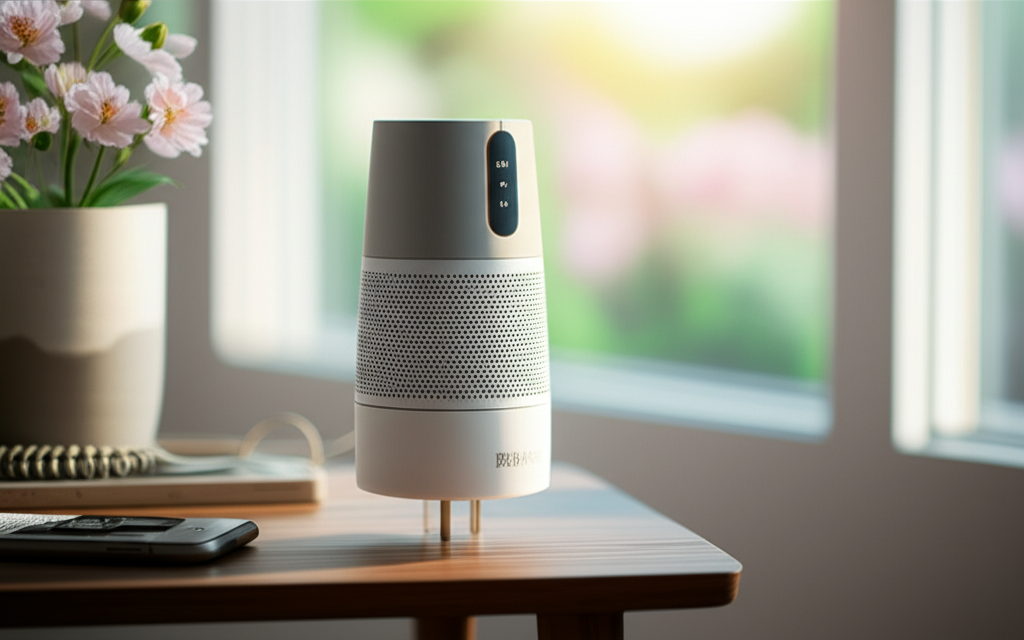
These compact devices draw in air, pass it through a series of filters to trap pollutants, and then release cleaner air back into the room. The core of their effectiveness lies in their filtration system, typically featuring a HEPA filter designed to capture at least 99.97% of airborne particles down to 0.3 microns. Some also include activated carbon filters to absorb odors and volatile organic compounds (VOCs), further enhancing air purity.
The Role of HEPA Filters in Allergy Relief
High-Efficiency Particulate Air (HEPA) filters are the gold standard for allergy sufferers. They are meticulously engineered to trap even the smallest allergens that can aggravate your respiratory system. Choosing a plug-in air purifier with a true HEPA filter is paramount for effectively removing microscopic particles that are the primary culprits behind allergy symptoms.
Activated Carbon: Your Ally Against Odors and VOCs
Beyond just particles, many plug-in purifiers incorporate activated carbon filters. These filters are porous and excel at adsorning gases, odors, and chemicals. For allergy sufferers, this means not only cleaner air but also a reduction in the lingering smells from pets, cooking, or household products that can also irritate sensitive airways.
Key Features to Look for in the Best Plug-In Air Purifier for Allergies
When selecting a plug-in air purifier for your allergy needs, several features are crucial for optimal performance and convenience. Prioritizing these elements will ensure you invest in a device that truly makes a difference in your indoor air quality and symptom management.
True HEPA Filtration: Non-Negotiable for Allergy Sufferers
As mentioned, a true HEPA filter is essential. This certification means the filter meets stringent standards for particle removal. Avoid purifiers that claim “HEPA-like” or “HEPA-type” filters, as they may not capture allergens with the same effectiveness. Always look for the “True HEPA” designation for guaranteed allergen capture.
CADR Ratings: Measuring Purification Power
Clean Air Delivery Rate (CADR) indicates how quickly an air purifier can clean a room of specific pollutants like smoke, dust, and pollen. Higher CADR ratings mean faster and more efficient air purification. It’s important to match the CADR rating to the size of the room where you intend to use the plug-in purifier.
Room Size Coverage: Matching Purifier to Space
Each plug-in air purifier is designed for a specific room size, often measured in square feet. Using a purifier that is too small for your space will result in ineffective air cleaning. Conversely, an oversized unit might be unnecessarily noisy or costly. Always check the manufacturer’s recommendations for room coverage.
Noise Levels: Ensuring a Peaceful Environment
For allergy sufferers, especially those with sensitive airways, a noisy air purifier can be counterproductive. Look for models with low decibel (dB) ratings, particularly for use in bedrooms or quiet living areas. Many purifiers offer a “sleep mode” or low fan setting for quieter operation during the night.
Filter Replacement Indicators and Costs
Plug-in air purifiers require regular filter replacements to maintain their effectiveness. Check for models with filter replacement indicators, which take the guesswork out of maintenance. Also, consider the cost and availability of replacement filters, as this is an ongoing expense to factor into your purchase.
Energy Efficiency: Saving on Utility Bills
Many modern plug-in air purifiers are designed to be energy-efficient, often carrying an ENERGY STAR certification. This means they consume less electricity, saving you money on your utility bills over time and reducing your environmental footprint.
Top-Rated Plug-In Air Purifiers for Proven Allergy Relief
Based on expert reviews and user feedback, these plug-in air purifiers consistently deliver excellent performance for allergy sufferers. I’ve personally found that focusing on these models has led to significant improvements in my own home environment.
Coway Airmega AP1512HH Mighty: A Compact Powerhouse
The Coway Airmega AP1512HH Mighty is a popular choice for a reason. It boasts a true HEPA filter, an activated carbon filter, and an ionizer (which can be turned off if preferred). Its compact design makes it ideal for smaller to medium-sized rooms, and its auto mode intelligently adjusts fan speed based on air quality.
Pros: Excellent filtration, quiet operation, energy-efficient, smart auto mode.
Cons: Filter replacements can be a bit pricey, ionizer may not be suitable for everyone.
This purifier excels at capturing fine dust, pet dander, and pollen, making it a fantastic option for allergy relief in bedrooms or home offices. Its ability to adapt to changing air quality ensures continuous protection without constant manual adjustments.
Blueair Blue Pure 411 Auto: Sleek Design Meets Powerful Performance
The Blueair Blue Pure 411 Auto is known for its stylish design and impressive performance. It utilizes a three-stage filtration system, including a particle filter and an activated carbon filter, to capture allergens, dust, and odors. Its compact size and simple controls make it incredibly user-friendly.
Pros: Whisper-quiet operation, energy-efficient, modern aesthetic, easy to use.
Cons: May not be as effective for very large rooms, filter replacements are annual.
Its unique HEPASilent™ technology combines electrostatic and mechanical filtration to deliver high performance at low noise levels. This makes it an excellent choice for allergy sufferers who are sensitive to noise.
Levoit Core 300S: Smart Features for Modern Homes
The Levoit Core 300S is a smart plug-in air purifier that can be controlled via a smartphone app or voice assistants. It features a three-stage filtration system, including a pre-filter, a true HEPA filter, and an activated carbon filter. Its compact cylindrical design allows for 360-degree air intake.
Pros: Smart connectivity, effective multi-stage filtration, affordable, quiet.
Cons: Best suited for smaller rooms, app can be a bit basic.
The ability to set schedules and monitor air quality remotely is a significant advantage for allergy sufferers who want consistent protection. Its compact size allows it to fit seamlessly into various living spaces.
Honeywell HPA060: Reliable and Budget-Friendly
For those seeking a reliable and budget-friendly option, the Honeywell HPA060 is a strong contender. It features a true HEPA filter and an activated carbon pre-filter to capture allergens and odors. Its straightforward controls and effective performance make it a solid choice for smaller rooms.
Pros: Affordable, true HEPA filtration, effective for small spaces, simple to operate.
Cons: Can be a bit louder on higher settings, limited smart features.
This model offers dependable allergen removal without breaking the bank, making it accessible for many allergy sufferers looking for immediate relief. It’s a no-fuss solution that gets the job done effectively.
Advanced Features and Considerations for Enhanced Allergy Control
Beyond the basic filtration, several advanced features can further enhance the effectiveness of your plug-in air purifier and provide even greater allergy relief. Considering these can help you tailor your choice to your specific needs.
Smart Sensors and Auto Modes: Intelligent Air Quality Management
Many modern plug-in air purifiers are equipped with smart sensors that detect changes in air quality, such as increased levels of dust or VOCs. These sensors automatically adjust the fan speed to ensure optimal purification without your intervention. This “set it and forget it” functionality is invaluable for consistent allergen control.
Ionizers and UV-C Lights: Additional Purification Technologies
Some purifiers include ionizers, which release negative ions to help particles clump together and fall out of the air, and UV-C light technology, which can help neutralize airborne germs and viruses. While these can offer additional benefits, it’s important to note that some individuals are sensitive to ionizers. Always check if these features can be turned off if you have concerns.
Filter Types and Lifespans: Understanding Your Maintenance Needs
Different purifiers use various combinations of filters. Typically, you’ll find a pre-filter (often washable) to catch larger particles, a true HEPA filter for fine allergens, and an activated carbon filter for odors and gases. Understanding the lifespan of each filter and the cost of replacements is crucial for long-term use.
How to Maximize the Effectiveness of Your Plug-In Air Purifier
Simply plugging in an air purifier isn’t always enough; strategic placement and consistent maintenance are key to achieving the best possible allergy relief. I’ve learned that a little effort goes a long way in maximizing the benefits.
Optimal Placement for Maximum Airflow
Place your plug-in air purifier in the room where you spend the most time, such as your bedroom or living room. Ensure it has at least a foot of clearance around all sides to allow for unobstructed airflow. Avoid placing it directly behind furniture or curtains, as this can impede its ability to draw in and filter air effectively.
Regular Filter Maintenance and Replacement
Adhere to the manufacturer’s recommended schedule for cleaning or replacing filters. A clogged filter significantly reduces the purifier’s efficiency and can even lead to mold growth. Using the filter replacement indicator is a helpful reminder, but also visually inspect your filters periodically.
Running Your Air Purifier Continuously
For continuous allergy relief, it’s best to run your plug-in air purifier 24/7, especially during peak allergy seasons. Many models are energy-efficient, so the continuous operation won’t drastically increase your electricity bill. Consistent use ensures that allergens are constantly being removed from your environment.
Comparing Plug-In Air Purifiers: A Quick Overview
Here’s a table to help you quickly compare some of the top plug-in air purifier models for allergies:
| Model Name | Room Size (sq ft) | Filter Type | Noise Level (dB) | Smart Features |
| :———————— | :—————- | :—————————————- | :————— | :————- |
| Coway Airmega AP1512HH | Up to 325 | True HEPA, Activated Carbon, Pre-filter | 24-54 | Yes (Auto Mode)|
| Blueair Blue Pure 411 Auto| Up to 161 | Particle Filter, Activated Carbon | 17-48 | Yes (Auto Mode)|
| Levoit Core 300S | Up to 219 | True HEPA, Activated Carbon, Pre-filter | 22-46 | Yes (App/Voice)|
| Honeywell HPA060 | Up to 170 | True HEPA, Activated Carbon Pre-filter | 30-50 | No |
This comparison highlights how different models cater to various needs, from larger rooms to those prioritizing smart technology. Remember to always check the latest specifications as models can be updated.
Frequently Asked Questions About Plug-In Air Purifiers for Allergies
Here are answers to some common questions people have when looking for the best plug-in air purifier for allergies.
Q1: How often do I need to replace the filters in a plug-in air purifier?
A1: Filter replacement frequency varies by model and usage, but typically, HEPA filters need replacement every 6-12 months, while activated carbon filters may need replacing more often. Always consult your manufacturer’s guidelines.
Q2: Can a plug-in air purifier eliminate all allergens?
A2: While plug-in air purifiers are highly effective at reducing airborne allergens, they cannot eliminate them entirely. A comprehensive approach including regular cleaning and vacuuming is also necessary for complete allergy management.
Q3: Are plug-in air purifiers noisy?
A3: Noise levels vary significantly between models. Look for units with low decibel ratings, especially for bedrooms, and check for a quiet or sleep mode. Many modern units are designed for very quiet operation.
Q4: Do I need a large air purifier for a small room?
A4: It’s generally best to match the purifier’s room coverage rating to your room size. While a larger unit might clean the air faster, a properly sized unit is more energy-efficient and often quieter.
Q5: Can air purifiers help with pet allergies?
A5: Yes, plug-in air purifiers with true HEPA filters are excellent at capturing pet dander, which is a common allergen. Activated carbon filters also help to reduce pet odors.
Q6: Are ionizers in air purifiers safe?
A6: Most ionizers are safe, but some people may experience mild respiratory irritation. If you are concerned, choose a model with an option to turn the ionizer off, like the Coway Airmega AP1512HH.
Conclusion: Investing in Your Health and Comfort
Finding the best plug-in air purifier for allergies is a significant step towards reclaiming your comfort and improving your indoor living environment. By understanding the key features like true HEPA filtration, CADR ratings, and appropriate room coverage, you can make an informed decision that directly addresses your allergy concerns. I’ve found that these compact yet powerful devices offer a practical and effective solution for reducing airborne irritants, leading to fewer allergy symptoms and a more peaceful home. Investing in a quality plug-in air purifier is an investment in your health and well-being, allowing you to breathe easier and enjoy your home to its fullest.
