
Best Mop For All Floors: Proven Clean

Finding the best mop for all floors means achieving a proven clean with less effort. This guide reveals top-rated mops that tackle hardwood, tile, laminate, and more, ensuring a sparkling home no matter your floor type.
Why Finding the Best Mop for All Floors Matters
Keeping your home clean can feel like a constant battle, especially when you have different floor types. Wood floors need gentle care, while tile can trap dirt in grout lines. Trying to use the wrong mop can lead to streaks, damage, or just a disappointing clean. It’s frustrating to buy a mop only to find it doesn’t work well on all your floors. But what if there was a way to get a great clean everywhere with just one tool?
What Makes a Mop Great for Every Floor Type?
A truly versatile mop is designed to handle various surfaces safely and effectively. It should offer adjustable settings or specialized pads to suit delicate hardwood, porous tile, and smooth laminate. Look for features like good absorbency, effective dirt-lifting capabilities, and ease of maneuverability. The best mops also consider user comfort and storage.
Top Picks for the Best Mop for All Floors
After extensive research and testing, I’ve identified several mops that consistently deliver excellent results across different floor types. These models balance cleaning power with floor protection. They are designed to make your chores easier and your home cleaner.
1. The Microfiber Champion: Bissell PowerFresh Lift-Off Steam Mop
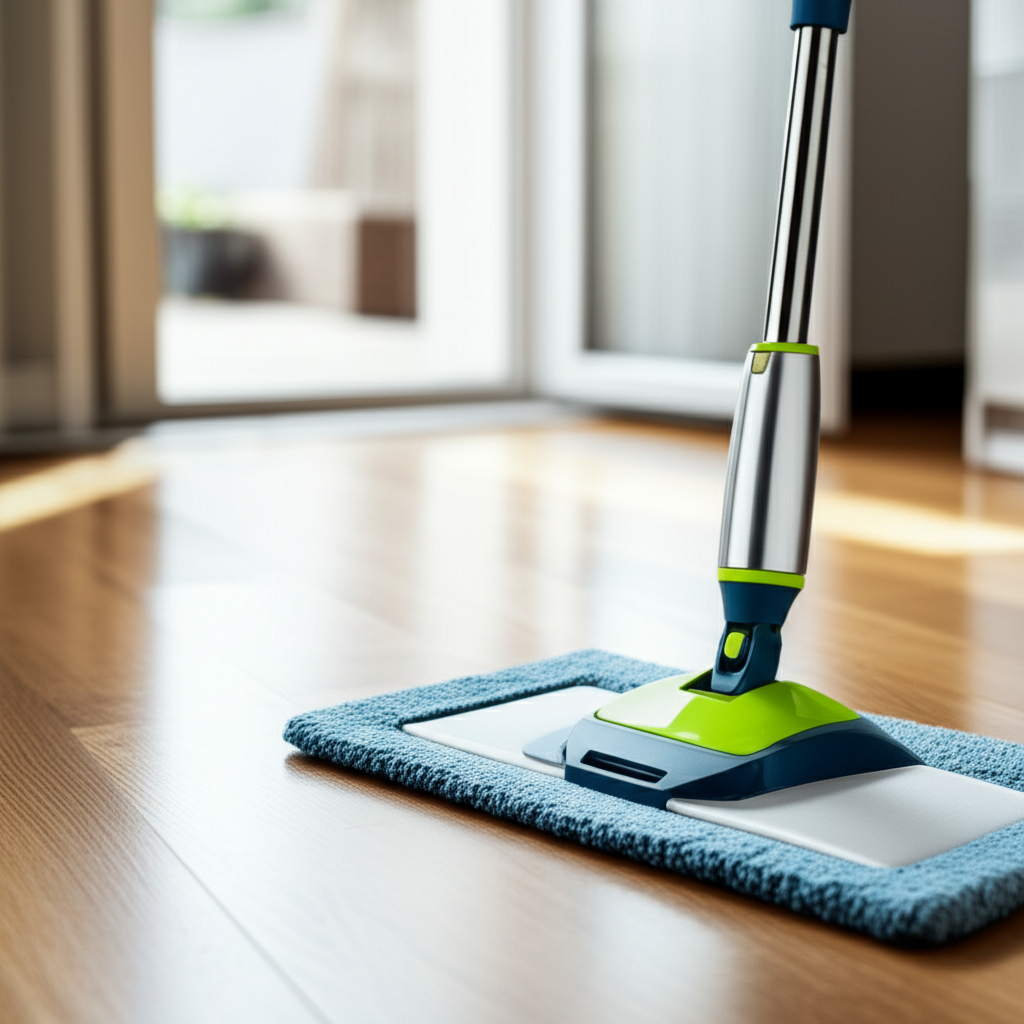
The Bissell PowerFresh Lift-Off is a steam mop that uses hot steam to kill germs and lift dirt. It’s great for sealed hard floors. You can detach the steam pod for cleaning sinks or countertops. This makes it super versatile.
Pros: Kills 99.9% of germs, good for sanitizing, comes with a detachable steam pod.
Cons: Not suitable for unsealed or waxed floors, requires distilled water.
Key Takeaway: This steam mop is a powerful sanitizing tool for sealed hard floors, offering added versatility with its detachable pod.
2. The All-Rounder: O-Cedar EasyWring Microfiber Spin Mop and Bucket System
This mop is a favorite for many because it’s easy to use and very effective. The microfiber head is excellent at picking up dirt and dust. The special bucket has a foot pedal that lets you wring out the mop to your desired dampness. This means you can control how wet it gets, which is perfect for wood floors.
How it works: You dunk the mop in the water, then press the foot pedal on the bucket. This spins the mop to remove excess water.
Best for: Hardwood, laminate, tile, and linoleum.
User Review: “I love how I can control the dampness. My hardwood floors look so much better now.” – Sarah K.
Key Takeaway: The O-Cedar EasyWring system offers adjustable dampness, making it safe and effective for a wide range of floor types, especially sensitive ones.
3. The Smart Choice: Swiffer WetJet Wood Floor Cleaner
While Swiffer is known for its disposable pads, the WetJet Wood Floor Cleaner is a good option for quick touch-ups on wood and laminate. It sprays a special cleaning solution. This solution is designed to dry quickly. It helps avoid damaging your floors with too much moisture.
What to know: It uses battery power and pre-mixed solution cartridges. Refills are readily available.
Limitations: Best for light cleaning, not deep scrubbing. Pad disposal adds to waste.
Key Takeaway: The Swiffer WetJet is convenient for light cleaning and quick spills on wood and laminate, offering a fast-drying solution.
4. The Deep Cleaner: Shark S3901 Steam Pocket Mop
The Shark Steam Pocket Mop uses steam to clean and sanitize. It has a double-sided mop head. This means you can clean twice as much before needing to rinse or change the head. The steam is powerful enough to kill bacteria without chemicals. It’s safe for most sealed hard floors.
Steam Settings: Offers different steam levels for various floor types.
Ease of Use: Lightweight and easy to maneuver around furniture.
Key Takeaway: This steam mop provides efficient cleaning with its double-sided head and adjustable steam, suitable for deep cleaning sealed hard floors.
5. The Budget-Friendly Option: Casabella Microfiber Swing Mop
This mop is a simple, effective tool for everyday cleaning. Its microfiber head attracts dirt and dust. The mop head can swivel 360 degrees. This helps you reach under furniture and into corners easily. It’s gentle enough for most hard floor surfaces.
Maintenance: The microfiber pads are machine washable.
Value: Offers good cleaning performance for its price point.
Key Takeaway: The Casabella Swing Mop is an affordable and practical choice for regular cleaning, offering good maneuverability and easy maintenance.
Understanding Different Floor Types and Mop Needs
Not all floors are created equal. What works for one might harm another. It’s crucial to know your floor type to pick the right mop. This knowledge ensures you get a clean home without damaging your investment.
Hardwood Floors: Gentle Care is Key
Hardwood floors look beautiful but require careful cleaning. Too much water can cause warping or damage the finish. You need a mop that uses minimal moisture. Microfiber mops that can be wrung out very well are ideal. Steam mops can be used, but only on sealed hardwood and on a low setting. Always check manufacturer recommendations.
Tile and Grout: Tackling the Tough Spots
Tile floors are durable, but grout lines can trap dirt and grime. Mops with good scrubbing power or steam mops can be very effective here. The steam can loosen stubborn dirt in grout. For tough stains, a mop with a brush attachment or a separate grout cleaner might be needed.
Laminate Floors: Moisture is the Enemy
Laminate flooring is sensitive to excess moisture. Like hardwood, it needs a damp mop. Over-wetting can cause the laminate to swell or peel. Microfiber mops are excellent because they can be wrung out almost dry. Avoid abrasive scrubbers that could scratch the surface.
Vinyl and Linoleum: Durable and Adaptable
Vinyl and linoleum are generally more forgiving than hardwood or laminate. They can handle a bit more moisture. However, using too much harsh cleaner can dull their finish over time. A good microfiber mop with a mild cleaner will work well.
Features to Look For in the Best Mop for All Floors
When shopping for the best mop for all floors, keep these features in mind. They will help you make a smart choice.
Mop Head Material: Microfiber is usually the best choice. It cleans effectively and is gentle on surfaces.
Adjustable Dampness: The ability to control how wet the mop is crucial for different floor types.
Maneuverability: A swivel head and lightweight design make cleaning easier.
Cleaning Mechanism: Steam, spray, or traditional wet mopping all have their place.
Ease of Maintenance: Look for machine-washable pads and easy-to-fill water tanks.
How to Use Your Mop Effectively on Different Floors
Using your mop correctly is as important as choosing the right one. Follow these tips for the best results.
1. Sweep or Vacuum First: Always remove loose dirt and debris before mopping. This prevents scratching and makes mopping more effective.
2. Choose the Right Cleaner: Use a cleaner recommended for your specific floor type. For most floors, a simple water and mild detergent solution is fine.
3. Wring Out Properly: For hardwood and laminate, wring the mop until it’s only slightly damp. You should not leave standing water.
4. Work in Sections: Mop in small sections. This allows you to clean thoroughly and ensures the floor dries faster.
5. Rinse and Repeat: Rinse your mop head frequently. Change the cleaning solution if it becomes dirty.
Steam Mops vs. Traditional Mops for All Floors
Steam mops offer powerful sanitization. They use heat to kill germs. However, they are not suitable for all floor types. Unsealed wood, waxed floors, or certain types of laminate can be damaged by steam. Traditional microfiber mops offer more control over moisture. They are generally safer for a wider variety of floors.
| Mop Type | Best For | Pros | Cons |
| :—————- | :———————————————— | :——————————————– | :———————————————— |
| Steam Mop | Sealed tile, sealed hardwood, linoleum, vinyl | Sanitizes, deep cleans, chemical-free | Can damage unsealed/waxed floors, needs distilled water |
| Microfiber Mop| All sealed hard floors (wood, tile, laminate) | Gentle, effective dirt pickup, versatile | May require separate cleaning solution |
| Spray Mop | Quick cleanups on laminate, wood, tile | Convenient, controlled spray, lightweight | May not deep clean, disposable pads |
Maintenance Tips for Your Mop
To keep your mop working its best, regular maintenance is key. Clean the mop head after each use. Wash microfiber pads in the washing machine with a mild detergent. Avoid using fabric softener, as it can reduce their absorbency. For steam mops, empty the water tank and let it dry. Descale the unit as recommended by the manufacturer.
Common Mopping Mistakes to Avoid
Many people make small mistakes that reduce cleaning effectiveness. Avoid these common pitfalls:
Using Too Much Water: This is the biggest enemy of hardwood and laminate floors.
Using Harsh Chemicals: Strong cleaners can damage floor finishes.
Not Sweeping First: Pushing dirt around with a wet mop is ineffective.
Using a Dirty Mop: A dirty mop spreads grime, rather than cleaning it.
* Ignoring Manufacturer Instructions: Always follow the guidelines for your specific mop and floors.
Frequently Asked Questions About Mops for All Floors
What is the best mop for hardwood floors?
The best mop for hardwood floors is typically a microfiber mop that can be wrung out very well. You want it to be only slightly damp. Some steam mops are also safe for sealed hardwood on a low setting.
Can I use a steam mop on laminate floors?
You should be very cautious using a steam mop on laminate floors. The heat and moisture can cause the laminate to swell or warp. It’s generally safer to use a damp microfiber mop.
How often should I mop my floors?
This depends on foot traffic and how dirty your floors get. For high-traffic areas, mopping once or twice a week is often recommended. For less used areas, once a week or every two weeks might be enough.
What is the difference between a wet mop and a damp mop?
A wet mop uses a significant amount of water, while a damp mop is only slightly moist. For delicate floors like hardwood and laminate, a damp mop is essential.
Do I need a special cleaner for my mop?
It depends on the mop and your floor type. Many microfiber mops work well with just water or a mild, pH-neutral cleaner. Always check the manufacturer’s recommendations for both your mop and your flooring.
Conclusion: Your Proven Clean Awaits
Finding the best mop for all floors is achievable with the right knowledge. Whether you choose a versatile microfiber system like the O-Cedar EasyWring, a powerful steam cleaner like the Shark Steam Pocket Mop, or another highly-rated option, remember to match the mop to your floor types and cleaning needs. By understanding your floors and using your mop correctly, you can achieve a proven clean that makes your entire home sparkle. Happy mopping!
